

Business
Indian Railways eyes 350 kmph speeds with its next indigenous bullet train; first one to have 280 kmph potential


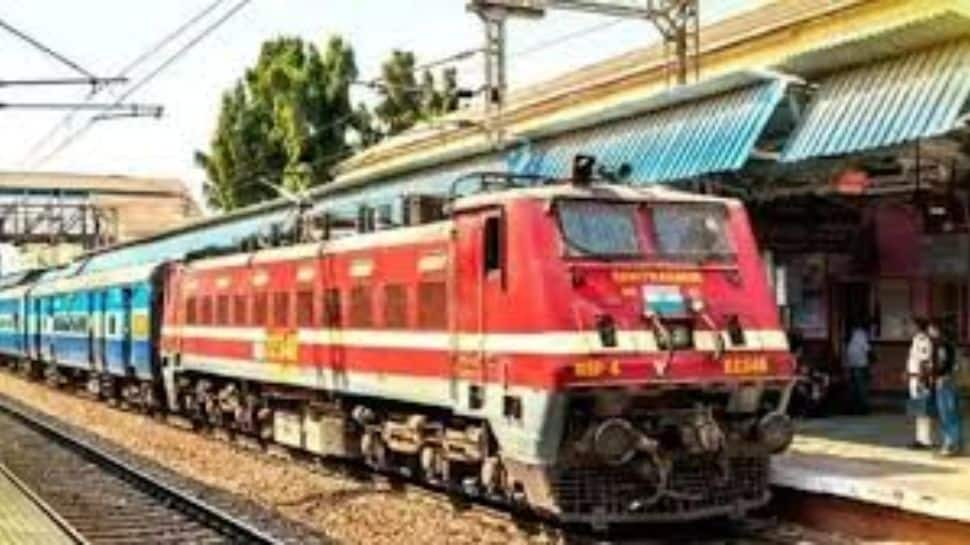
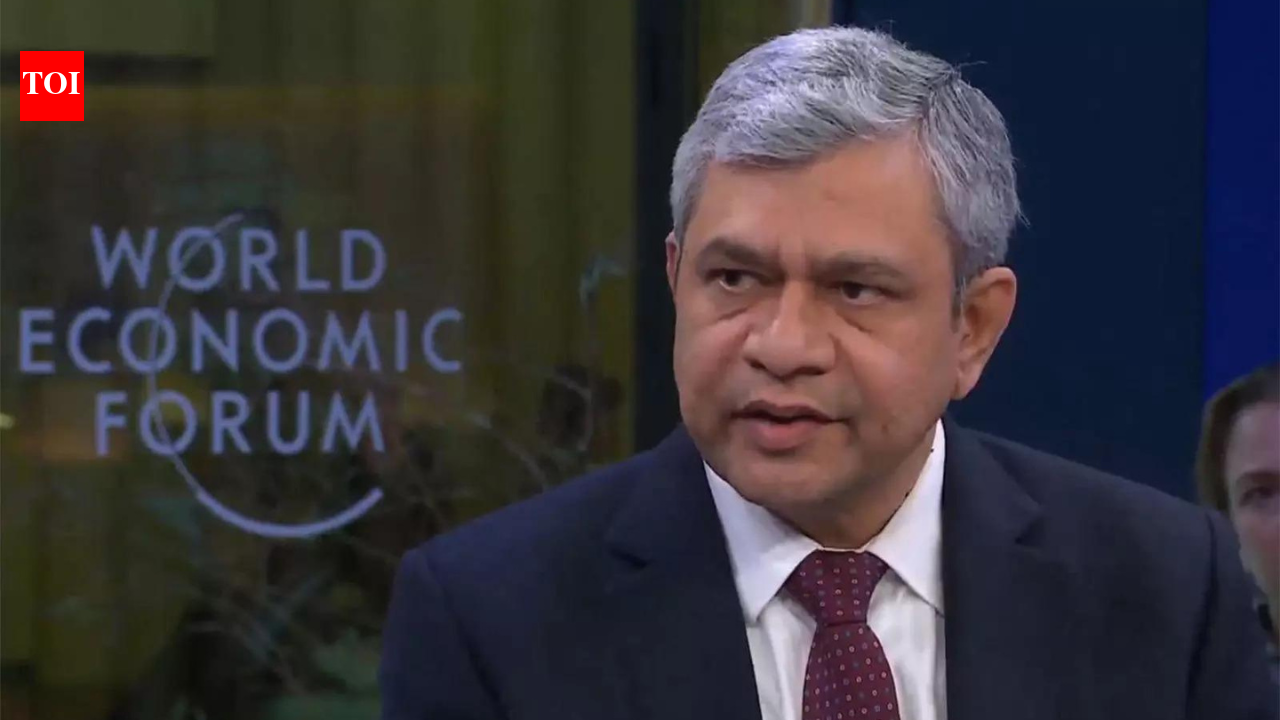
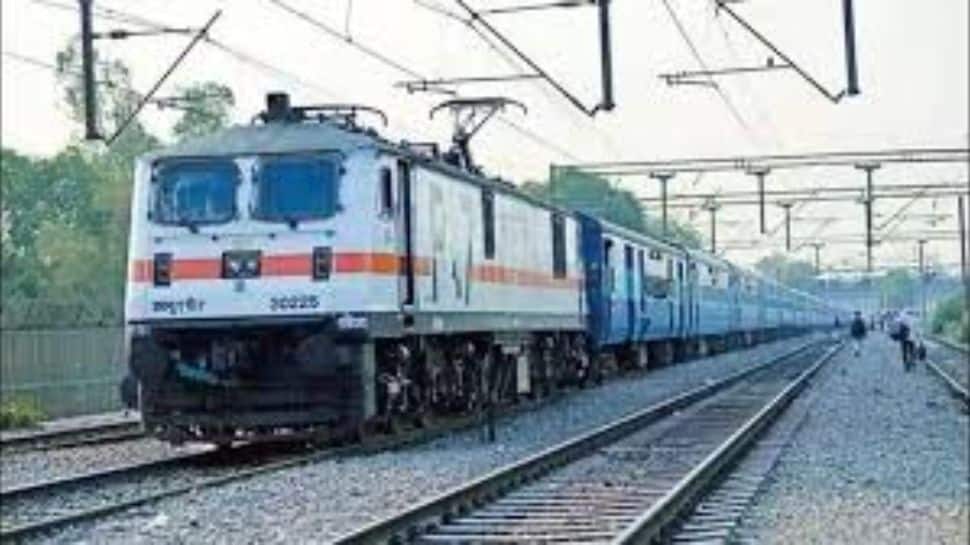
Indigenous bullet train at 350 kmph! Railway Minister Ashwini Vaishnaw on Tuesday said India’s next-generation bullet train is being planned with a top speed of 350 kilometres per hour. He added that work on the train’s design is expected to commence within the next six months.The 508-kilometre Mumbai-Ahmedabad High-Speed Rail Corridor, launched in 2016, is currently under construction and is intended to support trains running at speeds of up to 320 kmph. The first phase of operations is expected to begin in August 2027.India’s first bullet train is currently being manufactured by Bengaluru-based BEML and is likely to be ready by 2027.
India’s first bullet train
At present, BEML and the Integral Coach Factory (ICF) are jointly working on the B28 bullet train project, designed for speeds of up to 280 kmph. The prototype is likely to be completed early next year and is scheduled to begin operations on a section of the Mumbai-Ahmedabad High Speed Rail Corridor by August 2027.“Our next domestically developed high-speed train will be capable of running at 350 kmph,” Vaishnaw told ET.Vaishnaw said the upcoming high-speed trains are being equipped with specialised features tailored to India’s varied climatic conditions.The minister also stated that the Railway Board will prioritise safety while integrating new technologies during the current financial year. According to him, close to 70,000 kilometres of railway tracks have been laid over the past decade, and more than 80% of the national rail network is now capable of supporting train speeds of up to 110 kmph.Earlier this week, an image of the proposed design of India’s first indigenous bullet train was displayed at Rail Bhawan. The Railway Board has said that the image is a design stage one, symbolic in nature and not the actual design of the train.The visual of the high-speed train, recently installed at Rail Bhawan, drew considerable attention from visitors, many of whom assumed it represented the first official glimpse of India’s inaugural bullet train project, slated for launch in August 2027.




Inflation fell for the first time this year in April, official statistics show – but economists warn this is merely the calm before the storm.
The Office for National Statistics reported on Wednesday morning that annual consumer price rises fell from 3.3 per cent in March to 2.8 per cent in April.
That’s largely because government measures to lower energy costs kicked in, helping lower household bills, if only temporarily.
In response to fresh inflation data from the ONS, Chancellor Rachel Reeves said: “The war in Iran is not our war but one we will need to respond to, and the decisions I took in the Budget last year have kept inflation down as we deal with global instability.
“We have the right economic plan, and to change course now would risk our economic stability and leave working people worse off.
“We have already taken £117 off energy bills, frozen rail fares, and lifted the two-child limit, and over today and tomorrow I’ll set out the next phase of how we will support UK households.”
But economists fear the drop in inflation may be short-lived. Suren Thiru, chief economist at chartered accountants institute the ICAEW, said: “April’s slowdown is a final interlude before the inflation storm sparked by the Iran war hits as the Ofgem energy price cap reduction, aided by the chancellor’s cut to green levies, temporarily lowered the headline rate.
“This decline is probably the last inflation fall for this year as surging fuel and food prices will probably haul it close to 4 per cent this summer, while any escalation of the conflict in Iran opens the door to CPI hitting 5 per cent.”
Danni Hewson, head of financial analysis at AJ Bell, said: “The problem with today’s inflation data is that it is backwards looking and households struggling to stretch their budgets to fit the rest of the year are hyper aware that the picture painted by April’s numbers is a rose-tinted anomaly. Whilst motorists have already experienced a hefty rise in the price they’ve been paying at the pump, the true impact of the energy price shock created by the Iran war will take a few months to really work its way through the system.”
Rising prices are the top financial concern for UK households, recent surveys show.
S&P Global’s consumer sentiment index figure dropped to 42.1 in May, from 42.3 in April, the lowest level since July 2023 when inflation in the UK was soaring as a result of the Russian invasion of Ukraine.
On Tuesday, the UK unemployment rate rose to 5 per cent in the three months to March from 4.9 per cent. That could also be a sign of further job cuts to come as employers look to cut costs.
Ms Hewson said on inflation: “April’s figures are further skewed by the energy price cap, which includes a big dollop of government help as it shifts the burden of renewables onto general taxation and away from bills. Put simply, this is the calm before a summer storm with energy bills, food prices and a whole host of other costs expected to shoot up over the coming months. With wage growth slowing in a tepid labour market to boot, things are likely to feel tough for a lot of people still reeling from their last brush with high inflation.”

The Government “must focus on how it will reduce the public policy costs which are pushing up food prices”, the British Retail Consortium (BRC) has said after reports the Treasury asked supermarkets to limit food prices in return for the lifting of some regulations.
The proposals would see shops voluntarily cap the prices of essential groceries such as eggs, bread and milk, according to the Financial Times.
The Treasury has said it would in return offer supermarkets “incentives” which may include easing packaging policies and delay potentially costly changes to healthy food rules, the newspaper said.
Helen Dickinson, the chief executive of the BRC, the leading trade association for retailers, said: “Rather than introduce 1970s style price controls and trying to force retailers to sell goods at a loss, the Government must focus on how it will reduce the public policy costs which are pushing up food prices in the first place.”
She added: “The challenge facing retailers is a combination of higher energy and commodity costs resulting from the Middle East conflict, and the soaring cost of the Government’s domestic policies.”
“The UK has the most affordable grocery prices in Western Europe thanks to the fierce competition between supermarkets,” she also said.
A spokesperson for the Treasury said: “The Chancellor has been clear we want to do more to help keep costs down for families, and will set out more detail in due course.”
The Treasury asked supermarkets for guarantees that British farmers would not lose income from price caps, according to the FT.
Some measures, including the packaging regulations, generate revenue for the Treasury, it reported.
The Government has also recommended supermarkets reinvest the savings from the regulation changes to freeze grocery prices, it added.
This comes after UK food inflation rose to 3.7% in April.
The Foreign Secretary on Tuesday told an aid summit of the risk of “sleepwalking into a global food crisis” as a result of Iran’s blockade of the Strait of Hormuz.
Chancellor Rachel Reeves is to set out measures to help households with the cost of living on Thursday.
Writing in The Times, she said she had made decisions which were “responsible in the national interest”.
“I will not tolerate anyone exploiting a crisis to make a quick buck off the back of hardworking people,” the Chancellor wrote.
“I am clamping down on price gouging, giving regulators new, focused investigatory powers. Where regulators identify concerning practices, they will be encouraged to name and shame.”
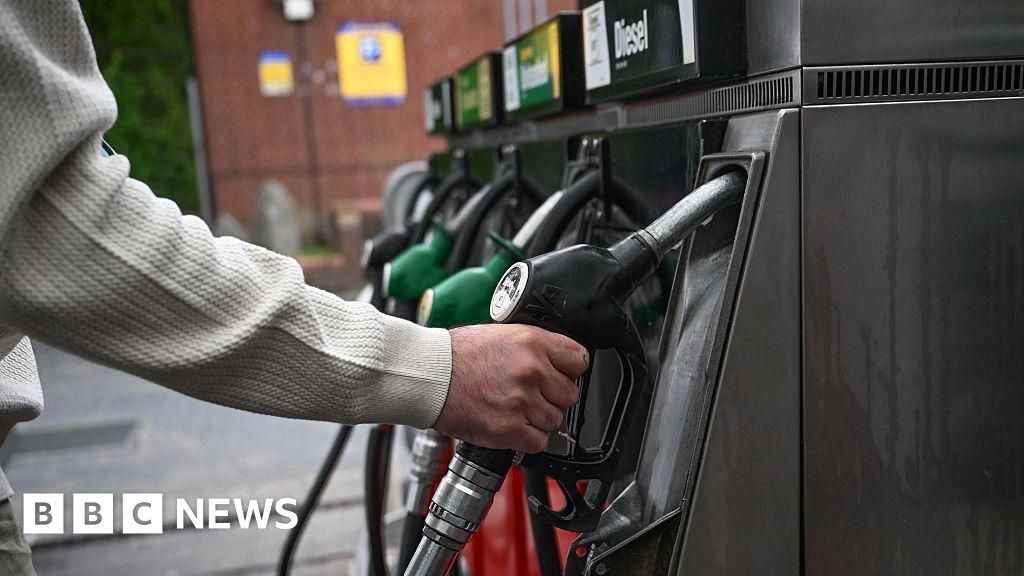
The waiver reflects increasing supply concerns over certain fuels due to the effective blockade of the Strait of Hormuz.
Source link

UK inflation falls to 2.8% – but experts warn far higher price rises on the way

Belgium’s Summa launches F Series Vantage flatbed cutters at FESPA

Jennifer Lopez celebrates major ‘On The Floor’ milestone

-

 Entertainment1 week ago
Conan O’Brien hat tricks as Oscar host
-

 Fashion7 days ago
Italy’s Zegna Group’s Q1 growth boosted by strong organic performance
-

 Tech1 week ago
Papa Johns Is Getting Into Drone Delivery—but Not for Pizza
-

 Tech1 week ago
CUDA Proves Nvidia Is a Software Company
-

 Fashion1 week ago
India’s Raymond Lifestyle’s FY26 income tops $743 mn for 1st time
-

 Tech1 week ago
Chevron Wants a School District Tax Break for a Data Center Power Plant in Texas
-
 Business1 week ago
Pound wobbles and bonds suffer as Starmer battles on
-

 Sports1 week ago
Orioles pitcher takes part in gender reveal as he walks off mound following relief appearance