

Fashion
India’s cotton arrivals to peak by mid-November; CCI to step in

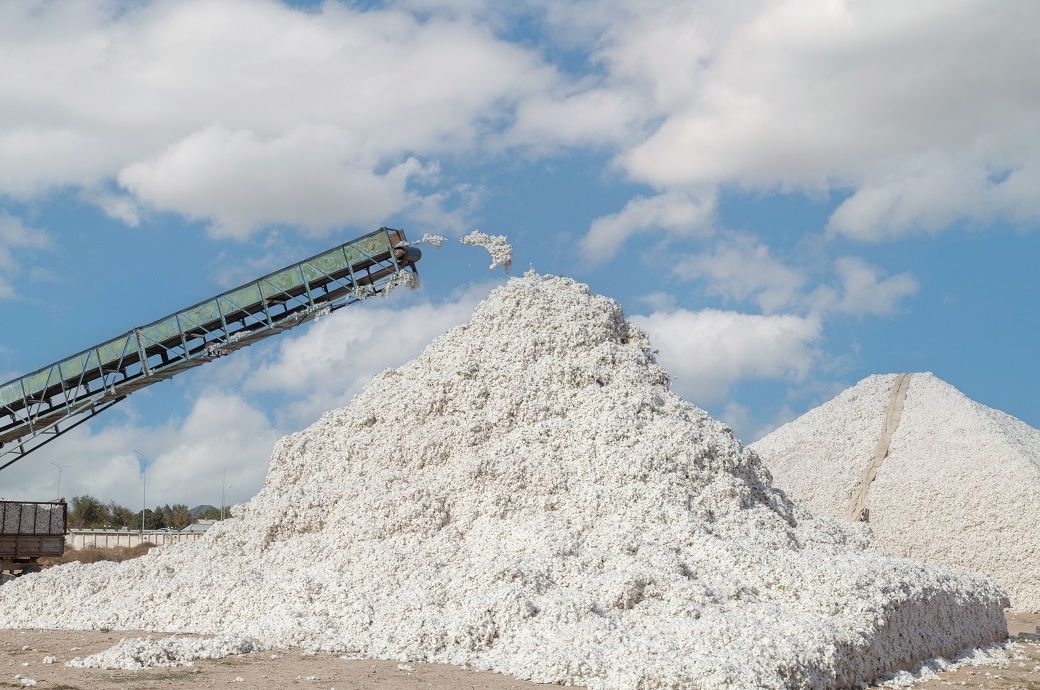
Cotton acreage in the country stands at 110.03 lakh hectares in the current season, down from 112.97 lakh hectares a year ago, according to the Ministry of Agriculture. The area was 123.71 lakh hectares in 2023–24 and averaged 129.50 lakh hectares over the past five years.
India’s cotton arrivals are expected to rise sharply next week, peaking by mid-November as CCI begins MSP procurement.
Late monsoon rains delayed sowing and harvest, particularly in Maharashtra.
While prices remain below MSP due to high moisture, arrivals are set to strengthen, with CCI’s large-scale purchases likely to support market stability.
According to market traders, daily cotton arrivals were between 50,000 and 60,000 bales of 170 kg before Diwali. Cotton arrivals typically begin in north India in mid-September, but this year they started in the last week of September. Farmers in north India—including Punjab, Haryana, and Rajasthan—delayed sowing to avoid damage from late rains in previous years.
Satish Sharma, a trader from Bathinda (Punjab), told Fibre2Fashion, “Farmers faced severe damage from late rains in previous years. Therefore, they preferred sowing in the later phase this year, which caused a slight delay in arrivals. Despite precautions, late rain has damaged some crops in Haryana.” He added that the region is currently receiving around 10,000–12,000 bales of cotton daily, which may rise to 20,000–22,000 bales in the next two weeks. “However, this is insignificant nationally, as north India contributes a relatively small portion to the country’s total cotton production,” he added.
Gujarat and Maharashtra, which together account for over 50 per cent of India’s total cotton output, are yet to see arrivals pick up. Maharashtra continues to experience sporadic rains, delaying cotton picking. Chetal Bhojani, a trader from Morbi (Gujarat), told F2F, “Farmers will bring seed cotton in bulk when CCI starts procurement across all centres. Currently, they are selling only to meet financial needs. Seed cotton prices remain lower than the MSP.”
On Friday, seed cotton was priced between ₹1,450 and ₹1,615 per maund of 20 kg, while CCI’s MSP stands at ₹1,615 per maund. Higher moisture levels and slow demand have depressed open-market prices. Bhojani noted that seed cotton had moisture levels of 30–40 per cent before Diwali, while cotton seed was sold with about 25 per cent moisture. Ginned cotton traded at 10–11 per cent moisture before the festival. Although traders were buying cotton with certain moisture content, it further reduced both seed and ginned cotton prices. After Diwali, new seed cotton is expected to attract better demand due to lower moisture content.
Traders said cotton arrivals are set to increase in the coming week and could surpass 1 lakh bales within the next two weeks. However, peak arrivals of around 2 lakh bales per day are expected only once CCI begins full-scale procurement. The government agency has started symbolic purchases, which could send a positive signal to the market and keep prices steady. Still, market prices are likely to find real support only when large-scale procurement begins.
Last season, the government agency purchased about one-third of the total crop as market prices remained below the MSP. A similar scenario is expected this year. Cotton prices may improve slightly but are likely to stay under the MSP. Consequently, CCI’s procurement could again reach around 100 lakh bales, similar to last year.
Trade sources said CCI has yet to start large-scale procurement despite sufficient arrivals, as it aims to limit purchases. Extensive buying would place a heavy financial burden on the government. The corporation may begin procurement state by state once arrivals intensify across major producing regions.
Fibre2Fashion News Desk (KUL)











The economic trajectory, which remained steady until early 2026, is now facing fresh headwinds as the conflict has disrupted key global supply chains, especially in energy and logistics, critical pillars of India’s economic stability.
The latest Monthly Economic Review by India’s Department of Economic Affairs projects a more uncertain economic outlook, citing disruptions to energy supplies and trade routes amid the Middle East conflict.
However, strong domestic growth, steady credit expansion, and resilient services exports continue to cushion the impact.
Despite rising risks, India has entered this phase from a sector steady.
The scale of disruption is stark. Ship movements through the Strait of Hormuz have nearly come to a standstill, from 200-300 a week to one a week, the review notes. This dramatic slowdown has tightened global oil and gas supply, pushing prices higher and increasing volatility across international markets.
The report warns of supply disruptions to oil, gas and fertilisers, higher import prices, higher logistics costs, and a possible decline in remittances by Indians in the Gulf countries.
These risks are particularly significant for India, which relies heavily on energy imports and has a large expatriate workforce in the Gulf region, contributing to remittance inflows.
Despite the risks, the review says India entered this phase from a position of strength.
On the domestic front, industrial activity has remained resilient.
“Retail inflation rose to a 10-month high of 3.21 per cent in February 2026, driven primarily by a sharp uptick in food prices,” said the review.
At the same time, the financial system continues to support growth. Bank credit expanded strongly, and the overall flow of financial resources to the commercial sector grew at 33.2 per cent (YoY).
The Finance Ministry review report emphasises the need for policy vigilance amid rising uncertainty.
Fibre2Fashion News Desk (DS)
Tamil Nadu’s exports stood at ₹67,863 crore (~$7.22 billion), reinforcing its leadership driven by strong apparel and knitwear clusters. India’s textile and apparel exports reached ₹3,19,573 crore in 2024–25, reflecting steady expansion from ₹2,33,304 crore (~$24.84 billion) in 2020–21, as per data shared by the minister.
Gujarat followed with exports of ₹50,150 crore (~$5.34 billion), contributing 15.7 per cent to the national total, supported by its strength across fibres, yarns and fabrics. Haryana recorded ₹34,843 crore, while Maharashtra and Uttar Pradesh posted ₹33,611 crore (~$3.57 billion) and ₹31,804 crore (~$3.38 billion) respectively, each contributing around 10–11 per cent to India’s overall exports.
Tamil Nadu led India’s textile and apparel exports in FY25 with a 21.2 per cent share (₹67,863 crore), followed by Gujarat (15.7 per cent).
Total exports rose to ₹3.19 lakh crore from ₹2.33 lakh crore in FY21.
Haryana recorded the fastest growth, while Uttar Pradesh also expanded strongly, signalling shifting export dynamics across major states.
In terms of growth, Haryana emerged as the fastest-growing major state, registering a CAGR of 11.9 per cent between 2020–21 and 2024–25, outperforming the national average of 8.2 per cent. Uttar Pradesh also showed strong expansion with a double-digit growth trajectory, reflecting rising competitiveness in apparel exports.
Among southern hubs, Karnataka exported ₹23,961 crore (~$2.55 billion), maintaining steady growth, while Rajasthan reached ₹14,560 crore (~$1.55 billion), showing moderate expansion. In contrast, Punjab’s exports declined to ₹11,820 crore (~$1.25 billion), indicating pressure in certain segments.
Overall, the data highlights a high concentration of export value in leading states such as Tamil Nadu and Gujarat, alongside strong growth momentum in states like Haryana and Uttar Pradesh, pointing to a gradual shift in India’s textile export dynamics.
Fibre2Fashion News Desk (KUL)
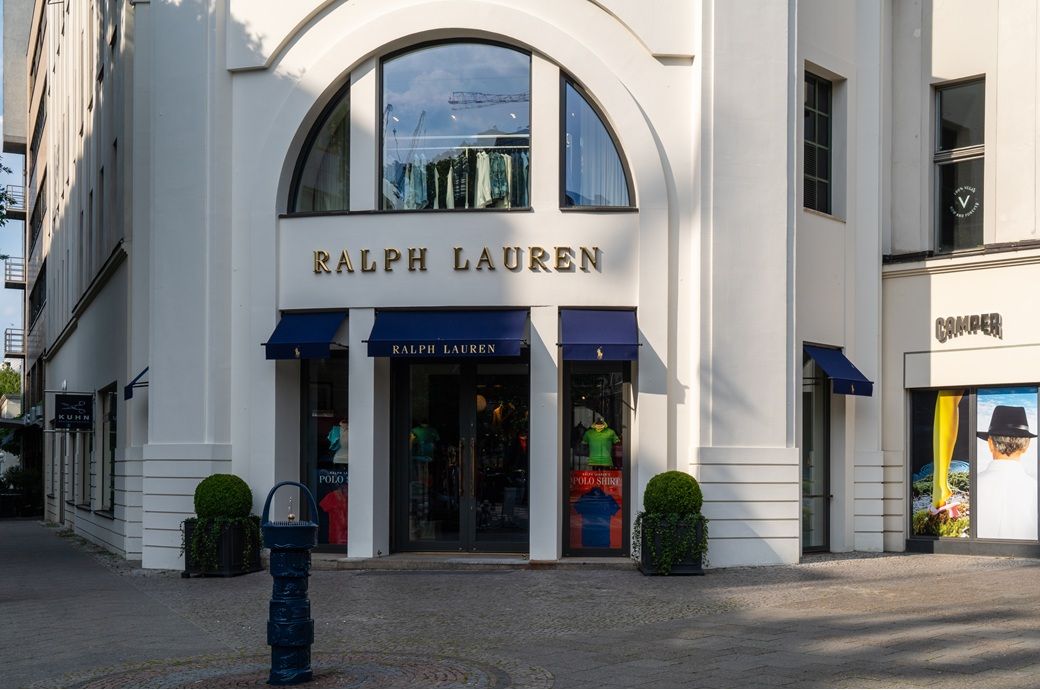
Ralph Lauren Corporation (NYSE: RL) announced the next phase of its Global Citizenship & Sustainability (GC&S) strategy, Timeless by Design 2030. The strategy builds on the Company’s meaningful progress over the past several years to enhance the resilience of the teams, communities, partners and natural resources essential to its business.
Ralph Lauren has introduced Timeless by Design 2030, the next phase of its sustainability and social impact roadmap.
The plan focuses on four pillars, supplier partnerships, natural resource protection, employee engagement and community care.
The company aims to build on earlier gains in emissions, water use and sustainable materials while reporting progress annually.
Guided by the Company’s Purpose to inspire the dream of a better life through authenticity and timeless style – Timeless by Design 2030 is a focused, intentional approach to driving positive impact across Ralph Lauren’s value chain. Since releasing its first GC&S strategy, the Company has made significant advancements and evolved practices throughout its operations to maintain and further advance its progress. This includes reducing GHG emissions; decreasing total water use; meeting at least one sustainable material criteria in 99 per cent of units produced; and expanding its reach and impact in the fight against cancer.
Timeless by Design 2030 is focused on building on these efforts.
“By investing in the resilience of the people who shape our business, the communities we serve and the resources that make our products possible, we are reinforcing the long-term strength and durability of Ralph Lauren,” said Katie Ioanilli, Chief Global Impact & Communications Officer, Ralph Lauren Corporation. “Aligned to Ralph’s timeless vision that inspires everything we do, this work is enduring and foundational to operating a business that stands the test of time.”
Timeless by Design 2030 is built around four pillars, each with clear, measurable goals. In addition to initiatives that advance the Company’s longstanding commitments, each pillar is anchored by a flagship program reflecting where Ralph Lauren can make a unique and positive impact.
The Timeless by Design 2030 pillars and flagship programs are:
- Partner for Impact: This pillar outlines the key partnerships that will help the Company reduce carbon emissions and water use, expand empowerment and life skills programs for workers throughout its supply chain and strengthen strategic supplier relationships. Design with Intent, the Company’s industry-leading work to integrate culturally sustainable design into its product and storytelling, serves as the flagship program.
- Protect Natural Resources: This pillar focuses on initiatives that address climate- and nature-related impacts, including creating products aligned to the Company’s circular principles, enabling circular experiences for consumers and investing in innovative materials. As cotton is Ralph Lauren’s chief material, Cotton Stewardship is the flagship program, accelerating the shift toward regenerative and recycled cotton.
- Engage & Enable Teams: This pillar centers on the programs that support Ralph Lauren employees’ growth and development and foster a culture of belonging that attracts and retains the industry’s best talent. The flagship program, Only at RL, encompasses the unique experience of working at Ralph Lauren and how employees build careers in an environment where everyone feels valued.
- Care for Communities: This pillar advances the Company’s longstanding efforts to give back to the communities it serves, including employee volunteering, philanthropic giving and strategic partnerships. Pink Pony, Ralph Lauren’s global initiative in the fight against cancer, is the flagship program.
Timeless by Design 2030 outlines Ralph Lauren’s priorities for the next five years and enables its Next Great Chapter: Drive strategy. The Company will measure and report progress annually, aligned to the Company’s fiscal year.
Note: The headline, insights, and image of this press release may have been refined by the Fibre2Fashion staff; the rest of the content remains unchanged.
Fibre2Fashion News Desk (JP)


Screen Your Entryway With the Best Video Doorbell Cameras

Middle East conflict clouds India’s economic outlook

Ferne McCann reveals simple secrets behind her body transformation

-

 Politics6 days ago
Afghanistan announces release of detained US citizen
-

 Sports6 days ago
Broadcast industry CEO says consolidation is ‘essential’ to compete for NFL soaring media rights prices
-

 Entertainment6 days ago
UN warns migratory freshwater fish numbers are spiralling
-
 Business6 days ago
Property Play: Home flippers see smallest profits since the Great Recession, real estate data firm says
-

 Tech6 days ago
Can a Home Appliance Fix the Problem of Soft-Plastic Waste?
-

 Sports1 week ago
Men’s March Madness live tracker: Updates on Saturday’s games
-

 Sports1 week ago
Arne Slot: Liverpool’s defeat to Brighton ‘hurts a lot’
-
 Business6 days ago
Gold prices soar in Pakistan – SUCH TV