

Fashion
India’s PDS Limited reports 18% GMV growth & strong Q2 performance

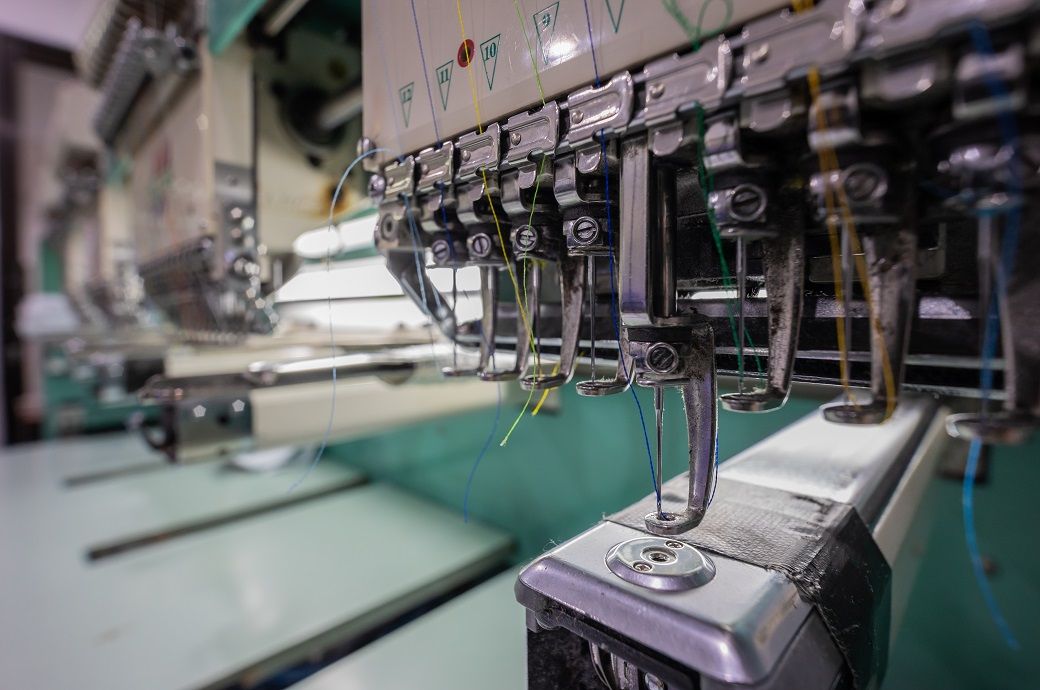
The revenue from operations grew 14 per cent sequentially to ₹3,419 crore, while gross profit improved 17 per cent to ₹680 crore. EBITDA more than doubled to ₹103 crore in Q2 FY26, reflecting enhanced operational efficiency. Profit after tax (PAT) jumped 142 per cent quarter-over-quarter (QoQ) to ₹48 crore. On a half-yearly basis, EBITDA and PAT declined 31 per cent and 41 per cent YoY respectively, primarily due to higher input costs and strategic restructuring, PDS Limited said in a press release.
India’s PDS Limited has reported an 18 per cent rise in GMV to ₹5,467 crore (~$619.2 million) in Q2 FY26, with revenue up 14 per cent and PAT surging 142 per cent to ₹48 crore.
The order book reached ₹5,308 crore (~$601.1 million), up 15 per cent YoY.
Improved working capital efficiency generated ₹593 crore in cash flow, and the board declared an interim dividend of ₹1.65 per share.
“Our results demonstrate that sustainable growth is achieved through focus, efficiency, and disciplined execution. Our growth journey is centered on strengthening and expanding the potential of our existing businesses and partnerships, with no new investments at this stage. By sharpening our focus on execution, leveraging synergies, and fostering collaboration across our global network, we are building a stronger, more efficient, and purpose-driven PDS—one that grows sustainably and responsibly while upholding the highest standards of governance,” said Pallak Seth, executive vice chairman at PDS Limited.
“We continue towards our commitment of building a resilient, cost-efficient PDS. Our focus remains on driving operational excellence across our core business verticals, which is starting to show in our results, with optimized working capital and reduced net debt levels. By focusing on high-impact areas and streamlining underperforming verticals, we are enabling responsible growth and building a future-ready organization scaling towards enhancing profitability,” said Sanjay Jain, group CEO.
As of early October 2025, PDS Limited’s order book stood at ₹5,308 crore (~$601.1 million), marking a 15 per cent YoY increase and reflecting sustained business momentum despite global macroeconomic headwinds. The company achieved notable improvement in working capital efficiency, reducing net working capital days from 17 in March 2025 to 6 in September 2025, generating ₹593 crore in cash flow from operations. The board also approved an interim dividend of ₹1.65 per share, consistent with the previous year, added the release.
Fibre2Fashion News Desk (SG)












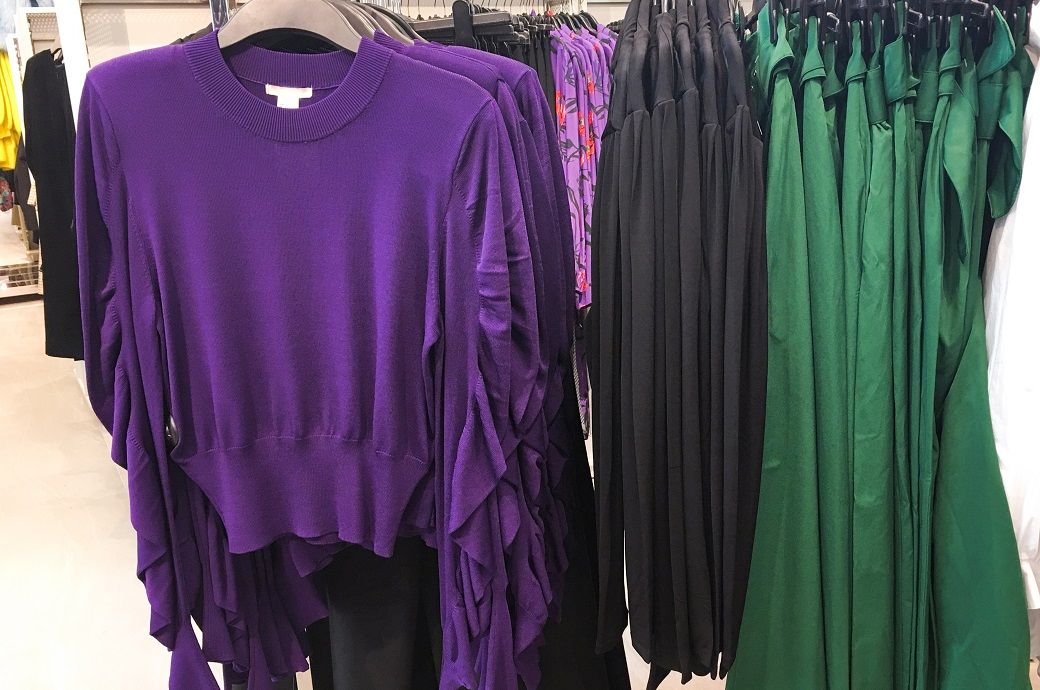
During the period, apparel imports declined by *.** per cent to **,***.*** million SME from **,***.*** million SME in ****. Imports of textiles (non-apparel) reached **,***.*** million SME in ****, marking a decline of *.** per cent compared with **,***.*** million SME in ****.
The import volume of cotton products fell by *.** per cent to **,***.*** million SME during the review period, compared with **,***.*** million SME a year earlier. Meanwhile, imports of man-made fibre (MMF) products decreased to **,***.*** million SME in ****, down from **,***.*** million SME in ****.
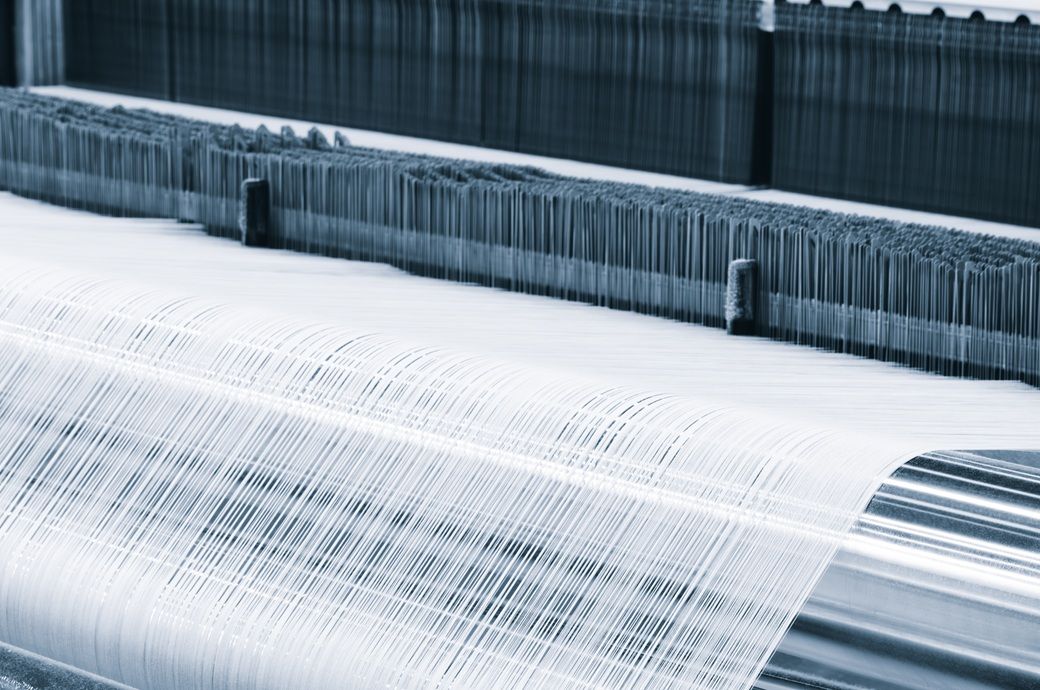
Stäubli will showcase innovative solutions designed to empower mills to produce the next generation of advanced fabrics.
Stäubli will showcase advanced weaving solutions at Techtextil 2026, highlighting technologies for high-performance technical textiles such as 3D composites and industrial fabrics.
Key exhibits include the MAGMA tying machine, TF series weaving systems, and UNIVAL Jacquard, enabling precision, efficiency, and flexibility for next-generation applications.
Stäubli will exhibit its trend-setting technologies at the Swiss Pavilion Booth B01.6 in Hall 12.0.
Technical Textiles: A market accelerating toward high-performance innovation
The global rise in demand for reinforcement fabrics, multilayer structures, 3D composites, and high value industrial textiles is reshaping manufacturing expectations. Reliable equipment, flexible weaving architectures, and precise material handling have become essential for weaving mills pursuing new applications and higher performance products. This expansion underscores the critical role of advanced weaving solutions in meeting evolving industry needs. Stäubli’s decades long know how in technical weaving positions the company as a key contributor to this transition.
Stäubli weaving systems are widely used to produce demanding technical fabrics — from lightweight reinforcement materials, OPW airbags, to filtration fabrics, medical textiles, and specialized industrial materials.
By combining cutting edge mechanical engineering, advanced electronic control, and long term customer support, Stäubli ensures stable performance and high fabric quality across all applications.
Stäubli Solutions to discover at Techtextil 2026
At this year’s edition, Stäubli will display its MAGMA Tying Machine, a robust and high efficiency solution specifically engineered to handle the increasingly diverse and demanding yarns used in today’s technical textile applications, including polypropylene tapes and other challenging filament structures. MAGMA delivers consistent tying quality while reducing the downtime traditionally associated with warp changes.
Stäubli will also present its TF series weaving machines, engineered for the production of advanced 3D, multilayer, and high performance fabrics using demanding materials such as carbon, glass, and aramid fibers.
- The TF20 offers high-speed capability and a double rapier option, increasing output for industries requiring lightweight composite reinforcements.
- The TF30 ensures gentle yarn handling while supporting highly sophisticated weave structures, making it ideal for aerospace grade and industrial textiles.
Part of our other solutions for technical textile, the UNIVAL 100 electronic Jacquard machine provides unparalleled flexibility for weaving complex and sophisticated technical fabrics. Featuring individually controlled harness cords and exceptional motion precision, the UNIVAL 100 is particularly suited for 3D weaving and the processing of demanding materials such as glass and carbon fibers.
The Jacquard machine LX 2494 is ideal for weaving technical fabrics on all types of weaving machines. Very robust and wear-resistant, it opens new avenues in heavy fabrics and is designed for many years of daily use with a minimum of maintenance. The Stäubli M6T 3-position module principle makes the machine particularly compact, and plays an important role in exploiting its performance potential.
Stäubli’s heavy dobbies deliver the power and precision required for weaving complex, high tension structures in technical and industrial fabrics. Designed for demanding applications, they ensure exceptional shedding accuracy, stable high speed performance, and long term mechanical reliability.
Discover Stäubli’s weaving technologies at Swiss Pavilion Booth B01.6 in Hall 12.0 during Techtexil 2026
Note: The headline, insights, and image of this press release may have been refined by the Fibre2Fashion staff; the rest of the content remains unchanged.
Fibre2Fashion News Desk (MS)
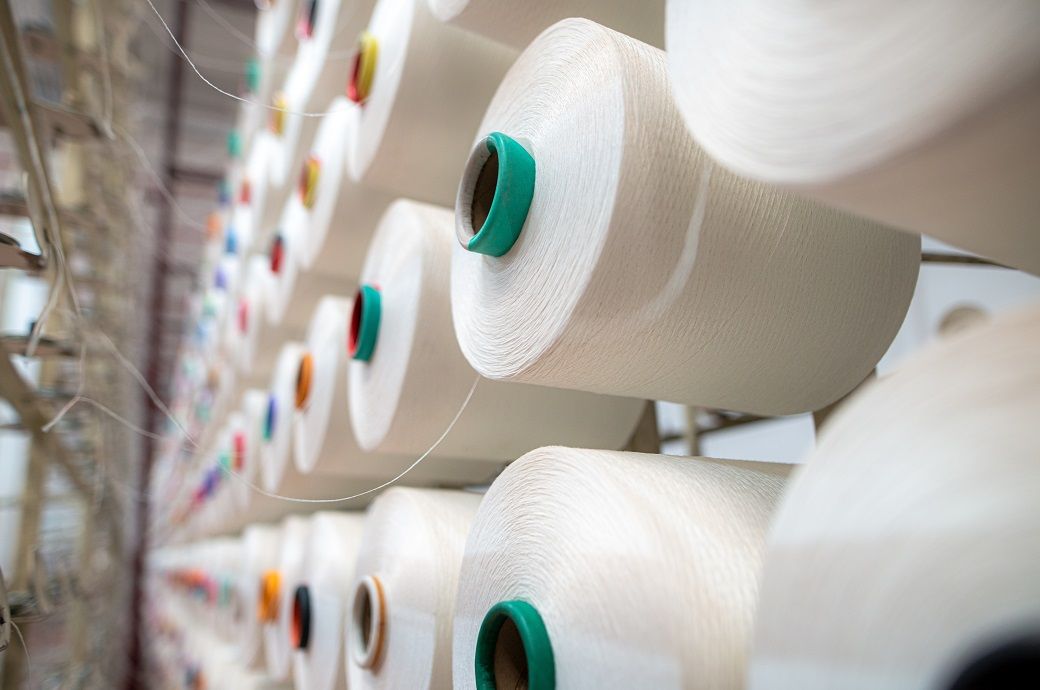
The investigation, initiated in March ****, covered the period from October **** to September **** and was based on a petition filed by Indorama India Private Limited. The authority found that dumped imports from the subject countries had caused material injury to the domestic industry, as per notification issued in this regard by the DGTR.
The product under consideration includes elastomeric filament yarn of all deniers, commonly known as spandex or elastane, widely used in stretch garments such as hosiery, activewear and innerwear. However, certain categories have been excluded, including coloured yarn (except black), elastomeric yarn on beam, LYCRA branded products, and yarn used in diapers.


US apparel imports fell 5% in terms of volume in 2025

Stäubli to showcase advanced weaving solutions at Techtextil 2026

Iran oil attacks trigger 35% gas price spike – and fears of interest rate rises

Stock market crash today (March 12, 2026): Nifty50 opens below 23,600; BSE Sensex down over 900 points on continuing US-Iran war – The Times of India

UK’s Topshop unveils Tolu Coker capsule collection

India’s textile recycling market may reach $3.5 bn by 2030: Report

-
Business1 week ago
Stock market crash today (March 12, 2026): Nifty50 opens below 23,600; BSE Sensex down over 900 points on continuing US-Iran war – The Times of India
-
 Fashion1 week ago
UK’s Topshop unveils Tolu Coker capsule collection
-
 Fashion1 week ago
India’s textile recycling market may reach $3.5 bn by 2030: Report
-
 Tech1 week ago
Meta Developed 4 New Chips to Power Its AI and Recommendation Systems
-
 Business1 week ago
8th Pay Commission: How Much Will Central Govt Employees’ Salaries Rise? What We Know So Far
-

 Sports1 week ago
Bangladesh crush Pakistan in ODI series opener | The Express Tribune
-

 Entertainment1 week ago
Ed Sheeran makes surprising Benny Blanco confession after hygiene uproar
-

 Entertainment1 week ago
Gas, food, household prices explained