

Fashion
Initio Parfums Privés puts neuroscience at the heart of its customer journey


Translated by
Nazia BIBI KEENOO
Published
September 16, 2025
The French niche fragrance house Initio Parfums Privés unveils its latest innovation: Feel Lab Experience, an experiment that combines perfumery, neuroscience, and artificial intelligence.
Developed in partnership with Feel’Tech by Micropole, BrainCo, and the Harvard Innovation Lab, this experience invites customers to explore their emotional responses to a fragrance. Specifically, customers are invited to wear an electroencephalography (EEG) headband fitted with sensors that record their brain activity during the discovery session. The brainwaves captured are analyzed, revealing unconscious preferences and the degree of well-being elicited by a fragrance — a process which, the brand notes, does not replace the consumer’s final choice.
The initiative is being introduced this month at Initio Parfums Privés’ Paris flagship, ahead of a selective international rollout.
For Initio, this marks another step in a strategy that treats perfume as an emotional and immersive experience. In April, the house formalized a partnership with dsm-firmenich, one of the leading suppliers of fragrance ingredients, to deepen research into the interactions between olfactory molecules and emotions.
This momentum comes against a favorable backdrop for the Sprecher Berrier Group of Companies, parent company of Initio and Parfums de Marly. The group, which recorded retail sales of $775 million for the year ended March 31, 2025 (a 41% increase), is preparing the next stage of its development with the arrival of Patrice Béliard as CEO on October 1. The former Shiseido and Estée Lauder executive will succeed Julien Sausset, who has been the driving force behind the strong expansion of both brands since 2016.
Buoyed by 50% growth in retail sales over the year, to $189 million, Initio Parfums Privés reaffirms its ambition to unite luxury, innovation, and cognitive science to strengthen its foothold in the global niche perfumery market.
This article is an automatic translation.
Click here to read the original article.
Copyright © 2025 FashionNetwork.com All rights reserved.






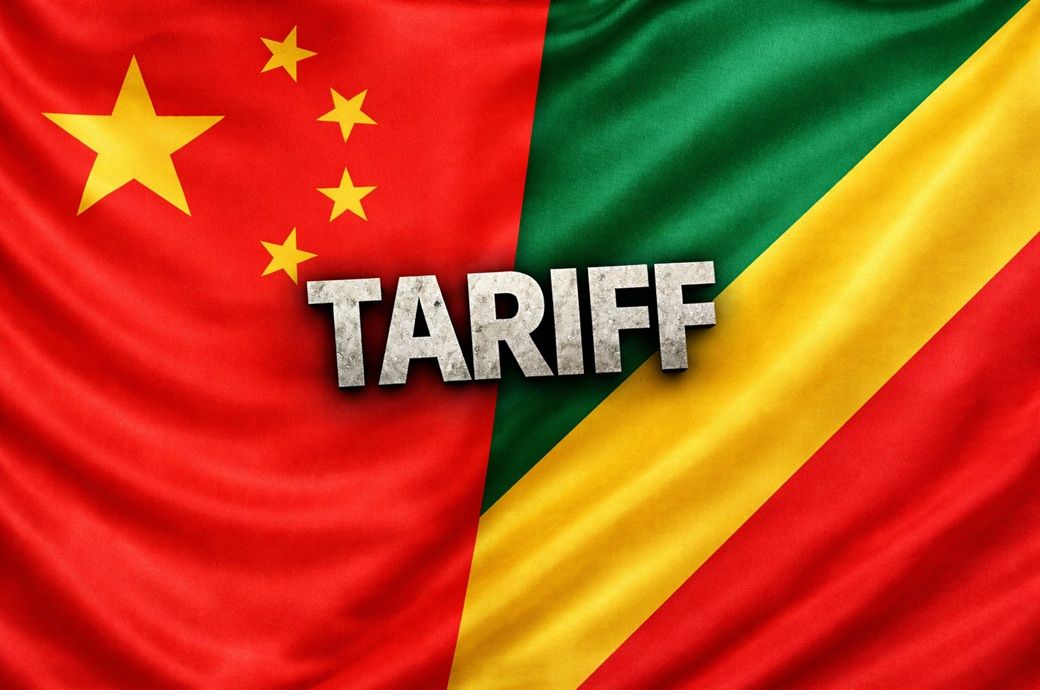
The measure implements tariff reduction commitments made under the ‘Early Harvest Arrangement of the Agreement on Economic Partnership for Shared Development’ between the two countries.
China will implement preferential tariff rates on selected imports from the Republic of the Congo starting April 1 under the Early Harvest Arrangement of their economic partnership agreement.
The move announced by the Customs Tariff Commission, is aimed at fulfilling tariff reduction commitments, enhancing bilateral trade cooperation and advancing long-term economic ties between the two countries.
The commission said the move is in line with China’s tariff law and reflects the country’s continued efforts to expand opening-up and strengthen trade ties with African partners.
Officials stated that the preferential tariff treatment will help deepen bilateral economic and trade cooperation and support the development of a higher-level community with a shared future between China and the Republic of the Congo.
The Early Harvest Arrangement, signed in November 2025, marked the first such agreement of its kind between China and an African country, paving the way for broader market access and phased tariff reductions.
Fibre2Fashion News Desk (JP)
These countries are particularly vulnerable to rising oil prices and potential supply disruptions, it noted in a recent article.
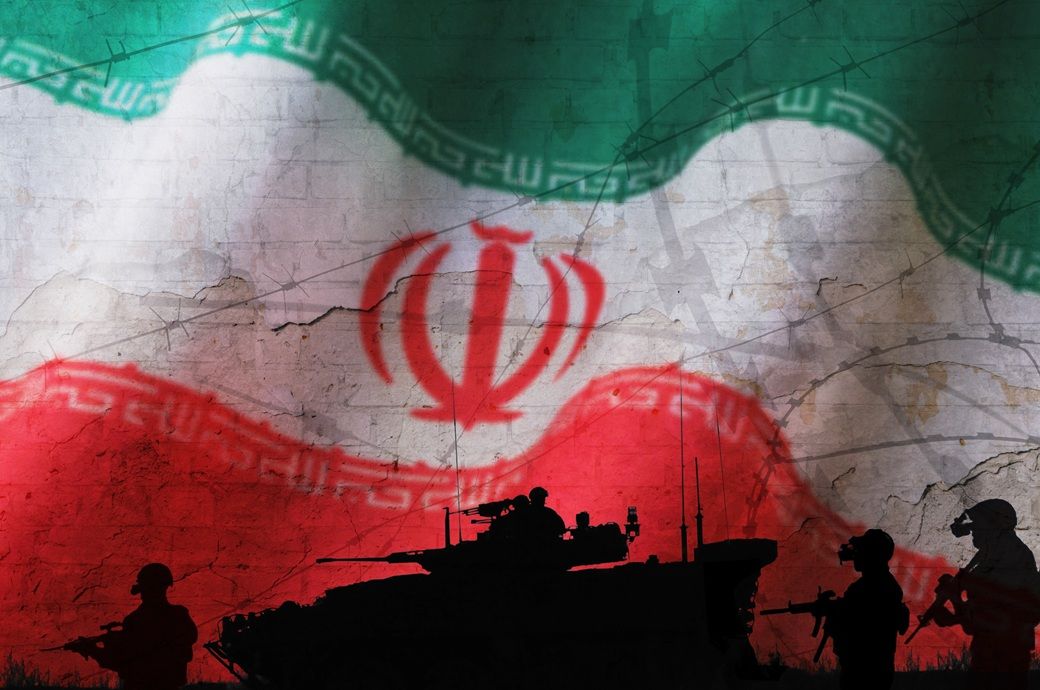
The Iran war poses a greater risk to Bangladesh, Pakistan and Sri Lanka, and to a lesser extent Laos, due to their high dependence on imported energy and limited reserves, S&P Global Ratings said.
These countries are particularly vulnerable to rising oil prices and potential supply disruptions.
All four governments are likely to see significant credit metric deteriorations, if the conflict is prolonged.
In our base case scenario, the war is unlikely to have a material impact on our sovereign ratings on these countries, but a more prolonged price and supply shock in global energy markets could cause more pronounced credit damage.
Pakistan, Sri Lanka, and Bangladesh are showing signs of economic recovery. The three countries have made progress, but sustained high energy prices and potential disruptions to trade and remittances could derail their fragile economies.
S&P Global Ratings believes the higher-income Asia-Pacific (APAC) economies are better placed to weather temporary disruptions to oil and gas supply from the Middle East.
Even where they are highly dependent on imported energy, they generally have more significant oil reserves to meet the shortfall in imports. They also have financial resources to acquire available supply in the spot oil and gas markets to secure needed energy, the rating agency noted.
Lower-income economies in the region do not enjoy such flexibility. The sovereign ratings on some may face pressure if the supply disruption persists longer than our assumptions. Bangladesh, Laos, Pakistan and Sri Lanka are among this group. These economies have one thing in common: a high dependence on imported energy products.
The Middle East war is likely to have a more severe impact on these economies, due to their fuel import bills, and generally weaker fiscal and external reserves to withstand supply shortages and high oil prices.
Among the four sovereigns, Laos is likely to fare better due to the dominance of hydropower in its energy mix.
Bangladesh, with government revenues at only around 9 per cent of gross domestic product, has fewer options to cap electricity and fuel prices through fiscal means.
All four governments are likely to see significant credit metric deteriorations, through inflation and currency channels, if the Middle East conflict is prolonged. However, the impact on the agency’s ratings on these sovereigns may be limited, as the generally low rating levels have already captured a significant share of the risks.
S&P Global Ratings’ base case for the Middle East war assumes that elevated hostilities will persist into early April, with the Strait of Hormuz facing material disruptions.
Fibre2Fashion News Desk (DS)
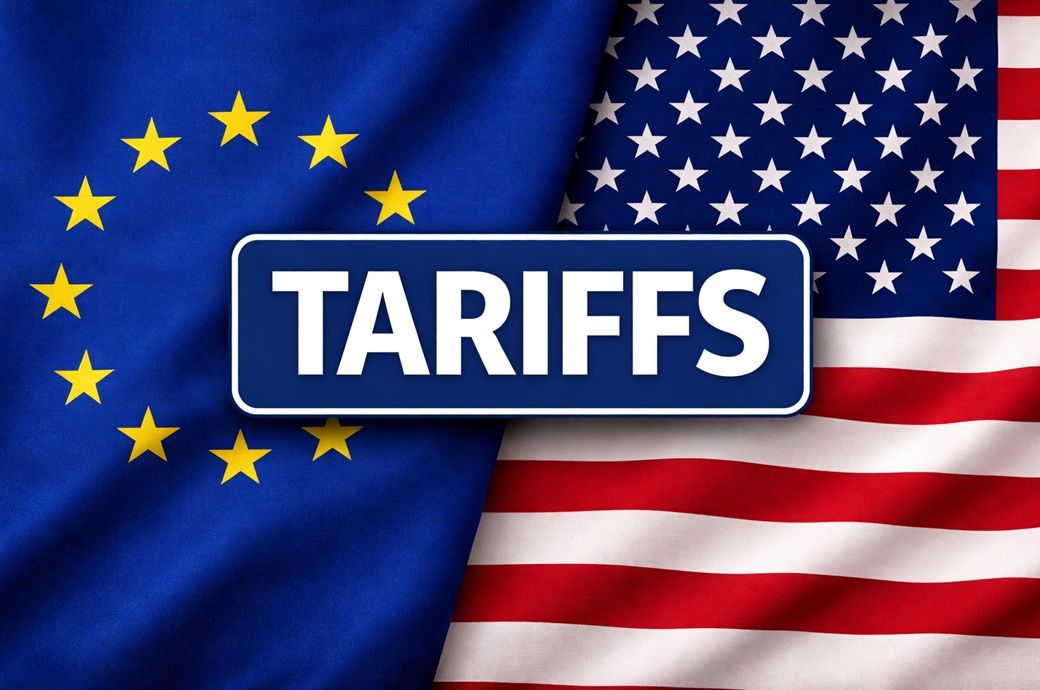
On July 27, 2025, in Turnberry, Scotland, US President Donald Trump and European Commission President Ursula von der Leyen reached a deal on tariff and trade issues, outlined in a joint statement published on August 25.
EU Parliament members have adopted their position on two proposals implementing the tariff aspects of the EU-US Turnberry trade deal.
The texts, if agreed with EU members, will eliminate most tariffs on US industrial goods and offer preferential market access for many US seafood and agricultural goods.
The members strengthened the proposed suspension clause, and introduced ‘sunrise’ and ‘sunset’ clauses.
The texts, if agreed with EU member states, will eliminate most tariffs on US industrial goods and provide preferential market access for a wide range of US seafood and agricultural goods, in line with the commitments made in summer 2025 between the EU and the United States.
The MEPs strengthened the proposed suspension clause, which would allow the tariff preferences with the US to be suspended under a number of conditions.
For instance, the Commission would be able to propose suspending all or some trade preferences if the US were to impose additional tariffs exceeding the agreed 15-per cent ceiling, or any new duties on EU goods, a release from the Parliament said.
The suspension clause could also be activated if the US undermines the objectives of the deal, discriminated against EU economic operators, threatened member states’ territorial integrity, foreign and defence policies, or engaged in economic coercion, it noted.
The MEPs have introduced a ‘sunrise clause’ that means the new tariffs would only become effective if the US respects its commitments. These conditions include the US lowering its tariffs on EU products with a steel and aluminium content below 50 per cent, to a tariff of maximum 15 per cent.
Furthermore, for EU products with a steel and aluminium content of above 50 per cent, unless the US reduces its tariffs to a maximum of 15 per cent, EU tariff preferences for US exports of steel, aluminium and their derivative products would cease to apply six months after the entry into application of the regulation.
The members also agreed on an expiry date for the main regulation on March 31, 2028. This could only be extended via a new legislative proposal, to be submitted following a thorough impact assessment of the effects of the regulation.
The European Commission would be tasked with monitoring the impact of the new rules and would be able to suspend the new tariffs temporarily, should US imports reach a level that could cause serious harm to EU industry.
Fibre2Fashion News Desk (DS)

Asda boss rejects profiteering claims as petrol price tops 150p

This Premium Sennheiser Soundbar Is $1,000 Off

Hetero rolls out generic semaglutide exports to over 75 countries – The Times of India

-

 Entertainment1 week ago
Val Kilmer revived 1 year after death through AI
-

 Fashion6 days ago
China’s textile & apparel exports surge 17% to $50 bn in Jan-Feb 2026
-
 Business7 days ago
Flipkart group CFO to leave co amid IPO plans – The Times of India
-

 Sports7 days ago
Rating Adidas’ 2026 World Cup away shirts: Argentina, Spain, Mexico and more
-
 Business1 week ago
Video: The Effects of High Oil Prices
-

 Sports7 days ago
American Conference Commissioner Tim Pernetti thanks Trump for Army-Navy game executive order
-
Tech1 week ago
The Corsair 4000D RS PC Case Keeps Your System Cool
-

 Tech1 week ago
‘Uncanny Valley’: Nvidia’s ‘Super Bowl of AI,’ Tesla Disappoints, and Meta’s VR Metaverse ‘Shutdown’