

Business
Investors are packing up; Pakistan must ask why | The Express Tribune

KARACHI:
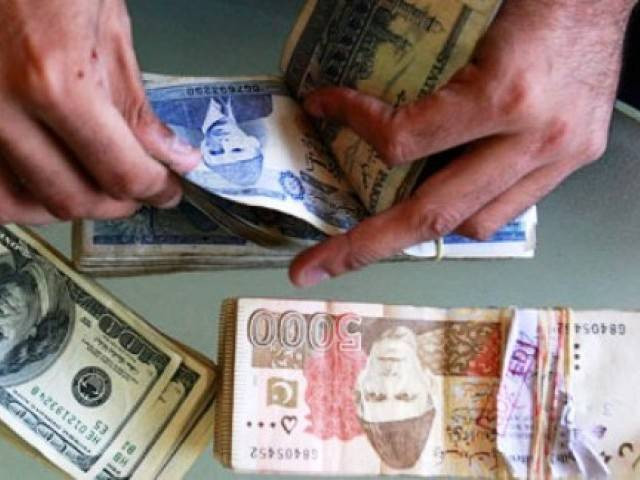
Pakistani citizens and policymakers are rightly excited. Not only is Pakistan getting into the good books of President Trump, but the economy also seems to be moving in the right direction.
Inflation is back in single digits, the currency has remained stable for two and a half years, interest rates are down to 10-11%, industries are finally expanding, remittances are growing phenomenally, and the Pakistan stock market is booming at the 165k level of the KSE-100. These are all great indicators on the surface.
But beneath the optimism lies a troubling undercurrent. Between the lines, there is growing pessimism and a foreign investor exodus. Over the past decade, nearly all foreign banks have exited Pakistan. Just last week, Gillette Pakistan decided to close operations.
Add to that the exits or partial divestments of Telenor Pakistan, Rafhan Maize, Sanofi, Pfizer, Lotte Chemical, VavaCars, TotalEnergies, Shell Pakistan, Uber, Swvl, Microsoft, Virgin Atlantic, and Yamaha Motors, and it paints a sobering picture. These are not isolated incidents tied to a few years of misgovernance, but rather the symptom of a long-term decay in economic policies that has dissuaded global investors. Why are they leaving? Because Pakistan’s economic cycle keeps breaking trust. The answer isn’t singular, but the biggest culprit is Pakistan’s boom-and-bust cycle. The rupee repeatedly sinks to new lows, high interest rates choke growth, and import restrictions strangle both demand and the ability to expand or export.
While law and order has improved drastically over the past decade – except in K-P and Balochistan – these economic shocks have proved decisive in driving investors away.
Meanwhile, some investors are still coming, but mostly from the East. On the flip side, there are success stories. Under CPEC and other bilateral arrangements, Pakistan has welcomed investment from BYD, Changan, Kia, Hyundai, Geely, MG, Mashreq Bank, Aramco, Reko Diq (Barrick Gold), Gunvor, AD Ports, and e& (which acquired Telenor Pakistan).
New entrants from China, the Middle East, and regional players are stepping in. But the overall tilt has become more East-centric, with Western incumbents exiting. Ideally, foreign players should not leave at all or should at least exit on a high note after earning strong profits, transferring technology, generating jobs, exports, and tax revenues.
To retain investors, Pakistan must fix its cost of doing business. The cost has simply become too high. Pakistan needs a credible long-term economic roadmap with statutory protection, so no government can casually change core fiscal rules. That includes reducing corporate tax rates from 35-40% to 22.5-30% over five years, tied to incentives for job creation, exports, and import substitution.
Monetary and exchange rate policy must also be depoliticised: interest rates should remain stable in the 10-12% range for five years, with the SBP offering forward guidance, while the currency should be allowed to depreciate moderately at 4-5% annually to balance external accounts.
Only stability, not tinkering, will build investor confidence. Pakistan must also focus on primary and current account surpluses, embedding these commitments in a higher-level statutory or constitutional framework, with penalties for governments that derail them. A country of 250 million cannot create enough jobs through the public sector. Nor can it afford to keep tens of millions out of school and hundreds of millions away from respectable employment. If left unaddressed, Pakistan risks losing an entire generation.
By 2047, Pakistan must be educated, developed, debt-free, export-driven, and led by domestic private investors. Everyone must pay fair taxes, wealth must be more equitably distributed, and governance must be restructured to keep capital at home. People must feel confident to live, invest, and travel here.
The steady exit of foreign investors requires an emergency response: a dedicated cabinet committee, a revamped SIFC agenda, and even a new ministerial-level team focused solely on attracting and retaining FDI in value-added sectors.
The writer is an independent economic analyst






Last Updated:
RBI has summoned senior officials of Yes Bank following a major data breach involving the Yes Bank–BookMyForex multi-currency forex card




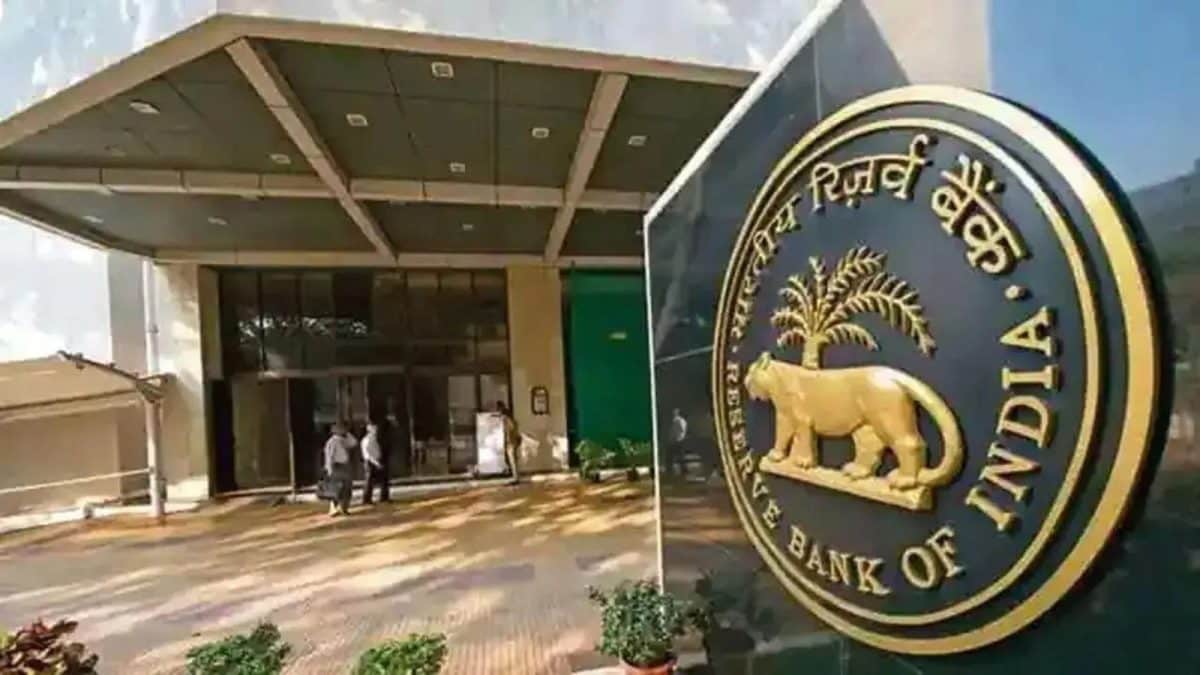
Reserve Bank of India headquarters in Mumbai.
The Reserve Bank of India (RBI) has summoned senior officials of Yes Bank following a major data breach involving the Yes Bank–BookMyForex multi-currency forex card, two people aware of the development told The Economic Times (ET).
According to the report, card details and CVV numbers of several users were allegedly compromised. The central bank has sought a detailed explanation from the bank on how its systems may have been breached and the sequence of events that led to the exposure of sensitive customer data.
“The RBI has sought a comprehensive briefing from Yes Bank’s senior management on the root cause of the breach, the timeline of events, and the adequacy of the bank’s cybersecurity framework,” one of the persons cited by ET said. “The regulator wants clarity on how sensitive card data, including CVV numbers, may have been exposed and what immediate containment measures have been implemented.”
Yes Bank declined to comment on the RBI’s queries but said an internal investigation had identified fraudulent transactions involving 15 merchants in a Latin American country on February 24. Transactions worth Rs 2.54 crore were approved across 5,000 customers, while 688 unauthorised attempts amounting to around Rs 90 lakh were blocked. The bank said it is working with the card network to initiate chargebacks and ensure that affected customers do not face financial losses.
Separately, BookMyForex said it does not store customers’ sensitive card information and that its systems were neither breached nor compromised during the period in question.
The RBI has also sought details on how sensitive card data—particularly CVVs—was stored and protected, whether encryption and prescribed security protocols were followed, and why existing cyber controls failed to prevent the breach. In addition, the regulator is reviewing the timeline of detection and reporting, the robustness of third-party risk management and oversight, the number of customers impacted, and the steps taken to block cards, prevent misuse and mitigate losses. It has also asked for clarity on internal accountability, supervisory lapses and remedial measures to prevent a recurrence, ET reported.
 Click here to add News18 as your preferred news source on Google.
Follow News18 on Google. Join the fun, play games on News18. Stay updated with all the latest business news, including market trends, stock updates, tax, IPO, banking finance, real estate, savings and investments. To Get in-depth analysis, expert opinions, and real-time updates. Also Download the News18 App to stay updated.
February 26, 2026, 07:53 IST
Read More

Soft drinks company Twig’s Beverage has a loyal following for its old-fashioned approach.
Source link

Queen’s University Belfast says there were more than 10,500 visits by students to its food bank in the students’ union.
Source link


US’ New Balance expands manufacturing amid record sales

UCF drains 14 3-pointers, runs away from No. 19 BYU in upset win

Bangladesh trade milieu hit by high rates, unstable law & order: DCCI

-

 Entertainment1 week ago
Queen Camilla reveals her sister’s connection to Princess Diana
-

 Tech1 week ago
Rakuten Mobile proposal selected for Jaxa space strategy | Computer Weekly
-

 Politics1 week ago
Ramadan moon sighted in Saudi Arabia, other Gulf countries
-

 Entertainment1 week ago
Robert Duvall, known for his roles in "The Godfather" and "Apocalypse Now," dies at 95
-
 Business1 week ago
Tax Saving FD: This Simple Investment Can Help You Earn And Save More
-

 Politics1 week ago
Tarique Rahman Takes Oath as Bangladesh’s Prime Minister Following Decisive BNP Triumph
-

 Tech1 week ago
Businesses may be caught by government proposals to restrict VPN use | Computer Weekly
-
 Fashion1 week ago
Australia’s GDP projected to grow 2.1% in 2026: IMF