

Business
IPO Explained: Meaning, Process, Benefits, Risks

In the world of finance, few events generate as much excitement as an Initial Public Offering (IPO). For companies, it marks the transition from private ownership to public trading. For investors, it opens the door to participate in the growth of a business from an early stage. IPOs are often seen as milestones that signal a company’s maturity, ambition, and readiness to expand. (Image: Pexels)

An Initial Public Offering (IPO) is the process by which a private company offers its shares to the public for the first time. By listing on a stock exchange, the company transitions into a publicly traded entity. This move allows the firm to raise capital, expand its operations, and gives early investors and employees the opportunity to sell their shares. For the wider public, it opens up a chance to own a stake in the company and participate in its growth journey. (Image: Pexels)
Companies choose to launch IPOs for several reasons. The most obvious is capital raising, as funds generated from the sale of shares can be used to expand operations, invest in new technology, or reduce debt. Going public also enhances visibility and credibility, since listed companies must adhere to strict disclosure norms. For founders, venture capitalists, and employees, an IPO provides liquidity, enabling them to monetize their holdings. Moreover, access to capital markets creates opportunities for mergers, acquisitions, and global expansion. (Image: Pexels)
The IPO process itself is structured and involves multiple steps. It begins with the company’s board and management deciding to go public. Investment banks, known as underwriters, are then appointed to manage the offering, set the price, and market the shares. (Image: Pexels)
The company must file regulatory documents; in India, this is the Draft Red Herring Prospectus (DRHP) with SEBI, while in the US it is filed with the SEC. These filings disclose financials, risks, and business plans to potential investors. To generate interest, the company and its bankers conduct roadshows, presenting the IPO to institutional investors. (Image: Pexels)
Based on demand, the final price of shares is determined, and allocations are made to both institutional and retail investors. Finally, the shares are listed on exchanges such as NSE, BSE, or NYSE, where they can be freely traded. (Image: Pexels)
There are two main types of IPOs. In a fixed price issue, the company sets a predetermined price for its shares before the offering. In a book building issue, investors bid within a specified price range, and the final price is decided based on demand. Both methods aim to balance investor interest with the company’s capital requirements. (Image: Pexels)
Investing in IPOs can be rewarding but also carries risks. On the positive side, early investment in a promising company can yield significant returns, and IPOs diversify the opportunities available to investors. However, risks include market volatility, overvaluation, or poor company performance after listing. Not every IPO guarantees success, and careful research is essential before investing. (Image: Pexels)


Heineken has announced a substantial investment exceeding £44 million into hundreds of its pubs across the UK, a move expected to create approximately 850 jobs.
The Dutch brewing giant’s Star Pubs operation, which manages 2,350 sites nationwide, is undertaking this significant financial commitment despite a challenging period for the pub sector.
The industry has faced considerable pressure over the past year, grappling with escalating labour costs and increases in national insurance contributions.
Concurrently, consumer spending has been constrained by concerns over inflation and rising unemployment, further impacting pub revenues. However, pubs did receive additional business rates support from the government last month, aimed at alleviating some of these financial burdens.
Lawson Mountstevens, managing director of Star Pubs, indicated that the investment strategy is partly designed to bolster revenues and help the group navigate the recent “sustained increases in running costs”.
This year, £44.5 million will be allocated to upgrades for 647 pubs. A notable 108 of these venues are earmarked for particularly significant cash injections, with each transformation costing at least £145,000.
Heineken clarified that while the majority of its pubs are group-owned, they are independently operated by local licensees. A key focus for this investment, particularly in the lead-up to the 2026 football World Cup, will be on sports-focused venues.
The pub firm and brewer has a history of significant investment in British pubs, having pumped £328 million into the sector since 2018. Work has already commenced at 52 locations, including eight projects dedicated to reopening boarded-up pubs that have endured lengthy closures.
Mr Mountstevens also urged the government to reduce the tax burden on pubs, arguing it would ease cost pressures and foster further job creation within the industry.
He stated: “We can only do so much; the root-and-branch reform of business rates that the industry has been calling for over many years is urgently required, as well as a lowering of the burden of taxation on pubs, including VAT and beer duty.”
He concluded with a direct appeal: “We are calling on the Government to support us in bringing out the best in the Great British pub.”
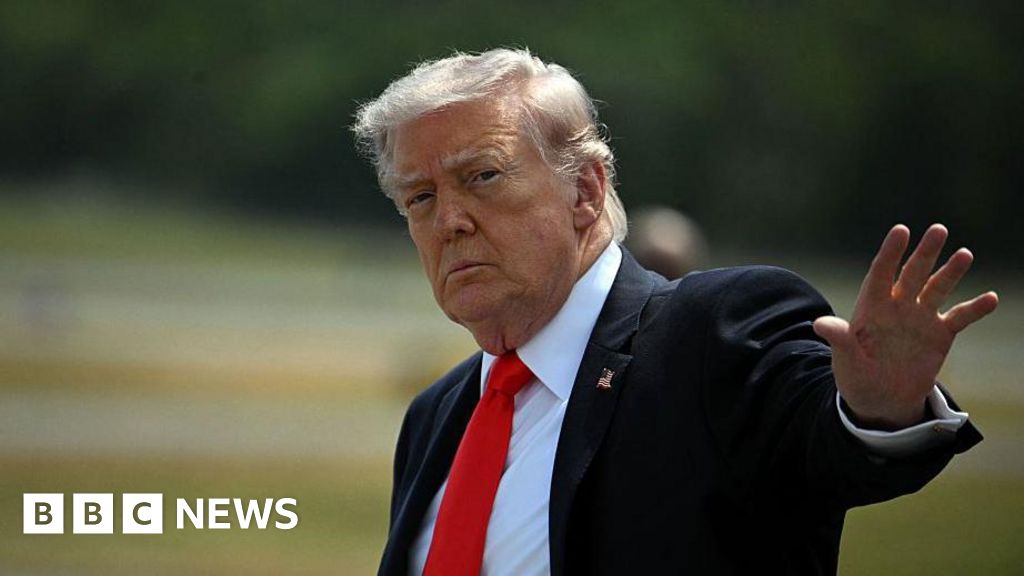
It comes as the US said on Monday it will begin to help “guide” vessels out of the Strait of Hormuz.
Source link
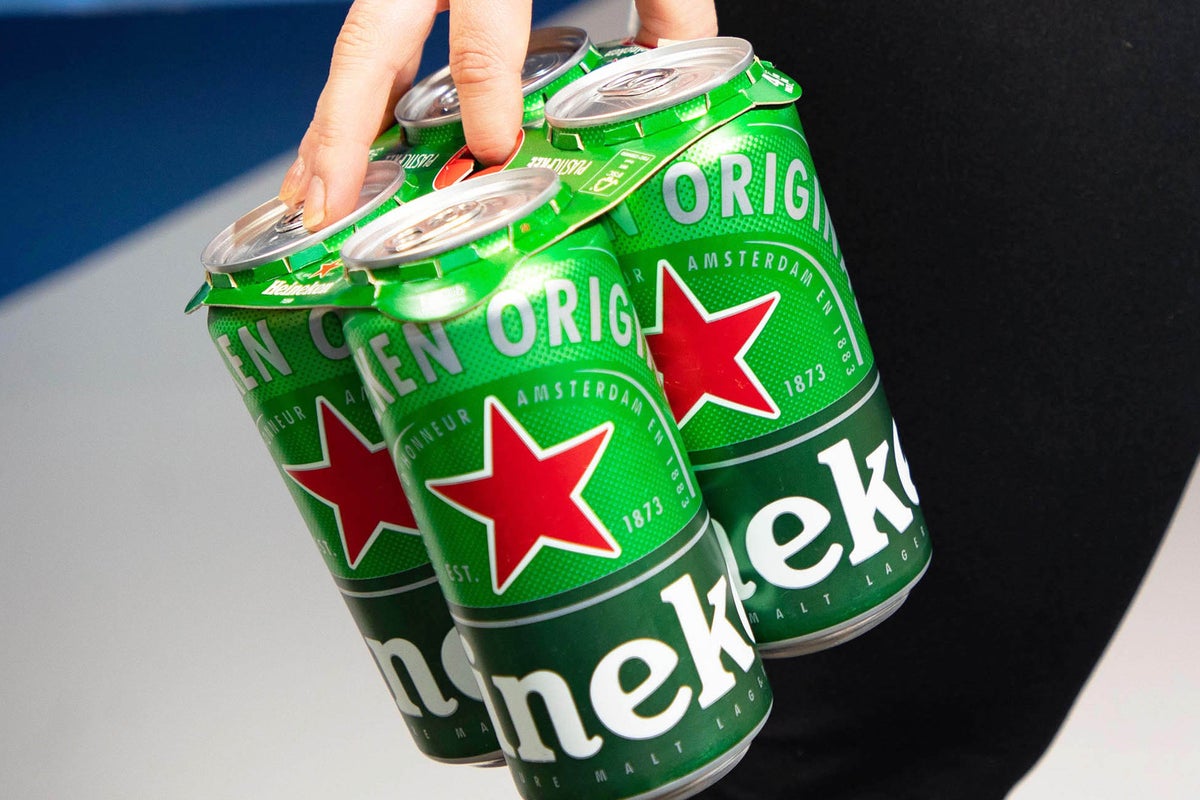
Heineken has revealed plans to invest more than £44 million into improvements for hundreds of its UK pubs.
The Dutch brewing giant said the cash injection into its Star Pubs operation, which runs 2,350 sites across the UK, will create around 850 jobs.
The major investment plan comes despite a challenging backdrop for the pub sector.
Pubs have come under pressure from rising labour costs and increases to national insurance contributions over the past year, while consumer spending has also come under pressure with concerns over inflation and rising unemployment.
However, pubs received additional business rates support from the Government from last month to help ease their cost pressures.
Lawson Mountstevens, Star Pubs’ managing director, said the company’s investment plan is partly aimed at boosting revenues to help the group cope with the recent “sustained increases in running costs”.
The plans will see the business invest £44.5 million this year into upgrades for 647 of its pubs.
It said 108 of its venues will see particularly significant cash injections, with these all set for transformations costing at least £145,000.
Heineken said the majority of pubs are owned by the group but independently operated by locals, with sports-focused venues an emphasis for investment in the run-up to the 2026 football World Cup.
The pub firm and brewer said it has pumped £328 million into British pubs since 2018.
It has already started work in 52 locations, including eight projects where it is reopening boarded-up pubs which have suffered from lengthy closures.
Mr Mountstevens urged the Government to reduce the tax burden on pubs to help ease the cost burden and support more job creation in the industry.
He said: “We can only do so much; the root-and-branch reform of business rates that the industry has been calling for over many years is urgently required, as well as a lowering of the burden of taxation on pubs, including VAT and beer duty.
“We are calling on the Government to support us in bringing out the best in the Great British pub.”

Heineken to boost British pubs with £44 million investment before World Cup

India aligns RoDTEP schedules with amended customs tariff

Emily Blunt celebrates as ‘Devil Wears Prada 2’ dominates box office

-

 Tech7 days ago
A Brain Implant for Depression Is About to Be Tested in Humans
-

 Tech1 week ago
Almost 90% of women leave tech industry within 10 years | Computer Weekly
-
 Business1 week ago
Pakistan’s oil market is fuelling the crisis | The Express Tribune
-
 Business7 days ago
‘I had £20,000 stolen and had to fight a 13-month fraud reporting rule to get it back’
-

 Sports6 days ago
Pro wrestling star Steph De Lander reveals how colleague’s advice helped lead her to title triumph at ACW
-
 Entertainment7 days ago
Norway joins Type 26 Frigate Programme to boost NATO naval power
-

 Entertainment7 days ago
Melania Trump says ABC should ‘take a stand’ on late-night host Kimmel
-
 Tech6 days ago
This Ambitious Laptop Doesn’t Leave Much Room for Your Hands