

Politics
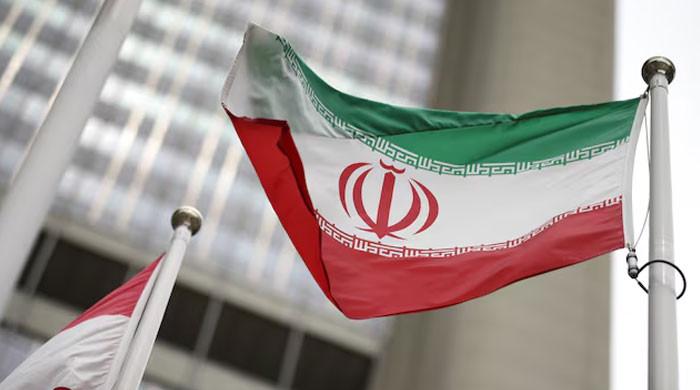
Iran downgrades diplomatic ties with Australia after row over arson attacks

- Iran reciprocally reduced Australia’s diplomatic presence in Iran: FM.
- Canberra’s ambassador had left Iran, confirms foreign minister.
- Tehran rejects antisemitism claims, calls allegations “ridiculous”.
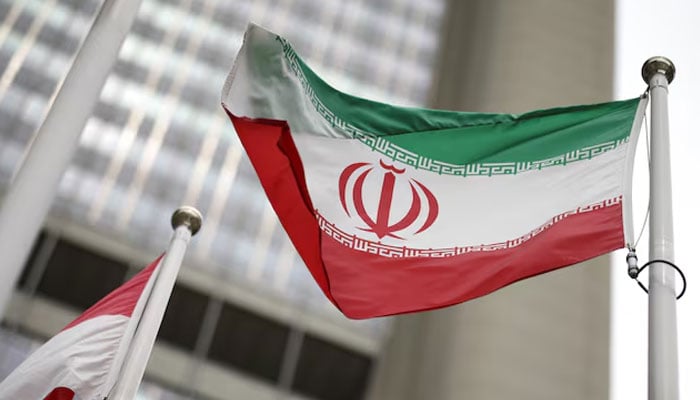
Iran has downgraded diplomatic ties with Australia, its foreign ministry said on Thursday, a week after Australia expelled the Iranian ambassador over accusations that Tehran directed two antisemitic arson attacks in the cities of Sydney and Melbourne.
“According to diplomatic law and in response to Australia’s action, the Islamic Republic has also reciprocally reduced the level of Australia’s diplomatic presence in Iran,” Foreign Ministry spokesperson Esmaeil Baghaei said, adding that Canberra’s ambassador had left Iran.
Australian Prime Minister Anthony Albanese said last week that operations at Australia’s embassy in Tehran were suspended and all Australian diplomats were safe in a third country.
Canberra’s decision to expel the Iranian ambassador, its first such move since World War Two, was the latest example of a Western government accusing Iran of carrying out hostile covert activities on foreign soil.
The Islamic Republic has denied the Australian accusations.
“The accusation of antisemitism against Iran is ridiculous and baseless,” Baghaei said, adding that Tehran does not welcome the deterioration in bilateral relations with Canberra.
Iranian officials said Tehran’s embassy in Canberra was continuing to provide consular services.
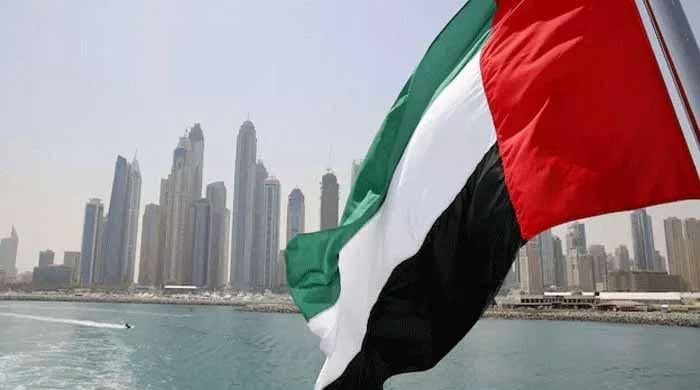
DUBAI: The United Arab Emirates (UAE) has introduced a new federal law aimed at protecting children from online predators, data misuse and harmful digital practices, signalling a tougher global approach to child safety in the digital age.
The legislation seeks to prevent strangers from anywhere in the world from accessing, tracking or interacting with children online, particularly through the collection and use of personal data such as a child’s interests, online behaviour and abilities.
Under the decree-law, digital platforms are prohibited from collecting, processing or sharing the personal data of children under the age of 13, except in limited cases such as educational or health-related services. Children are also barred from creating accounts or accessing online games and digital activities that involve gambling or betting with money.
The law applies to digital platforms and internet service providers operating in the UAE or targeting users in the country, including social media, messaging apps, online gaming platforms, streaming services, search engines and e-commerce websites.
It requires platforms to introduce default privacy settings, age-verification systems, content filtering and age-rating tools, while internet service providers must activate content controls and ensure parental consent for children’s internet use.
A Child Digital Safety Council, chaired by the Minister of Family, has been established to coordinate policy, legislation and awareness campaigns on emerging digital risks.
The decree forms part of the UAE’s broader social policy agenda, following the country’s declaration of 2026 as the Year of the Family, reflecting a wider push to strengthen family and child protection frameworks in an increasingly digital world.
- Syrian interior ministry says 21 others were wounded in explosion
- Local official says blast took place during Friday noon prayers
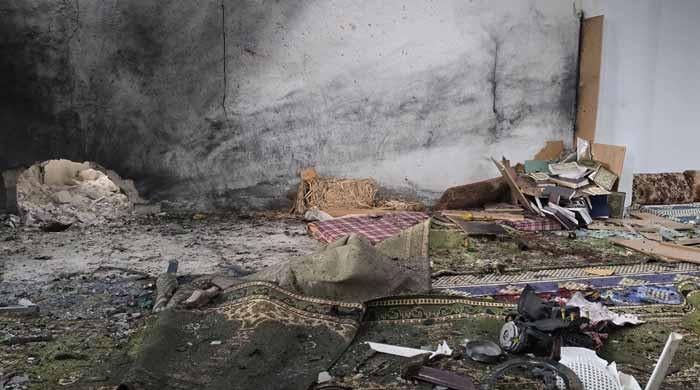
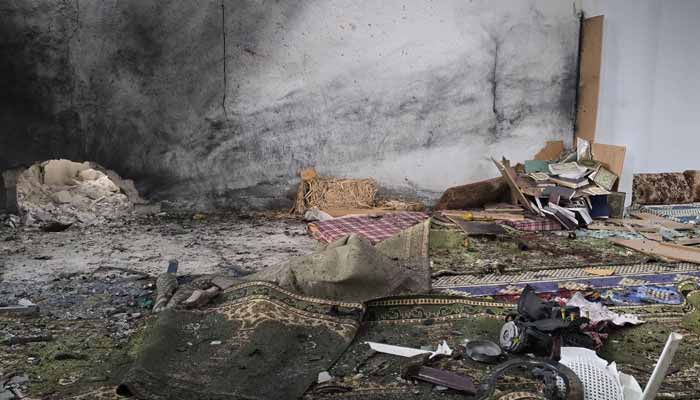
- Black smoke covered part of mosque, with carpets scattered nearby.
A deadly explosion hit a mosque in a predominantly Alawite area of Syria’s Homs on Friday, said authorities who reported at least six people killed.
“A terrorist explosion targeted the Ali Bin Abi Talib Mosque during Friday prayers in Al-Khadri Street in the Wadi al-Dahab neighbourhood of Homs,” the interior ministry said in a statement, adding that six people were killed and 21 others wounded.
Homs was the scene of heavy sectarian violence during Syria’s civil war.
Syria’s state news agency Sana, which also reported the blast, said its cause and nature were being investigated.
According to the Britain-based Syrian Observatory for Human Rights monitor, it was not immediately clear whether the blast “was caused by a suicide attack or an explosive device”.
A local security source in Homs told AFP on condition of anonymity that the explosion may have been caused by “an explosive device placed inside the mosque”.
A resident of the area, requesting anonymity out of fear for his safety, told AFP people “heard a loud explosion, followed by chaos and panic in the neighbourhood”.
“No one dares to leave their house, and we are hearing ambulance sirens,” he added.
Sana published photos from inside the mosque, one of which showed a hole in a wall.
Black smoke covered part of the mosque, with carpets and books scattered nearby.
Since Assad’s ouster in 2024, the Observatory and ordinary Syrians in Homs have reported kidnappings and killings targeting members of the minority community.
Syria’s coastal areas saw the massacre of Alawite civilians in March, with authorities accusing armed Assad supporters of sparking the violence by attacking security forces.
A national commission of inquiry said at least 1,426 members of the minority community were killed at the time, while the Syrian Observatory for Human Rights monitor put the toll at more than 1,700.
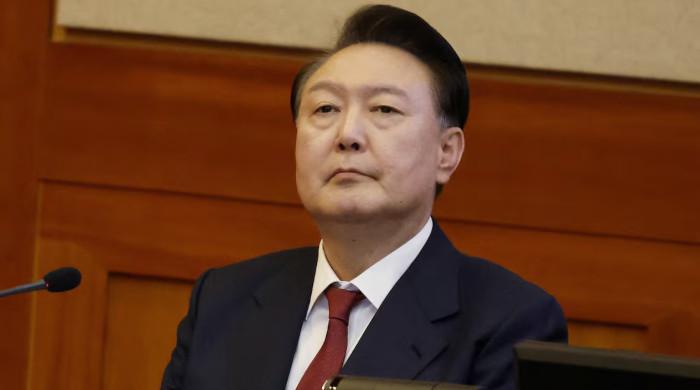
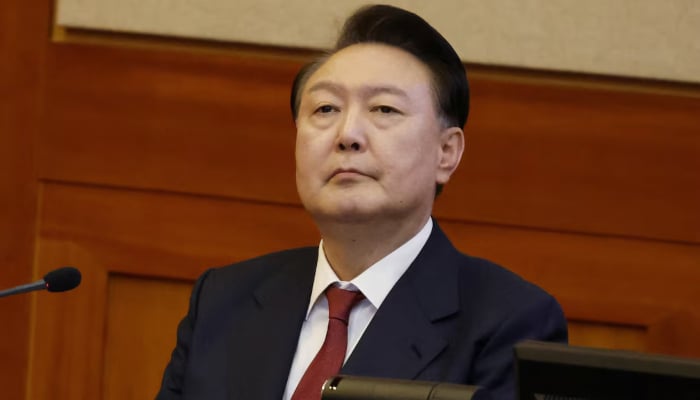
SEOUL: South Korean prosecutors on Friday sought a 10-year prison sentence for ex-president Yoon Suk Yeol, for offences linked to his attempt to impose martial law last year.
Yoon briefly suspended civilian rule in South Korea for the first time in more than four decades on December 3, 2024, prompting massive protests and a showdown in parliament.
Armed soldiers were deployed to parliament under the decree, but the order lasted only around six hours as it was swiftly voted down by opposition MPs, who scaled fences to enter the building. They later impeached Yoon over the martial law declaration.
Since being removed from office in April by the Constitutional Court, he has faced multiple trials for actions linked to his martial law declaration.
The former president was indicted in May for abuse of power over his martial law declaration.
Prosecutors sought a 10-year prison term on Friday for charges including obstruction of justice, after Yoon allegedly excluded cabinet members from a martial law meeting and in January blocked investigators from detaining him.
A Seoul court is expected to deliver a verdict in the case next month, according to Yonhap news agency.
Yoon said this month his decision to declare martial law had been justified in the fight against “pro-China, pro-North Korea, and traitorous activities”.
His three other trials include allegations of leading an insurrection, for which he could face the death penalty if found guilty.
Yoon was the second South Korean president to be removed from office, and the third to be impeached by parliament.


Athletics sign young star to record-breaking $86 million deal: reports

Airlines cancel more than 1,200 flights ahead of winter storm. Here’s what to know

UAE targets online predators and data misuse with child digital safety law

-

 Fashion1 week ago
Indonesia’s thrift surge fuels waste and textile industry woes
-

 Tech1 week ago
T-Mobile Business Internet and Phone Deals
-
 Business1 week ago
BP names new boss as current CEO leaves after less than two years
-

 Sports1 week ago
PKF summons meeting after Pakistani player represents India in kabaddi tournament
-

 Entertainment1 week ago
India streamlines visa rules in boost for Chinese professionals
-

 Sports1 week ago
UWCL grades for all 18 teams: Leuven get A+; Barça an A-, PSG fail
-
Sports6 days ago
Alabama turned Oklahoma’s College Football Playoff dream into a nightmare
-
 Entertainment1 week ago
Radiation fears rise after cracks found in $2 billion Chernobyl shield