Politics
Iran’s top negotiator Qalibaf, FM Araghchi in Qatar amid talks to end war

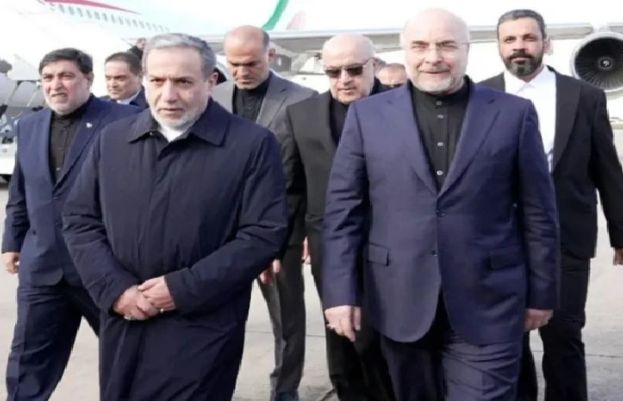

Iranian Parliament Speaker Mohammad Baqer Qalibaf and Foreign Minister Abbas Araghchi are in Doha to hold talks with top Qatari officials amid diplomatic efforts to end the unprovoked US-Israeli war against Iran.
The Iranian delegation, led by Qalibaf as the top negotiator in the talks with the US, arrived in the Qatari capital on Monday as part of an ongoing diplomatic process that began in recent weeks through Pakistan’s mediation efforts aimed at ending the imposed war and has continued since then, IRNA reported.
According to the news agency, the Iranian team is scheduled to hold consultations with senior Qatari officials regarding certain aspects to put an end to the unlawful war of aggression.
Meanwhile, Mehr news agency also reported that the delegation plans to meet Qatari Emir Sheikh Tamim bin Hamad Al Thani.
Mutual issues and topics related to the end of the US-Israeli aggression and the removal of sanctions on Iran are on the agenda of the talks, it said.
It added that Governor of the Central Bank of Iran, Abdolnasser Hemmati, is also accompanying the delegation.
Indirect talks between Iran and the US, mediated by Pakistan and facilitated by Qatar, continue based on the Islamic Republic’s 14-point proposal to reach a memorandum to end the war.
Iranian Foreign Ministry spokesman Esmaeil Baghaei told reporters on Monday that the indirect talks with the United States are centered on ending aggression on all fronts and that the nuclear issue or the management of the Strait of Hormuz are not to be discussed.
On Saturday, Baghaei said Iran and the United States have edged closer to finalizing the 14-point memorandum, halt American maritime aggression, and secure the release of Iran’s blocked assets.
Speaking in a televised interview, he said Iran’s focus at this stage remains exclusively on ending the US-Israel war based on its proposal, which has been shuttled back and forth several times.
The criminal US-Israeli aggression against Iran began on February 28 with airstrikes that assassinated senior Iranian officials and commanders, including Leader of the Islamic Revolution Ayatollah Seyyed Ali Khamenei.
Iranian Armed Forces responded by launching daily missile and drone operations targeting locations in the Israeli-occupied territories as well as US military bases and assets across the region.
Furthermore, Iran retaliated against the strikes by closing the Strait of Hormuz, which resulted in a significant increase in oil prices and its by-products.
On April 8, forty days into the war, a Pakistan-brokered temporary ceasefire between Iran and the US took effect.
Negotiations ensued in the Pakistani capital, Islamabad, but stopped short of an agreement amid Washington’s maximalist demands and insistence on unreasonable positions.