

Fashion
Italy’s Moncler Group’s 9M 2025 revenues hold steady at $2.13 bn

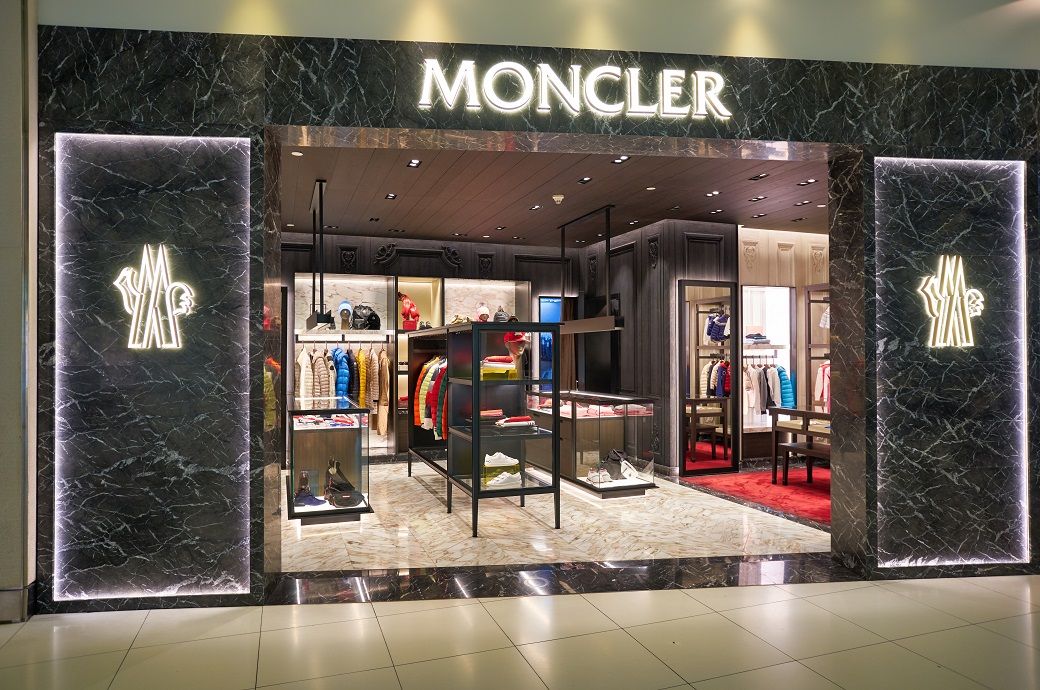
Moncler brand revenues were €1.55 billion (~$1.8 billion), stable at constant exchange rates compared with 2024. In Q3 2025, revenues reached €514.2 million (–1 per cent cFX YoY), supported by sequential gains in both DTC and wholesale channels, Moncler Group said in a press release.
Italian Moncler Group has reported revenues of €1.84 billion (~$2.13 billion) in the 9M 2025, flat at constant exchange rates.
Moncler brand sales totalled €1.55 billion (~$1.8 billion) and Stone Island €288 million (~$334.1 million), with both showing sequential improvement in DTC performance.
The Americas and China outperformed, offsetting softer EMEA and Japan results.
Asia’s revenues increased 3 per cent cFX to €752.6 million, driven by continued strength in China, partially offset by softness in Japan and Korea. Revenues in Europe, the Middle East and Africa (EMEA) declined 4 per cent cFX to €581 million, affected by subdued tourism flows despite a slight sequential improvement. Americas’ revenues rose 2 per cent cFX to €219.6 million, with Q3 growth of 5 per cent cFX driven by double-digit DTC sales.
Moncler brand’s direct-to-consumer (DTC) channel grew 1 per cent cFX to €1,255.4 million, maintaining stable performance through Q3 despite macroeconomic headwinds. Wholesale revenues fell 5 per cent cFX to €297.8 million, reflecting Moncler’s continued focus on distribution quality and network optimisation.
As of September 30, 2025, Moncler operated 294 directly operated stores (DOS), a net increase of seven since June 2025, including a new boutique in Austin and an expanded SKP location in Beijing. The brand also managed 49 wholesale shop-in-shops, five fewer than the previous quarter.
Stone Island recorded revenues of €288.1 million (~$334.1 million) in 9M 2025 (–1 per cent cFX), with Q3 revenues flat year-on-year. Performance was shaped by a robust DTC segment and a wholesale decline due to shipment timing differences between quarters.
Revenues in Asia rose 13 per cent cFX to €74.2 million, driven by strong momentum in China and Japan. EMEA declined 4 per cent cFX to €196.2 million, as robust DTC growth was offset by weaker wholesale sales. The Americas fell 11 per cent cFX to €17.7 million, though both channels improved sequentially in Q3. The DTC channel advanced 9 per cent cFX to €145.1 million, accounting for over half of total sales, while wholesale revenues dropped 9 per cent cFX to €143.0 million due to shipment timing differences but showed sequential improvement during the quarter.
Stone Island operated 92 directly operated stores and 11 wholesale mono-brand stores as of September 30, 2025. Notably, the brand relocated its flagship store in New York City during the quarter.
Meanwhile, in the third quarter (Q3), group revenues totalled €615.6 million (–1 per cent cFX YoY), with Moncler and Stone Island contributing €514.2 million and €101.4 million respectively. Both brands demonstrated sequential improvement in their direct-to-consumer (DTC) channels, reflecting effective execution amid subdued market demand.
“As we close the first nine months of the year, we remain focused on executing our strategy with discipline, agility, and a strong sense of direction – aware of the challenges around us, but even more committed to the opportunities ahead,” said Remo Ruffini, chairman and CEO of Moncler Group.
“Our recently-launched communication campaign Warmer Together celebrates the values that have defined Moncler for over 70 years—love, connection, and a shared sense of warmth—brought to life through the friendship of two legendary Hollywood icons,” added Ruffini. “These same values come to life in Casa Moncler, our new headquarters and a key milestone in our journey. More than just a space, it is a powerful expression of our culture—where creativity meets innovation, and where our people come together with strong energy and a deep sense of belonging to shape the future of our brand.”
Moncler continues to prioritise organic growth, direct engagement through its retail network, and the elevation of its wholesale distribution. The company also published its 2026 Corporate Events Calendar, available on its website under the Investors section, added the release.
“As we close the first nine months of the year, we remain focused on executing our strategy with discipline, agility, and a strong sense of direction—aware of the challenges around us, but even more committed to the opportunities ahead,” said Ruffini.
Fibre2Fashion News Desk (SG)










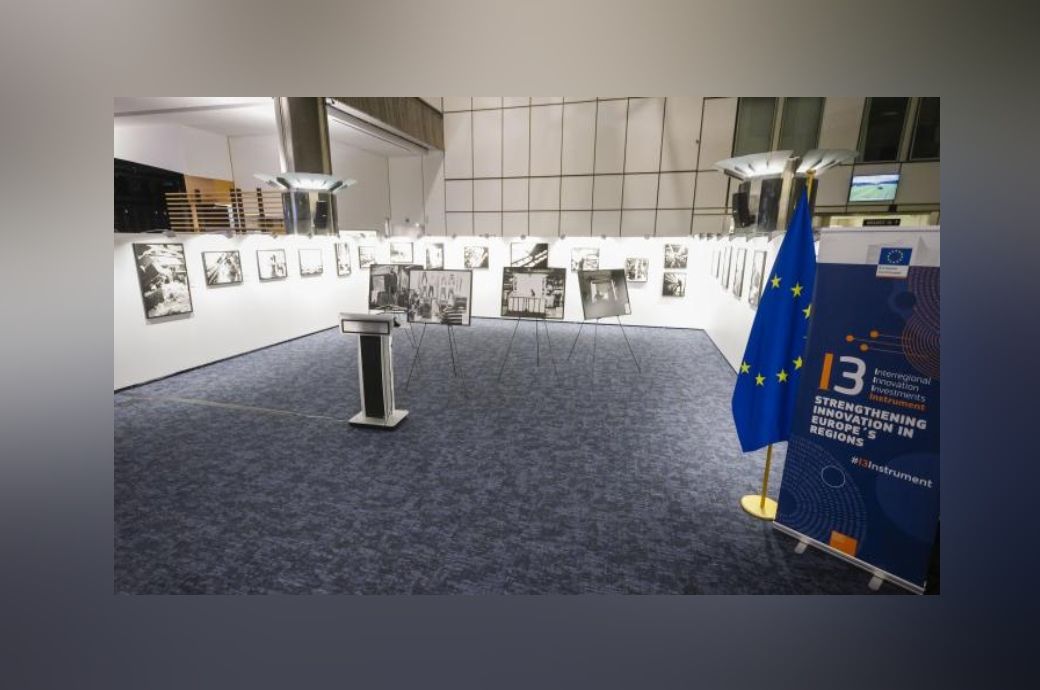
RegioGreenTex was one of the first projects funded under the Interregional Innovation Investments (I3) Instrument programme that focused on process, service and business model innovation, developing advanced textile recycling technologies, regional recycling hubs, and a digital ecosystem for matchmaking and capacity building.
Five regional hubs mapped SME needs and developed services and value chains as well as tools that keep helping SMEs, an official release said.
The RegioGreenTex Digital Tool keeps matchmaking, sharing trainings and hosting the participants’ knowledge base.
The Waste Wizard shows how artificial intelligence-enhanced matchmaking can link leftover textiles with the right reuse or recycling routes.
From recycled-content yarn processes (Tintex) to Recycrom low-impact dyeing (Officina39), ultrasonic quilting for full recyclability (Rovitex) and hybrid recycled-fibre yarns (Hilaturas Mar), the pilots showed concrete, repeatable ways to cut impact without losing performance.
The hubs are now open for collaboration, the digital tools are live and the pilot portfolio is primed for investors and adopters.
Fibre2Fashion News Desk (DS)
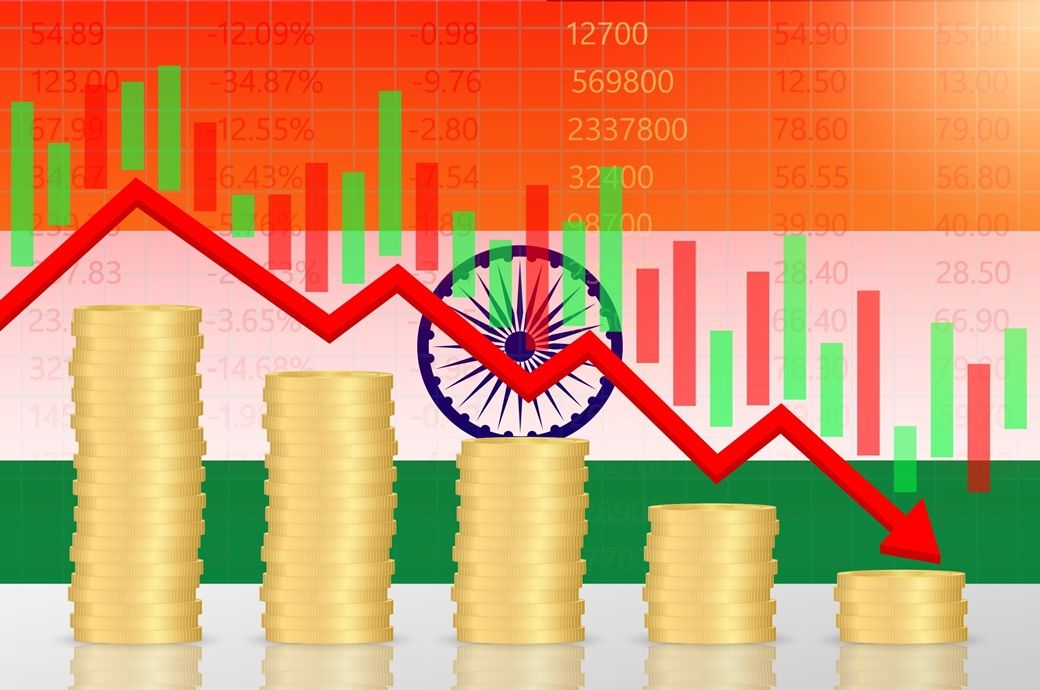
While trends in high frequency indicators for January-February 2026 appear favourable, the heightened uncertainty around the duration of the Middle East conflict casts a shadow on the near-term macroeconomic outlook for India amid high import dependency for items like crude oil, natural gas and fertilisers, it noted.
India’s FY27 GDP growth is likely to slow to 6.5 per cent from the projected 7.5 per cent in FY26 owing to the impact of higher energy prices and concerns around energy availability, ICRA Ratings said.
The heightened uncertainty around the duration of the Iran war casts a shadow on the near-term macroeconomic outlook for India.
If the conflict lasts longer, the adverse effects could widen across sectors.
If the conflict lasts for an extended period, the adverse implications of the same could widen across sectors, amid an uptick in input costs and the consequent impact on profitability of the India corporate sector.
Amid the projected uptrend in the consumer price index-based inflation in FY27 with risks tilted to the upside, ICRA Ratings expects an extended pause on the policy rates by the central bank’s monetary policy committee in the fiscal despite the anticipated softening in the GDP growth. However, it expects the Reserve Bank of India to continue to intervene on the liquidity front during FY27.
The available data for January–February FY2026 indicate a positive trend across most non-agricultural indicators, with the year-on-year performance of 12 out of 18 indicators improving compared to the third quarter of FY26, while the remaining six deteriorated.
Fibre2Fashion News Desk (DS)
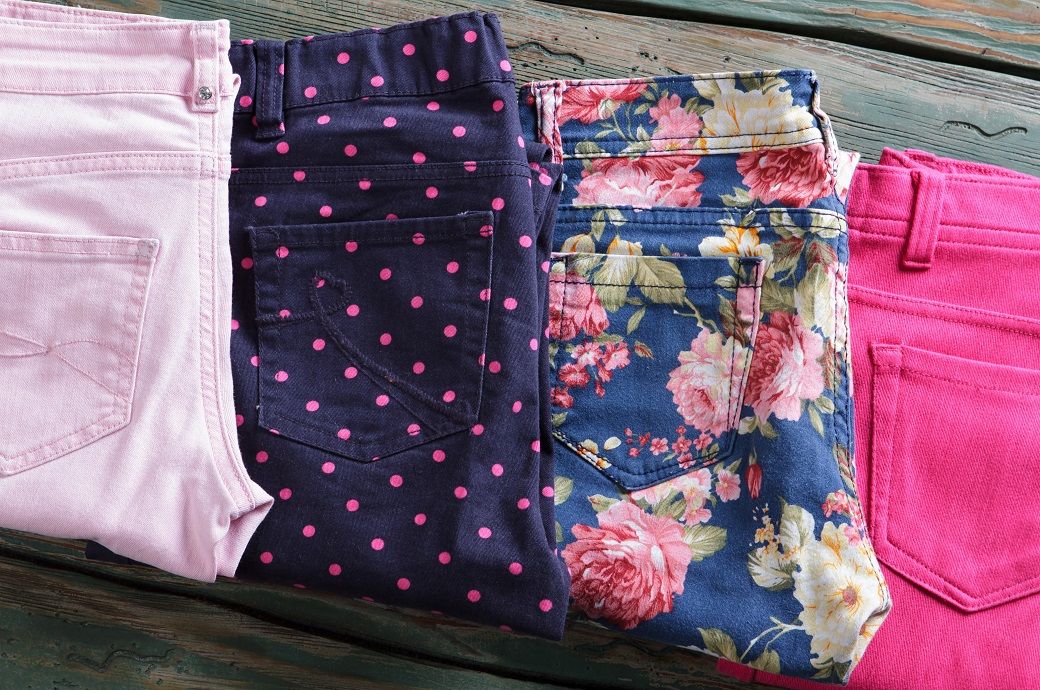
Indonesia’s apparel exports rose modestly to $8.705 billion in 2025 from $8.316 billion in 2024, reflecting gradual recovery.
The US remained dominant, accounting for over 56 per cent of shipments, highlighting growing market dependence.
While Japan, South Korea and Europe offered stability, exports stayed concentrated in key products and segments.
Source link


Iran war worries fail to dampen business sentiment in Japan

EU-funded RegioGreenTex pushes 25 SME pilots to commercialisation

Sean ‘Diddy’ Combs’ prison time gets cut down again

-

 Politics1 week ago
Afghanistan announces release of detained US citizen
-

 Sports1 week ago
Broadcast industry CEO says consolidation is ‘essential’ to compete for NFL soaring media rights prices
-

 Tech1 week ago
Can a Home Appliance Fix the Problem of Soft-Plastic Waste?
-
 Business1 week ago
Property Play: Home flippers see smallest profits since the Great Recession, real estate data firm says
-

 Entertainment1 week ago
UN warns migratory freshwater fish numbers are spiralling
-
 Business1 week ago
Gold prices soar in Pakistan – SUCH TV
-

 Fashion1 week ago
ICE cotton slips on weaker crude, profit booking
-
 Business1 week ago
More women are entering wealth management, but few are in advisory roles, study finds