

Fashion
Japan’s Fast Retailing cuts operational emissions 90% by FY25

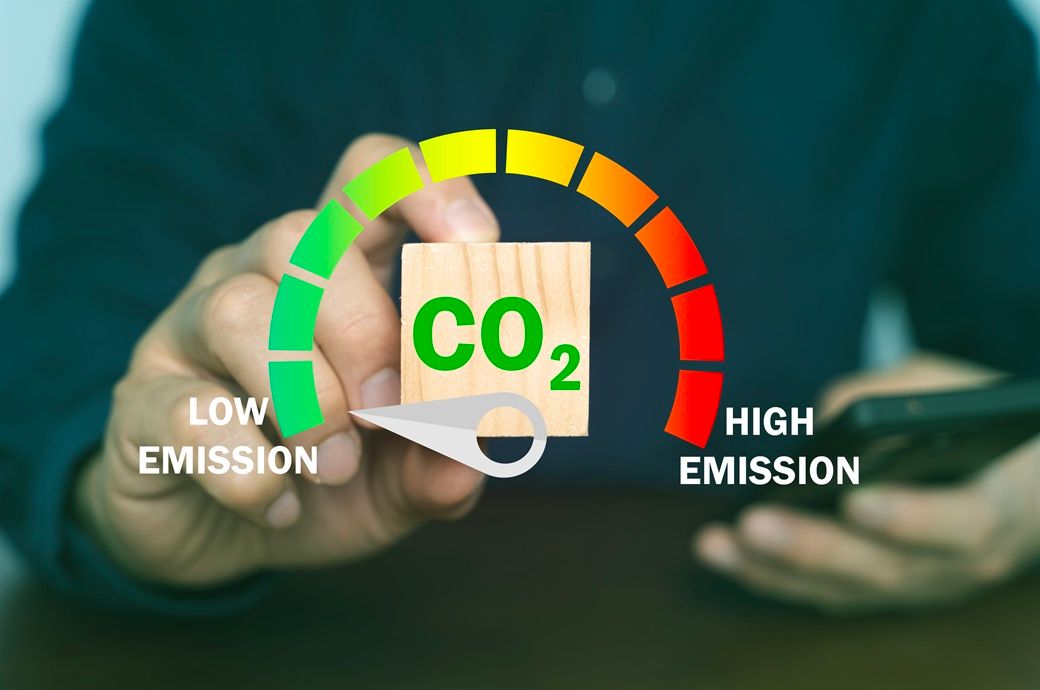
The target, established in 2021, forms part of the company’s broader strategy to accelerate the transition towards a business model that balances sustainability with long-term growth. The reduction applies to, which include emissions from the company’s own operations such as stores and main offices, Fast Retailing said in a press release.
The company said that GHG emissions from energy use at its stores and major offices fell 90.3 per cent in FY25 compared with the FY19 base year, surpassing the original target. The company attributed the achievement to a combination of energy efficiency measures and expanded use of renewable energy across its operations.
Japan’s Fast Retailing has achieved a 90 per cent reduction in greenhouse gas emissions from its own operations in FY25, four years ahead of its FY30 target.
Emissions fell 90.3 per cent from FY19 levels through energy efficiency and renewable energy use.
The company has also raised its supply chain emissions reduction target to 30 per cent by FY30 and aims to achieve net-zero emissions by 2050.
To lower emissions, Fast Retailing implemented several initiatives to improve energy efficiency at stores and offices. These measures include controlling electricity consumption outside business hours and installing air-conditioning systems that automatically adjust to preset temperatures. The company has also expanded the use of renewable energy and promoted the development of energy-efficient roadside stores as part of its store design strategy.
Alongside operational reductions, the company has also strengthened its climate targets across its supply chain. In November 2025, Fast Retailing raised its scope 3 emissions reduction target—which covers emissions from raw material production, fabric manufacturing and garment sewing for UNIQLO and GU products—from 20 per cent to 30 per cent by FY30, compared with FY19 levels.
As of FY25, emissions from raw materials, fabric and garment production had declined 19.9 per cent, reflecting steady progress towards the revised target.
Fast Retailing is also advancing its renewable energy transition. The share of renewable energy used across its stores and major offices worldwide reached 93.5 per cent in FY25, up from 84.7 per cent in the previous fiscal year, moving the company closer to its goal of 100 per cent renewable energy use by FY30.
The company noted that its climate targets have been approved by the Science Based Targets initiative (SBTi) and align with the level of decarbonisation required to achieve the goals of the Paris Agreement.
Fast Retailing said it will continue working with production partners across its global supply chain to further reduce emissions and advance its long-term objective of achieving net-zero greenhouse gas emissions by 2050.
Fibre2Fashion News Desk (SG)









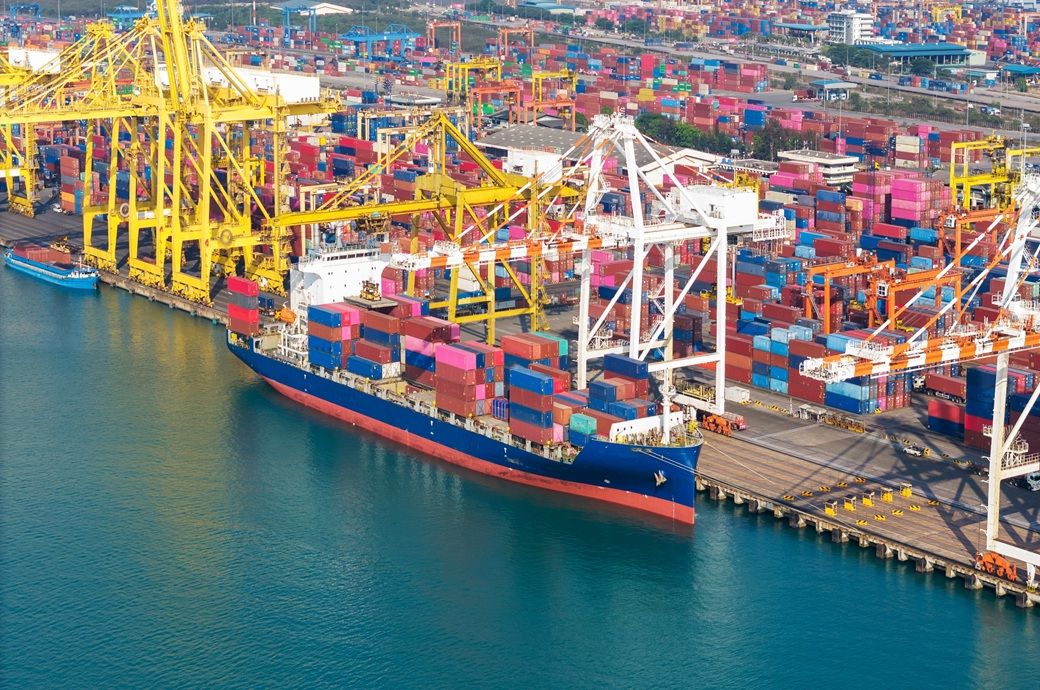
Escalation could interfere with oil and gas shipments passing through the Strait of Hormuz, a critical maritime route, the chamber cautioned.
A prolonged Middle East conflict could push up global fuel prices, raise costs across manufacturing and logistics supply chains, disrupt global trade and affect India’s energy supplies, ASSOCHAM has said.
India, which depends heavily on crude oil imports, may see its current account deficit widen and inflation rise if global oil prices surge, it said.
Energy-intensive industries could face challenges.
India, which depends heavily on crude oil imports, may see its current account deficit widen and inflation rise if global oil prices surge, the industry body said.
“Beyond goods trade, the Gulf is home to a large share of the Indian diaspora, who work in the construction, healthcare, hospitality and tourism industries,” chamber president N K Minda said, drawing attention to remittances from the region.
India imported goods worth about $98.7 billion from the region last year. These included energy, fertilisers and industrial inputs.
Energy-intensive industries could face challenges if disruptions continue, ASSOCHAM noted.
Container shipments and product deliveries across regions are also being delayed.
Fibre2Fashion News Desk (DS)

The agreement strengthens DeSL’s ability to support brands and manufacturers with connected digital workflows spanning product development, sourcing and supply chain operations, while enhancing long-term investment capacity, global reach and access to a broader international presence across key textile and apparel markets.
DeSL has entered a strategic agreement with Textile Solutions Group to strengthen digital capabilities across the textile and apparel industry.
The collaboration will integrate AI-powered PLM with broader manufacturing and supply chain technologies, enabling more connected product development, sourcing and production workflows while accelerating innovation, scalability and global industry reach.
Founded in 2002, DeSL delivers secure, ISO 27001-certified SaaS solutions designed specifically for the fashion and textile industries. Its PLM platform connects people, processes and product data in a unified environment, enabling organizations to manage design, development, sourcing, supplier collaboration, quality and compliance with greater visibility and control.
Colin Marks, Founder and CEO of DeSL, commented:
“Since founding DeSL, our focus has been delivering industry-specific digital solutions that reflect the operational realities of fashion and textiles. Entering this strategic agreement with Textile Solutions Group strengthens our ability to invest in innovation, deepen integration across the supply chain, and support our customers with an even more connected digital ecosystem. We remain fully committed to our customers, our roadmap and the continued evolution of PLM.”
DeSL will continue to operate under its established brand and leadership.
Commenting on the alignment, Anton Hofmeier, CEO of Textile Solutions Group, said:
“We are proud to welcome DeSL’s customers and team into the Textile Solutions Group. This is more than a portfolio expansion — it is a strategic step toward building a more connected digital foundation for the textile and apparel industry. By combining DeSL’s AI-powered PLM expertise with TSG’s deep manufacturing and textile execution capabilities, we are strengthening the connection between product creation and industrial performance. Together, we will help businesses navigate complexity, increase agility, and achieve measurable improvements in efficiency, speed, and sustainability.”
In recent years, TSG has brought together complementary technology businesses spanning enterprise planning, design systems, production execution and operational optimisation, forming a unified digital ecosystem tailored specifically to the textile and apparel industry. DeSL’s PLM capabilities extend this ecosystem upstream into product creation and collaboration, reinforcing continuity from concept through sourcing and execution.
With additional strategic backing, DeSL intends to accelerate investment in AI-powered PLM workflows, advanced sourcing and supplier collaboration capabilities, deeper integration across supply chain systems, and continued enhancement of cloud security and scalability.
The agreement reflects a shared commitment to advancing industry-specific digital solutions tailored to the evolving demands of global fashion and textile businesses.
Note: The headline, insights, and image of this press release may have been refined by the Fibre2Fashion staff; the rest of the content remains unchanged.
Fibre2Fashion News Desk (MS)

Comparable revenue in the D2C segment amounted to €55.9 million (~$64.8 million). Comparable B2B revenue totalled to €147.5 million (~$171.1 million) (-3.4 per cent vs. last year). In the second half of 2025, comparable EBITDA was €47.1 million (~$54.6 million), or 23.2 per cent of comparable revenue.
The D2C segment achieved revenue growth of +5.2 per cent. Brand websites performed strongly in both halves of the year. This positive trend was further supported by ongoing geographic expansion and a strengthened presence on external online marketplaces. In addition to adding new sales points, this aligns with our strategy to further enhance brand experience.
Van de Velde reported second-half fiscal 2025 comparable revenue of €203.4 million (~$235.9 million), down 1.1 per cent, but showing a 1.9 per cent recovery after a weak first half.
D2C revenue reached €55.9 million (~$64.8 million), while B2B totalled €147.5 million (~$171.1 million). Comparable EBITDA was €47.1 million (23.2 per cent margin).
“After a challenging first half of the year, we returned to revenue growth in the second half, driven by lingerie sales. The renewal of our assortment and the further expansion of the Direct-to-Consumer segment to strengthen brand experience are beginning to bear fruit in both the summer and winter seasons. This also translated into higher EBITDA in the second half. In the first half, however, EBITDA decreased due to lower sales in Swim and the impact of high import duties on the US market,” CEO Karel Verlinde said.
Fibre2Fashion News Desk (RR)


St. John’s routs UConn for 2nd straight Big East tourney title

Gulf conflict could disrupt India’s trade, energy supplies: ASSOCHAM

US, China economic chiefs to meet in Paris to clear path to Trump-Xi summit

-

 Politics1 week ago
India let Iran warship dock the day US sank another off Sri Lanka, say officials
-

 Sports1 week ago
Pakistan set for FIH Pro League debut | The Express Tribune
-

 Entertainment1 week ago
Harry Styles kicks off new era with ‘One Night Only’ comeback show
-
 Business1 week ago
Restaurant group changes name after bid to buys pubs across the UK
-
 Business3 days ago
Stock market crash today (March 12, 2026): Nifty50 opens below 23,600; BSE Sensex down over 900 points on continuing US-Iran war – The Times of India
-
 Business1 week ago
Home heating oil: ‘Most of my pension has gone on home heating oil’
-

 Sports1 week ago
Winners and losers of the 2026 NHL trade deadline
-

 Entertainment1 week ago
Kanye ‘Ye’ West trips during trial: ‘Is he asleep?’