Politics
Japan’s ‘Iron Lady’ Takaichi forges stunning election win

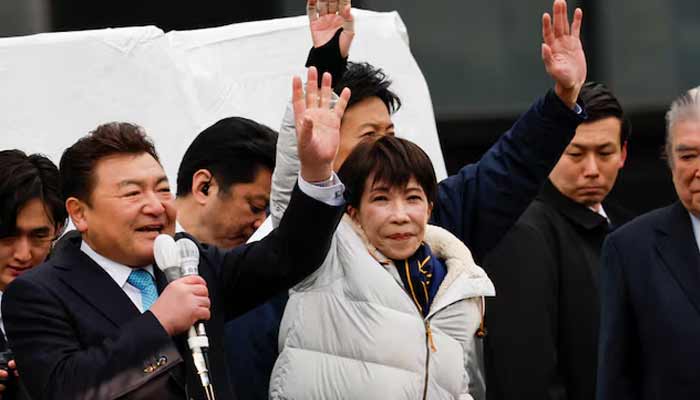
Japanese Prime Minister Sanae Takaichi’s coalition swept to a historic election win on Sunday, paving the way for promised tax cuts that have spooked financial markets.
The conservative Takaichi, Japan’s first female leader who says she is inspired by Britain’s “Iron Lady” Margaret Thatcher, was projected to deliver as many as 328 of the 465 seats in parliament’s lower house for her Liberal Democratic Party.
The LDP alone sailed past the 233 seats needed for a majority less than two hours after polls closed, on track for one of its best ever election results.
With her coalition partner, the Japan Innovation Party, known as Ishin, Takaichi now has a supermajority of two-thirds of seats, easing her legislative agenda as she can override the upper chamber, which she does not control.
Winter election brings blizzard of votes
“This election involved major policy shifts — particularly a major shift in economic and fiscal policy, as well as strengthening security policy,” Takaichi said in a television interview as the results rolled in.
“These are policies that have drawn a great deal of opposition […] If we have received the public’s support, then we truly must tackle these issues with all our strength.”
Takaichi, 64, called the rare winter snap election to capitalise on her buoyant personal approval ratings since she was elevated to lead the long-ruling LDP late last year.
Residents trudged through snow to cast their ballots with record snowfall in some parts snarling traffic and requiring some polling stations to close early. It was only the third postwar election held in February, with elections typically called during milder months.
Outside a polling station in the town of Uonuma in the mountainous Niigata prefecture, teacher Kazushige Cho, 54, braved below-freezing temperatures and deep snow to cast his vote for Takaichi’s Liberal Democratic Party.
“It feels like she’s creating a sense of direction — like the whole country is pulling together and moving forward,” Cho said.
But Takaichi’s election promise to suspend an 8% sales tax on food to help households cope with rising prices has rattled investors concerned about how the nation with the heaviest debt burden among advanced economies will fund the plan.
Takaichi said on Sunday she would speed up consideration of the sales tax cut while focusing on fiscal sustainability.
“Her plans for the cut in the consumption tax leave open big question marks about funding and how she’s going to go about making the arithmetic add up,” said Chris Scicluna, head of research at Daiwa Capital Markets Europe in London.
Taiwan President Lai Ching-te was one of the first foreign leaders to congratulate Takaichi, saying he hoped her victory would “bring a more prosperous and secure future for Japan and its partners in the region”.
Takaichi’s strong mandate could accelerate her plans to bolster Japan’s defences, further angering Beijing, which has cast her as attempting to revive its militaristic past.
Japan’s Defense Minister Shinjiro Koizumi told TV stations on Sunday evening that he wanted to push ahead with policies to strengthen Japan’s defence.