

Entertainment
Jim Carrey once stopped ‘Grinch’ filming for child costar Taylor Momsen

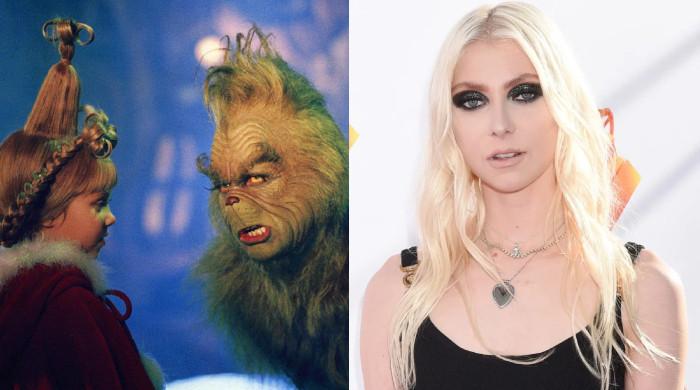
Taylor Momsen has opened up about a tense moment on the set of How the Grinch Stole Christmas, recalling how Jim Carrey once stopped production to ensure her safety during a stunt.
Momsen, who was just 7 years old when she filmed her feature debut, described the scene in Vulture’s oral history of the movie.
“I remember when we were shooting the scene coming down the mountain on the sled. It was this real sled that was up on a giant spring that was being controlled and moving from side to side, very aggressively,” Momsen said.
“There was a moment where I almost fell out of the sled, and he freaked out. He called cut and started checking in on me. I was having a great time. I was laughing; I wasn’t thinking about the fact that I just almost fell very high off the ground.”
She added that Carrey’s presence made her feel safe on set.
“At such a young age, to watch an artist who is that serious at what they’re doing even while playing this very over-the-top character, it was clear to me how much he was putting into it and how much of an artist he was.”
Carrey praised Momsen’s early talent, calling her “an incredibly precocious child” with “comedy timing [that] was impeccable. A total pro. I don’t think she ever went up on a line or missed a cue or anything like that.”
The two recently reunited for the first time in 25 years at the Rock and Roll Hall of Fame Induction Ceremony, sparking nostalgia for fans.
Carrey shared that seeing Momsen again was a joy.
“She has a really powerful manner. I was so glad she’s done so well for herself. She’s been through some challenges in her life and come out the other side. And she brought me a Crunchie, which is my favourite chocolate bar. That was awesome.”
From a young co-star to a successful adult, Momsen’s journey alongside Carrey highlights the bond formed behind the scenes of the beloved holiday classic.
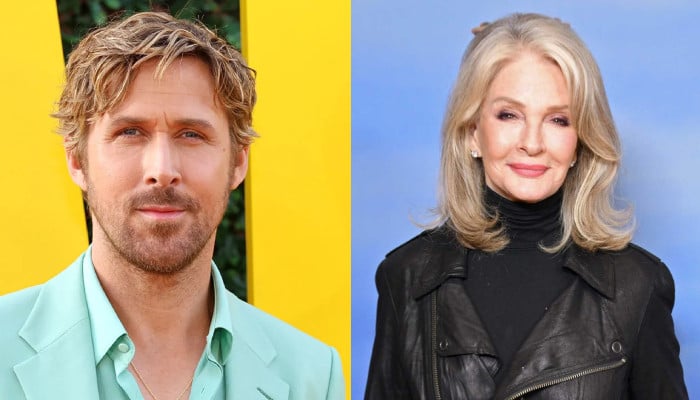
Ryan Gosling, the three-time Oscar-nominated actor has accepted an invitation to visit the set of Days of Our Lives after a heartfelt exchange with the show’s legendary star Deidre Hall that captured Hollywood’s attention this week.
It started when Gosling, appearing on the Happy Sad Confused podcast while promoting Project Hail Mary, spoke warmly about growing up watching the long-running soap and singled out Hall’s portrayal of Marlena Evans as formative viewing.
He was particularly taken by the show’s possession storyline, and used the moment to make a broader point about how underappreciated soap actors are.
“They do not get the love they deserve,” he said.
“The amount they have to memorize the night before, like 10 pages of dialogue. They get one take, and it’s impossible scenarios.”
Watching Hall move between playing an ordinary person and someone “possessed by the devil,” he added, was “an incredible acting class.”
Hall, who has played Marlena since 1976, responded with a video message thanking Gosling and inviting him to come and see the set for himself.
“We’re just thrilled to be acknowledged and to be so well spoken of,” she said, sharing that the cast had watched Gosling’s comments together behind the scenes.
Gosling’s reply, posted to Eva Mendes and Project Hail Mary‘s Instagram accounts, left no room for ambiguity.
“This is a very enthusiastic yes to a very cordial invitation,” he said.
“I will be there to thank you in person… It wasn’t Marlon Brando. It wasn’t De Niro. It was you.” He also called Hall his “OG acting inspiration”, a line that, given the company it puts her in, is quite the tribute.
Project Hail Mary is currently in cinemas, with new episodes of Days of Our Lives streaming on Peacock.
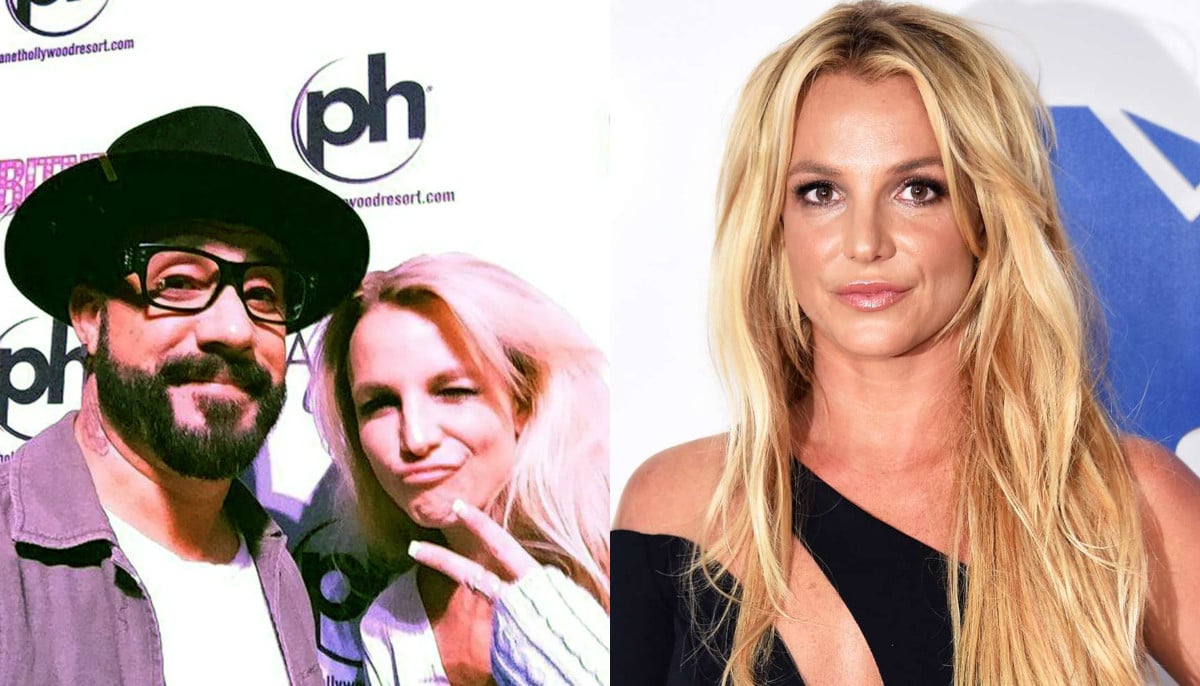
AJ McLean is a friend Britney Spears can lean on during her tough time amid ongoing legal woes after her DUI arrest.
The Backstreet Boys member, 48, spoke in support of Spears during the iHeartRadio Music Awards 2026, as he revealed that they are also neighbours.
“We see each other every so often,” McLean said, adding, “live in the same neighborhood in the same area.”
The singer, who was nominated for the favourite onscreen category at the awards, noted that he “always just give[s] her a hug and check[s] on her” whenever he runs into the pop icon, in conversation with Page Six.
The Everybody hitmaker also added that he wishes “her the best,” without mentioning the arrest. When asked if he has spoken to her recently, he told the outlet that he hasn’t.
This comes after Spears was arrested in Ventura County, California earlier this month after she as caught swerving and speeding allegedly under the influence.
She was later released in the morning and her manager Cade Hudson released an official statement saying her actions were “inexcusable.”
While the Toxic songstress has not addressed the situation herself, an insider spilled that she is devastated and scared beyond measure for what the consequences would be.
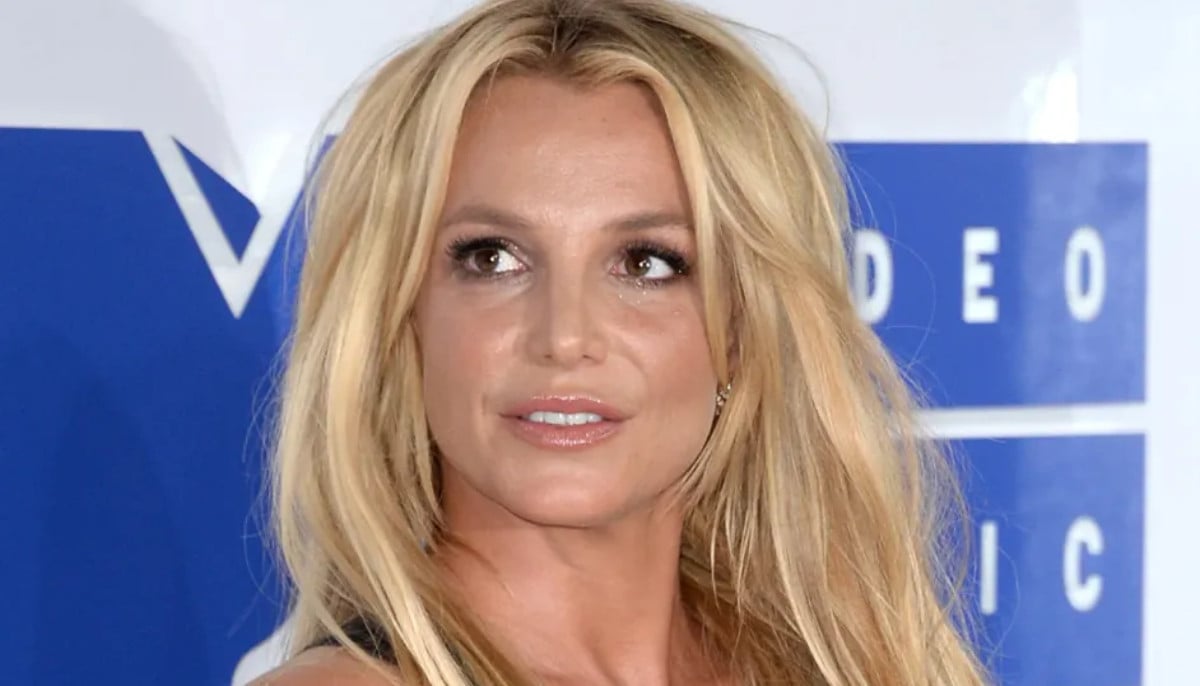
Britney Spears is right now trying really hard to get her life back on track after her recent shocking DUI arrest earlier this month.
The singer, 44, stayed away from alcohol for more than three weeks and is now regularly attending AA meetings in Los Angeles.
According to a source, Britney has been very open during these sessions, “Britney has been very open and honest in her AA meetings, she has said she loves pouring her heart out as she knows that is the best way to heal and feel better,” the insider shared.
They also added that she is being careful and focused on things which matters, saying: “The only thing she has indulged in is fancy coffee drinks. She is being super careful because she wants to be there for her kids.”
Britney is said to be spending time with her two sons more now, Sean Preston and Jayden James, who have been close to her in recent weeks.
Their presence, however, meant a lot to the music icon as she works through this phase.
The Toxic singer’s arrest happened on March 3 and she is expected to appear in court on May 4.
Britney’s team already said that she wants to take the right steps and move forward in a better way.


Tiger Woods arrested at crash scene on suspicion of DUI, sheriff says

Mentor calls Ryan Gosling to ‘Days of Our Lives’ set

AI Research Is Getting Harder to Separate From Geopolitics

-
 Business7 days ago
Flipkart group CFO to leave co amid IPO plans – The Times of India
-

 Fashion7 days ago
China’s textile & apparel exports surge 17% to $50 bn in Jan-Feb 2026
-

 Sports1 week ago
Rating Adidas’ 2026 World Cup away shirts: Argentina, Spain, Mexico and more
-
 Business1 week ago
Video: The Effects of High Oil Prices
-

 Sports7 days ago
American Conference Commissioner Tim Pernetti thanks Trump for Army-Navy game executive order
-

 Fashion1 week ago
The hidden $1.62 war tax now embedded in every garment you source
-
Tech1 week ago
The Corsair 4000D RS PC Case Keeps Your System Cool
-

 Tech1 week ago
‘Uncanny Valley’: Nvidia’s ‘Super Bowl of AI,’ Tesla Disappoints, and Meta’s VR Metaverse ‘Shutdown’