

Fashion
Karl Lagerfeld to open haute gamme apartment building in Lisbon, followed by residences in the Gulf

Published
December 12, 2025
Karl Lagerfeld has revealed plans to open a haute gamme apartment building in Lisbon and new residences in the Gulf, the latest expansion of the designer brand’s growing real estate realm.
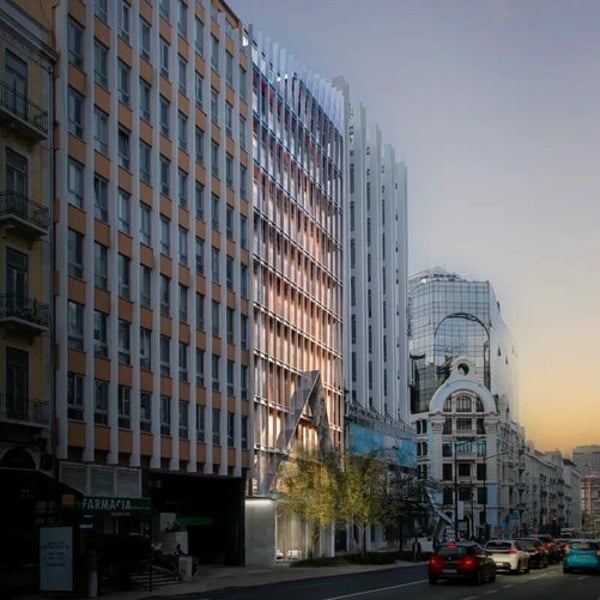
Entitled “Karl Lagerfeld Residences Lisboa”, it will consist of 10 luxurious apartments in central Lisbon, a brand-new building expressing many of the late designer’s ideas on the art of living.
“We insisted on calling it Karl Lagerfeld Residences Lisboa, not Lisbon, to stay true the natural name of the city. This architectural project is from the inside out, not outside in,” insisted Pier Paolo Righi, CEO of Karl Lagerfeld.
Located at 48-50 Rua Braamcamp, it is quipped with a Bauhaus-style garage; clean modernist entrance; and wellness that features spa, sauna and treatment room – all designed to capture Karl’s famous polymath style. There is even an underwater sound system in the pool, like the one Karl installed in his Biarritz hose.
“Our goal is to take the Karl Lagerfeld legacy into the future. What he stood for and still stands for – the personality of a polymath, fashion designer, photographer, and expert of architectural space,” added Righi, in an exclusive interview inside the brand’s Paris HQ in Saint Germain.

In parallel, the house announced that it had signed a deal with AARK Developers to develop Karl Lagerefld Residences, a beachfront residential project in Ras Al Khaimah (RAK), ideally located on Al Marjan Island.
Valued at over $1.4 billion, this iconic ultra-luxury waterfront development is set to redefine beachfront living in the UAE and is scheduled for completion in 2028, delivering a collection of 663 sea view residences. The residences range from one to four bedrooms, with select residences offering private pools.
The new building in Portugal also bears the imprint of Caroline Lebar, Karl’s right-hand woman for some 40 years at his own house. These residences also incorporate brand new sustainable technology, something Karl would have loved,” noted Lebar, holding up a square of photovoltaic glass from Saint Gobain. It will be used on the exterior walls of balconies on every floor, which each feature splash pools.
“The photovoltaic glass will create energy to light up each apartment. That’s beauty and sustainability amplifying each other. Karl would have loved that. Nothing he liked more than finding new solutions for everything,” smiled Lebar, noting that staff will also be attired by Karl Lagerfeld.
The project is a licensing agreement with Overseas, a local developer, and with The One Atelier, an architectural project that has been working so closely with the fashion house. The 10 apartments vary in size from 230 to 380 square-meters.

“We suspect buyers will be from an international audience, as Lisbon is an attractive place for real estate right now,” added Righi, who declined to provide a price estimate. But considering that high-end real estate is selling from €20,000 up per square meter in that district, this is a €60 million-plus project. The building, which is scheduled to open in January 2028, carefully dovetails with the local vernacular and buildings beside it.
On one side a landmark 1972 department store, on the other a ’60s structure with hints of Bauhaus. Their difference in heights is bridged with staggered columns, while the residences are finished in the shade of red Karl used to finish off his brilliant sketches. The façade is completed in ceramic tiles – another link to Portugal. And to Iberia, since the same tiles we will used in a KL project Marbella.
Elsewhere on planet earth, construction work is advanced on Lagerfeld residence in Dubai, due to open in 2027, while a third project is well advanced in Marbella, with the first of five luxe villas due for occupancy in summer 2026.
The whole roll into real estate began with the The Karl Lagerfeld in Macao, a pure hotel with no dual use residential element that blends rock chic and Chinoiserie.
“It has a very high occupancy rate since it opened three years ago. We love that the consumer loves us. It has been first ranked on Trip Advisor this year out of 120 hotels in Macao!” enthused the CEO.

All a great testament to the pulling power of Karl’s name and what he stood for; and an expression of his wide-ranging DNA which few brands can tap into and translate it into cool spaces.
In terms of fashion, Karl Lagerfeld overall has been, “growing decently in single digits” in 2025, said Righi, cautioning that growth is “harder earned than ever.”
The house has been skilfully riding out the currently bearish international fashion market, aided by investment in
KL Jeans. With a local partner, the brand opened 12 new stores this year, particularly in Latin America, in places like Chile, Panama and Ecuador.
“There is a big Lagerfeld family in Latin America. All these stores are working very, very well. We plan to open the same number next year in the region,” he noted.
“I think there is a very good halo effect on the brand; as it can tap into his different points of interests. And that makes people realize Karl was so much more than a fashion designer. He could touch so many different socioeconomic groups – from KL to Chanel, from Fendi to H&M. Plus, the unexpected choice of working with Paris Hilton in our campaigns has worked very well. It’s very Karl. He would have picked the unexpected candidate,” noted Righi.
The sharply shot black-and-white fall 2025 ads riff on the house’s neo-expressionist codes, the mood aided by the fact that unbeknownst to the house, Paris has been a major Lagerfeld fan for many years.
“We visited her new her place three weeks ago in Beverly Hills. She has just bought her neighbor Mark Wahlberg’s house and moved her furniture right next door. Anyway, she showed us photos of her dad and kids in Karl Lagerfeld. She has been buying the brand for years, which feels special and genuine,” mused Righi, looking dapper in a pale gray chalk-stripe gangster/banker suit.
Copyright © 2025 FashionNetwork.com All rights reserved.










The increase was driven primarily by higher reinvested earnings and intra-company loans, indicating continued engagement by existing investors with Bangladesh.
Reinvested earnings rose by 318.25 per cent, from $103.79 million in 2024 to $434.10 million in 2025, while intra-company loans increased by 25.68 per cent, from $621.96 million to $781.68 million.
Bangladesh’s net FDI inflows increased by 39.36 per cent last year to $1,770.42 million compared with $1,270.39 million in 2024, the Bangladesh Bank said.
The increase was driven primarily by higher reinvested earnings and intra-company loans.
Reinvested earnings rose by 318.25 per cent, from $103.79 million in 2024 to $434.10 million in 2025, while intra-company loans rose by 25.68 per cent.
Equity capital remained broadly stable, rising by 1.84 per cent, from $544.64 million to $554.64 million in 2025, a release from Bangladesh Investment Development Authority said.
Greenfield project announcements declined by 16 per cent in 2025.
Fibre2Fashion News Desk (DS)
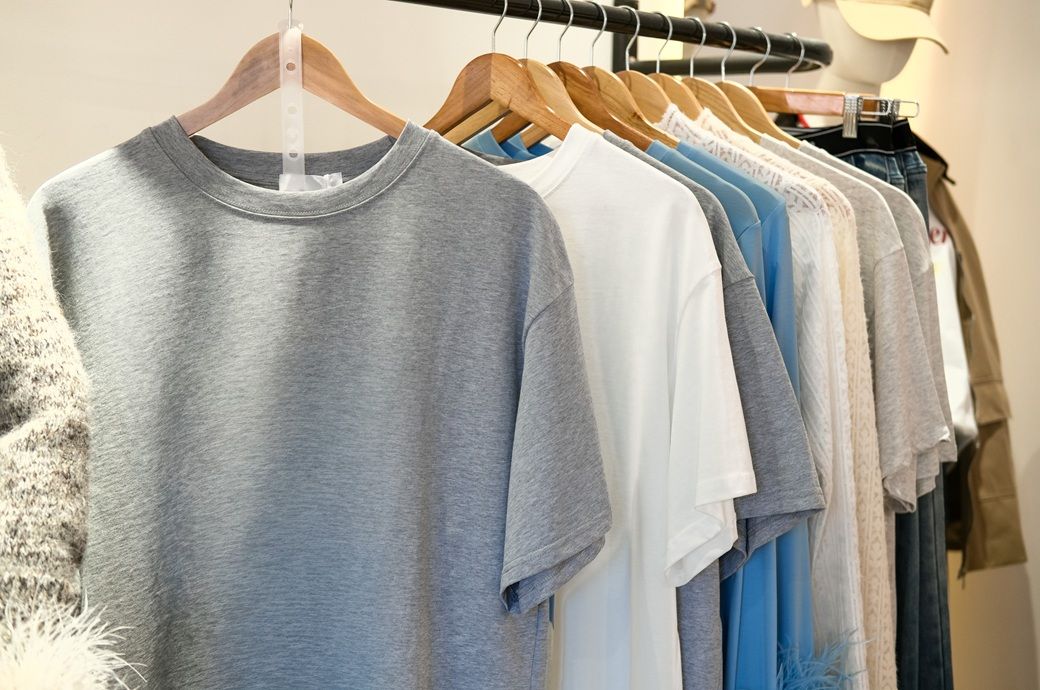
The company’s adjusted EBITDA, excluding Employee Stock Option Plan (ESOP) expenses, rose around 14 per cent YoY to ₹468 crore, while EBITDA margin improved by 20 basis points to around 9.3 per cent. Excluding the reciprocal tariff impact of around ₹36 crore and incremental losses of around ₹13 crore in Bihar and Guatemala, adjusted EBITDA margin stood at around 10.3 per cent.
Pallab Banerjee, managing director, Pearl Global Industries, said: “FY26 marked the company’s second consecutive year of double-digit growth and improved profitability. This performance further solidifies the position of Pearl Global’s diversified operating model and disciplined execution across geographies.”
Pearl Global Industries has reported its highest-ever FY26 revenue of ₹5,025 crore (~$523.93 million), up 11.5 per cent YoY, driven by volume growth and value-added products.
PAT rose 17 per cent to ₹270 crore (~$28.15 million), while Q4 revenue hit ₹1,314 crore (~$137 million).
The company shipped 78.1 million pieces.
Its net worth stands at ₹1,438 crore (~$149.93 million).
He said that geopolitical shifts and Gulf conflicts could lead to energy cost escalation, affecting raw material and logistics costs. However, the company remains prepared to manage these headwinds, supported by its diversified manufacturing base, strong order book, and broad market presence.
The profit after tax (PAT) increased 17 per cent YoY to ₹270 crore (~$28.15 million), the company said in a press release.
On a standalone basis, FY26 revenue stood at ₹1,081 crore, while adjusted EBITDA was ₹67 crore, with EBITDA margin improving by 60 basis points to 6.2 per cent, mainly due to cost restructuring. Standalone PAT rose to ₹69 crore from ₹55 crore in the previous year.
The company’s net worth stood at ₹1,438 crore (~$149.93 million) as of March 31, 2026, compared with ₹1,146 crore a year earlier.
“In FY26, Group delivered another year of resilient performance against a complex geopolitical backdrop. Group achieved, among others, two major milestones this year: revenue crossed INR 5,000 crore mark and installed capacity surpassed 100 million pieces per annum,” said Pulkit Seth, vice-chairman and non-executive director, PGIL.
Seth added that the global apparel industry faced tariff-related disruptions during FY26, with the company’s India operations impacted by tariffs and penal duties imposed by the US. However, he added that Pearl Global leveraged its diversified, multi-country manufacturing presence to mitigate these challenges and deliver double-digit growth.
For the fourth quarter (Q4) of FY26, PGIL posted its highest-ever quarterly revenue of ₹1,314 crore (~$137 million), up 6.9 per cent YoY. Adjusted EBITDA rose 13.7 per cent to ₹135 crore, with margin at 10.3 per cent, the highest EBITDA margin recorded by the company in any quarter. PAT for the quarter stood at ₹81 crore, up 24.6 per cent YoY, PGIL said in a press release.
Standalone revenue during the quarter stood at ₹304 crore, adjusted EBITDA at ₹24 crore, and PAT at ₹14 crore.
PGIL shipped its highest-ever volumes in Q4 FY26 and FY26, at 22 million pieces and 78.1 million pieces respectively. Its annual installed capacity crossed 100 million pieces, reaching around 101 million pieces.
The ongoing capex in Bangladesh is expected to be completed by the first half of FY27 and will add around 6-7 million pieces of capacity during the year.
Fibre2Fashion News Desk (SG)
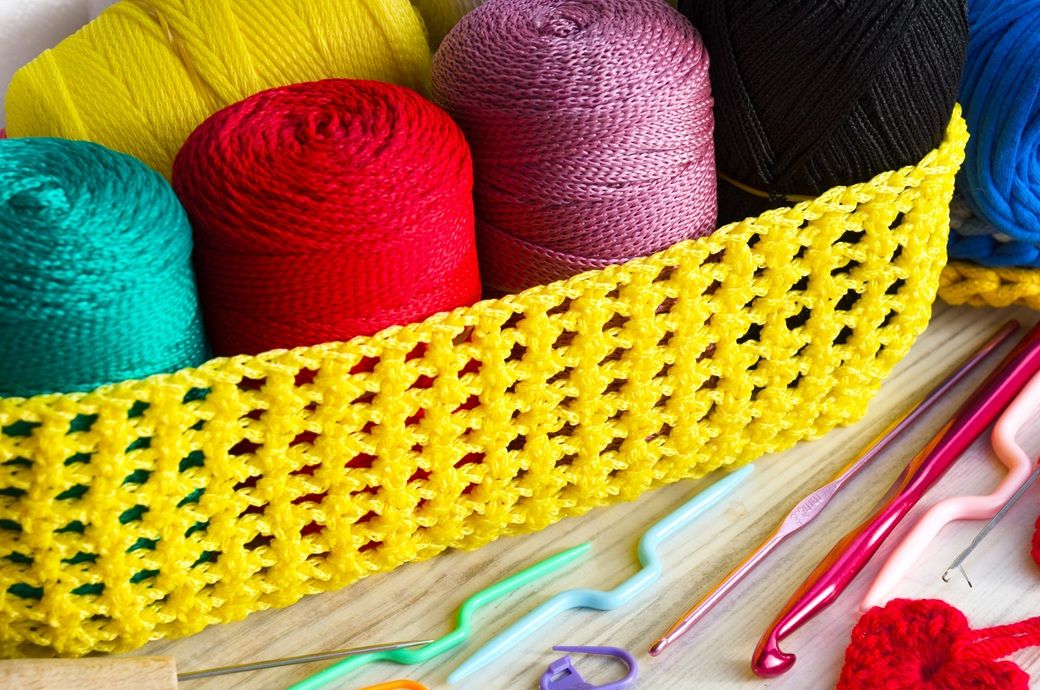
PTA prices recorded notable declines across key Asian benchmarks, tracking crude oil weakness rooted in evolving geopolitical signals. The correction was broad-based, spanning China, Southeast Asia, and South Korea, while India**;s CIF price held steady reflecting the lag in import contract structures and limited spot availability in the domestic market on the day.
The *** per cent Polyester Yarn market witnessed a slightly negative trend during the assessed period, with mild price corrections observed across both yarn grades in the Asia Free on Board (FOB) China market. Prices for **s (*** per cent polyester yarn) declined from around $*.***/kg to nearly $*.***/kg, registering a decrease of approximately *.** per cent.


Bangladesh net FDI inflows up 39.36% in 2025

US weighs drone threat from Cuba: report

India’s Pearl Global’s FY26 revenue crosses $521 mn milestone

-

 Entertainment5 days ago
Conan O’Brien hat tricks as Oscar host
-

 Tech1 week ago
Could Contact-Tracing Apps Help With the Hantavirus? Not Really
-

 Tech1 week ago
I Tried the Best Captioning Smart Glasses, and Only One Leads the Pack
-

 Fashion5 days ago
Italy’s Zegna Group’s Q1 growth boosted by strong organic performance
-

 Sports1 week ago
Bobby Cox, legendary Atlanta Braves manager who led 1995 World Series champions, dead at 84
-

 Entertainment1 week ago
Martin Short: Facing tragedy with joy
-

 Entertainment1 week ago
Tom Brady gets back at Kevin Hart during Netflix roast
-

 Entertainment1 week ago
Martha Stewart: How to make an omelet