

Fashion
Lab-grown gems are robbing Botswana of its diamond riches


By
Bloomberg
Published
September 2, 2025
Across Botswana the lines of patients outside government clinics are lengthening, construction companies dependent on state jobs are firing workers and university students are threatening to boycott lectures after not getting the allowance increases they were promised.
The economic slowdown is a sharp reversal from just a few years ago when the world’s richest diamond deposits allowed the sparsely-populated desert nation of 2.5 million people to invest in free and efficient healthcare and plow money into funding tertiary education for students both at home and abroad. Its robust finances allowed it to provide for its citizens in a way that made it the envy of southern Africa.
The discovery of gems in 1967 transformed what was a rural backwater with, at the time of independence from the UK a year earlier, only a few miles of tarred road into the richest nation per capita on the sub-Saharan African mainland. Six decades later a diamond-market crisis has turned that find into an affliction and a cautionary tale of what can happen to an economy that becomes overly reliant on one commodity.
“For decades, we have leaned and relied heavily on diamonds. While they served us well, we know painfully today that this model has reached its limits,” President Duma Boko, 55, said in an August speech. “This is no longer an economic challenge alone; it is a national social existential threat.”
The market for natural diamonds is in crisis, with cut-price lab-grown equivalents hitting demand particularly hard in the US, the biggest market for the gems. They accounted for almost half of engagement ring purchases last year compared with 5% in 2019, according to jewelry insurer BriteCo Inc. The collapse of the luxury retail sector in China and the impact US tariffs have had on trade have also hurt the industry.
While lab gems can be produced in weeks or months, the formation of natural diamonds, made of crystallized carbon formed under extreme pressure and heat deep beneath the earth’s surface, can take billions of years before volcanic eruptions propel them upwards to depths where they can be mined or found on ocean or river beds. They also cost many times as much as their synthetic rivals.Their increasing popularity is creating the biggest disruption in the market since abundant alluvial diamonds were discovered on Namibia’s beaches early last century, causing prices to plunge, according to mining historian Duncan Money.
It’s choking off the revenue that accounts for 80% of Botswana’s exports and a third of government income. After repeated write-downs of its value Anglo American Plc is looking to sell De Beers, the world’s biggest diamond company that mines almost all of Botswana’s gems in a venture with the government.
Boko’s administration, which in October displaced a political party that had ruled since independence, is scrambling.
In July, the government engaged Malaysia’s PEMANDU Associates to advise on accelerating economic diversification and on Aug. 21 Boko took to Facebook to announce a plan for a little-known Qatari group, Al Mansour Holdings, to invest $12 billion. There was scant information about how the capital will be deployed and the same group has in recent weeks promised more than $100 billion in investment across six African countries, raising questions about the credibility of the pledge.
The president on Aug. 25 declared a public health emergency and implored pension funds and insurers to help fund the response. Government has frozen recruitment and there are shortages of medication, medical supplies and equipment, according to Kefilwe Selema, president of the Botswana Doctors Union.
“The situation is very bad,” said Galeemiswe Mosheti, a 42-year-old diabetes-sufferer who arrives at a government clinic in the capital Gaborone, at 8 a.m. and can wait as long as eight hours for his medicine compared with just an hour a year ago. “We’re spending long periods in the queue and our jobs suffer,’’ said the taxi driver who loses income every time he fetches waits to be attended to.
For construction companies dependent on government work the situation is no better.
“Most of our members have had to retrench workers,” said Tshotlego Kagiso, chairman of the Tshipidi Badiri Builders Association, the country’s largest building contractors organization, which before the current downturn had more than 800 members, some of whom can no longer afford their membership fees.
“The majority have suspended operations and many have closed altogether due to slower government spending,” he added, saying thousands of workers have lost their jobs without being able to be more specific.
The country’s economic statistics tell a story of rapid decline and belie De Beers’ marketing catchphrase, ‘A diamond is forever.’
The International Monetary Fund forecast Botswana’s 2025 fiscal deficit climbing to 11% of gross domestic product. That’s the largest budget gap since the global financial crisis in 2009, and the biggest in sub-Saharan Africa this year. Government debt will rocket to 43% of GDP in 2025, about doubling the ratio in just two years, according to data from the Washington-based lender, and exceeding a legislative limit.
In June, the finance ministry abandoned a forecast of 3.3% growth in 2025 and instead said the economy may contract 0.4%, foreign reserves have slumped 27% over the last year and Citigroup Inc. in July forecast Botswana will need to keep devaluing its managed currency, the pula. A first ever mid-term budget review is planned for as early as next month and Debswana, the country’s joint venture with De Beers, is operating at about 60% of capacity.
Botswana is “experiencing a significant decline in revenue inflows resulting in massive liquidity challenges that threaten financial stability and sustainability of government business operations,” Finance Ministry Permanent Secretary Tshokologo Kganetsano told a parliamentary committee in June.
Already, after years of limited borrowing, the country is turning to debt. It secured $304 million from the African Development Bank in May and $200 million from the OPEC fund in July and plans a domestic bond roadshow for investors on Tuesday. Its investment grade credit rating, the highest in Africa, is under threat with both Moody’s and S&P Global Ratings this year cutting its outlook to negative.
“The diamond sector is under severe pressure — both prices and volumes,” Ravi Bhatia, director and lead analyst at S&P Global Ratings, said in an interview. “They’re doing a combination of trying to diversify, fiscal consolidation and also austerity.”
While Botswana’s governments have been talking about economic diversification since the country’s first president, Seretse Khama, set up the Botswana Development Corp. in 1970 to develop copper mining and beef production, little progress has been made.
Tourism, focused on luxury safaris in the country’s Okavango Delta wetlands and a wilderness that boasts the world’s largest elephant population, is the second-biggest contributor after diamonds, accounting for just 12% of GDP. Some copper mines are being developed while huge coal deposits, barely exploited, can no longer attract the funding needed for extraction.
That’s left more than two fifths of the population under the age of 24 unemployed, according to the International Labour Organization, with the diamond mines only employing a few thousand people, and reliant on government largesse. That’s a situation Boko described as “a huge risk,” in a January interview with Bloomberg.
“We must now focus on job creation,” Boko said as he laid out ambitious plans for investment in renewable energy, technology and agriculture.
What he hadn’t bargained for was that there would be no money to pay for it.
While many other countries are reliant on a single commodity for the bulk of their earnings and go through cyclical downturns, for example oil-reliant Nigeria and Angola, for Botswana the outlook is bleaker.
“The difference with the oil cycle is that diamond prices are unlikely to ever come back,” said Charlie Robertson, author of The Time Travelling Economist, a book on how developing economies industrialize. “Its economic model is likely to cease being one of the shining lights on the African continent.”








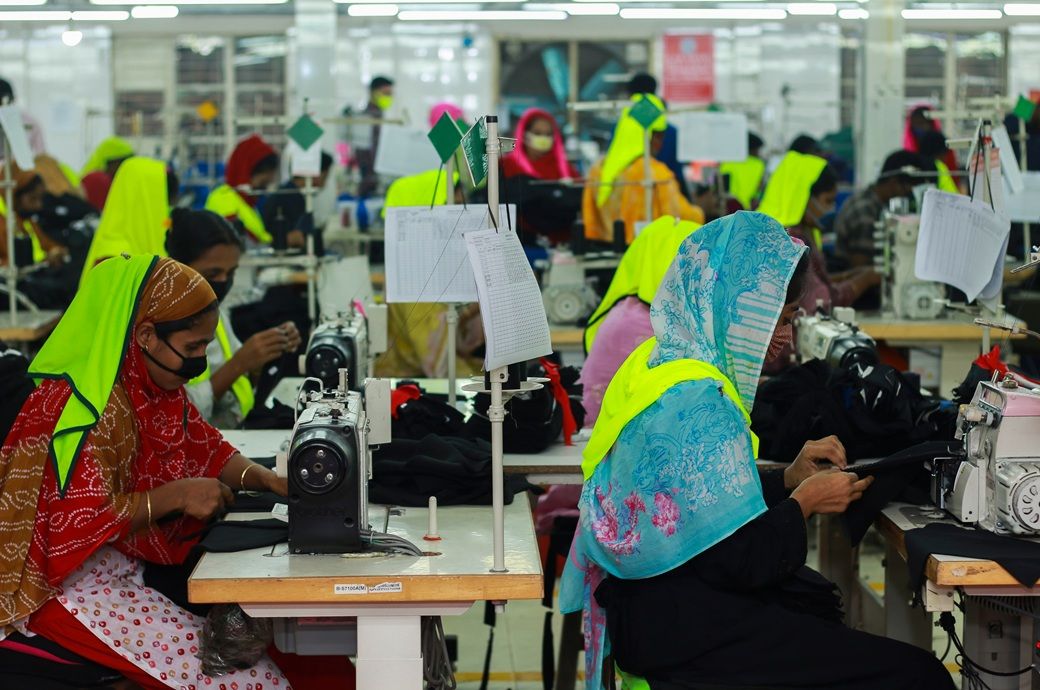
The call came at a national consultation in Dhaka on the draft Bangladesh National Strategy on Circular Economy for the sector.
Bangladesh government officials, industry leaders and sustainability experts recently called for finalising a national circular economy strategy for the textile and RMG sector as that is essential to protect competitiveness in the global apparel market.
They emphasised the need to embed circular practices across the entire value chain while improving transparency and building institutional capacity.
The event was organised by the United Nations Industrial Development Organisation (UNIDO) and the country’s Ministry of Commerce, in collaboration with Chatham House, under the Switch to Circular Economy Value Chains (SWITCH2CE) project, co-funded by the European Union (EU) and Finland.
SWITCH2CE project partner Chatham House worked with two leading national research organisations in Bangladesh to conduct two policy level research, and lessons from the pilot projects outlined future steps to foster a national circular textile strategy for Bangladesh, a release from SWITCH2CE said.
Through SWITCH2CE, technical support has been provided by Chatham House and a diverse network of partners, including international brands, research institutions, and financing organisations, working alongside local industry actors and technology providers.
Participants emphasised the need to embed circular practices across the entire value chain—from design and production to waste recycling—while improving transparency and building institutional capacity.
They emphasised policy recommendations to formalise and scale circular approaches across the entire value chain—from design and production to textile waste recycling—while improving traceability and building institutional and financial capacity.
Discussions also addressed challenges in blended fiber recycling, transparent supply chains, and the need for coordinated efforts to build a sustainable textile ecosystem by adopting a national circular strategy.
Fibre2Fashion News Desk (DS)
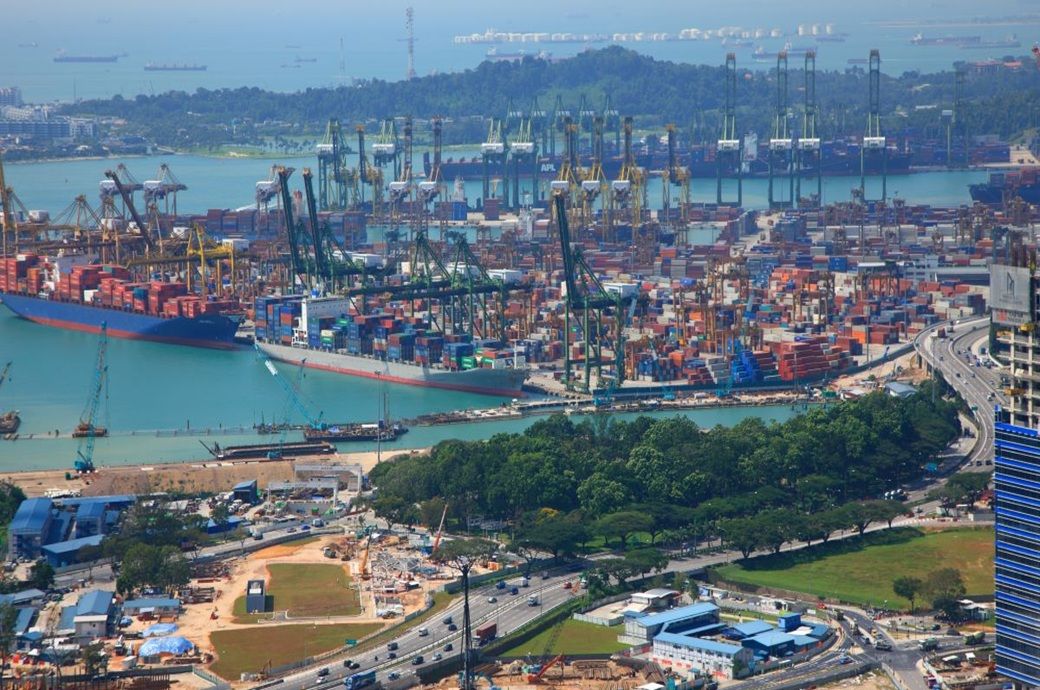
Singapore, one of the world’s most connected and efficient port hubs, offers a platform for testing and deploying innovations in areas such as cleaner fuels and digital technologies. UNCTAD complements this with global reach, policy expertise and hands-on support to developing countries.
UNCTAD and the Maritime and Port Authority of Singapore have launched a partnership to support the transition toward more sustainable, resilient and inclusive maritime transport systems.
They will promote adoption of alternative fuels and digital solutions across ports and shipping networks.
Efforts will focus on approaches that can be adapted to different national contexts.
Under the agreement, the partners will promote adoption of alternative fuels and digital solutions across ports and shipping networks. Efforts will focus on approaches that can be adapted to different national contexts, alongside knowledge-sharing in sustainable finance, digital innovation and workforce development.
“This partnership brings together Singapore’s operational excellence and UNCTAD’s global development expertise,” said Pedro Manuel Moreno, acting secretary general of UNCTAD.
“It will help accelerate a maritime transition that is not only greener and more efficient, but also resilient and inclusive—while contributing to global discussions at the UN Global Supply Chain Forum 2026,” he noted.
As pressure mounts to decarbonise ports, they face a complex balancing act: reducing emissions while keeping trade flowing efficiently and competitively, according to the UNCTAD, which recently said that challenge is turning more urgent as global supply chains navigate renewed uncertainty.
Recent tensions affecting key maritime chokepoints, including the Strait of Hormuz, have highlighted the risks of continued reliance on fossil fuels in global shipping. Volatility in energy markets and disruptions to shipping routes are reinforcing the case for alternative fuels and more resilient port infrastructure, UNCTAD said in a release.
A central priority of the partnership is ensuring that the maritime transition is inclusive.
Developing countries, many of which depend heavily on maritime trade, often face constraints in financing, technology and skills. The initiative will support these countries through training, advisory services and institutional strengthening.
Building on UNCTAD’s long-standing work with port communities, the partnership aims at improving port performance, strengthening connectivity and enhancing preparedness for disruptions.
The initiative will also contribute to preparations for the 2nd UN Global Supply Chain Forum taking place in late 2026, where policymakers, industry leaders and international organizations will address the future of trade logistics and resilience.
Fibre2Fashion News Desk (DS)
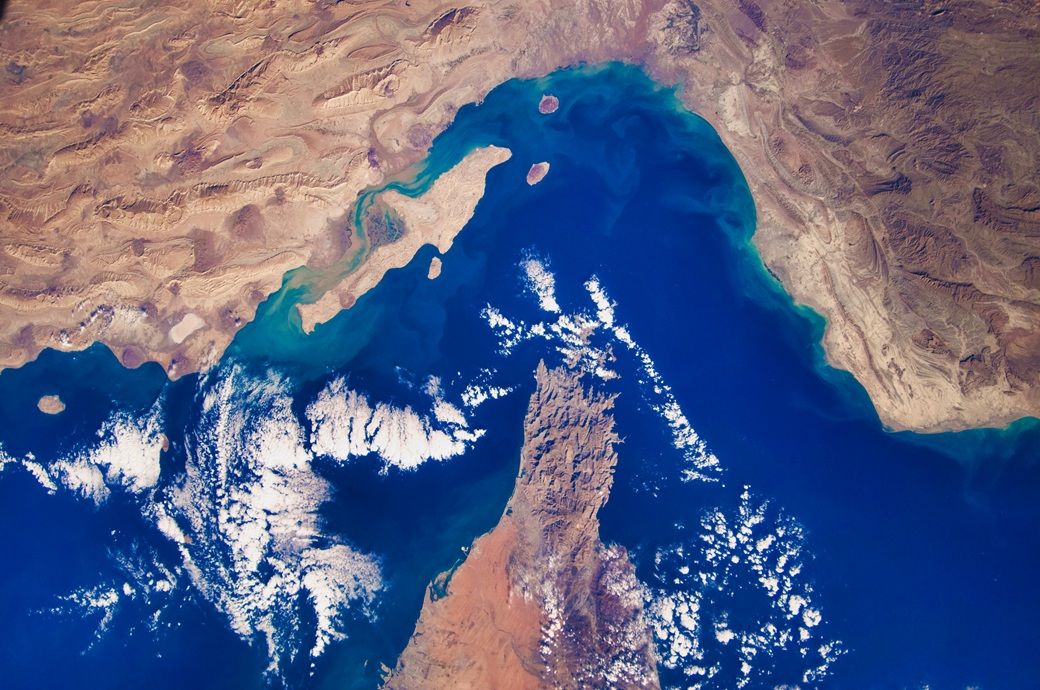
Describing the closure of the vital shipping route as a ‘structural rupture’ in global energy trade, the ERIA issue paper said member countries of the Association of Southeast Asian Nations (ASEAN), including Cambodia, are particularly exposed due to their heavy reliance on imported energy.
The Strait of Hormuz disruption is a systemic shock threatening Southeast Asia’s energy security and economic stability, a report by Economic Research Institute for ASEAN and East Asia said.
Flagging cascading impacts across key sectors beyond energy markets, it cautioned that these combined pressures could lead to slower economic growth, rising inflation and financial instability across the region.
The ASEAN region imports about two-thirds of its crude oil, with some like Cambodia, Singapore and the Philippines almost entirely dependent on external supplies. This dependence, combined with concentrated sourcing from the Middle East, makes ASEAN highly vulnerable to prolonged supply disruptions, the report noted.
Flagging cascading impacts across key sectors beyond energy markets, it cautioned that these combined pressures could lead to slower economic growth, rising inflation and financial instability across the region.
Higher import bills are expected to widen current account deficits, while currency volatility and capital outflows may further strain economies, it said.
The situation also poses risks to migrant workers in the Middle East, potentially affecting remittances that many ASEAN households depend on, it observed.
As fragmented national responses are insufficient to address such a complex crisis, ERIA called for stronger regional coordination, arguing that unilateral actions like stockpiling or subsidy policies could worsen supply shortages and increase competition among countries.
To strengthen resilience, the report outlined several strategic recommendations. These include developing indigenous energy resources such as biofuels, expanding regional energy trade and enhancing infrastructure through initiatives like the ASEAN Power Grid and Trans-ASEAN Gas Pipeline.
It also called for the creation of shared strategic reserves and coordinated stockpiling mechanisms to ensure more stable access to energy during crises.
ERIA also stressed on the importance of diversifying supply sources, accelerating renewable energy deployment and improving energy efficiency.
The Hormuz disruption is a ‘stress test’ for ASEAN’s economic and energy systems, and long-term resilience will depend on deeper regional integration, coordinated policymaking and a shift towards a more secure and diversified energy architecture, the report concluded.
Fibre2Fashion News Desk (DS)


Araghchi arrives in Russia for close consultations on regional, international issues
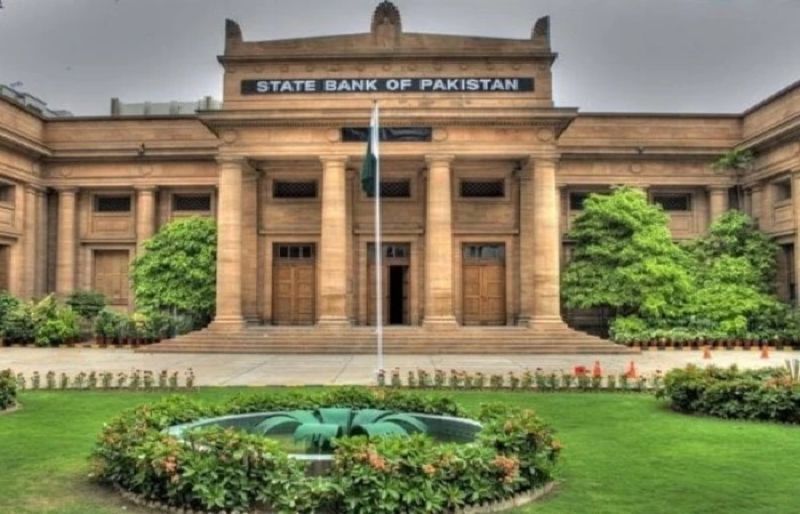
SBP raises policy rate by 100bps to 11.5% citing ‘risks to macroeconomic outlook – SUCH TV

‘Devil Wears Prada 2′ Meryl Streep reacts to surprise from on‑screen daughter

-

 Sports1 week ago
NCAA men’s gymnastics championship: All-time winners list
-

 Sports1 week ago
WWE WrestleMania 42 Night 2: Live match results and analysis
-

 Fashion1 week ago
UK’s Sosandar returns to profitability amid robust FY26 performance
-

 Politics6 days ago
UK’s Starmer seeks to deflect blame over Mandelson appointment
-

 Entertainment7 days ago
Lee Anderson, Zarah Sultana kicked out of UK Parliament for calling PM ‘liar’
-
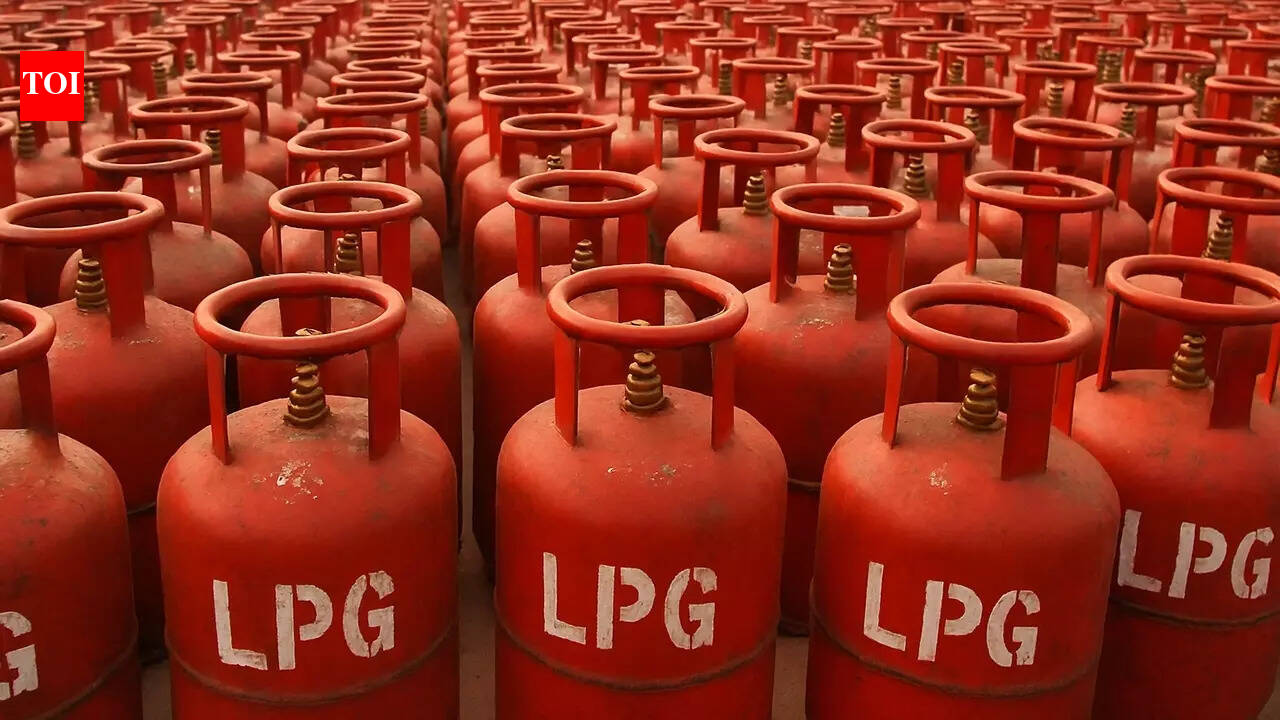 Business1 week ago
No fuel shortage: Govt assures 100% domestic LPG, PNG, CNG supply amid Hormuz energy crunch – The Times of India
-
 Business7 days ago
How Trump’s psychedelics executive order could unlock stalled cannabis reform
-
 Business6 days ago
Us-India Trade Talks: US–India trade deal: Where do talks stand & what to expect – explained – The Times of India