

Politics
‘Large shark’ kills man off Sydney beach

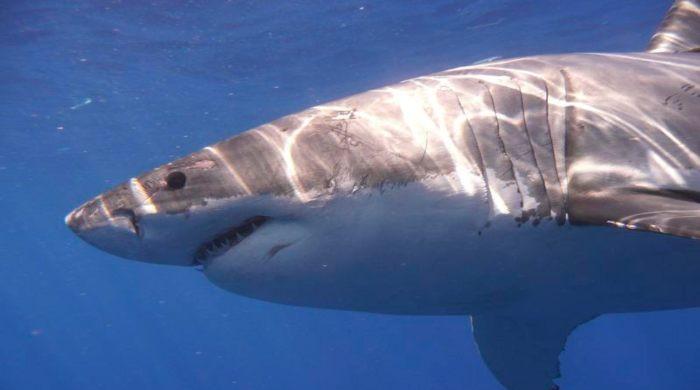
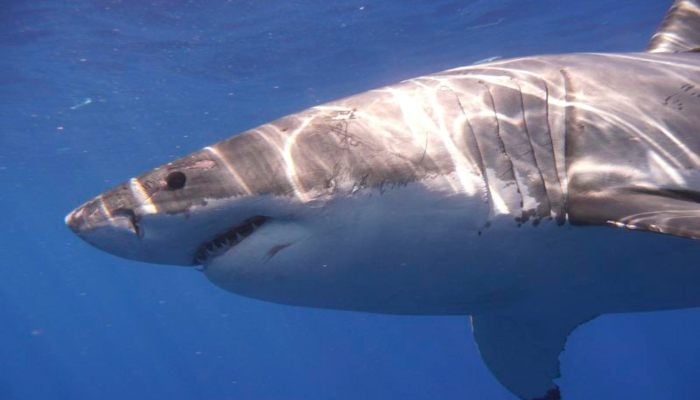
SYDNEY: A suspected “large shark” mauled a surfer to death in a rare fatal attack off a Sydney beach on Saturday, Australian police and rescuers said, leading to a string of beach closures.
The man was pulled out of the Pacific surf onto shore at northern Sydney’s Long Reef Beach but died at the scene, New South Wales police said in a statement.
“A man has died on the Northern Beaches after being bitten by what is believed to have been a large shark,” police said.
Two sections of a surfboard were recovered and taken for examination, police said, adding that they were working with experts to identify the species of shark involved.
Images of the scene on local media showed police gathered on the shore and ambulances parked nearby.
The victim was bitten by the ocean predator while surfing in the morning away from a patrolled area of the beach, according to Surf Life Saving NSW.
Beaches between the northern suburbs of Manly and Narrabeen have been closed for at least 24 hours, it said.
“For now, please remain clear of the water at beaches in the vicinity and follow the direction of lifeguards and lifesavers,” Surf Life Saving NSW chief executive Steven Pearce said in a statement.
“Our deepest condolences go to the family of the man involved in this terrible tragedy.”
Surf life saving clubs nearby have cancelled all water activity and training for the weekend.
‘Critical injuries’
It was the first fatal shark attack in Sydney since 2022, when 35-year-old British diving instructor Simon Nellist was killed off Little Bay.
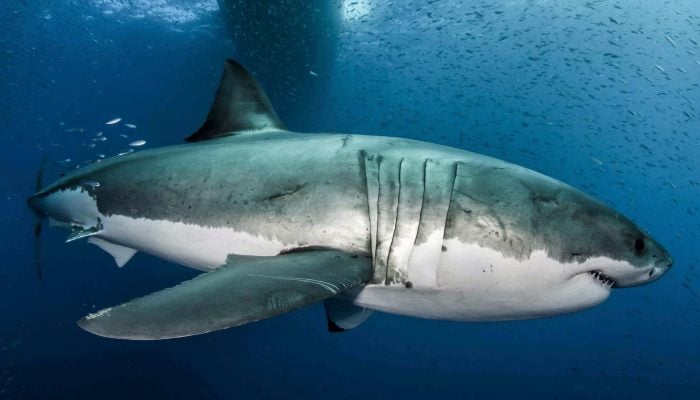
The previous fatal attack in the city was in 1963.
Drones were now scanning the beach for shark activity, according to Australian public broadcaster ABC.
Police said emergency services rushed to the scene following alerts that the man, who was not identified, had suffered “critical injuries”.
An unnamed surfer said the victim had been surfing off the adjoining Long Reef and Dee Why beaches.
“Four or five surfers pulled him out of the water and it looked like a significant part of his lower half had been attacked,” the surfer said, according to Sydney’s Daily Telegraph.
People were ordered out of the water, he told the paper.
“There was a surf lifesaving guy waving a red flag,” the surfer said. “I didn’t know what it was … but thought I should probably go in (to shore).”
Australia’s last deadly shark attack was in March, when a surfer was taken off the remote Wharton Beach of Western Australia.
There have been more than 1,280 shark incidents around Australia since 1791, of which over 250 resulted in death, according to a database of the predators’ encounters with humans.
- Afshar supports Iran’s govt and its propaganda, says State Dept.
- Official says Afshar’s husband barred from entering US.
- Marco Rubio revoked their lawful permanent resident status.
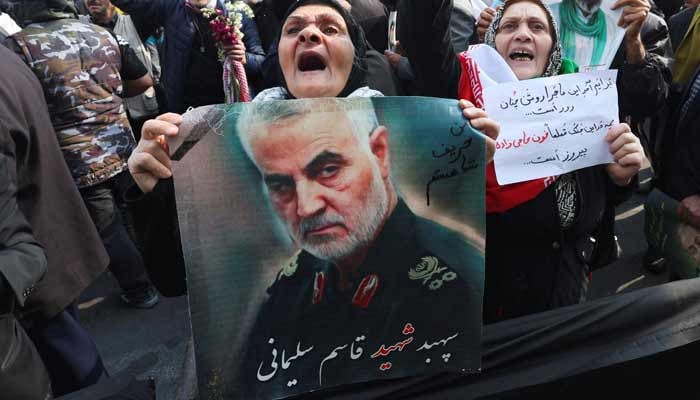
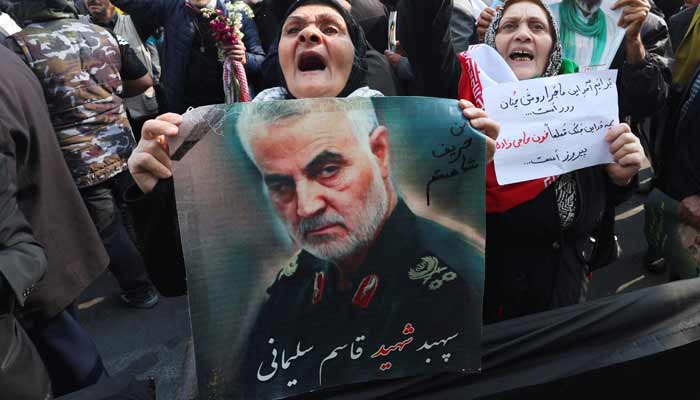
US federal agents have detained the niece and grandniece of late Iranian military commander Qassem Soleimani after Secretary of State Marco Rubio revoked their lawful permanent resident status, the State Department said on Saturday.
“Hamideh Soleimani Afshar and her daughter are now in the custody of US Immigration and Customs Enforcement,” the State Department said in a statement, saying also that Rubio revoked their green cards.
Soleimani was killed in a January 2020 US airstrike in Baghdad during President Donald Trump’s first term in office.
The State Department said Afshar supported Iran’s government and its propaganda. It also said Afshar’s husband was barred from entering the US.
The detention came as the US-Israeli war against Iran entered its sixth week .
The State Department added that earlier this month, Rubio terminated the legal status of Fatemeh Ardeshir Larijani, the daughter of veteran Iranian politician Ali Larijani, and her husband Seyed Kalantar Motamedi. Ardeshir Larijani and Motamedi are no longer in the US and are barred from future entry, according to the State Department.
Ali Larijani, an architect of Iran’s security policy, was killed in mid-March by a US-Israeli air attack.
In his second term in office, Trump’s administration has stepped up deportation attempts against immigrants, calling them threats. Rights advocates have raised concerns about free speech and due process. Many immigrants detained by ICE have been released following court orders.
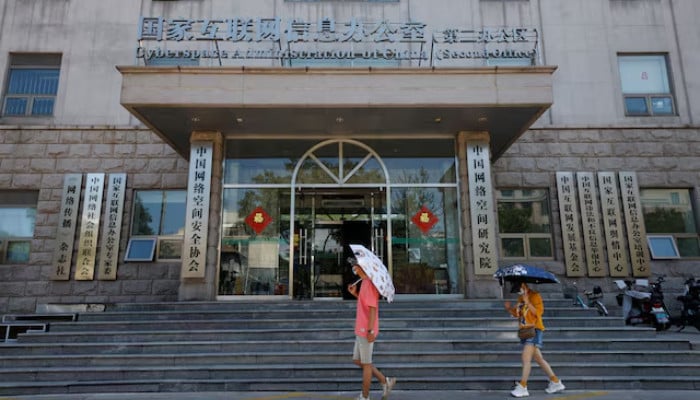
BEIJING: China’s cyberspace regulator issued draft regulations on Friday to oversee the development online of digital humans, requiring clear labelling and banning services that could mislead children or fuel addiction.
The Cyberspace Administration of China’s proposed rules would require prominent “digital human” labels on all virtual human content and prohibit digital humans from providing “virtual intimate relationships” to those under 18, according to rules published for public comment until May 6.
The draft regulations would also ban the use of other people’s personal information to create digital humans without consent, or using virtual humans to bypass identity verification systems, reflecting Beijing’s efforts to maintain control in the face of advances in artificial intelligence.
Digital humans are also prohibited from disseminating content that endangers national security, inciting subversion of state power, promoting secession, or undermining national unity, the draft rules said.
Service providers are advised to prevent and resist content that is sexually suggestive, depicts horror, cruelty or incites discrimination based on ethnicity or region, according to the document. Providers are also encouraged to take necessary measures to intervene and provide professional assistance when users exhibit suicidal or self-harming tendencies.
China made clear its ambitions to aggressively adopt AI throughout its economy in the new five-year policy blueprint issued last month. The push comes alongside tightening governance in the booming industry to ensure safety and alignment with the country’s socialist values.
The new rules aim to fill a gap in governance in the digital human sector, setting clear red lines for the healthy development of the industry, according to an analysis published on the cyberspace regulator’s website.
“The governance of digital virtual humans is no longer merely an issue of industry norms; rather, it has become a strategic scientific problem that concerns the security of cyberspace, public interests, and the high-quality development of the digital economy,” it added.
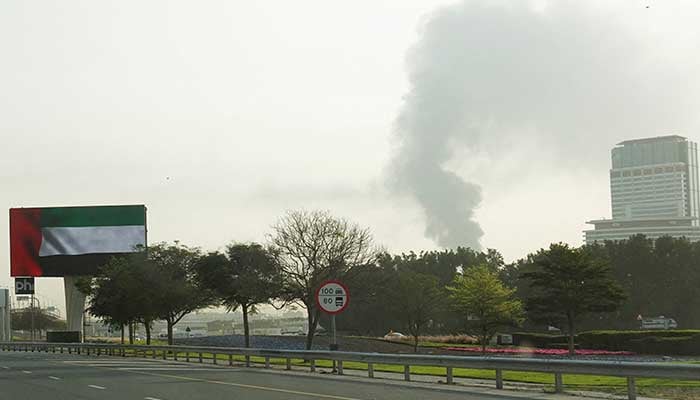
- Habshan plant fires disrupt energy operations.
- Ajban debris incident injures 12 civilians.
- Air defences intercept missiles, drones daily.
DUBAI: The death toll in the United Arab Emirates (UAE) has risen to 10, including foreign nationals, with more than 200 people injured since the Middle East conflict began on February 28, as falling debris from intercepted Iranian missiles and drones continues to hit civilian and industrial areas.
Among the deceased are four Pakistani nationals, highlighting the broader impact on expatriate communities.
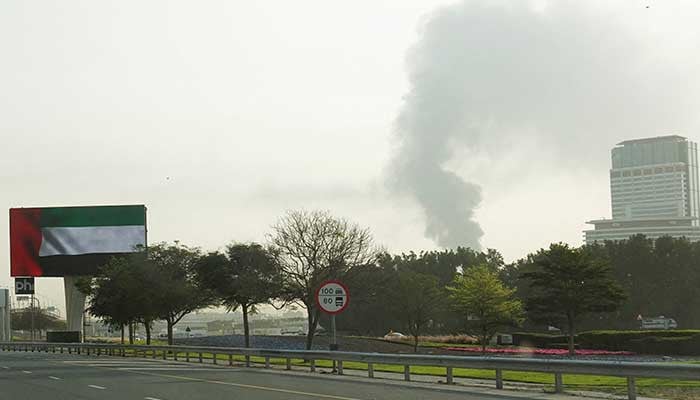
In the latest incident, debris from intercepted aerial threats triggered fires at the Habshan gas processing plant, a key energy facility in south-west Abu Dhabi.
An Egyptian national was killed during evacuation, while four others — including two Pakistanis — sustained minor injuries, according to the Abu Dhabi Media Office. Operations at the plant have been suspended, and damage assessments are ongoing.
In a separate incident in Ajban, about 80 kilometres north-east of Abu Dhabi city, debris from intercepted projectiles injured 12 people. Those wounded included nationals from Nepal and India; one individual remains in serious condition, while others suffered minor to moderate injuries.
The UAE Ministry of Defence said its air defence systems intercepted multiple ballistic and cruise missiles, as well as drones launched from Iran in the past 24 hours. While the interceptions prevented potentially larger-scale damage, officials warned that falling debris continues to pose significant risks to populated and industrial zones.
Authorities said missile and drone attacks have been reported on a near-daily basis since the conflict began, increasing pressure on emergency response systems and critical infrastructure.


Price, where to buy, and are they safe for kids

Tigers place Justin Verlander on 15-day IL with hip injury

US agents arrest relatives of Iran’s Qassem Soleimani after revoking their green cards

-
 Business1 week ago
How do you spot a fake online review?
-

 Sports1 week ago
Illinois defense gets tough, ousts Houston to reach Elite Eight
-

 Entertainment1 week ago
Lee Sang-bo dies at 45: Funeral details revealed
-

 Sports7 days ago
USMNT handed reality check by Doku, Belgium ahead of World Cup
-

 Sports7 days ago
2026 NCAA men’s hockey tournament: Schedule, results
-

 Fashion1 week ago
China rolls out tariff cuts on Congo imports from April 1
-

 Fashion1 week ago
EU apparel imports slump 15.48% YoY in Jan; Bangladesh hardest hit
-
Uncategorized1 week ago
[CinePlex360] Please moderate: “Apple scrapping