

Business
Larry Ellison, World’s Second-Richest Man, Loses $14 Billion On Diwali Monday

Last Updated:
Ellison’s wealth has surged $144 billion over the past year, a 75 per cent increase.

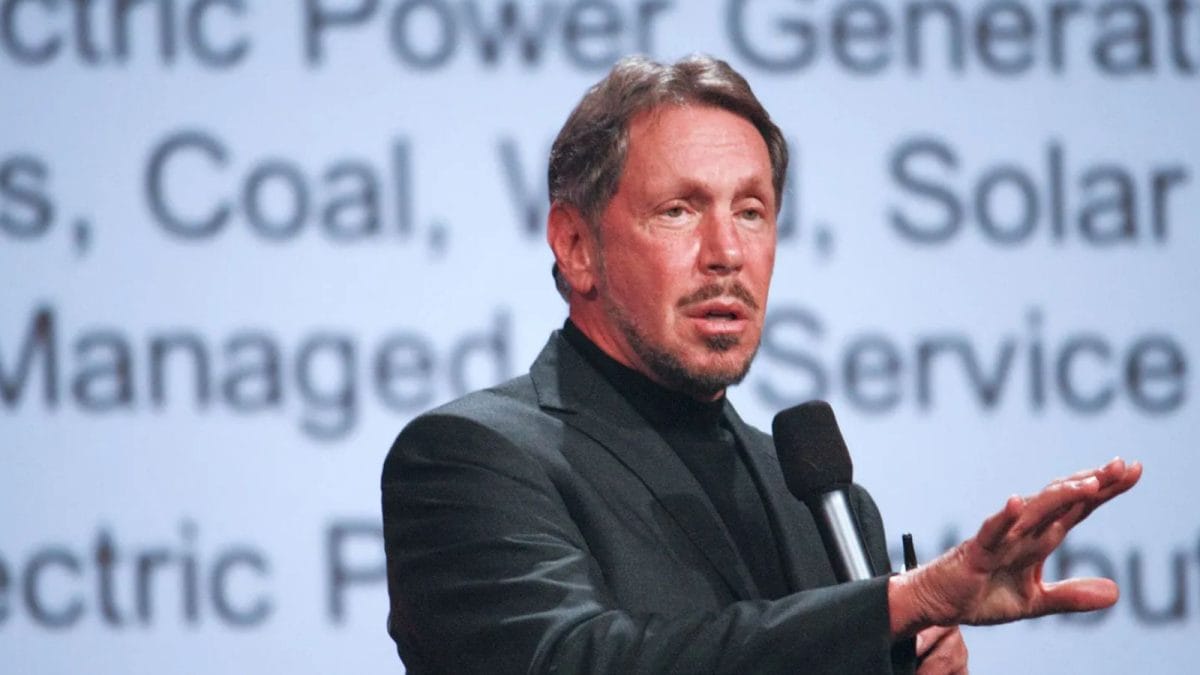
Larry Ellison is Oracle’s cofounder, chairman, and CTO. (Photo Credit: X)
Oracle co-founder Larry Ellison saw his net worth drop by $14 billion on Diwali Monday after the company’s shares fell nearly 5 per cent, according to Forbes. The loss amounts to roughly Rs 12.34 lakh crores. Despite the decline, the 81-year-old remains one of the world’s highest-earning billionaires this year.
Ellison’s wealth has surged $144 billion over the past year, a 75 per cent increase, the Bloomberg Billionaires Index reports. He is currently the world’s second-richest person, with an estimated net worth of around $336 billion, as per Forbes.
Who Is Larry Ellison?
Larry Ellison is Oracle’s cofounder, chairman, and CTO, owning about 40 per cent of the company. He stepped down as CEO in 2014 after 37 years.
Born in 1944 in the Bronx, Ellison was adopted and raised in Chicago. He dropped out of college and worked on a database project for the CIA before founding Oracle in 1977. Oracle went public in 1986, a day before Microsoft’s IPO.
Ellison lives on Hawaii’s Lanai, which he mostly bought in 2012 for $300 million. He served on Tesla’s board from 2018 to 2022 and owns nearly 50 per cent of Paramount Skydance, formed after a $28 billion merger with his son David’s company.
In September, Ellison briefly became the richest person globally when Oracle shares soared, temporarily surpassing Tesla CEO Elon Musk. The surge followed Oracle securing major AI cloud contracts with companies including OpenAI and Meta.
Oracle shares have recently slid further, dropping about 6.3 per cent and cutting $24.1 billion from Ellison’s fortune. Musk remains the richest, with a net worth near $486 billion.
Larry Ellison’s Giving Pledge
Oracle reported $57.4 billion in revenue for the year ending May 31. Ellison is known for his lavish lifestyle, yachts, planes, real estate and the Indian Wells tennis event, and is a sailing enthusiast, financing Oracle Team USA’s America’s Cup victories. He signed the Giving Pledge in 2010, promising to donate at least 95 per cent of his wealth.
Ellison also founded the Ellison Institute of Technology with Oxford University to tackle global challenges like healthcare, climate change and AI. He also set up the Ellison Medical Foundation for ageing research. His philanthropy includes $200 million to USC for cancer research and $1 billion to the foundation. The $1.3 billion Oxford EIT campus is set to open by 2027.

A team of writers at News18.com bring you stories on what’s creating the buzz on the Internet while exploring science, cricket, tech, gender, Bollywood, and culture.
A team of writers at News18.com bring you stories on what’s creating the buzz on the Internet while exploring science, cricket, tech, gender, Bollywood, and culture.
Delhi, India, India
October 22, 2025, 18:00 IST
Read More


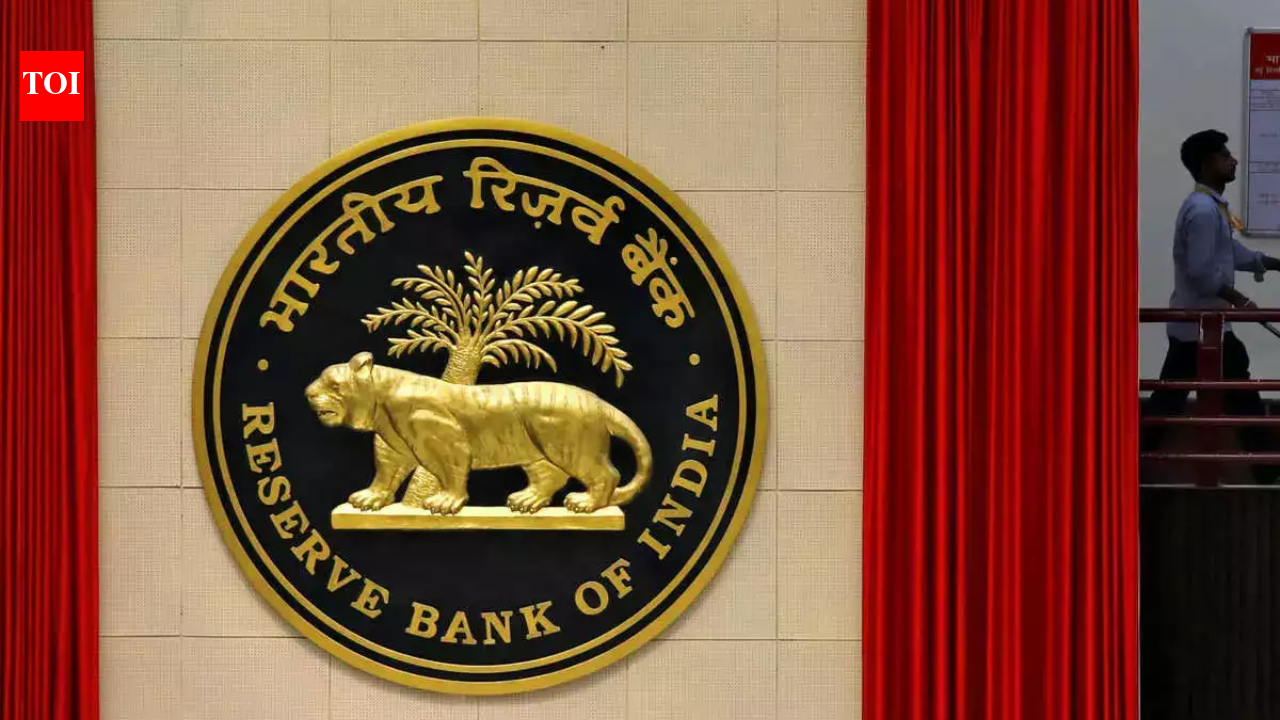
The Reserve Bank of India (RBI) on Monday decided against activating the countercyclical capital buffer (CCyB), indicating that current financial and credit conditions do not warrant an additional capital requirement for banks, PTI reported.The central bank said the decision followed a review and empirical assessment of indicators used under the CCyB framework.“Based on review and empirical analysis of CCyB indicators, it has been decided that it is not necessary to activate CCyB at this point in time,” RBI said in a statement.Under the RBI (Commercial Banks – Prudential Norms on Capital Adequacy) Directions, 2025, the CCyB framework is activated when financial conditions indicate rising systemic risks linked to excessive credit growth.The framework primarily relies on the credit-to-GDP gap as a key indicator, along with supplementary metrics.According to the RBI, the CCyB mechanism is intended to serve two broad objectives.Firstly, it requires a bank to build up a buffer of capital in good times, which may be used to maintain the flow of credit to the real sector in difficult times.Secondly, it achieves the broader macro-prudential goal of restricting the banking sector from indiscriminate lending in the periods of excess credit growth that have often been associated with the building up of system-wide risk.The framework was introduced globally after the 2008 financial crisis as part of measures proposed by the Group of Central Bank Governors and Heads of Supervision (GHOS) under the Basel framework to strengthen financial system resilience.
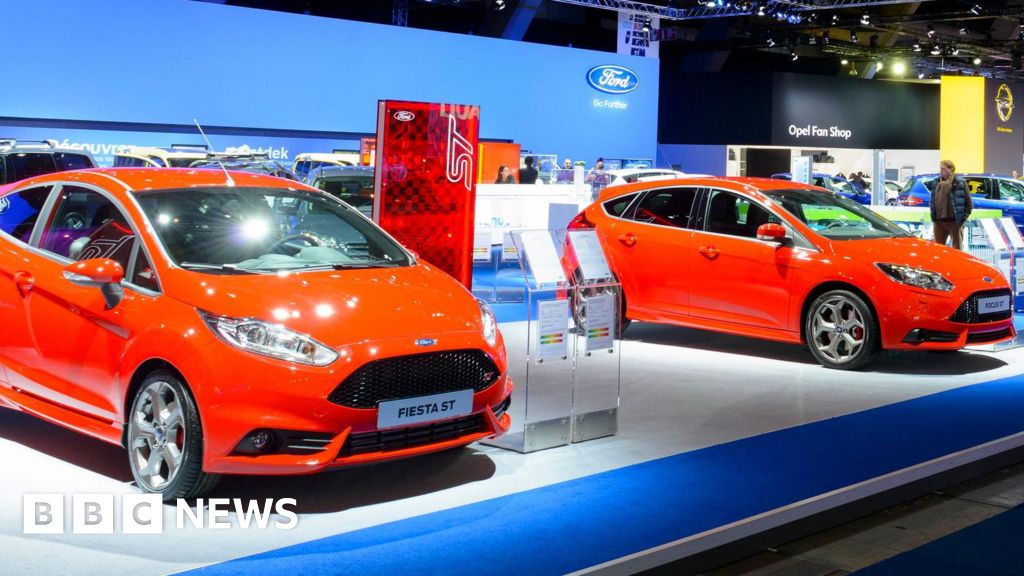
The company has announced plans to build seven new models in Europe including a small electric hatchback.
Source link
“Today’s policymaking is constrained by a more volatile external environment with more frequent and overlapping shocks, a rising public interest bill, in part reflecting market concerns with countries’ elevated debt, and the long-standing challenge of weak productivity growth,” he said.


Two Americans arrested at Japanese zoo

Turkiye’s current account deficit expected to widen in 2026: Minister

UK’s clothing imports fall 3% in Q1, sharply lower than Q4 2025

-

 Entertainment6 days ago
Conan O’Brien hat tricks as Oscar host
-

 Tech1 week ago
Could Contact-Tracing Apps Help With the Hantavirus? Not Really
-

 Fashion5 days ago
Italy’s Zegna Group’s Q1 growth boosted by strong organic performance
-

 Sports1 week ago
Bobby Cox, legendary Atlanta Braves manager who led 1995 World Series champions, dead at 84
-

 Entertainment1 week ago
Martin Short: Facing tragedy with joy
-

 Entertainment1 week ago
Tom Brady gets back at Kevin Hart during Netflix roast
-

 Sports1 week ago
Jacob Fatu unleashes vicious assault on Roman Reigns after World Heavyweight Championship loss at WWE Backlash
-

 Entertainment1 week ago
Martha Stewart: How to make an omelet