

Business
Lib Dems back Bank of England after Farage criticism

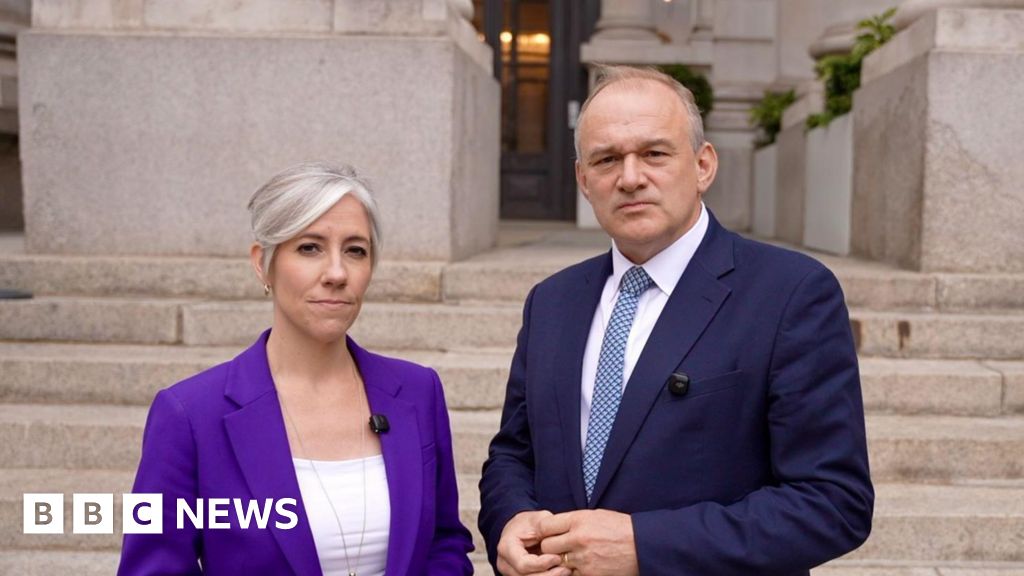
The Liberal Democrats have promised to back the Bank of England’s (BoE) independence “against Farage’s threats” after the Reform leader urged it to end its bond-selling programme.
On Friday, party leader Sir Ed Davey and his deputy Daisy Cooper met the bank’s governor Andrew Bailey to “reaffirm support” for the Bank’s autonomy.
It comes two weeks after Nigel Farage met Mr Bailey to argue for the end of BoE bond sales, known as quantitative tightening, claiming it is costing taxpayers billions and driving up debt.
Sir Ed accused Farage of “putting his obsession with mimicking Donald Trump ahead of what is in the best interests of the British people” by pressuring the central bank.
Reform UK has been approached for comment.
Sir Ed has pledged to lead the fight against Reform UK – using his Lib Dem conference speech to argue his party had a “moral responsibility” to challenge Farage.
Speaking after his meeting at the Bank’s Threadneedle Street HQ, Sir Ed said: “Liberal Democrats will stand firmly behind Bank of England independence, just as we have stood against recent attacks on the independence of our judiciary.
“Trump’s threats to sack governors of the Fed if they don’t do what he wants are causing economic panic in the United States,” Sir Ed said.
“That is the last thing we need here at home – we cannot let Trump’s America become Farage’s Britain.”
Speaking to reporters later, Sir Ed argued the BoE needed “modernisation” but argued keeping it independent from government was “the best way” to lower food bills and mortgage rates.
The Bank began its quantitative tightening programme in 2022, unwinding the emergency support it brought in after the 2008 financial crisis.
That earlier process, known as quantitative easing, saw the Bank electronically create billions of pounds to buy UK government bonds, a form of debt, in a bid to prop up the UK economy by keeping market interest rates low.
The Bank subsequently launched new rounds of QE after the eurozone debt crisis, the Brexit referendum and the coronavirus pandemic.
The Bank is now in the process of selling these bonds for less than it paid for them, with losses being picked up by the Treasury under a deal agreed in 2009.
Reform has criticised the process, with deputy leader Richard Tice branding it a “systemic misuse of taxpayers’ money” in a letter to Bailey in June.
He also blamed it for increasing the costs of long-term government debt, which recently rose to a 27-year high.
Farage and Tice visited the Bank for talks with Bailey on 25 September, after the Bank chief agreed to a meeting.
Speaking to reporters afterwards, Tice called for MPs to take a more active role in debating the policy, arguing they were reluctant to do so for fear of encroaching on the bank’s independence.
But he added that the “huge multibillion cost” meant it had an impact on taxation, traditionally a matter for Parliament, and could “change the decisions the chancellor makes” at November’s Budget.
They also pressed the Bank to relax its stance on cryptocurrencies, accusing it of holding back innovation.

The government on Thursday kept petrol and high-speed diesel (HSD) prices unchanged at Rs253.17 per litre and Rs257.08 per litre respectively, for the coming fortnight, starting from January 16.
This decision was notified in a press release issued by the Petroleum Division.
Earlier, it was expected that the prices of all petroleum products would go down by up to Rs4.50 per litre (over 1pc each) today in view of variation in the international market.
Petrol is primarily used in private transport, small vehicles, rickshaws, and two-wheelers, and directly impacts the budgets of the middle and lower-middle classes.
Meanwhile, most of the transport sector runs on HSD. Its price is considered inflationary, as it is mostly used in heavy transport vehicles, trains, and agricultural engines such as trucks, buses, tractors, tube wells, and threshers, and particularly adds to the prices of vegetables and other eatables.
The government is currently charging about Rs100 per litre on petrol and about Rs97 per litre on diesel.
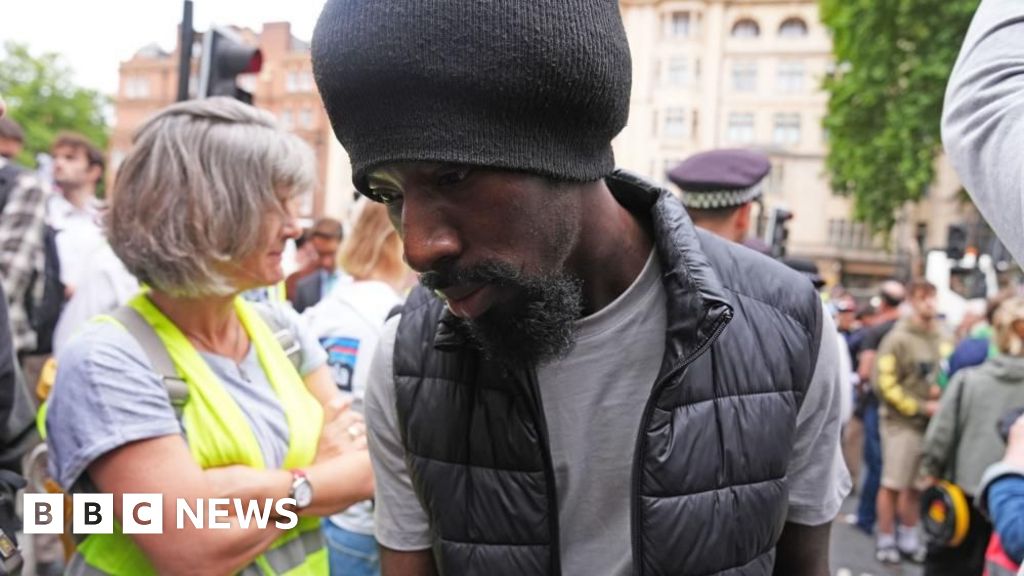
One of Britain’s most prolific rail fare dodgers could face jail after admitting dozens of travel offences.
Charles Brohiri, 29, pleaded guilty to travelling without buying a ticket a total of 112 times over a two-year period, Westminster Magistrates’ Court heard.
He could be ordered to pay more than £18,000 in unpaid fares and legal costs, the court was told.
He will be sentenced next month.
District Judge Nina Tempia warned Brohiri “could face a custodial sentence because of the number of offences he has committed”.
He pleaded guilty to 76 offences on Thursday.
It came after he was convicted in his absence of 36 charges at a previous hearing.
During Thursday’s hearing, Judge Tempia dismissed a bid by Brohiri’s lawyers to have the 36 convictions overturned.
They had argued the prosecutions were unlawful because they had not been brought by a qualified legal professional.
But Judge Tempia rejected the argument, saying there had been “no abuse of this court’s process”.
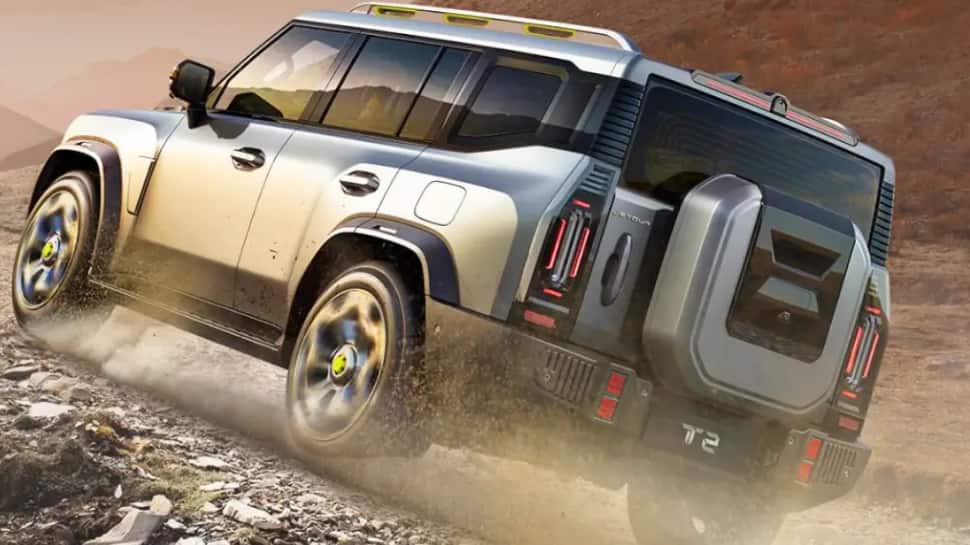
JSW Jetour T2 Launch: JSW Motors Limited, the passenger vehicle arm of the JSW Group, is reportedly preparing to enter the Indian car market this year. It has partnered with Jetour, a China-based automotive brand owned by Chery Automobile, and the Jetour T2 SUV could be the company’s first product, according to the reports.
Media reports suggest that the launch will happen independently and not under the JSW MG Motor India joint venture. The SUV will wear a JSW badge and name, instead of the Jetour branding. The upcoming SUV will be assembled at JSW’s upcoming greenfield manufacturing facility in Chhatrapati Sambhaji Nagar, Maharashtra.
According to the reports, the company plans to have the vehicle on sale by the third quarter of this year. With this move, JSW aims to establish itself as a standalone carmaker in India.
Expected Powertrain
The SUV is likely to arrive with a 1.5-litre plug-in hybrid setup. Internationally, this hybrid powertrain is offered with both front-wheel drive and all-wheel drive options. It is still unclear which version will be introduced in India.
Design
In terms of design, the T2 is a large and rugged-looking SUV. It has a boxy and upright stance, similar to vehicles like the Land Rover Defender. Despite its tough appearance, it uses a monocoque chassis instead of a ladder-frame construction.
Size
The SUV measures around 4.7 metres in length and nearly 2 metres in width. This makes it larger than the Tata Safari, even though it is a five-seater. A longer 7-seat version is also sold in some markets.
Price
Pricing details for India are yet to be announced. For reference, the front-wheel-drive five-seat T2 i-DM is priced at AED 1,44,000 (around Rs 35 lakh) in the UAE.
Jetour
Jetour is a brand owned by Chinese automaker Chery. Launched in 2018, it focuses mainly on SUVs and is present in markets across China, the Middle East, Africa, Southeast Asia and Latin America.


U.S. names sporting events athletes exempt from visa ban

Meta’s Layoffs Leave Supernatural Fitness Users in Mourning

Teyana Taylor, Leonardo DiCaprio Golden Globes drama sees new twist

-
 Politics1 week ago
UK says provided assistance in US-led tanker seizure
-
 Entertainment1 week ago
Does new US food pyramid put too much steak on your plate?
-

 Entertainment1 week ago
Why did Nick Reiner’s lawyer Alan Jackson withdraw from case?
-
 Business1 week ago
Trump moves to ban home purchases by institutional investors
-
 Sports5 days ago
Clock is ticking for Frank at Spurs, with dwindling evidence he deserves extra time
-
 Sports1 week ago
PGA of America CEO steps down after one year to take care of mother and mother-in-law
-
 Business1 week ago
Bulls dominate as KSE-100 breaks past 186,000 mark – SUCH TV
-
Sports6 days ago
Commanders go young, promote David Blough to be offensive coordinator