

Fashion
LK Bennett close to collapse as it prepares administration filing

Published
December 31, 2025
It looks like LK Bennett might be the first 2026 casualty of the tough retail environment in the UK with the premium fashion and footwear chain having filed an intention to appoint administrators.
It would be the second time in six years that the company has failed with the notice having been submitted at the High Court on Tuesday.
If the application is granted, it’s likely that the company will go into administration.
The news comes in the wake of reports just before Christmas that it was working with Alvarez & Marsal and looking for an 11th-hour rescue deal due to very weak trading in recent periods.
However, in such circumstances potential buyers often prefer to wait for a business to go into administration. Buying it after such a filing usually gives them an easier ride than taking it on as a going concern with all the obligations (such as leases) that come with it.
If it does go into administration, it’s likely that there will be no shortage of interested parties. The company, which employs around 280 people, is currently owned by China’s Byland UK and it’s not uncommon for existing owners to buy back a business out of administration.

But there will also be other possible bidders with deep pockets. When it originally went into administration there were reports that Frasers Group was interested and that company remains a big buyer of distressed businesses. Other big UK retail names that have bought a number of companies include Next (owner of premium brand Reiss) and M&S (which bought another premium label, Jaeger). Plus there are private equity companies that could also be looking at it.
And it’s an attractive proposition on some levels. Despite its relatively small size compared to some of the giants of UK fashion retail, 35-year-old LK Bennett has a strong name and a high profile given its popularity with major fashion influencers including the Princess of Wales. It could succeed as part of a larger operation.
The company had gone into administration in 2019 as it struggled with rising business rates but failed to find fresh funding. It closed a number of stores at the time and laid off HQ staff as well as those in the affected stores.
Rebecca Feng, who ran its franchises in China, acquired it via Byland and in the early days, that acquisition looked to be successful. It expanded its categories with an entry into the bridal sector and opened new stores in key premium locations. In 2022 it moved its London flagship and its HQ to Bond Street. It also reported a return to profit as sales recovered.

In the following year it became an official Ascot sponsor and in the 12 months up to early 2023 its sales jumped as event dressing made a comeback after the pandemic. It also launched important initiatives on conversion and loyalty as well as sustainability, and in 2024 launched on the M&S webstore. That year also saw it opening a new Knightsbridge flagship in London.
But in early 2025 its latest set of accounts showed the company enduring falling sales, contracting margins and a swing to a loss.
Business conditions during the rest of 2025 clearly didn’t improve as those recent reports of it seeking a sale underlined. As well as sluggish consumer confidence, it battled higher costs following National Insurance and minimum wage increases.
It currently has only nine standalone stores and 13 concessions in the UK and Ireland.
Copyright © 2025 FashionNetwork.com All rights reserved.







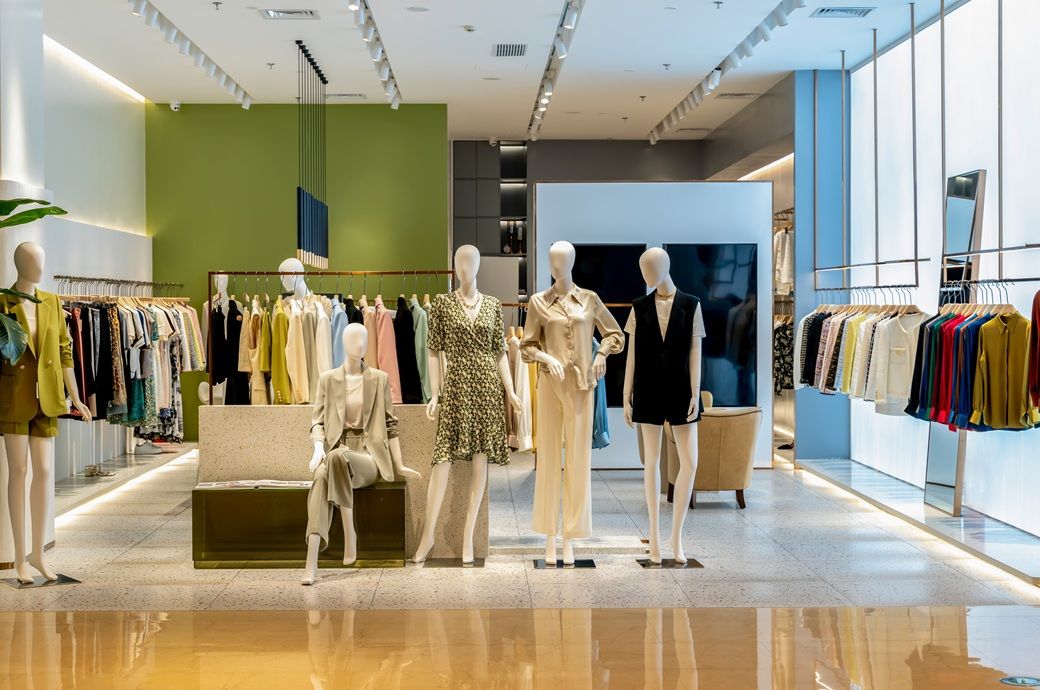
The move follows Lulus’ recent rollout across all Nordstrom stores nationwide and reflects a broader strategy to expand reach and drive incremental revenue. As stated in the press release, each partnership offers curated assortments tailored to platform-specific customer behaviour.
Lulus has expanded its wholesale strategy with a new Amazon storefront and an online partnership with Victoria’s Secret.
Building on its Nordstrom rollout, the move enhances reach and revenue potential.
Curated assortments tailored to each platform aim to engage modern shoppers, supporting scalable growth and strengthening the brand’s presence across key retail channels.
“Today’s customer shops across platforms, and our goal is to show up for her in each of those moments with intentional, elevated product, that is distinctly Lulus,” said Crystal Landsem, CEO at Lulus. “By offering curated assortments across Amazon and Victoria’s Secret, we’re expanding access to our brand in a way that’s thoughtful, strategic, and aligned with how women shop now.”
The Amazon storefront features a curated dress assortment, including many exclusive styles, while the Victoria’s Secret collaboration introduces an online-only range targeting digitally engaged shoppers. The company noted in the press release that these initiatives support scalable growth and strengthen brand relevance.
As Lulus enters its 30th year, it is focusing on disciplined growth, scalable distribution, and long-term brand building. Alongside its Nordstrom expansion, launches on Amazon and Victoria’s Secret strengthen its position as a digitally driven brand with rising influence in modern fashion retail.
Fibre2Fashion News Desk (JP)

Support will be provided through two-way contracts for difference, where a competitively determined strike price ensures revenue stability. If alternative fuel prices fall below this level, the Italian government will compensate producers; if they exceed it, producers will repay the difference. The scheme will run until 31 December 2029.
The European Commission has approved a €6 billion (~$6.5 billion) Italian state aid scheme to produce 200,000 tonnes of renewable hydrogen annually.
Using contracts for difference, the programme will support decarbonisation in transport and industry by ensuring price stability, while promoting investment, competitiveness, and emissions reduction across high-impact sectors.
The Commission concluded that the measure is necessary, proportionate, and incentivises investment that would not occur without public support. It also found that the environmental benefits, particularly in reducing emissions from hard-to-abate sectors, outweigh potential competition distortions.
Fibre2Fashion News Desk (JP)
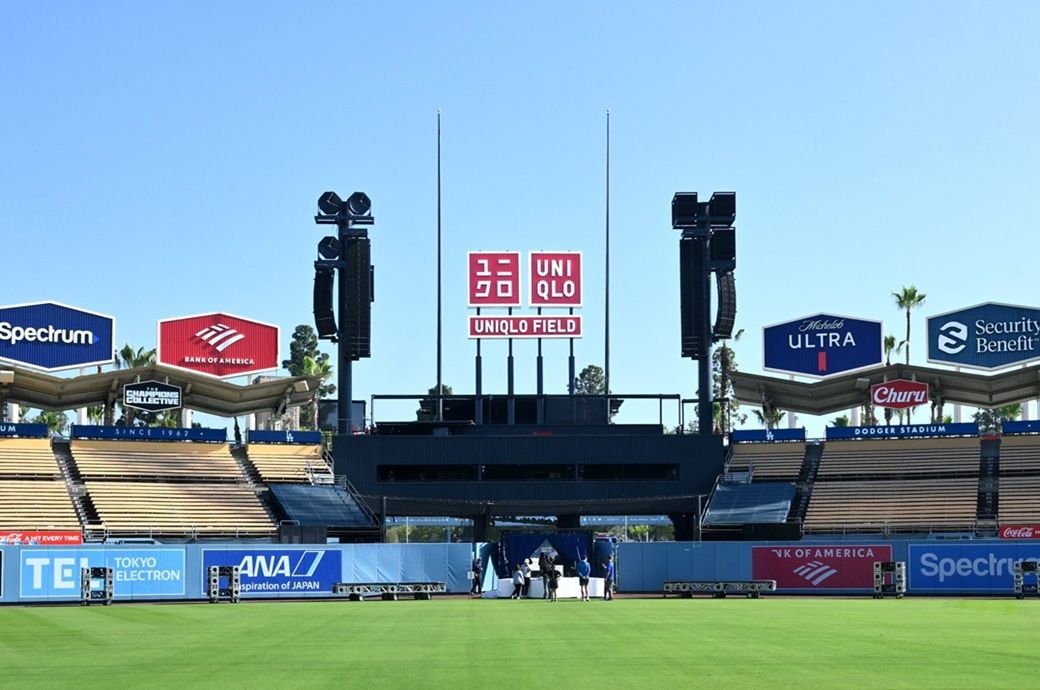
Bringing together two world-class brands, each with loyal supporters around the globe, the alliance is the first major sports partnership for UNIQLO in the United States. Under the agreement, UNIQLO will have naming displays in various stadium locations including above the batter’s eye in center field, on the facade beneath the press box, and on the grass along the baselines.
“With UNIQLO, we have established a historic partnership that we’re very proud to present in our ballpark,” said Stan Kasten, President & CEO, Los Angeles Dodgers. “UNIQLO is as distinguished in their field as the Dodgers are on ours. Both organizations aspire to be global leaders and to set the standard in our respective industries and communities.”
The Los Angeles Dodgers and Uniqlo have formed a landmark partnership featuring prominent “Uniqlo Field at Dodger Stadium” branding across the venue.
The collaboration, Uniqlo’s first major US sports deal, will include fan events, LifeWear giveaways, and dedicated in-store displays in California to strengthen engagement with both Dodgers fans and Uniqlo customers.
Commenting on the news, Tadashi Yanai, UNIQLO Founder and Fast Retailing Group Chairman, said, “It is a great honor to partner with the Los Angeles Dodgers – such a prestigious, world-class team that innovates with the times. For everyone at UNIQLO, this is a dream partnership that brings people everywhere together. Like the Dodgers, UNIQLO aims to be No. 1 in the world. We look forward to teaming with the Dodgers to deliver new value to fans and customers in Los Angeles and the United States as we continue our work to become the most loved and most trusted brand here and around the world.”
With a scope wider than typical sports sponsorships, the new partnership includes:
A focus on Dodgers fans
An in-stadium event will be hosted early in the coming season at UNIQLO Field at Dodger Stadium. This will be a large-scale event, introducing UNIQLO to thousands of Dodgers fans with giveaways of UNIQLO LifeWear items.
Efforts to engage UNIQLO customers
UNIQLO plans to create dedicated in store spaces at select locations in California, with a focus on the Los Angeles area, to showcase and promote the partnership.
A genuine commitment to the Los Angeles community
Joint contributions to the community will be an ongoing priority of the partnership. UNIQLO and the Dodgers are now working on a range of community-impact initiatives that specifically benefit the citizens and communities of Los Angeles, with a key focus on the next generation. Details will be announced around May.
Note: The headline, insights, and image of this press release may have been refined by the Fibre2Fashion staff; the rest of the content remains unchanged.
Fibre2Fashion News Desk (RM)


The New Era of Militia Influencers
UPI transactions hit record Rs 29.53 lakh crore in March; volumes cross 22.6 billion – The Times of India

Taylor Swift, Travis Kelce wedding planning comes to life: Details

-

 Politics1 week ago
Afghanistan announces release of detained US citizen
-

 Sports1 week ago
Broadcast industry CEO says consolidation is ‘essential’ to compete for NFL soaring media rights prices
-

 Entertainment1 week ago
UN warns migratory freshwater fish numbers are spiralling
-

 Tech1 week ago
Can a Home Appliance Fix the Problem of Soft-Plastic Waste?
-
 Business1 week ago
Property Play: Home flippers see smallest profits since the Great Recession, real estate data firm says
-
 Business1 week ago
Gold prices soar in Pakistan – SUCH TV
-

 Fashion1 week ago
ICE cotton slips on weaker crude, profit booking
-
 Business1 week ago
More women are entering wealth management, but few are in advisory roles, study finds