

Fashion
Low-cost tactics can ease heat-linked issues in Bangladesh RMG sector

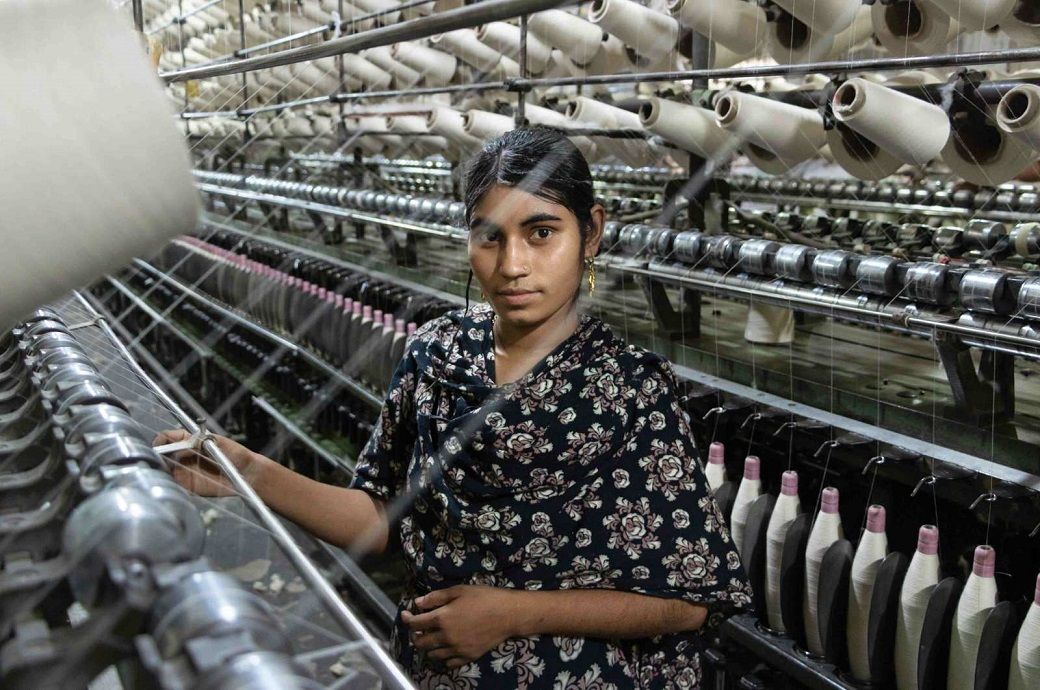
In Bangladesh’s RMG factories, indoor temperatures often soar above 35 degrees Celsius and can reach as high as 40 degrees Celsius. Production halls are typically hot, humid and poorly ventilated, with the constant use of heat-generating machinery like irons and steamers making the air thick and stifling.
An Australian study reveals how low-cost and scalable strategies can reduce heat stress and protect worker productivity in Bangladesh’s RMG sector.
The team tested simple cooling interventions like insulated reflective roofs, electric fans and free access to drinking water.
Without cooling interventions, heat stress reduced work output by around 12-15 per cent.
Workers spend up to 12 hours a day, six days a week, in these conditions which, over time, can take a considerable toll, causing dehydration, heat exhaustion, and a noticeable drop in energy and concentration, putting workers’ health and wellbeing at serious risk.
Most workers are paid by the piece, creating a difficult trade-off: slow down to stay safe in the heat—and earn less—or maintain speed and risk serious illness.
“Garment workers in Bangladesh already endure some of the most precarious and grueling conditions in the world. With rising temperatures, it’s only getting worse,” said Ollie Jay, the study’s senior author and director of the Heat and Health Research Centre at the university in a release.
“Without immediate, scalable and affordable cooling solutions, millions face a serious and growing risk of heat-related illness, exhaustion and long-term harm,” he noted.
To address this, Jay’s team looked at the effects of various cooling alternatives to air conditioning on worker heat strain in a simulated Bangladesh garment factory inside a climate-controlled chamber, replicating the hottest conditions recorded inside a typical factory in Dhaka.
They tested simple cooling interventions like insulated reflective roofs, electric fans and free access to drinking water, and benchmarked them against air conditioning and no cooling at all.
Published in The Lancet Planetary Health, the study found that without cooling interventions, heat stress reduced work output by around 12-15 per cent. These losses were partly recovered through the team’s sustainable cooling strategies, which prioritised cooling the individual instead of altering the surrounding environment, such as using fans and having access to drinking water
A 2.5-degrees Celsius indoor temperature reduction from an insulated, reflective white roof lowered core body temperature, heart rate and dehydration risk.
Electric fan use combined with access to drinking water delivered similar benefits, reclaiming much of the heat-related productivity loss seen in high-intensity tasks like ironing.
Cooling effects were more pronounced in male participants, highlighting the importance of reconsidering gender-specific tasks and clothing in heat mitigation strategies.
“With Bangladesh’s RMG industry targeting a 30 percent cut in greenhouse gas emissions by 2030, these low-resource options could offer a viable path forward for a sector under increasing pressure from both global demand and a changing climate,” said lead author James Smallcombe, a post-doctoral research fellow at the Centre.
The full results suggest that improving building design and supporting worker hydration could become key pillars of climate adaptation in global supply chains, protecting both workers and business continuity.
The Wellcome Trust funded the research.
Fibre2Fashion News Desk (DS)






Tamil Nadu’s exports stood at ₹67,863 crore (~$7.22 billion), reinforcing its leadership driven by strong apparel and knitwear clusters. India’s textile and apparel exports reached ₹3,19,573 crore in 2024–25, reflecting steady expansion from ₹2,33,304 crore (~$24.84 billion) in 2020–21, as per data shared by the minister.
Gujarat followed with exports of ₹50,150 crore (~$5.34 billion), contributing 15.7 per cent to the national total, supported by its strength across fibres, yarns and fabrics. Haryana recorded ₹34,843 crore, while Maharashtra and Uttar Pradesh posted ₹33,611 crore (~$3.57 billion) and ₹31,804 crore (~$3.38 billion) respectively, each contributing around 10–11 per cent to India’s overall exports.
Tamil Nadu led India’s textile and apparel exports in FY25 with a 21.2 per cent share (₹67,863 crore), followed by Gujarat (15.7 per cent).
Total exports rose to ₹3.19 lakh crore from ₹2.33 lakh crore in FY21.
Haryana recorded the fastest growth, while Uttar Pradesh also expanded strongly, signalling shifting export dynamics across major states.
In terms of growth, Haryana emerged as the fastest-growing major state, registering a CAGR of 11.9 per cent between 2020–21 and 2024–25, outperforming the national average of 8.2 per cent. Uttar Pradesh also showed strong expansion with a double-digit growth trajectory, reflecting rising competitiveness in apparel exports.
Among southern hubs, Karnataka exported ₹23,961 crore (~$2.55 billion), maintaining steady growth, while Rajasthan reached ₹14,560 crore (~$1.55 billion), showing moderate expansion. In contrast, Punjab’s exports declined to ₹11,820 crore (~$1.25 billion), indicating pressure in certain segments.
Overall, the data highlights a high concentration of export value in leading states such as Tamil Nadu and Gujarat, alongside strong growth momentum in states like Haryana and Uttar Pradesh, pointing to a gradual shift in India’s textile export dynamics.
Fibre2Fashion News Desk (KUL)
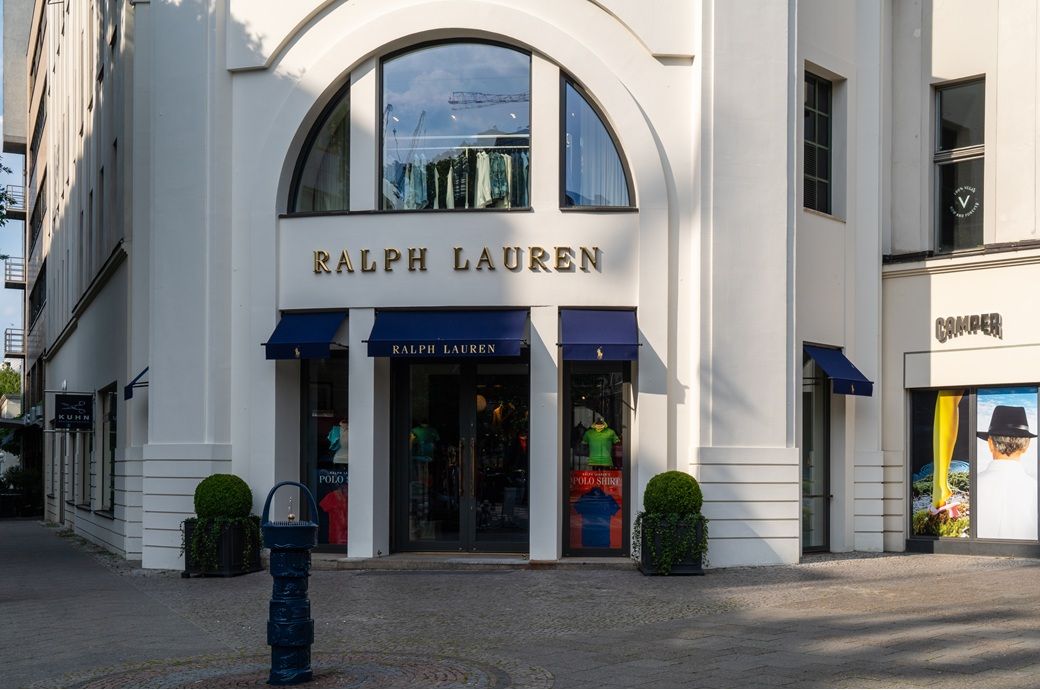
Ralph Lauren Corporation (NYSE: RL) announced the next phase of its Global Citizenship & Sustainability (GC&S) strategy, Timeless by Design 2030. The strategy builds on the Company’s meaningful progress over the past several years to enhance the resilience of the teams, communities, partners and natural resources essential to its business.
Ralph Lauren has introduced Timeless by Design 2030, the next phase of its sustainability and social impact roadmap.
The plan focuses on four pillars, supplier partnerships, natural resource protection, employee engagement and community care.
The company aims to build on earlier gains in emissions, water use and sustainable materials while reporting progress annually.
Guided by the Company’s Purpose to inspire the dream of a better life through authenticity and timeless style – Timeless by Design 2030 is a focused, intentional approach to driving positive impact across Ralph Lauren’s value chain. Since releasing its first GC&S strategy, the Company has made significant advancements and evolved practices throughout its operations to maintain and further advance its progress. This includes reducing GHG emissions; decreasing total water use; meeting at least one sustainable material criteria in 99 per cent of units produced; and expanding its reach and impact in the fight against cancer.
Timeless by Design 2030 is focused on building on these efforts.
“By investing in the resilience of the people who shape our business, the communities we serve and the resources that make our products possible, we are reinforcing the long-term strength and durability of Ralph Lauren,” said Katie Ioanilli, Chief Global Impact & Communications Officer, Ralph Lauren Corporation. “Aligned to Ralph’s timeless vision that inspires everything we do, this work is enduring and foundational to operating a business that stands the test of time.”
Timeless by Design 2030 is built around four pillars, each with clear, measurable goals. In addition to initiatives that advance the Company’s longstanding commitments, each pillar is anchored by a flagship program reflecting where Ralph Lauren can make a unique and positive impact.
The Timeless by Design 2030 pillars and flagship programs are:
- Partner for Impact: This pillar outlines the key partnerships that will help the Company reduce carbon emissions and water use, expand empowerment and life skills programs for workers throughout its supply chain and strengthen strategic supplier relationships. Design with Intent, the Company’s industry-leading work to integrate culturally sustainable design into its product and storytelling, serves as the flagship program.
- Protect Natural Resources: This pillar focuses on initiatives that address climate- and nature-related impacts, including creating products aligned to the Company’s circular principles, enabling circular experiences for consumers and investing in innovative materials. As cotton is Ralph Lauren’s chief material, Cotton Stewardship is the flagship program, accelerating the shift toward regenerative and recycled cotton.
- Engage & Enable Teams: This pillar centers on the programs that support Ralph Lauren employees’ growth and development and foster a culture of belonging that attracts and retains the industry’s best talent. The flagship program, Only at RL, encompasses the unique experience of working at Ralph Lauren and how employees build careers in an environment where everyone feels valued.
- Care for Communities: This pillar advances the Company’s longstanding efforts to give back to the communities it serves, including employee volunteering, philanthropic giving and strategic partnerships. Pink Pony, Ralph Lauren’s global initiative in the fight against cancer, is the flagship program.
Timeless by Design 2030 outlines Ralph Lauren’s priorities for the next five years and enables its Next Great Chapter: Drive strategy. The Company will measure and report progress annually, aligned to the Company’s fiscal year.
Note: The headline, insights, and image of this press release may have been refined by the Fibre2Fashion staff; the rest of the content remains unchanged.
Fibre2Fashion News Desk (JP)
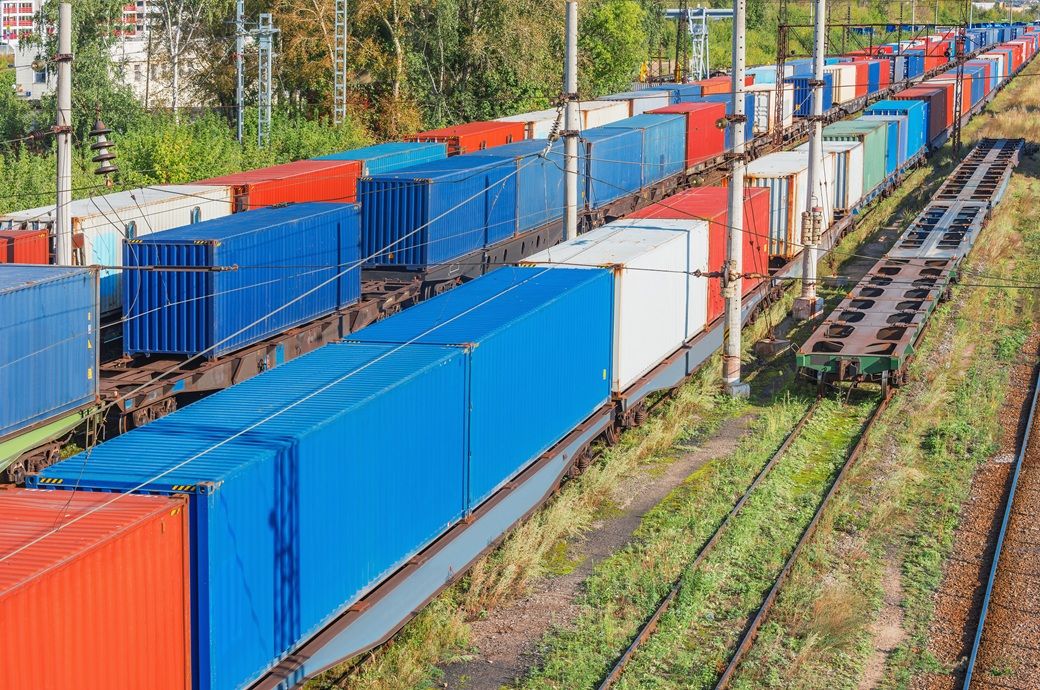
The trains will originate in the Eastern Province, departing from King Abdulaziz Port in Dammam and passing through Jubail Commercial Port and King Fahad Industrial Port, reach destinations in Jordan and countries north of the country.
Saudi Arabia Railways has opened new freight routes linking Arabian Gulf ports to the Haditha border crossing near Jordan.
The trains will start in the Eastern Province, departing from King Abdulaziz Port and passing through Jubail Commercial Port and King Fahad Industrial Port, reach points in Jordan and beyond.
The aim is to boost the flow of goods, support exports and improve supply chain efficiency.
Each freight train will carry more than 400 containers and travel over 1,700 kilometres.
The initiative aims at boosting the flow of goods, supporting exports and improving supply chain efficiency, SAR was cited as saying by Gulf media outlets.
The new route is also expected to strengthen regional trade connectivity, improve maritime integration and boost export movement. It also supports sustainability goals in the logistics and transport sectors and reduces shipping time by up to half compared to other land transport methods.
SAR operates an integrated rail network extending over 5,500 kilometres, providing passenger and freight transport services, including minerals.
Fibre2Fashion News Desk (DS)


Tamil Nadu tops India T&A exports; Haryana fastest-growing major state

Royal family ‘hides’ senior member cancer struggles: Shocking details out

US’ Ralph Lauren unveils ‘Timeless by Design 2030’ sustainability plan

-

 Politics6 days ago
Afghanistan announces release of detained US citizen
-

 Sports6 days ago
Broadcast industry CEO says consolidation is ‘essential’ to compete for NFL soaring media rights prices
-

 Entertainment6 days ago
UN warns migratory freshwater fish numbers are spiralling
-

 Tech6 days ago
Can a Home Appliance Fix the Problem of Soft-Plastic Waste?
-
 Business6 days ago
Property Play: Home flippers see smallest profits since the Great Recession, real estate data firm says
-

 Sports1 week ago
Men’s March Madness live tracker: Updates on Saturday’s games
-

 Sports1 week ago
Arne Slot: Liverpool’s defeat to Brighton ‘hurts a lot’
-
 Business6 days ago
Gold prices soar in Pakistan – SUCH TV