

Business
McDonald’s U.S. boss puts focus on ‘value and affordability’ as consumer spending splits


McDonald’s Meal Deal photographed in Washington, D.C., on Aug. 26, 2024.
Scott Suchman | The Washington Post | Getty Images
McDonald’s leadership is urging operators to stay the course on value offerings as the competition for consumers plays out across the restaurant space.
In a memo to U.S. operators following the company’s third-quarter earnings, McDonald’s U.S. President Joe Erlinger said the brand was “moving in the right direction” as it continues a more-than-yearlong push on value.
“Amid industry pressures, dynamic change, and aggressive competition, winning the fight for contracting traffic means staying customer-obsessed,” Erlinger wrote in the memo, which was viewed by CNBC. The company did not immediately respond to request for comment.
On Wednesday, McDonald’s reported earnings per share and revenue that came in below Wall Street expectations, but its same-store sales were a bright spot, posting positive growth across all segments.
U.S. same-store sales increased more than anticipated, up 2.4%, thanks to a boost from the $2.99 Snack Wrap launch and the introduction of its Extra Value Meals, which Erlinger said drew week-to-week growth.
“While we maintained a positive comp guest count gap, overall [guest counts] continue to decline– underscoring the need for disciplined pricing, value, and affordability,” he wrote in the memo.
Erlinger said the company has “the right plan in place” and said it was poised for a strong fourth quarter, including the benefit of annual comparisons to last year’s E. coli outbreak that dented burger sales.
“We still need to keep our foot on the gas– staying focused on the customer and what we can control,” he said.
CEO Chris Kempczinski told analysts this week that the fast-food chain is seeing signs of a bifurcated consumer base among quick-service restaurants.
He noted “QSR traffic from lower-income consumers declining nearly double-digits in the third quarter, a trend that’s persisted for nearly two years.
“In contrast, QSR traffic growth among higher-income consumers remains strong, increasing nearly double-digits in the quarter. We continue to remain cautious about the health of the consumer in the U.S. and our top international markets, and believe the pressures will continue well into 2026,” he said.
In a separate memo to global operators, Kempczinski said the brand will continue to focus on “sharpening value leadership to meet evolving consumer expectations and increase traffic.”
He added McDonald’s will be “investing in high-potential menu categories– especially Chicken and Beverages– to stay competitive and drive growth.”
McDonald’s is currently testing beverages in 500 restaurants across Wisconsin and Colorado that draw on learnings from its now-shuttered beverage concept, CosMc’s.




A mothballed carbon dioxide plant is to be reopened with a Government grant of up to £100 million amid fears of shortages caused by the Iran war.
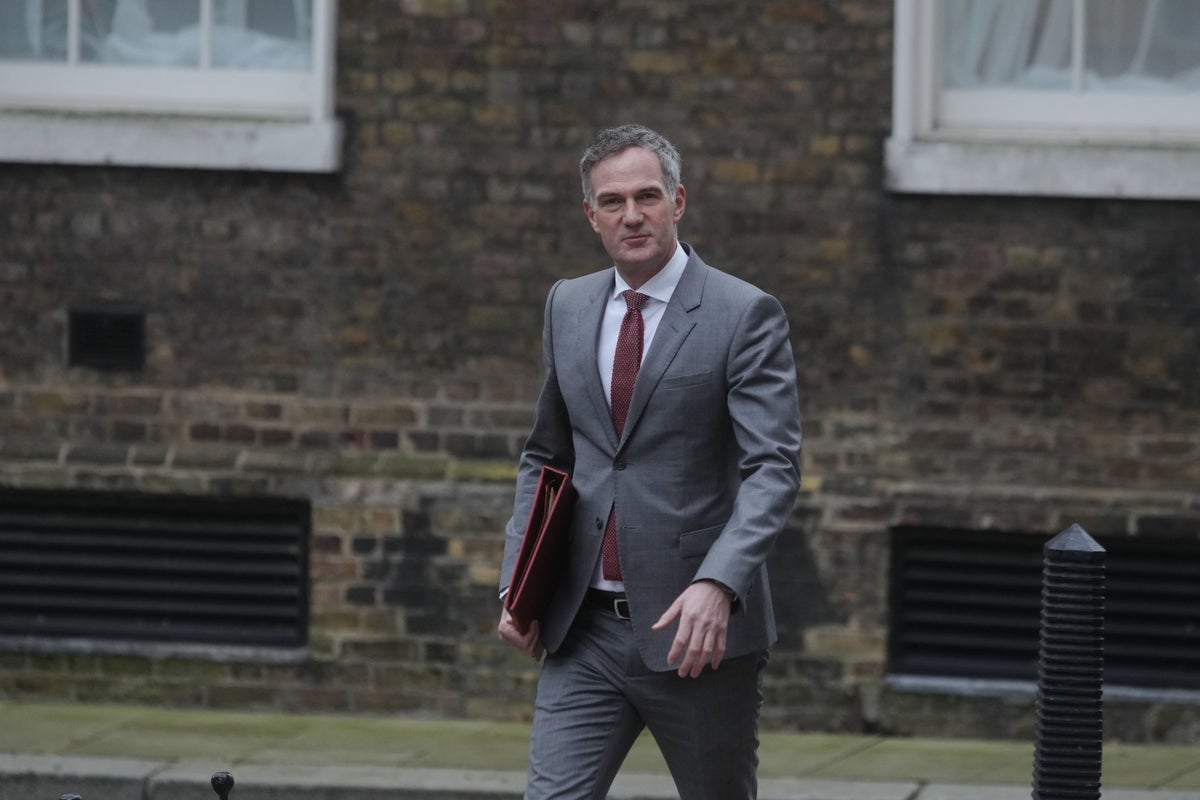
Business Secretary Peter Kyle signed off the grant to reopen the Ensus plant on Teesside, according to the Financial Times.
It is understood the grant will pay to get the plant up and running again for an initial three-month period.
The plant was mothballed last year after a trade deal with the US cut tariffs on bioethanol, its main product.
It will be reopened due to its ability to produce CO2 as a by-product. The gas is vital for several sectors, including drinks and the nuclear industry, but supply has been disrupted thanks to soaring energy costs on other sources such as fertiliser factories.
The grant for the Ensus plant is the first major intervention by the UK Government aimed at tackling possible shortages caused by the Iran conflict.
But fears range much wider than CO2, with former BP executive Nick Butler telling Times Radio the UK could face oil and gas shortages in two to three weeks.
He said: “There will be shortages and I think the Government now should be seriously planning how they’re going to handle that and part of that is maximising supply.”
On Tuesday, Shell chief executive Wael Sawan issued a similar warning at an industry conference.
Ministers continue to insist the supply of petrol remains reliable.
Energy minister Michael Shanks told MPs on Wednesday the Government was “absolutely not” planning for blackouts or petrol rationing, insisting the UK had a “strong and diverse range of supplies”.
The key question remains how long Iran’s effective blockade of the vital Strait of Hormuz will last.
On Thursday, Foreign Secretary Yvette Cooper will urge Iran to reopen the Strait of Hormuz as she travels to the G7 Foreign Ministers’ meeting in France.
She will make clear that the UK will help ensure safe passage for ships through the strait and provide an additional £2m in humanitarian aid to Lebanon.
Ms Cooper is expected to hold talks with counterparts, including US secretary of state Marco Rubio, France’s Jean-Noel Barrot, and Germany’s Johann Wadephul.
The strait remained closed on Wednesday evening, despite Iran’s foreign minister Abbas Araghchi claiming it was open to “non-hostile” shipping.
The conflict continued with Washington saying it would hit Iran “harder” if Tehran refused to accept it had been “defeated militarily”.
White House spokeswoman Karoline Leavitt insisted “productive” talks were continuing between Washington and Tehran.
But Mr Araghchi said in a message on his Telegram channel, translated from Farsi, that there had been “no negotiations or discussions with the American side” and suggested the US had effectively admitted defeat.
He said: “Didn’t they talk about ‘unconditional surrender’ before? What happened now that they are talking about negotiations and calling for them?
“I will explain that there are no negotiations, but the fact that they are mobilising their highest officials to negotiate with the Islamic Republic indicates their acceptance of defeat.”

new video loaded: How Kharg Island May Change the Trajectory of the Iran War
By Peter Eavis, Gilad Thaler, Edward Vega, Lauren Pruitt and Joey Sendaydiego
March 25, 2026
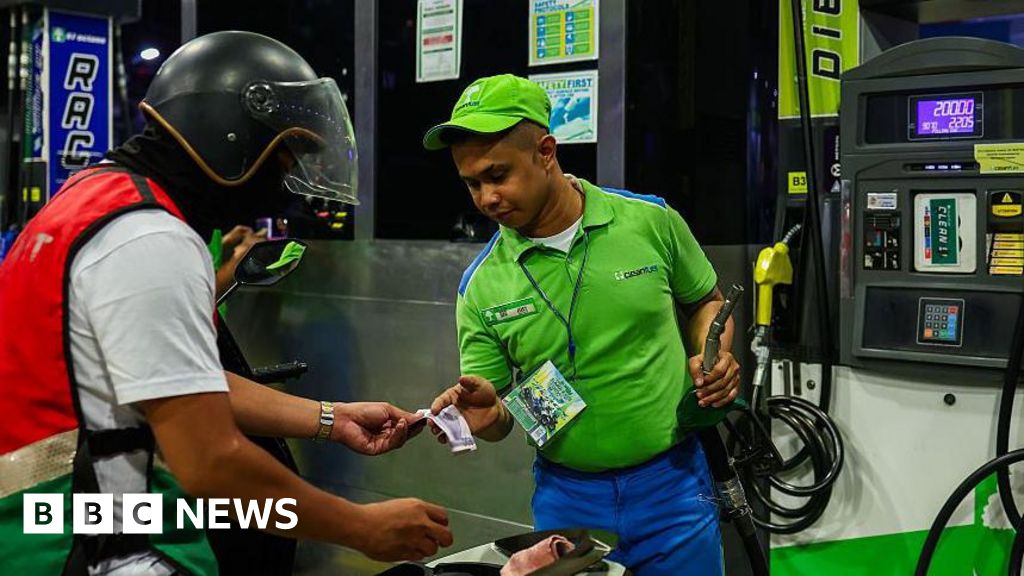
Crude rose back above $100 a barrel as the US and Iran clashed over bringing the conflict to an end.
Source link


Man United’s big night was disappointing, but not their spirit
Government grant to reopen CO2 plant amid fears of Iran-linked shortages

Trump to visit China in May after Iran war delay

Sales at US apparel, clothing accessories stores up 4% YoY in Jan 2026

Justice Department Says Anthropic Can’t Be Trusted With Warfighting Systems

March Madness 2026 – How to watch in SA, start time, schedule, TV channel for NCAA championship basketball tournament

-
 Fashion1 week ago
Sales at US apparel, clothing accessories stores up 4% YoY in Jan 2026
-
 Tech1 week ago
Justice Department Says Anthropic Can’t Be Trusted With Warfighting Systems
-
 Sports1 week ago
March Madness 2026 – How to watch in SA, start time, schedule, TV channel for NCAA championship basketball tournament
-
 Business1 week ago
Stocks and pound rise as US rate call approaches
-

 Entertainment1 week ago
Val Kilmer revived 1 year after death through AI
-
 Politics1 week ago
Iran strikes Tel Aviv with cluster-warhead missiles in retaliation of Larijani’s martyrdom
-
 Business1 week ago
Brits cashing in jewellery as gold price hits record high
-
 Fashion1 week ago
Spain’s Inditex FY25 sales rise 3.2% to $46.28 bn amid strong demand