

Fashion
Missoni: Hemlines shorten, as fashion travels from sea to city

Published
September 24, 2025
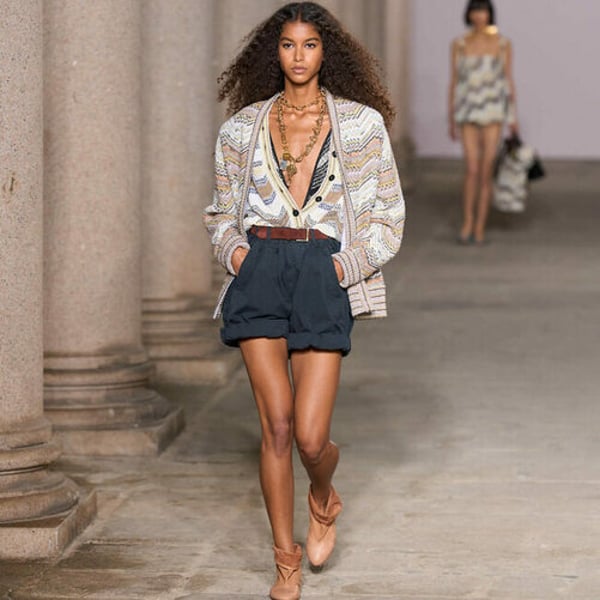
For Spring/Summer 2026, Alberto Caliri, Missoni‘s creative director, has conceived an everyday wardrobe. Moods and attitudes were ‘Missoni-fied’ through relentless exploration of colour and materials and the vibrant, composite rhythm of the patterns, resulting in garments designed to be worn day after day, in real life.
“In the proposal for next summer, I chose to start from the beachwear collection and bring it into an urban context, guided by an idea of lightness and versatility. I have reprised the very short silhouettes of my debut, also because we feel it is right to give continuity to a style we believe in rather than change it every six months,” the designer told FashionNetwork.com.
“I realise that our work is changing, shifting from pure proposition to listening to what the market is asking for. Our offering for next spring/summer is definitely very young, but it still leaves room for different interpretations.”

The horizon into which the collection expanded is the sea, understood not so much as the beach as the flow of days spent in swift succession, of occasions that carry one from the shoreline to the city and back again. Binding it all together was a sense of spontaneity: the pure instinct to dress by blending new garments with inherited pieces, things found in a wardrobe and instantly made one’s own: his cardigan and blouson, the striped shirt, the cashmere waistcoat, the shorts, even the terry towel.

The stylistic gesture was decisive, asserting as its identifying signature a silhouette reiterated from the previous season: voluminous yet abbreviated, with bare legs. Everything shortened, to the point that bikini briefs replaced trousers, which otherwise were shorts with rolled hems.
The impulse to shorten was pervasive: even tactile jumpers and blazers broadened at the shoulders only to contract at the hem, while mini dresses became backless T-shirts. The twinset was refreshed, taking the form of a waistcoat coordinated with a little sundress.

In addition to the wonderful ready-to-wear, many accessories stood out on the catwalk: a multitude of bags, small berets, soft ankle boots, flat shoes, and oversized jewellery.
“We are expanding our universe more and more in this area. We want women to be able to carry Missoni with them at all times, without necessarily wearing a dress or a cardigan from the label,” Caliri concluded.
This article is an automatic translation.
Click here to read the original article.
Copyright © 2025 FashionNetwork.com All rights reserved.



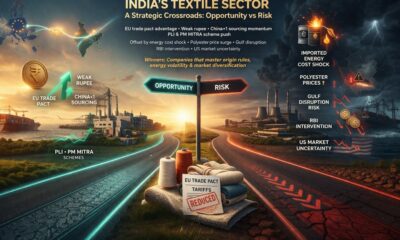




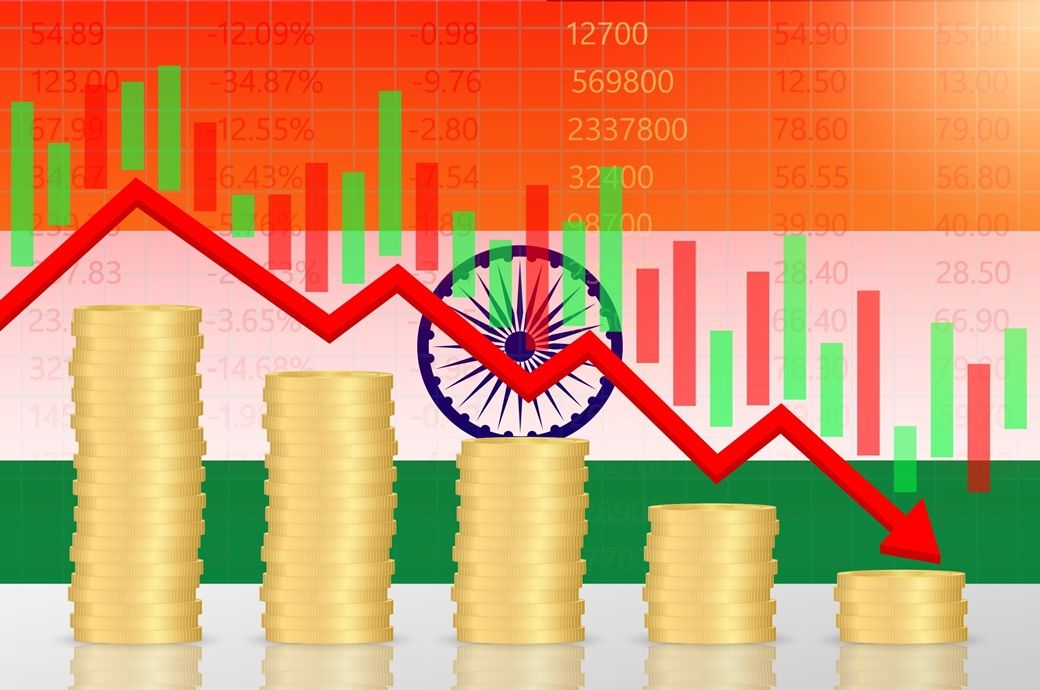
While trends in high frequency indicators for January-February 2026 appear favourable, the heightened uncertainty around the duration of the Middle East conflict casts a shadow on the near-term macroeconomic outlook for India amid high import dependency for items like crude oil, natural gas and fertilisers, it noted.
India’s FY27 GDP growth is likely to slow to 6.5 per cent from the projected 7.5 per cent in FY26 owing to the impact of higher energy prices and concerns around energy availability, ICRA Ratings said.
The heightened uncertainty around the duration of the Iran war casts a shadow on the near-term macroeconomic outlook for India.
If the conflict lasts longer, the adverse effects could widen across sectors.
If the conflict lasts for an extended period, the adverse implications of the same could widen across sectors, amid an uptick in input costs and the consequent impact on profitability of the India corporate sector.
Amid the projected uptrend in the consumer price index-based inflation in FY27 with risks tilted to the upside, ICRA Ratings expects an extended pause on the policy rates by the central bank’s monetary policy committee in the fiscal despite the anticipated softening in the GDP growth. However, it expects the Reserve Bank of India to continue to intervene on the liquidity front during FY27.
The available data for January–February FY2026 indicate a positive trend across most non-agricultural indicators, with the year-on-year performance of 12 out of 18 indicators improving compared to the third quarter of FY26, while the remaining six deteriorated.
Fibre2Fashion News Desk (DS)
Indonesia’s apparel exports rose modestly to $8.705 billion in 2025 from $8.316 billion in 2024, reflecting gradual recovery.
The US remained dominant, accounting for over 56 per cent of shipments, highlighting growing market dependence.
While Japan, South Korea and Europe offered stability, exports stayed concentrated in key products and segments.
Source link
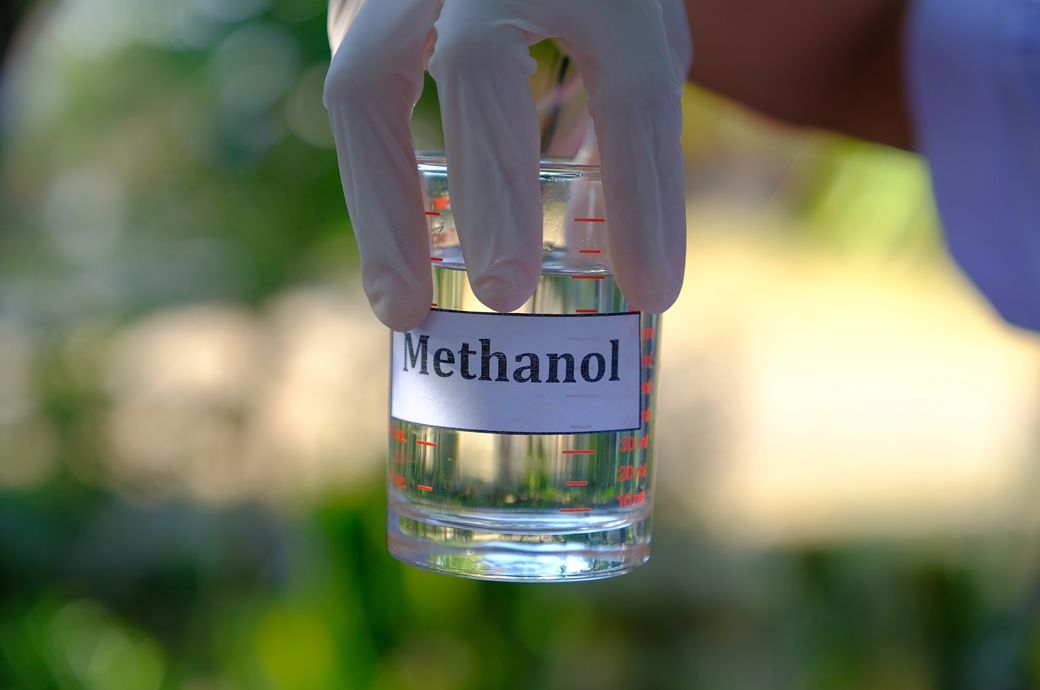
Methanol prices in India have surged nearly 150 per cent from pre-Iran–US tension levels, tracking a sharp rise in crude oil and tightening global energy markets.
Hormuz disruption risks, limited rerouting capacity, rising freight and insurance costs, and constrained imports are fuelling volatility, with prices seen approaching ₹90 per kg.
Source link


Charleston hires Akron’s John Groce as men’s basketball coach
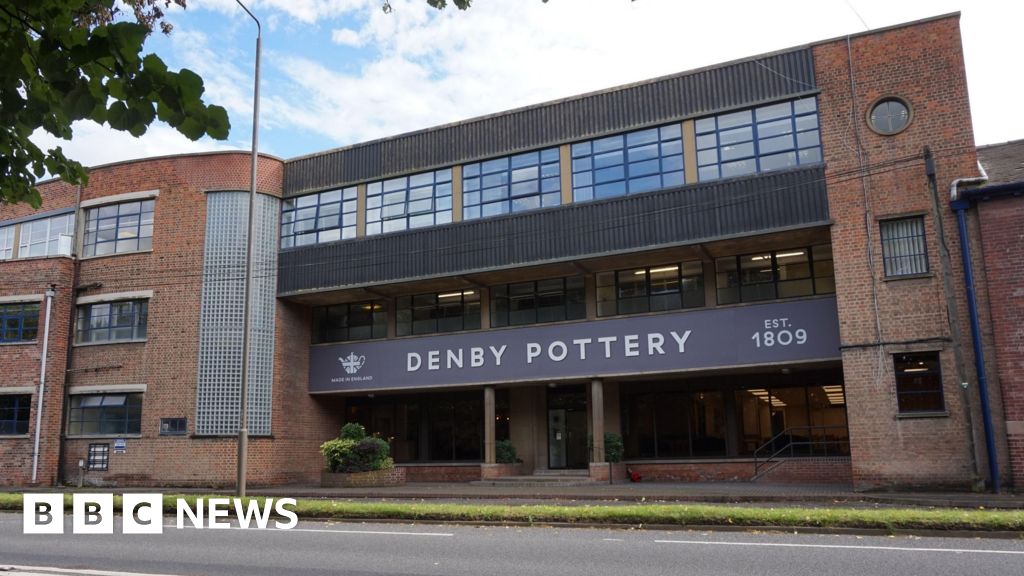
Pottery firm Denby appoints administrators in ‘necessary step’

In a Big Reversal, Zohran Mamdani Tells NYC Agencies to Use TikTok

-

 Politics1 week ago
Afghanistan announces release of detained US citizen
-

 Sports1 week ago
Broadcast industry CEO says consolidation is ‘essential’ to compete for NFL soaring media rights prices
-

 Entertainment1 week ago
UN warns migratory freshwater fish numbers are spiralling
-

 Tech1 week ago
Can a Home Appliance Fix the Problem of Soft-Plastic Waste?
-
 Business1 week ago
Property Play: Home flippers see smallest profits since the Great Recession, real estate data firm says
-
 Business1 week ago
Gold prices soar in Pakistan – SUCH TV
-

 Fashion1 week ago
ICE cotton slips on weaker crude, profit booking
-
 Business1 week ago
More women are entering wealth management, but few are in advisory roles, study finds