

Fashion
Camille Miceli: “The Pucci woman wants to express who she is”

Published
September 24, 2025
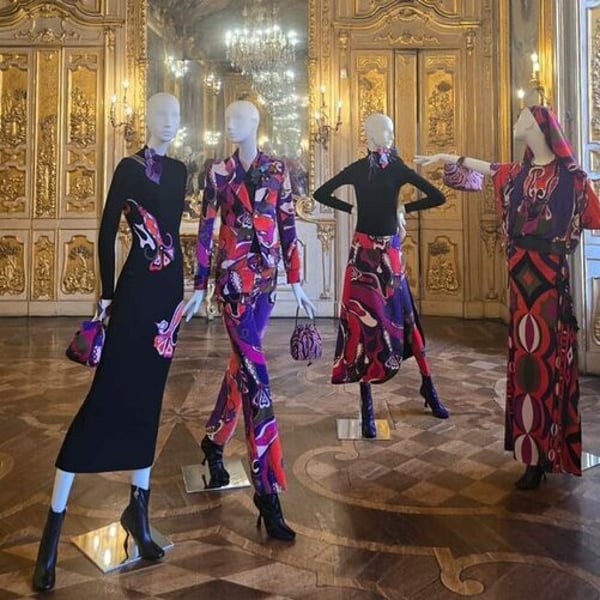
Pucci’s artistic director, Camille Miceli, unveiled on Wednesday the essence of the house for FashionNetwork.com, while presenting the brand’s Spring/Summer 2026 collection at the height of Milan Fashion Week.
“Women use fashion to feel free, to dare. Pucci’s success comes from its strong personality; by wearing it, a woman shows who she is,” the designer summarised.
Entitled “Passepartout” – in homage to the television programme presented by Philippe Daverio from 2001 to 2011 – Pucci’s new collection has been unveiled through a campaign shot by Oliver Hadlee Pearch, capturing Naomi Campbell as she embodies the brand’s ultimate freedom and sensuality amid strobe lights that heighten the glamorous, glittering, statuesque beauty of the iconic supermodel.
“The first thing I work on is prints, looking through the brand’s archives. Usually I am very attracted to the 1970s, but for this collection I sought something cleaner. We work on colours and shapes, but we always respect the original designs,” Miceli said of her creative process.
“Among the key pieces in this collection are definitely the suits, which we worked on extensively; I find them very feminine. We continue to expand our offering, which already includes bags, footwear, eyewear, bijoux and lifestyle accessories.”

For Spring 2026, Pucci presented a collection for every occasion, with each look designed to turn heads. Archival prints were reinterpreted and more dynamic than ever. Labirinto (1969) is a rhythmic pattern of irregular shapes reminiscent of leopard spots in a black, beige and gold palette. Istrice (1957) alternates rounded and jagged lines in a groovy motif in shades of fuchsia, red and purple. Collane (1970) offers a vertical geometric play of circles and diamonds. Volute elongates into a motif as streamlined as it is evocative. Astro, with its spiral graphic, was among Emilio Pucci’s favourite prints for kaftans. Hawaii (1969) bursts like a solar emblem against a solid background.
In the campaign, Naomi sets the tone for the collection, dancing in a lustrous lurex-jersey Iride dress or a Labirinto knit dress and skirt in black and gold. Beyond the animal-print effect, the materials in the Passepartout collection absorbed and reflected the season’s prints, from sheer dresses in gleaming chiffon to winter-weight jacquards in various yarns and printed knits. A body-skimming tailored velvet suit was heightened by the kaleidoscopic Orchidee print. The palette moved from warm, intense black-and-gold tones towards cooler shades. Finally, poolside hues of turquoise and blue bathe the terry ensembles, designed for days in the sun.

From shoes to bags, surfaces and detailing spotlighted Pucci signatures. Contrasts of matt and glossy drew the eye to Marmo bags, baguettes and hobo bags, and to over-the-knee boots, while small day-to-night bags were reimagined in Labirinto nylon or vivid red, in bracelet-like shapes. The angular heel returned, with chains that adorn the foot. Jewellery expressed different personalities, from woven chains to creations resembling a curved raven — bold and eye-catching. Handmade leather flowers were offered as brooches and as charms for embossed bags and belts. The iconic scarves ranged from classic silk squares to slim styles embellished with gold chains.

Pucci rounded out its offering with lifestyle accessories such as a purple-and-red silk jewellery box in the Iride motif, an umbrella in the same shades that can be carried over the shoulder, and a neck pillow for relaxing poolside.
This article is an automatic translation.
Click here to read the original article.
Copyright © 2025 FashionNetwork.com All rights reserved.






PTA prices recorded notable declines across key Asian benchmarks, tracking crude oil weakness rooted in evolving geopolitical signals. The correction was broad-based, spanning China, Southeast Asia, and South Korea, while India**;s CIF price held steady reflecting the lag in import contract structures and limited spot availability in the domestic market on the day.
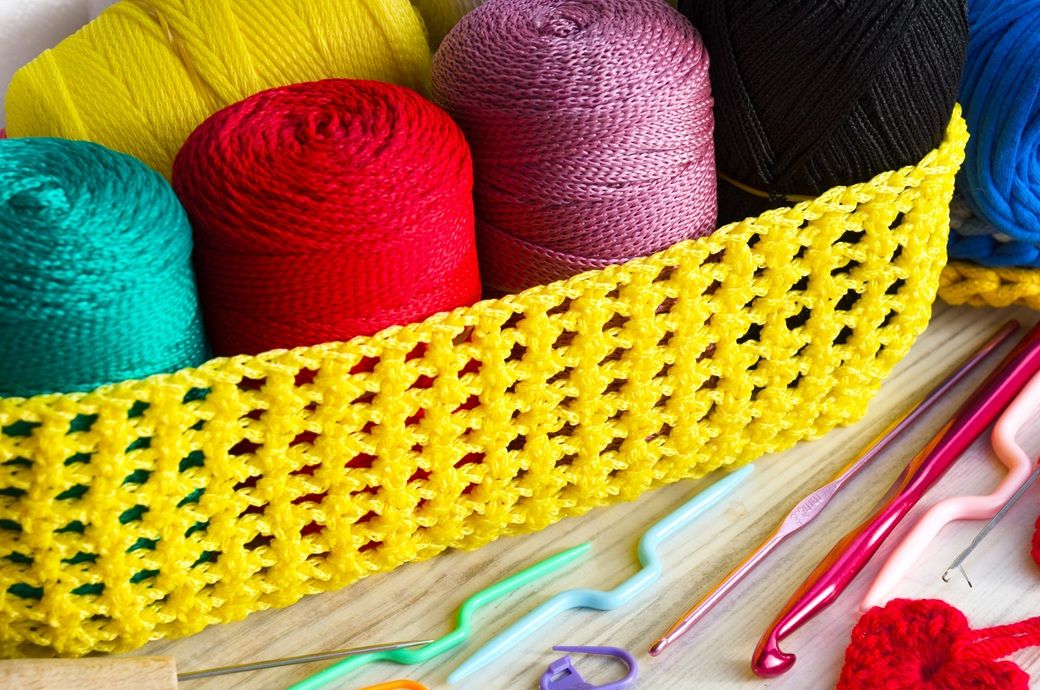
The *** per cent Polyester Yarn market witnessed a slightly negative trend during the assessed period, with mild price corrections observed across both yarn grades in the Asia Free on Board (FOB) China market. Prices for **s (*** per cent polyester yarn) declined from around $*.***/kg to nearly $*.***/kg, registering a decrease of approximately *.** per cent.
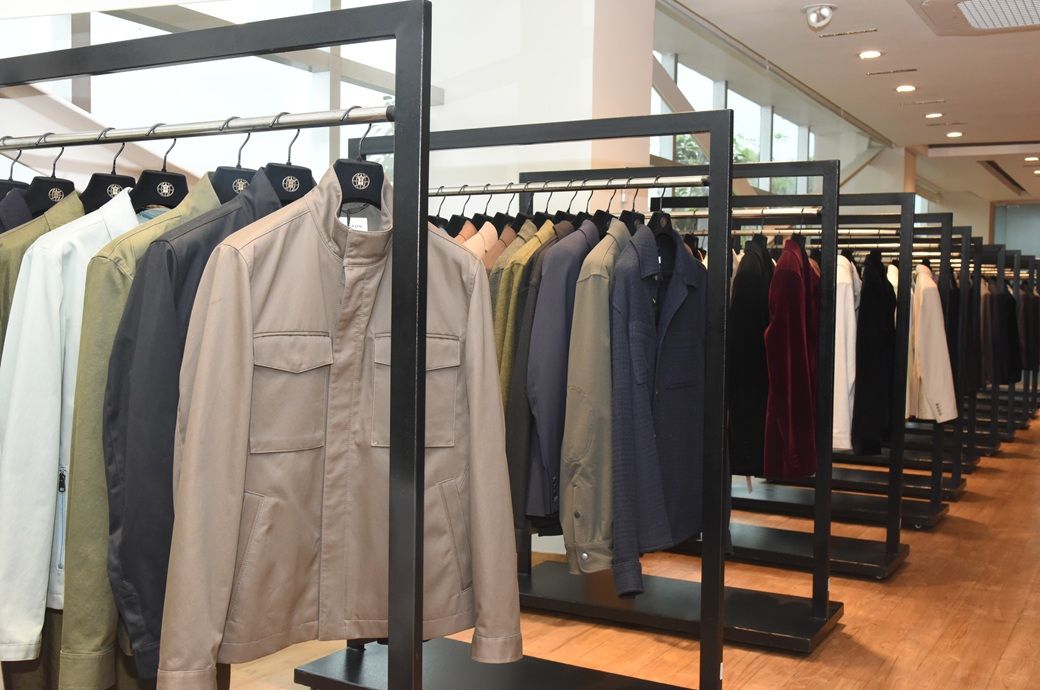
The pivot is urgent because the old model is under pressure. April **** looked strong: Ready-Made Garment (RMG) exports rose **.** per cent year on year to $*.** billion. But the ten-month picture is weaker. From July-April FY****–**, apparel exports stood at $**.** billion, down *.** per cent. Knitwear fell *.** per cent to $**.** billion; woven fell *.** per cent to $**.** billion. The rebound is real, but so is the drag underneath.
AWARE is the sharpest EU-facing signal: blockchain-backed product data for Digital Product Passport (DPP) readiness. Open Supply Hub adds the factory-identity layer, pushing production information into an open platform. GIZ brings the longer reform spine, from May **** to February ****, covering energy efficiency, circularity, chemical management, renewable-energy skills and textile-waste transparency.
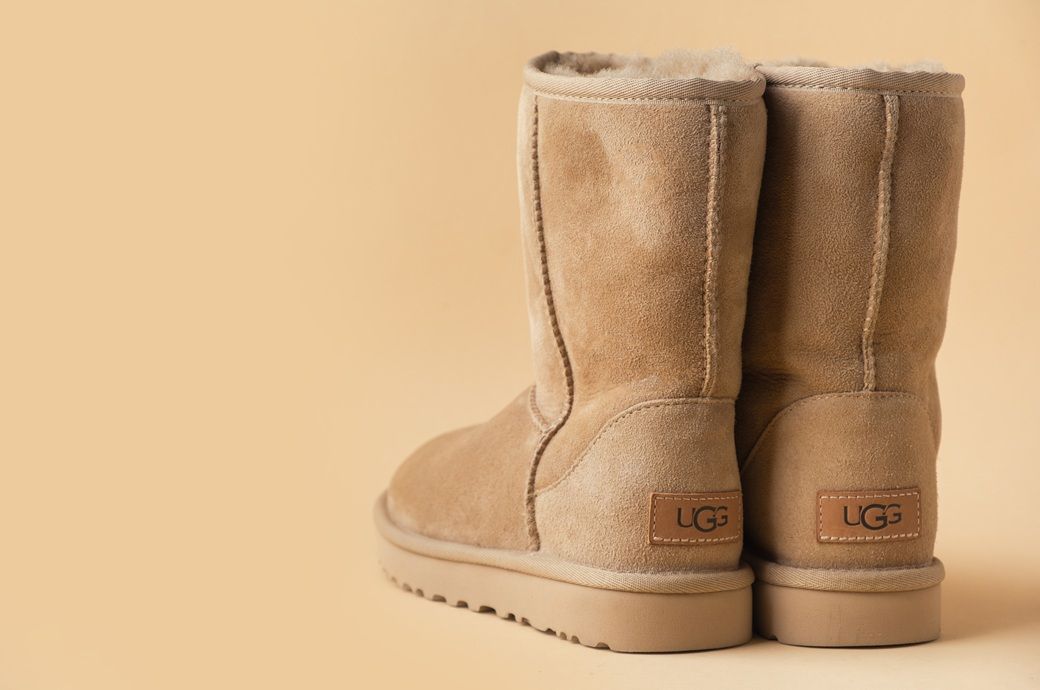
Kenneth Straka, Senior Product Development Manager at Deckers Outdoor Corporation, said that Deckers places strong emphasis on sustainability, noting that founder John Luke often reminded the team that the French word for sustainability is durability. This idea aligned with discussions at the Global Fashion Summit, where the theme centred on “Building Resilient Futures” in the sustainable and circular economy.
Durability has helped UGG become one of the most sought-after boot brands and a key sales driver for Deckers, alongside its sportswear brand Hoka. “One of the things we think about in terms of circularity is making products that last a long time and remain with consumers throughout their lives. We want products that consumers can wear for ** or ** years,” Straka said in an interview with Fibre*Fashion on the sidelines of the Global Fashion Summit in Copenhagen.


Polyester yarn prices ease as PTA weakens on limited demand

The border as lifeline

Bangladesh apparel reset: Compliance edge or energy trap?

-

 Entertainment5 days ago
Conan O’Brien hat tricks as Oscar host
-

 Tech1 week ago
I Tried the Best Captioning Smart Glasses, and Only One Leads the Pack
-

 Tech1 week ago
Could Contact-Tracing Apps Help With the Hantavirus? Not Really
-

 Fashion5 days ago
Italy’s Zegna Group’s Q1 growth boosted by strong organic performance
-

 Sports1 week ago
Bobby Cox, legendary Atlanta Braves manager who led 1995 World Series champions, dead at 84
-

 Entertainment1 week ago
Martin Short: Facing tragedy with joy
-

 Entertainment1 week ago
Tom Brady gets back at Kevin Hart during Netflix roast
-

 Entertainment1 week ago
Martha Stewart: How to make an omelet