

Business
MPs urge maximum pressure on US over tariffs ahead of Donald Trump’s state visit

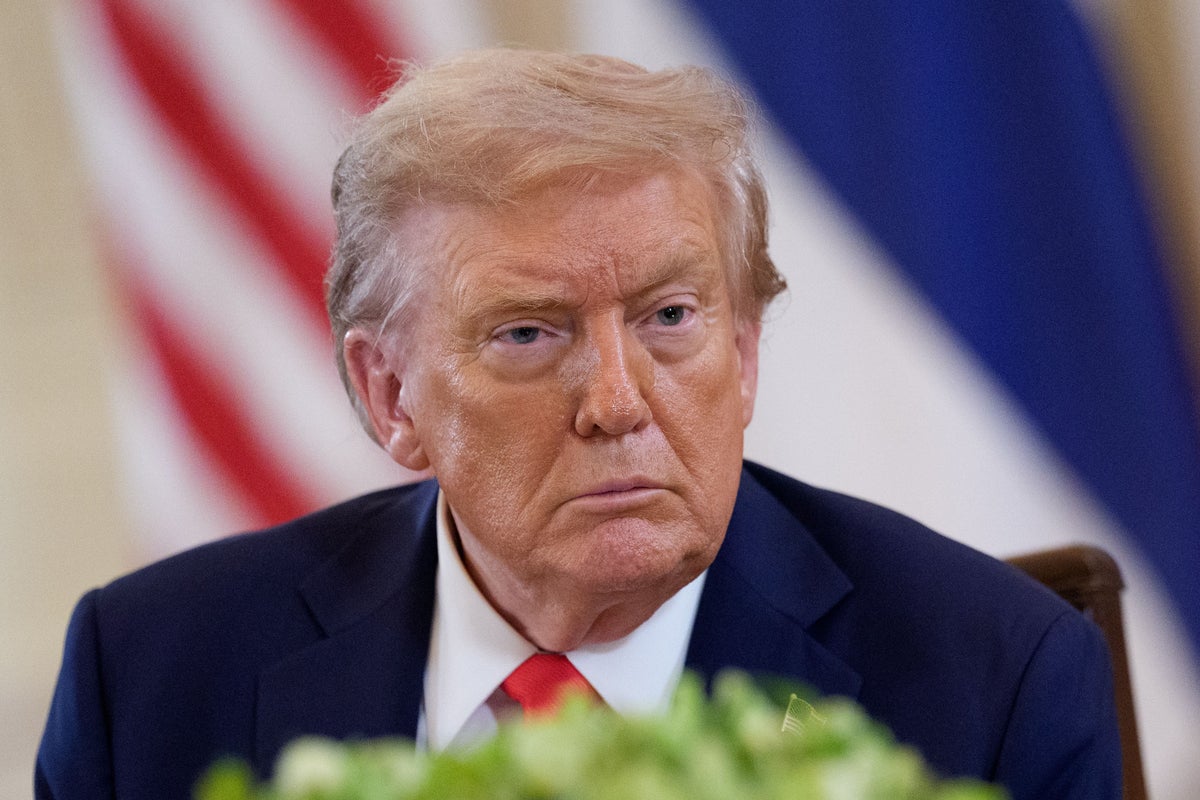
MPs have called for the Government to maximise pressure on the US to secure relief from tariffs ahead of Donald Trump’s state visit.
The Commons Business and Trade Committee said the visit next week is the moment to put pressure on the US president to agree to the final terms of the so-called economic prosperity deal.
The UK and US signed a trade deal in June that reduced tariffs on car and aerospace imports to the US, but failed to agree on terms for British steel, leaving tariffs on it at 25%.
In a report on the deal, the committee welcomed the Government securing swift tariff relief for key sectors.
“It is however now vital that Government maximises pressure on the United States — beginning and following the president’s state visit — to agree final terms for a lasting economic prosperity deal to end the threat of future sectoral tariffs, maximise predictability and that where the UK has secured terms which are second best to the EU, we aim to improve them,” they said.
Committee chairman Liam Byrne MP said the state visit is “no mere pageant”.
He said: “It is a test of whether Britain and America build a safer, richer future – or remain trapped in tariff fights that serve neither nation well. Sir Keir Starmer deserves credit for securing the economic prosperity deal.
“But we can’t escape the truth that Britain now trades with its biggest partner on terms that are worse than the past, the EU has in places secured a better edge, and key sectors of our economy still face the peril of new tariffs. That means jobs hang in the balance and investment waits on certainty.”
The committee also urged the Government to seal a deal on aluminium and pharmaceuticals and for any final agreement to reflect the realities of the UK’s supply chains and transition to low-carbon production.
It said the UK should leverage the US partnership to gain an edge over China in artificial intelligence and defence technology, de-risked supply chains and greater security for critical minerals supplies.
“Britain’s science, AI and the City of London, joined with America’s tech giants and venture markets, could set the standards of this century and help secure western leadership over China for decades to come,” Mr Byrne said.
“But that means we have got to turn paper promises into a binding bargain that ends the tariff tempest that is battering British exporters and investors.”
It comes as US financial firms have announced investments in the UK worth £1.25 billion before Mr Trump’s state visit.
Citi Group has confirmed it will invest £1.1 billion across its UK operations, while S&P Global will put £4 million into its Manchester offices.
PayPal has confirmed a £150 million investment in product innovations and growth and Bank of America will create up to 1,000 new jobs in Belfast in its first operation in Northern Ireland.
Alongside the new investment announcements, companies are committing to ramp up commercial activity between the US and UK in the coming years.
Blackrock is allocating £7 billion to the UK market over five years, while Rothesay is planning to double its investment in the US with another £7 billion in the coming years.
The investment and capital commitments line up some £20 billion trade between the two countries – with some £8 billion to come to the UK and £12 billion to go to the US, the Department for Business and Trade said.
Business and Trade Secretary Peter Kyle said: “These investments reflect the strength of our enduring ‘golden corridor’ with one of our closest trading partners, ahead of the US presidential state visit.”
Tech giants OpenAI and Nvidia are reportedly planning to unveil billions of dollars of investment into UK data centres during the visit next week.
Sam Altman, the boss of ChatGPT-maker OpenAI, and chipmaker Nvidia’s chief executive Jensen Huang are understood to be part of a delegation of US executives to join Mr Trump.
The US president’s two-day trip begins on Wednesday and includes an overnight stay at Windsor Castle.
A Government spokesperson said: “Our special relationship with the US remains strong.
“Thanks to our trade deal, the UK is still the only country to have avoided 50% steel and aluminium tariffs, and we continue to partner on technologies such as AI, quantum, and cyber security in our trillion-dollar tech sectors.
“We will work with the US to implement this landmark deal as soon as possible to give industry the security they need, protect vital jobs, and put more money in people’s pockets through the plan for change, as well as welcoming the president on this historic state visit.”
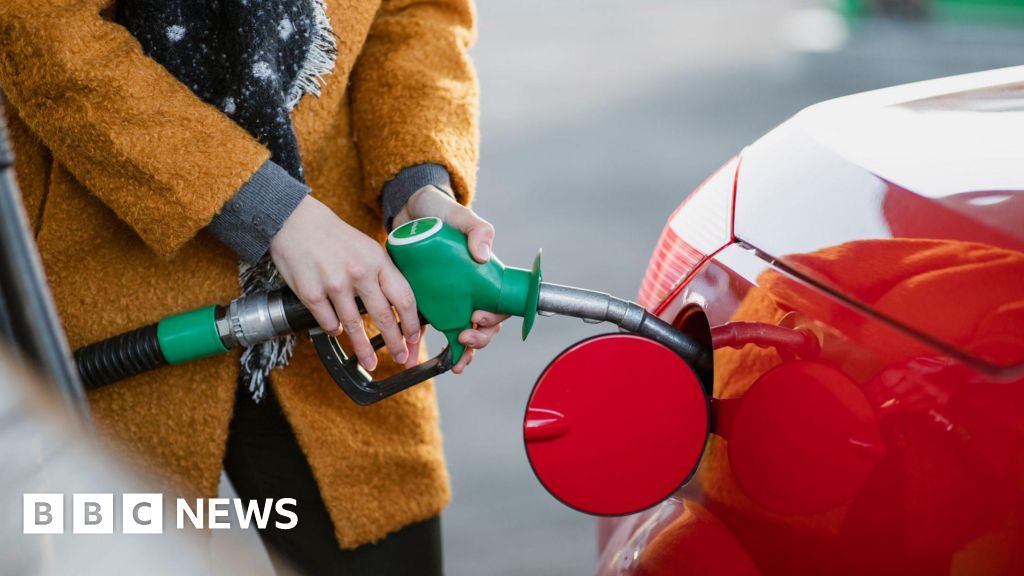
Motorists are facing higher fuel prices ahead of Easter break due to the conflict in the Middle East, the RAC says.
Source link
Business
E-cheques coming soon? RBI unveils Payments Vision 2028, plans wider oversight of digital players – The Times of India
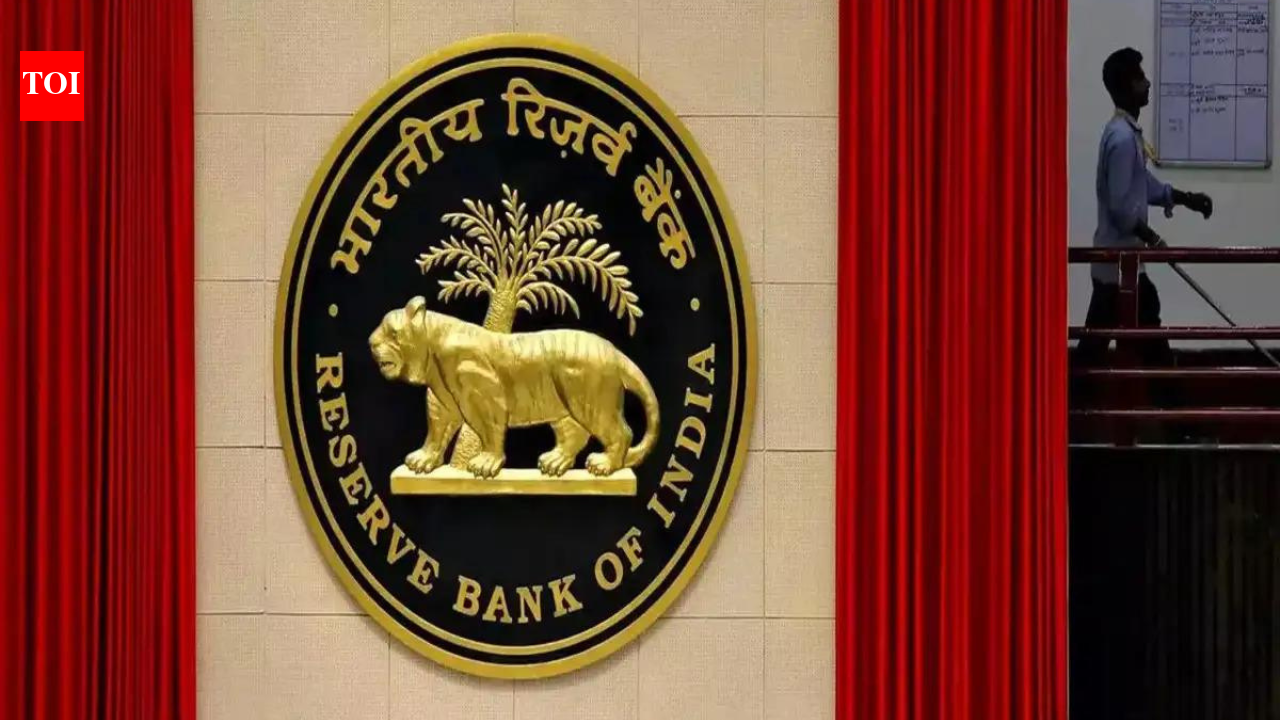
The Reserve Bank of India (RBI) on Friday unveiled its ‘Payments Vision 2028’ document, outlining a roadmap that includes exploring electronic cheques, expanding regulatory oversight to digital platforms, and strengthening safeguards in the fast-growing payments ecosystem, PTI reported.The central bank said it will examine the introduction of e-cheques to combine the advantages of paper instruments with the speed and reliability of digital payments. “To leverage the unique benefits of paper-based instruments and the speed and reliability of electronic payments, and cater to new business use cases, the introduction of electronic cheques in India shall be explored,” the RBI said.Alongside, the RBI is considering widening the regulatory ambit to include entities such as e-commerce marketplaces and centralised platforms that play a growing role in facilitating digital transactions.“In addition, e-commerce marketplaces and centralized platforms have been assuming significant responsibilities that could have implications on the orderly functioning of the payments ecosystem. These aspects shall be examined in detail and, if required, the scope of direct regulations shall be extended to cover such entities,” the document said.The vision document also proposes allowing users to enable or disable transactions across digital payment modes, similar to controls available for card transactions.To address fraud risks, the RBI is exploring a “shared responsibility framework” under which both the issuing bank and the beneficiary bank would share liability in cases of unauthorised digital transactions.The central bank also plans to review cheque design and security features, introduce a Domestic Legal Entity Identifier (DLEI) framework for better transaction traceability, and bring in a Cyber Key Risk Indicators (KRI) framework for non-bank payment system operators.Other initiatives include exploring white-label solutions in the Aadhaar Enabled Payment System (AePS), developing interoperability in the Trade Receivables e-Discounting System (TReDS), and introducing a ‘Payments Switching Service’ to ease customer migration across platforms.The RBI said it will also review the cross-border payments ecosystem to improve efficiency and streamline authorisation processes, alongside publishing periodic reports on global and domestic payment trends.Additionally, the central bank aims to enhance access to payment data and reimagine the card payments ecosystem by promoting secure tokenisation, improved transparency in pricing, and greater choice for users and merchants.

Hyderabad: Pharma player Hetero on Friday said it has rolled out exports of its generic semaglutide injection portfolio as part of a multi-year plan to widen access to treatments for type 2 diabetes and obesity in more than 75 countries.The Hyderabad-based pharmaceutical company said initial rollouts are under way in Africa, Asia and the Middle East, with additional launches planned in other markets subject to regulatory approvals.The injectable therapies will be sold under the brand names Truglyx, Rolmodl and Moto G. Semaglutide belongs to the GLP-1 class of medicines, which are used in diabetes care and weight management.Hetero said the export launch is part of its broader strategy to improve access to advanced cardio-metabolic therapies, particularly in emerging markets.The company said the products will be offered in multi-dose disposable pen devices designed in line with innovator formats and will be available in several strengths, including 0.25 mg, 0.5 mg, 1 mg, 2 mg, 1.7 mg and 2.4 mg, allowing dosing flexibility for both diabetes and obesity treatment.Hetero said it is also awaiting approval from India’s Central Drugs Standard Control Organisation (CDSCO) after completing clinical trials in type 2 diabetes and obesity and plans an India launch after regulatory clearance.Hetero managing director Dr Vamsi Krishna Bandi said the company aims to provide high-quality, affordable generic semaglutide through a single global product platform backed by its manufacturing and development capabilities.He said Hetero would use its commercial networks across Asia, the Middle East, Africa and Latin America to support supply and access. The Hyderabad-headquartered Hetero operates in more than 145 countries and employs over 30,000 people.


Iran’s soccer team honors victims of elementary school airstrike

Tiger Woods arrested at crash scene on suspicion of DUI, sheriff says

Mentor calls Ryan Gosling to ‘Days of Our Lives’ set

-
 Business7 days ago
Flipkart group CFO to leave co amid IPO plans – The Times of India
-

 Fashion7 days ago
China’s textile & apparel exports surge 17% to $50 bn in Jan-Feb 2026
-
 Business1 week ago
Video: The Effects of High Oil Prices
-

 Sports1 week ago
Rating Adidas’ 2026 World Cup away shirts: Argentina, Spain, Mexico and more
-

 Fashion1 week ago
The hidden $1.62 war tax now embedded in every garment you source
-

 Sports1 week ago
American Conference Commissioner Tim Pernetti thanks Trump for Army-Navy game executive order
-
Tech1 week ago
The Corsair 4000D RS PC Case Keeps Your System Cool
-

 Tech1 week ago
‘Uncanny Valley’: Nvidia’s ‘Super Bowl of AI,’ Tesla Disappoints, and Meta’s VR Metaverse ‘Shutdown’