

Business
Naqvi urges business community to bring back 20-30% of offshore funds | The Express Tribune

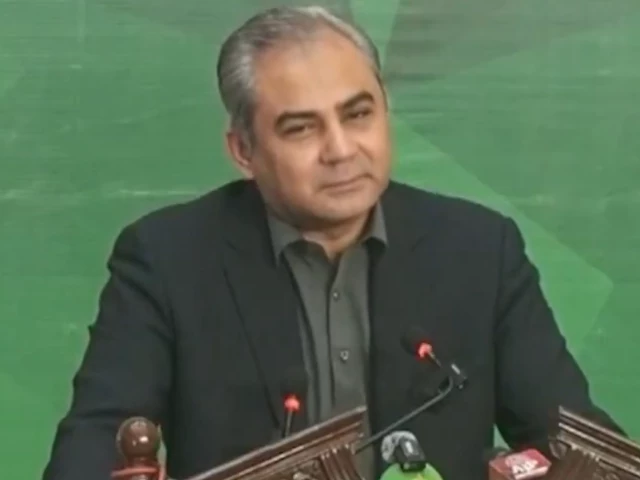
Interior minister says if traders act decisively, up to $10b could return to Pakistan before upcoming budget
KARACHI:
Interior Minister Mohsin Naqvi on Tuesday urged the business community to repatriate a portion of overseas-held wealth, estimating that nearly $100 billion has been moved out of the country over the past three to four years.
Addressing business leaders in Karachi, the minister said that if traders act decisively, up to $10b could return to Pakistan before the upcoming budget.
He encouraged investors to utilise existing financial channels, including Roshan Digital Accounts, to bring back between 20-30% of their offshore funds.
He assured the business community that the government would provide a more conducive and business-friendly environment, emphasising that Pakistan offered some of the highest returns on investment globally.
“If you invest in Pakistan, the level of profit available here is unmatched anywhere in the world,” he said.
The minister revealed that a proposal was being prepared to introduce a special passport for genuine businesspersons, similar to official and diplomatic passports. The proposal would soon be presented to Prime Minister Shehbaz Sharif.
“The initiative aims to ease visa-related challenges faced by legitimate traders, particularly for travel to countries such as China, the United States, Europe and the United Kingdom,” he added.
Highlighting governance reforms, Naqvi said the Federal Investigation Agency (FIA) would be made more business-friendly, stressing that the entire business community should not suffer due to the actions of a small minority. However, he warned that strict action would be taken against those involved in illegal money transfers.
He acknowledged concerns regarding the role of money changers, stating that several major transaction groups in Karachi had already been identified and would face action without leniency.
Naqvi also questioned the effectiveness of the current system, suggesting that financial transactions could be better regulated through formal banking channels.
On broader economic development, the minister noted the government was actively working on housing sector reforms despite challenges linked to the International Monetary Fund, expressing optimism that positive developments would be announced soon.
He also highlighted investment opportunities in infrastructure and tourism.
Referring to plans in Islamabad, he said there was strong demand for new hotels and that development was underway to transform areas near the Margalla Hills into a modern urban hub inspired by global cities.
Additionally, Naqvi pointed to tourism potential in Balochistan, particularly Astola Island, which he said could rival international destinations if developed properly. He indicated that the government would engage with provincial leadership to promote investment through roadshows and infrastructure development.
Reiterating the government’s commitment, the interior minister said creating a business-friendly environment remained a top priority, urging both domestic and overseas Pakistanis to seize emerging opportunities and contribute to the country’s economic growth.







Business
Rs 20,000 crore gold, silver rush: What will people buy this Akshaya Tritiya? – The Times of India
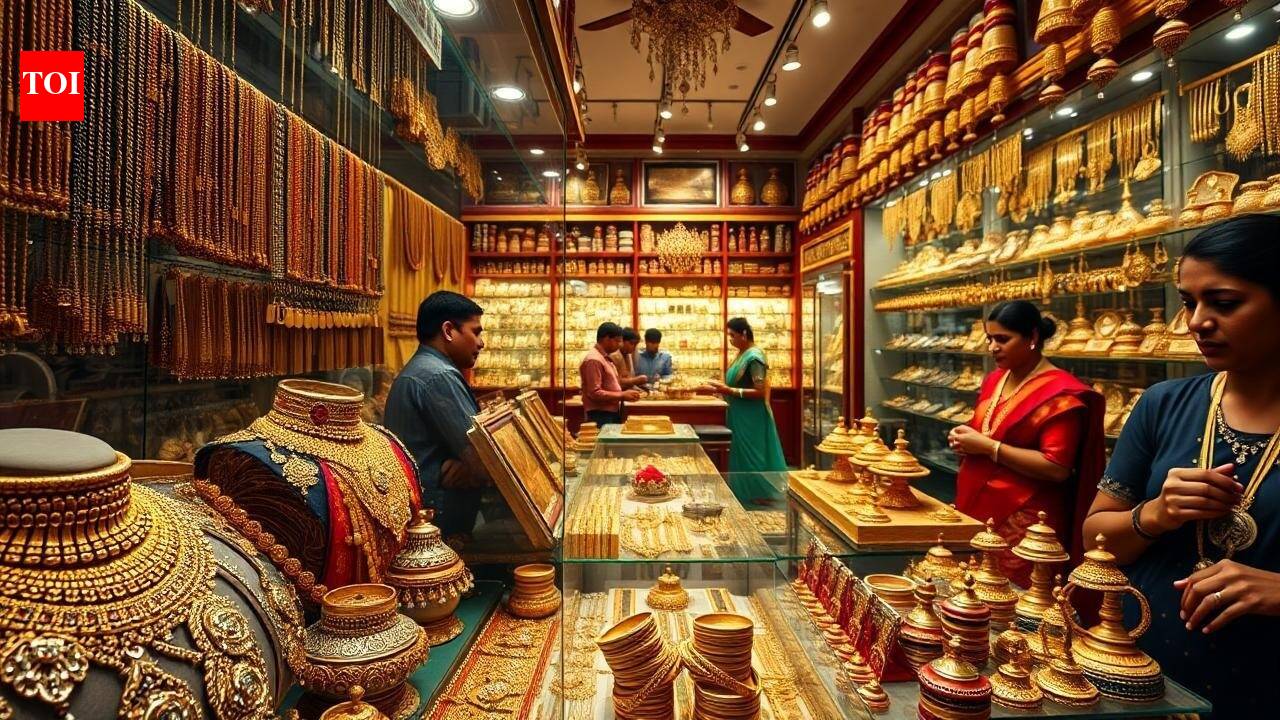
This Akshaya Tritiya, India’s gold and silver markets are heading for bumper purchases, with overall trade likely to cross Rs 20,000 crore even as record-high prices reshape buying patterns. The estimate, shared by the Confederation of All India Traders (CAIT), is higher than last year’s Rs 16,000 crore, signalling growth in value despite a sharp rise in bullion rates.Prices for the yellow metal have surged sharply over the past year, going from Rs 1,00,000 per 10 grams, to Rs 1.58 lakh. Meanwhile, silver has shown a steeper rally, jumping from Rs 85,000 per kilogram to Rs 2.55 lakh per kilogram. According to CAIT, this sharp escalation has not weakened demand, but is instead prompting consumers to make more deliberate and value-oriented purchases.Praveen Khandelwal, member of parliament from Chandni Chowk and secretary general of CAIT told ANI, “Akshaya Tritiya has traditionally been one of India’s most auspicious occasions for purchasing gold… While gold continues to dominate, the nature of purchasing is evolving significantly in response to steep price escalation.”Commenting on customer preference, CAIT national president BC Bhartia highlighted, “There is a clear shift towards lightweight, wearable jewellery, alongside a stronger focus on silver and diamond products. Attractive incentives such as reduced making charges and complimentary gold coins are also helping sustain consumer interest.”Despite the increase in overall trade value, the quantity of metals being sold tells a different story. Pankaj Arora, National President of the All India Jewellers and Goldsmith Federation (AIJGF), an associate of CAIT, explained that the projected Rs 16,000 crore gold trade amounts to nearly 10,000 kilograms (10 tonnes) at current rates. The value, spread across an estimated 2 to 4 lakh jewellers, translates to average sales of only 25 to 50 grams per jeweller, “clearly indicating a sharp decline in volume”.Meanwhile for silver, the estimated Rs 4,000 crore trade corresponds to around 1,56,800 kilograms (157 tonnes), resulting in average sales of about 400 to 800 grams per jeweller during the festival period. “These figures underline a critical shift: while the value of business is expanding due to rising prices, actual consumption is contracting,” Khandelwal said.This gap between value and volume is also reshaping consumer’s buying pattern, with smaller items and lightweight jewellery gaining popularity. At the same time, jewellers are facing challenges due to fluctuating prices, especially when it comes to managing inventory.Even so, festive demand remains steady, with markets witnessing healthy footfall. “Consumers are now adopting a more cautious and pragmatic approach, balancing traditional beliefs with financial discipline,” Khandelwal added.At the same time, it’s not just about physical gold anymore as consumers are increasingly exploring alternatives like digital gold, Sovereign Gold Bonds and gold ETFs, drawn by the promise of liquidity, safety and flexibility when prices are volatile.CAIT and AIJGF have urged jewellers to comply with mandatory hallmarking standards, including HUID certification, and advised buyers to verify the purity and authenticity of their purchases.

Lauren Elcock is among the young Londoners who say rising rents are forcing them to quit the capital.
Source link
As governments across the world restricted the movements of their citizens during Covid lockdowns from 2020, people spent more time online. We bought more online and socialised more online, and this brought us closer to the people who want to scam us. At the same time, realistic video impersonations, voices, websites, and texts became more commonplace, and scammers increased their use of social media including WhatsApp.


2026 NFL draft: Louis Riddick’s favorite prospects, sleepers

Karachi Kings win toss, opt to bowl first against Multan Sultans

As Iran war strains ties with Trump’s US, UK looks to Europe

-

 Entertainment6 days ago
Palace left in shock as Prince William cancels grand ceremony
-

 Sports6 days ago
The case for Man United’s Fernandes as Premier League’s best
-

 Politics1 week ago
Chinese, Taiwanese will unite, Xi tells Taiwan opposition leader
-
 Business1 week ago
100% road tax waiver for electric cars, new rules for 2, 3 and 4 wheelers – what Delhi govt’s draft EV policy says – The Times of India
-

 Entertainment1 week ago
Dua Lipa hits major career high ahead of wedding with Callum Turner
-
 Business6 days ago
UK could adopt EU single market rules under new legislation
-
 Business1 week ago
The FAA wants gamers to apply for air traffic control jobs
-

 Fashion6 days ago
Energy emerges as biggest cost driver in textile margins