

Business
National Express owner sees shares hit the skids after earnings fall

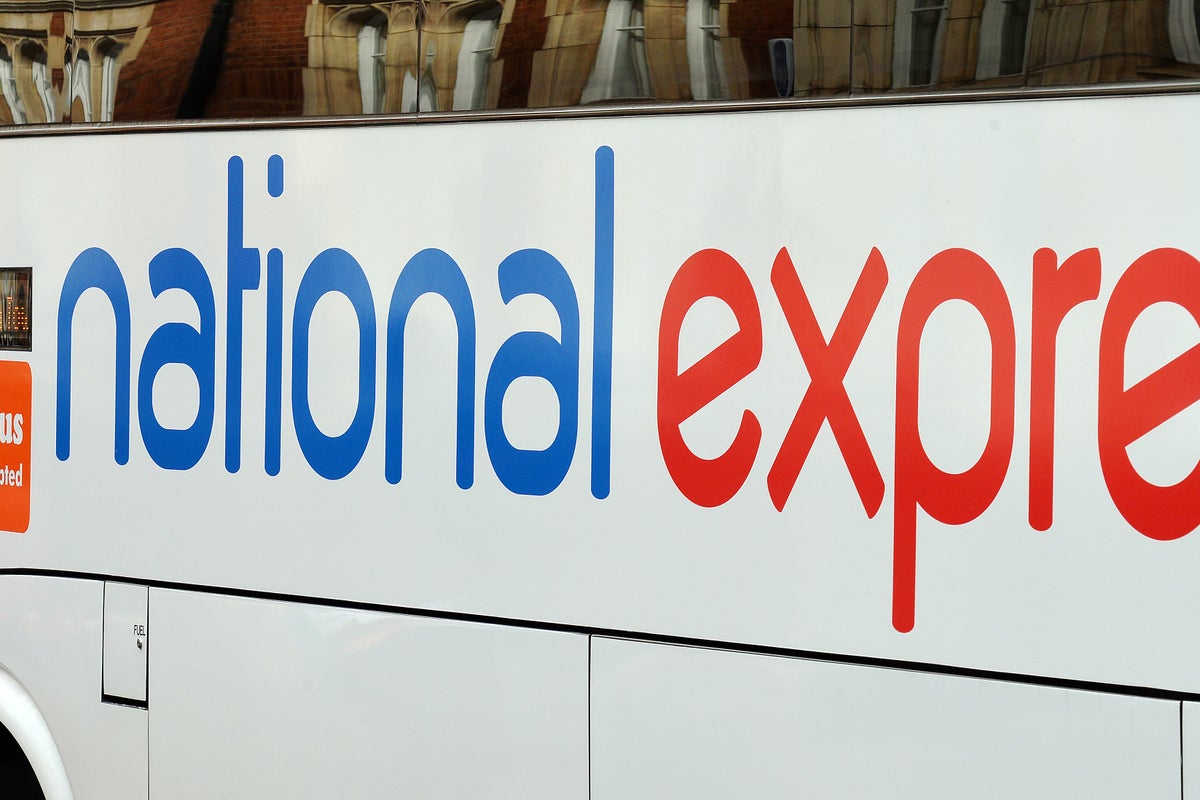
National Express owner Mobico has seen shares plunge after posting a drop in half-year earnings.
The coach and bus giant reported a worse-than-expected 12.7% fall in underlying operating profits to £59.9 million for the six months to June 30, down 4.8% on a constant currency basis.
It also remained in the red with statutory pre-tax losses of £7.1 million, although this was narrowed from £29.3 million a year earlier.
Shares in the firm plunged more than 20% at one stage in morning trading on Tuesday as the earnings disappointed.
The company flagged increasing competition in the UK coach sector, while it also put the earnings drop down to issues with two contracts at WeDriveU, its North America transit and shuttle services business, which have been hit by temporary operational troubles.
It posted operating losses of £9.6 million for the UK, against losses of £12.6 million a year ago, as revenues fell 3.3%.
Revenues were weighed down by a 7.2% drop in the UK coach arm, although it said this was partly due to a strong performance a year earlier when trading was boosted by rail strikes.
In a statement, Mobico said: “The competitive landscape in the UK coach sector has undergone significant change, marked by increasing competitive intensity.
“Additionally, modal competition is increasing from other sectors including rail as it recovers from industrial action and staff shortage issues.”
The group will merge the UK coach operations within its better performing Spanish Alsa business from January next year, with aims to drive cost savings and share best practice.
Despite the half-year knock to earnings, the group said it remained on track for full-year guidance.
It will look to ramp up cost cutting going forwards, it added.
Phil White, Mobico executive chairman, said: “Although our operating profit performance in the first half was mainly impacted by the under-performance of two contracts in WeDriveU, due to operational issues and a competitive trading environment in the UK, we remain confident of achieving our full-year, adjusted, operating profit guidance of between £180 million and £195 million.”
“We see significant opportunities to simplify and strengthen the group and are taking decisive action to sharpen our operational and financial performance, including additional, cost reduction plans and further leveraging Alsa’s best practice across the business,” he added.
Mr White, who had been chief executive of the then National Express Group between 1996 and 2006, returned to take the helm at the business earlier this year after former boss, Ignacio Garat, left in April following a series of profit warnings.
Shares have been severely under pressure this year due to the profit alerts and Mr Garat’s departure, with the latest declines leaving the stock down nearly 60% in the past six months.
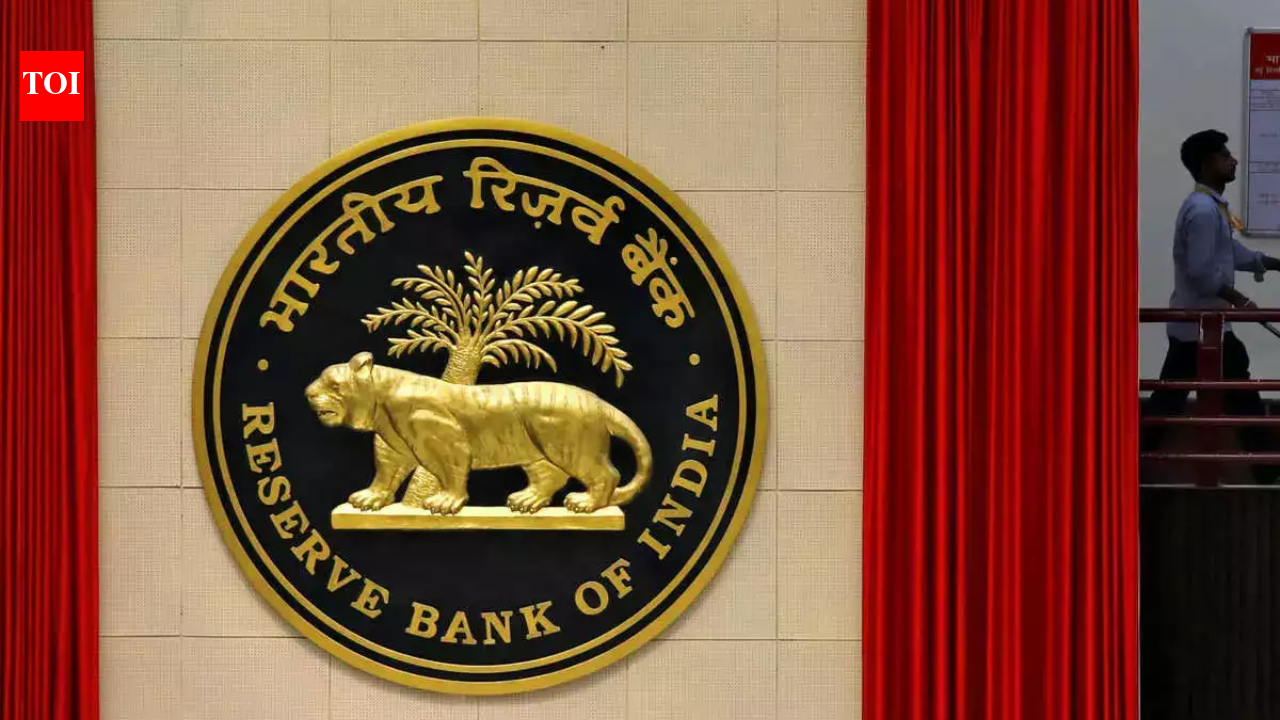
The Reserve Bank of India (RBI) on Monday decided against activating the countercyclical capital buffer (CCyB), indicating that current financial and credit conditions do not warrant an additional capital requirement for banks, PTI reported.The central bank said the decision followed a review and empirical assessment of indicators used under the CCyB framework.“Based on review and empirical analysis of CCyB indicators, it has been decided that it is not necessary to activate CCyB at this point in time,” RBI said in a statement.Under the RBI (Commercial Banks – Prudential Norms on Capital Adequacy) Directions, 2025, the CCyB framework is activated when financial conditions indicate rising systemic risks linked to excessive credit growth.The framework primarily relies on the credit-to-GDP gap as a key indicator, along with supplementary metrics.According to the RBI, the CCyB mechanism is intended to serve two broad objectives.Firstly, it requires a bank to build up a buffer of capital in good times, which may be used to maintain the flow of credit to the real sector in difficult times.Secondly, it achieves the broader macro-prudential goal of restricting the banking sector from indiscriminate lending in the periods of excess credit growth that have often been associated with the building up of system-wide risk.The framework was introduced globally after the 2008 financial crisis as part of measures proposed by the Group of Central Bank Governors and Heads of Supervision (GHOS) under the Basel framework to strengthen financial system resilience.
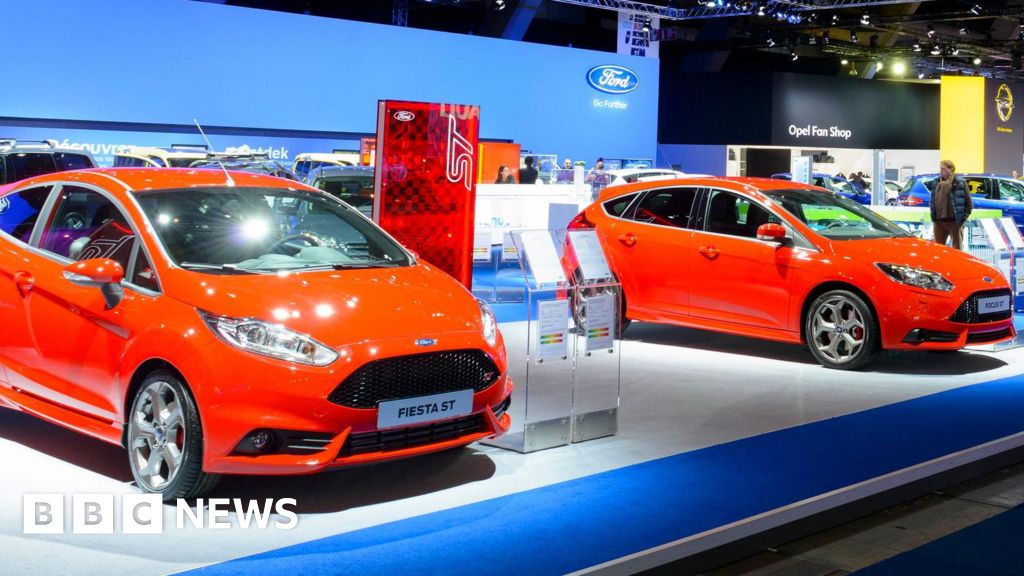
The company has announced plans to build seven new models in Europe including a small electric hatchback.
Source link

“Today’s policymaking is constrained by a more volatile external environment with more frequent and overlapping shocks, a rising public interest bill, in part reflecting market concerns with countries’ elevated debt, and the long-standing challenge of weak productivity growth,” he said.


Turkiye’s current account deficit expected to widen in 2026: Minister

UK’s clothing imports fall 3% in Q1, sharply lower than Q4 2025
RBI sees no signs of excess credit risk, keeps countercyclical capital buffer inactive

-

 Entertainment6 days ago
Conan O’Brien hat tricks as Oscar host
-

 Tech1 week ago
Could Contact-Tracing Apps Help With the Hantavirus? Not Really
-
 Fashion5 days ago
Italy’s Zegna Group’s Q1 growth boosted by strong organic performance
-

 Sports1 week ago
Bobby Cox, legendary Atlanta Braves manager who led 1995 World Series champions, dead at 84
-

 Entertainment1 week ago
Martin Short: Facing tragedy with joy
-

 Entertainment1 week ago
Tom Brady gets back at Kevin Hart during Netflix roast
-

 Sports1 week ago
Jacob Fatu unleashes vicious assault on Roman Reigns after World Heavyweight Championship loss at WWE Backlash
-

 Entertainment1 week ago
Martha Stewart: How to make an omelet