

Business
Nepra reduces power tariffs for consumers nationwide – SUCH TV


The National Electric Power Regulatory Authority (Nepra) has announced a Rs0.62/unit cut in electricity tariffs after issuing a notification applicable to consumers across the country.
According to the notification, the reduction has been decided on account of fuel cost adjustment for November and will be passed on to consumers through their January electricity bills.
It stated that the relief is applicable to all categories of consumers nationwide, including Karachi. However, the authority clarified that lifeline consumers will not benefit from the reduction.
This reduction came a week after the Central Power Purchasing Agency’s (CPPA) requested the Nepra to refund Rs0.72/unit to consumers in January bills, potentially giving consumers relief of over Rs5.6 billion.
Fuel price adjustments are reviewed monthly by Nepra to reflect changes in global fuel prices and generation costs, with the impact passed on to consumers through subsequent billing cycles.
Average base tariff for 2026 issued
Meanwhile, the authority has also unveiled the new average base tariff for January-December 2026, setting it at Rs33.38 per unit, offering modest relief to consumers after years of relentless increases.
Notably, the government has shifted tariff determination from a fiscal-year basis to a calendar-year framework and the rebased consumer-end tariff will come into effect from January 1, 2026.
The Nepra noted that the new tariff is 62 paisa lower compared with the July-December 2025 rate, while the average tariff for the 2025-26 fiscal year stood at Rs34 per unit.
It should be noted that currently, the country’s base tariff stands at Rs31.59 per unit, meaning the newly notified rate is Rs1.79 per unit higher than the existing base tariff.
The total financial requirement of distribution companies (Discos) for 2026 is estimated at Rs3,379 billion, including Rs2,923 billion for electricity procurement and Rs456.15 billion for operational costs and profit margins.
The authority added that annual electricity sales for the year are projected at 101 billion units, and the new tariff will ensure cost recovery while meeting the sector’s financial needs.






Last Updated:
RBI has summoned senior officials of Yes Bank following a major data breach involving the Yes Bank–BookMyForex multi-currency forex card




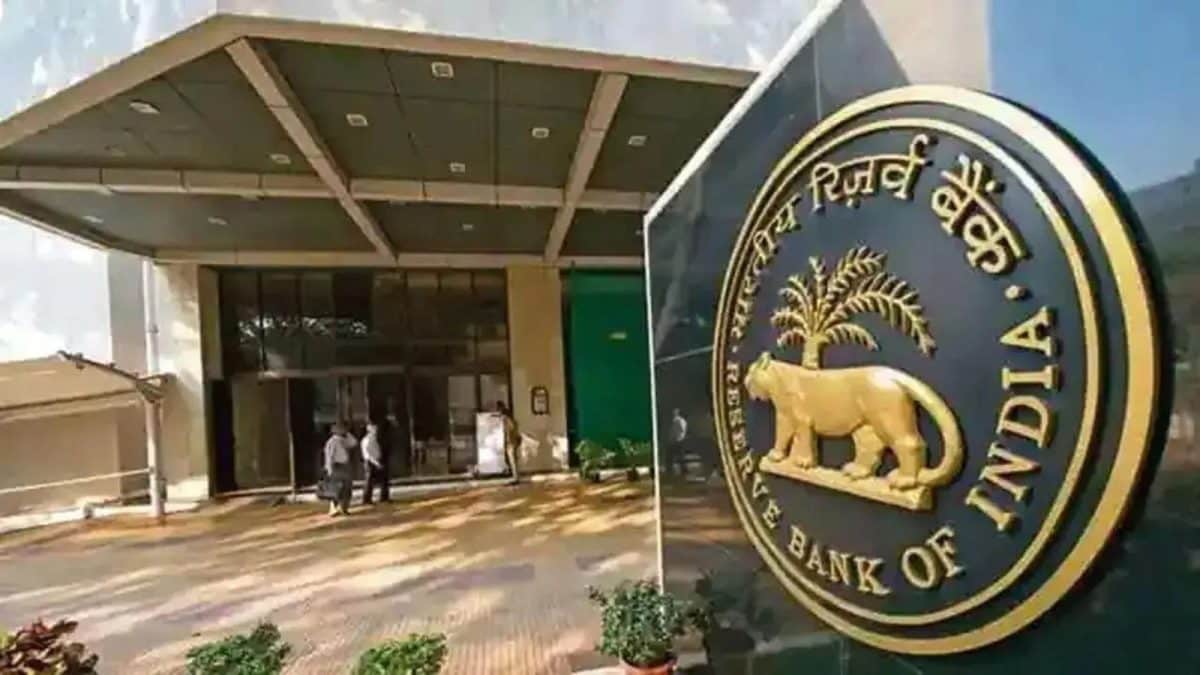
Reserve Bank of India headquarters in Mumbai.
The Reserve Bank of India (RBI) has summoned senior officials of Yes Bank following a major data breach involving the Yes Bank–BookMyForex multi-currency forex card, two people aware of the development told The Economic Times (ET).
According to the report, card details and CVV numbers of several users were allegedly compromised. The central bank has sought a detailed explanation from the bank on how its systems may have been breached and the sequence of events that led to the exposure of sensitive customer data.
“The RBI has sought a comprehensive briefing from Yes Bank’s senior management on the root cause of the breach, the timeline of events, and the adequacy of the bank’s cybersecurity framework,” one of the persons cited by ET said. “The regulator wants clarity on how sensitive card data, including CVV numbers, may have been exposed and what immediate containment measures have been implemented.”
Yes Bank declined to comment on the RBI’s queries but said an internal investigation had identified fraudulent transactions involving 15 merchants in a Latin American country on February 24. Transactions worth Rs 2.54 crore were approved across 5,000 customers, while 688 unauthorised attempts amounting to around Rs 90 lakh were blocked. The bank said it is working with the card network to initiate chargebacks and ensure that affected customers do not face financial losses.
Separately, BookMyForex said it does not store customers’ sensitive card information and that its systems were neither breached nor compromised during the period in question.
The RBI has also sought details on how sensitive card data—particularly CVVs—was stored and protected, whether encryption and prescribed security protocols were followed, and why existing cyber controls failed to prevent the breach. In addition, the regulator is reviewing the timeline of detection and reporting, the robustness of third-party risk management and oversight, the number of customers impacted, and the steps taken to block cards, prevent misuse and mitigate losses. It has also asked for clarity on internal accountability, supervisory lapses and remedial measures to prevent a recurrence, ET reported.
 Click here to add News18 as your preferred news source on Google.
Follow News18 on Google. Join the fun, play games on News18. Stay updated with all the latest business news, including market trends, stock updates, tax, IPO, banking finance, real estate, savings and investments. To Get in-depth analysis, expert opinions, and real-time updates. Also Download the News18 App to stay updated.
February 26, 2026, 07:53 IST
Read More
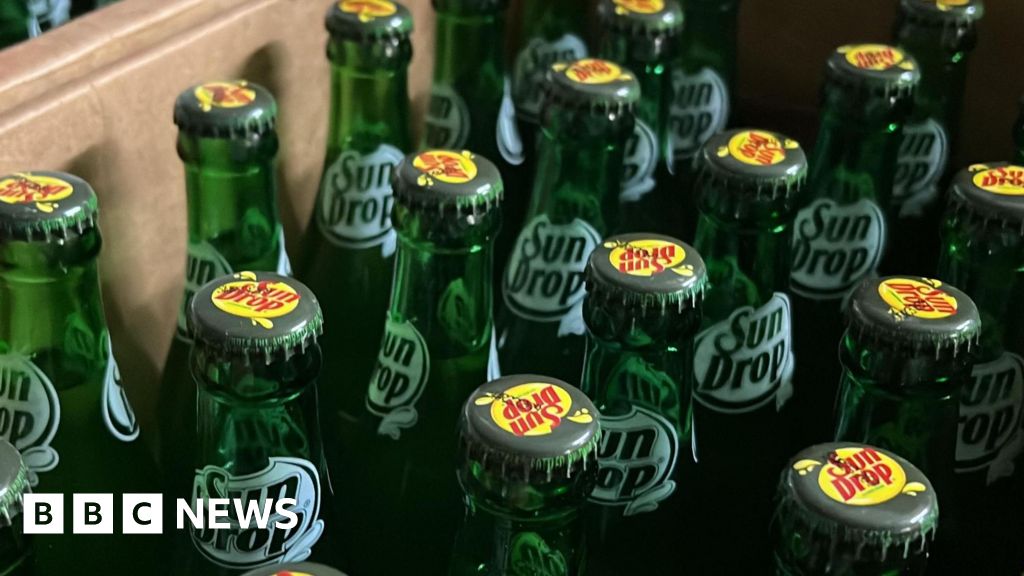
Soft drinks company Twig’s Beverage has a loyal following for its old-fashioned approach.
Source link

Queen’s University Belfast says there were more than 10,500 visits by students to its food bank in the students’ union.
Source link


Bangladesh trade milieu hit by high rates, unstable law & order: DCCI

‘Scream 7′ major salary difference
Yes Bank Under Scanner As RBI Summons Executives Over Forex Card Breach

-

 Entertainment1 week ago
Queen Camilla reveals her sister’s connection to Princess Diana
-

 Tech1 week ago
Rakuten Mobile proposal selected for Jaxa space strategy | Computer Weekly
-

 Politics1 week ago
Ramadan moon sighted in Saudi Arabia, other Gulf countries
-

 Entertainment1 week ago
Robert Duvall, known for his roles in "The Godfather" and "Apocalypse Now," dies at 95
-
 Business1 week ago
Tax Saving FD: This Simple Investment Can Help You Earn And Save More
-

 Politics1 week ago
Tarique Rahman Takes Oath as Bangladesh’s Prime Minister Following Decisive BNP Triumph
-

 Tech1 week ago
Businesses may be caught by government proposals to restrict VPN use | Computer Weekly
-

 Sports1 week ago
Usman Tariq backs Babar and Shaheen ahead of do-or-die Namibia clash