

Politics
New clashes hit Iran as opposition urges protests, strikes

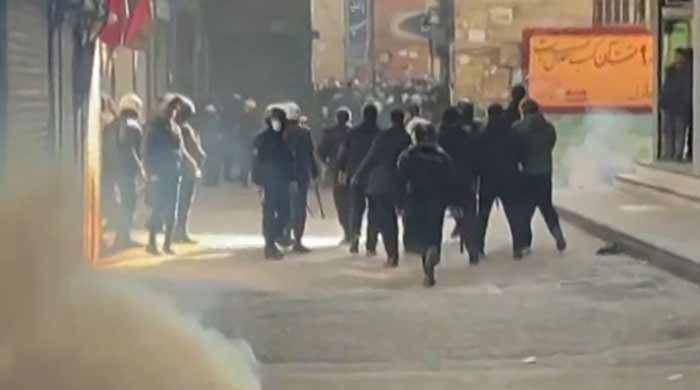
- Authorities blame unrest on “rioters”.
- Opposition parties call for general strike.
- At least 27 protesters killed in protests.
Security forces used tear gas and live fire to disperse protesters in Iran, rights groups said on Thursday, as people angered by economic crisis kept up their challenge to the authorities and exiled opposition groups urged new protests as well as strikes.
Twelve days of protests have shaken the clerical authorities under Ayatollah Ali Khamenei already battling economic crisis after years of sanctions and recovering from the June war against Israel.
The movement, which originated with a shutdown on the Tehran bazaar on December 28 after the rial plunged to record lows, has spread nationwide and is now being marked by larger scale demonstrations.
Authorities have blamed unrest on “rioters” and the judiciary chief has vowed there would be “no leniency” in bringing them to justice.
On Wednesday, an Iranian police officer was stabbed to death in west of Tehran “during efforts to control unrest”, the Iranian Fars news agency said.
Reza Pahlavi, the son of the shah ousted by the 1979 Islamic revolution and a key exiled opposition figure, said the turnout on Wednesday had been “unprecedented” in this wave of demonstrations and called for major new protests on Thursday evening.
He said in a message on social media he had received reports the “regime is deeply frightened and is attempting, once again, to cut off the internet” to thwart the protests.
Iraq-based Iranian Kurdish opposition parties, including the Komala party which is outlawed by Tehran, called for a general strike on Thursday in Kurdish-populated areas in western Iran which have seen intense protest activity.
Soleimani statues attacked
The HRANA monitor published a video of protesters in Kuhchenar in the southern Fars province cheering overnight as they pulled down a statue of the former foreign operations commander of the Revolutionary Guards Qassem Soleimani, who was killed in a US strike in January 2020 and is hailed as a national hero by the Islamic republic.
Persian-language TV channels based outside Iran also posted images of a statue of Soleimani in the central city of Kashan being set on fire. It was not immediately possible to verify the images.
HRANA said that according to its count, protests had taken place in 348 locations over the last 11 days in all of Iran’s 31 provinces.
It also published a video of people massing late at night in the Tehran satellite city of Karaj and lighting fires in the streets and also images of security forces using tear gas to disperse a protest in the Caspian Sea town of Tonekabon.
Images it said were taken on Wednesday in the western city of Abadan showing security forces firing on protesters.
The Norway-based Iran Human Rights group said security forces on Wednesday “opened fire on protesters, used tear gas and violently assaulted civilians” during a protest in the key southeastern hub of Kerman.
The Hengaw rights group, which focuses on Kurds and other ethnic minorities in western Iran, said the call for a strike had been widely followed in some 30 towns and cities, posting footage of shuttered shops in the western provinces of Ilam, Kermanshah and Lorestan.
‘Unlawful force’
The protests are being characterised by larger-scale demonstrations, with hundreds marching through a main avenue in the northeastern city of Bojnord on Wednesday in a video verified by AFP.
Demonstrators are repeating slogans against the clerical leadership including “this is the final battle, Pahlavi will return” and “Seyyed Ali will be toppled”, in reference to Khamenei.
IHR said on Tuesday at least 27 protesters including five teenagers under the age of 18, have been confirmed to have been killed in a crackdown on the protests, warning the death toll will climb as more killings are verified.
The protests are the biggest in Iran for three years after the last major protest wave in 2022-2023 which was sparked by the custody death of Mahsa Amini, who had been arrested for allegedly violating the strict dress code for women.
Rights groups have also accused authorities of resorting to tactics including raiding hospitals to detain wounded protesters.
“More than 10 days of protests have been met with unlawful force,” said Amnesty International. “Iran’s security forces have injured and killed both protesters and bystanders,” it added.
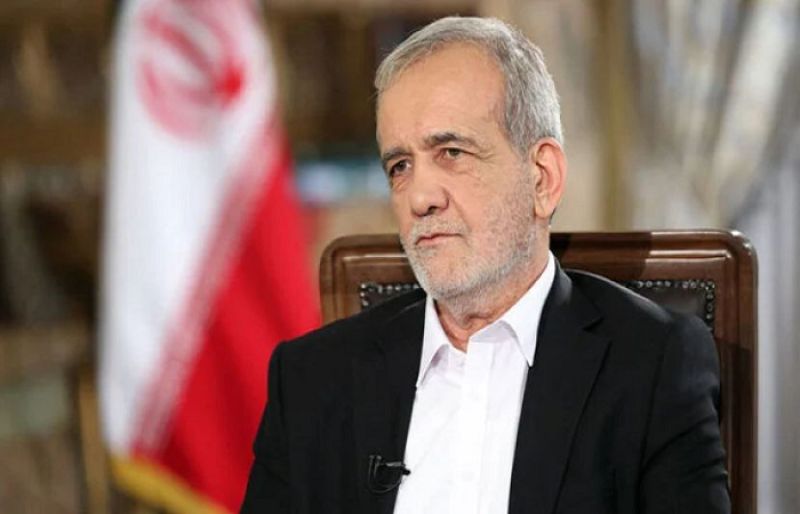

Iranian President Masoud Pezeshkian has issued a significant statement aimed at easing regional tensions, assuring that Iran will not launch missile strikes or take aggressive action against neighbouring countries.
The president said the decision was taken with the approval of the Interim Leadership Council, stressing that Iran’s policy of non-aggression will remain in place as long as no attacks are carried out on Iranian territory.
Commitment to Peace
In a message shared on social media, Pezeshkian said Iran harbours no hostility toward regional countries and expressed regret over the recent tensions affecting neighbouring states.
“We harbor no hostility toward regional countries and apologize for the recent situation with our neighbors,” the president said.
Sovereignty Will Be Protected
While calling for peace, Pezeshkian also emphasized that Iran’s sovereignty and national security would not be compromised.
He added that diplomatic efforts and mediation aimed at ending the ongoing conflict should be led by the countries that initiated the confrontation.
Regional De-escalation Efforts
The statement comes amid rising tensions in the Middle East following military exchanges involving Iran, Israel, and the United States, prompting calls from several countries for de-escalation and dialogue to restore regional stability.
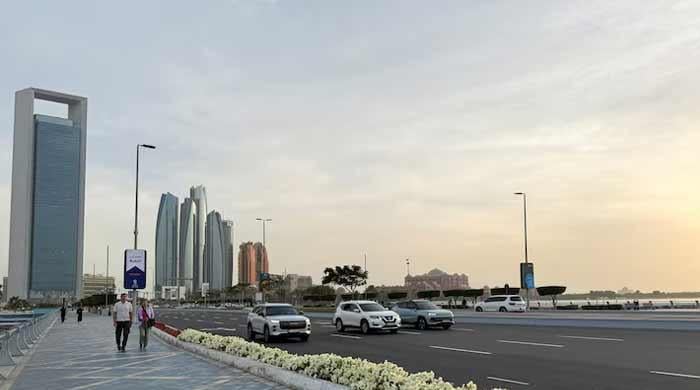
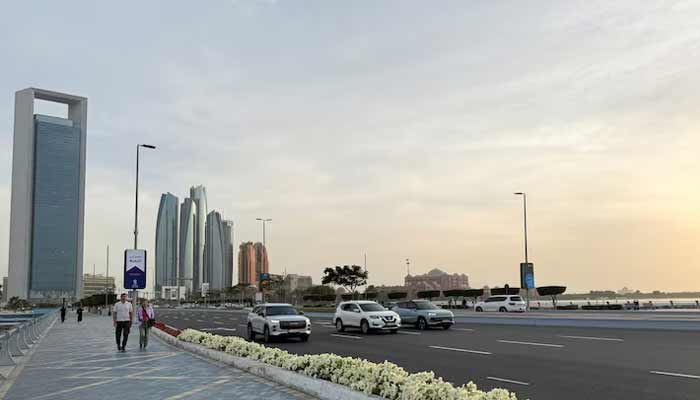
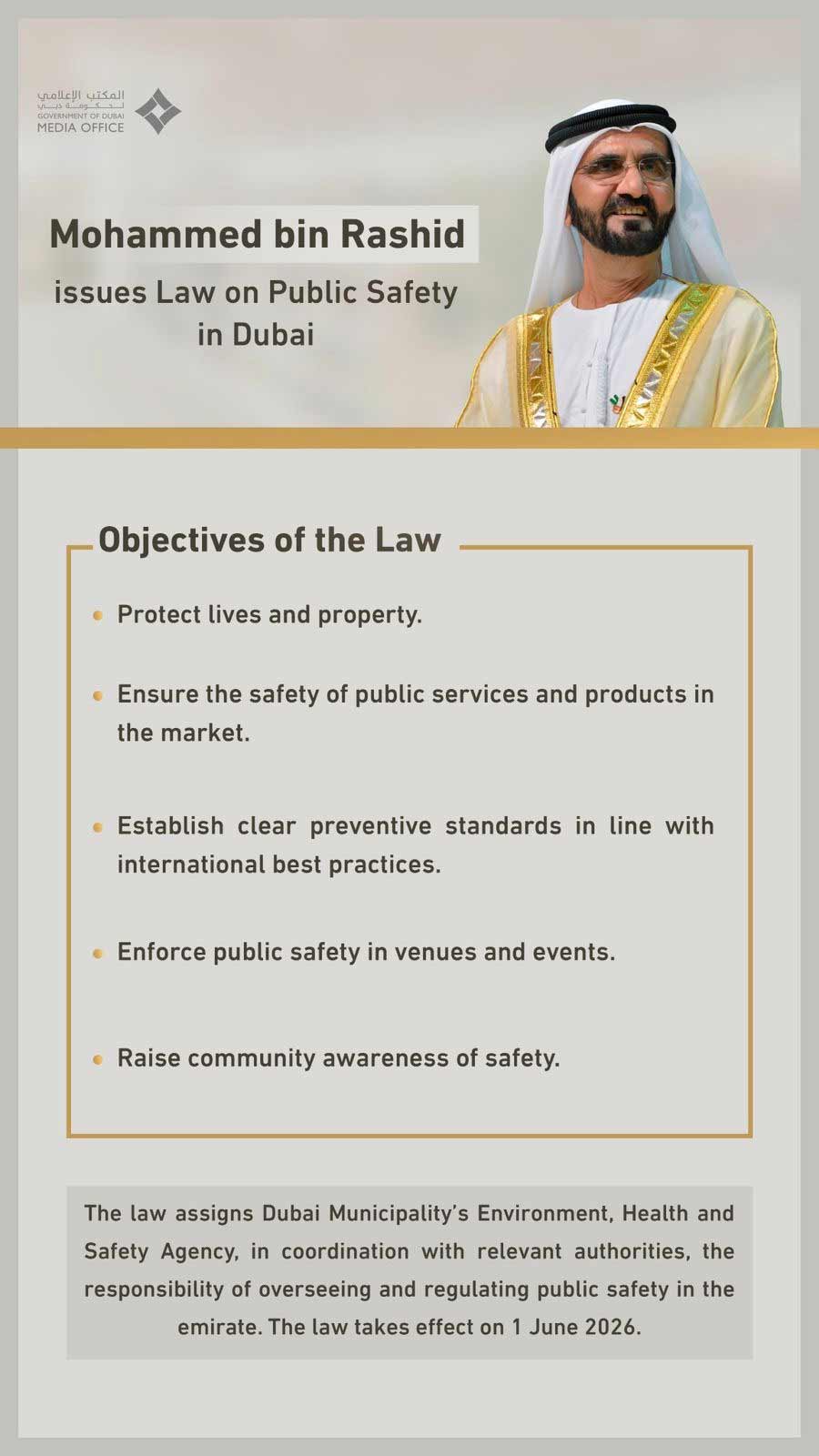
DUBAI: Dubai has announced the implementation of a new public safety law introducing stricter regulations for public spaces and events, with fines ranging from AED500 ($136) to AED1 million ($272,000), authorities said.
Under the legislation, repeat violations within one year could result in fines of up to AED2 million, officials added.
The new law, which takes effect across the emirate on June 1, sets out enhanced safety requirements for public venues and gatherings.
The rules were issued by Dubai’s Ruler, Vice President and Prime Minister of the UAE, Sheikh Mohammed bin Rashid Al Maktoum.
According to the regulations, public venues and events must ensure safe entry and exit routes, adequate lighting, and capacity limits to prevent overcrowding.
Event organisers will be required to provide firefighting equipment, emergency evacuation plans, first aid facilities, and trained security personnel.
Compliance with safety instructions at public venues has been made mandatory.
The law also requires adherence to designated swimming times at beaches and prohibits access to restricted areas.
Possession of explosives or fireworks without a permit is banned, as is the use and transport of hazardous or flammable materials.
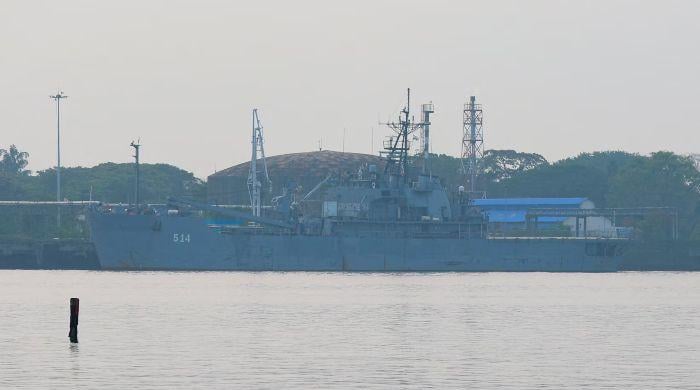
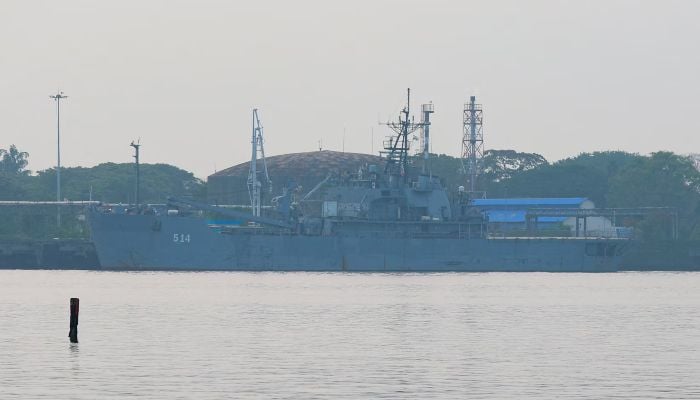
India has allowed an Iranian warship to dock as a humanitarian gesture, Foreign Minister Subrahmanyam Jaishankar said on Saturday, after the US sank another Iranian navy vessel off neighbouring Sri Lanka.
The Lavan docked at India’s southern port of Kochi on Wednesday, the same day the US submarine struck Iranian navy frigate Dena, after an urgent request from Tehran, an Indian government source told Reuters.
US President Donald Trump has said destroying the Iranian navy is one aim of the war he and Israel launched against the Islamic Republic a week ago.
The Lavan – an amphibious landing vessel, according to the US Naval Institute’s online news site – and two other ships “were coming in for a fleet review and then they got, in a way, caught on the wrong side of the events,” Jaishankar told the annual Raisina Dialogue event.
“I think we really approached it from the point of view of humanity, of other than whatever the legal issues were,” he said. “I think we did the right thing.”
At least 87 people were killed in the US attack on the Dena in Sri Lanka’s exclusive economic zone, 19 nautical miles off the coast, outside its maritime boundaries.
India received the docking request for the Lavan on February 28, the day the Iran war started, the source said late on Friday, adding that the request “was urgent as the vessel had developed technical issues”.
Its 183 crew members have been accommodated at naval facilities in Kochi, said the source, who asked not to be identified citing confidentiality.
The Dena was on its way back from a naval exercise organised by India, according to the drill’s website and Sri Lankan officials.
Sri Lankan authorities said on Friday that they were escorting the Iranian naval ship Booshehr to a harbour on the eastern coast and moving most of its crew to a navy camp near Colombo.


Ball State fires Michael Lewis after 3 straight losing seasons

Iran Assures Neighbours of Non-Aggression Amid Regional Tensions

Paul McCartney's overlooked work

India Us Trade Deal: Fresh look at India-US trade deal? May be ‘rebalanced’ if circumstances change, says Piyush Goyal – The Times of India

LPGA legend shares her feelings about US women’s Olympic wins: ‘Gets me really emotional’

Bobby J. Brown, “The Wire” and “Law & Order: SUV” actor, dies of smoke inhalation after reported fire

-
Business1 week ago
India Us Trade Deal: Fresh look at India-US trade deal? May be ‘rebalanced’ if circumstances change, says Piyush Goyal – The Times of India
-
 Sports1 week ago
LPGA legend shares her feelings about US women’s Olympic wins: ‘Gets me really emotional’
-

 Fashion1 week ago
South Korea’s Misto Holdings completes planned leadership transition
-
 Entertainment1 week ago
Bobby J. Brown, “The Wire” and “Law & Order: SUV” actor, dies of smoke inhalation after reported fire
-

 Fashion1 week ago
Texwin Spinning showcasing premium cotton yarn range at VIATT 2026
-

 Entertainment1 week ago
Pakistan’s semi-final qualification scenario after England defeat New Zealand
-
 Business1 week ago
Greggs to reveal trading amid pressure from cost of living and weight loss drugs
-
 Politics1 week ago
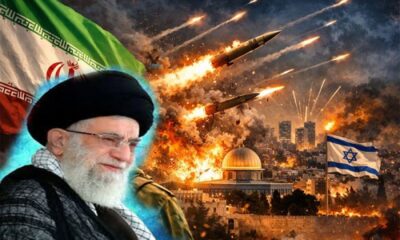
Iran launches retaliation against Israel, launches ballistic missiles