

Fashion
No shortage of petrol-diesel, kerosene, ATF, fuel oil: Indian minister

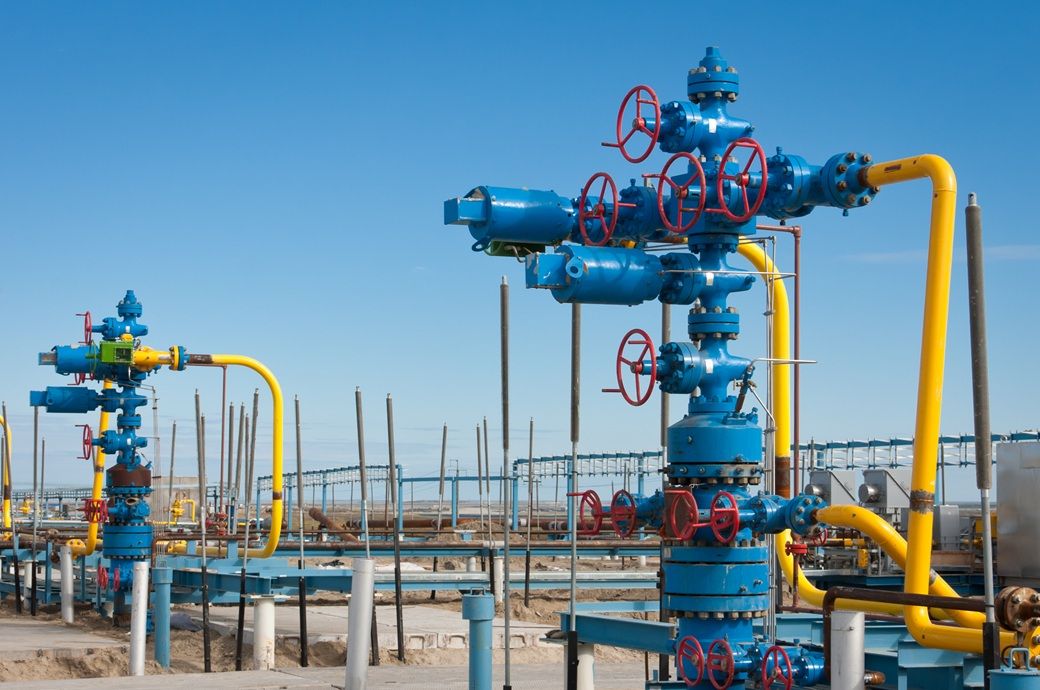
Availability of these is fully assured and retail outlets across the country are stocked and supply chains for these products are functioning normally, he said.
Additional allocation of public distribution system (PDS) kerosene has been issued to all the states, he added.
There is no shortage of petrol, diesel, kerosene, aviation turbine fuel or fuel oil, Indian Minister for Petroleum and Natural Gas Hardeep Singh Puri said in parliament lower house yesterday.
Availability of these is fully assured and retail outlets across the country are stocked and supply chains for these products are functioning normally.
India’s crude supply position is secure as well, he informed.
India’s crude supply position is secure as well, and volumes secured exceed what the Strait of Hormuz would have delivered, he assured.
Non-Hormuz sourcing has risen to approximately 70 per cent of crude imports, up from 55 per cent before the conflict began. India sources crude from 40 countries.
Refineries in the country are operating at high capacity utilisation; in several cases, they are exceeding 100 per cent, Puri informed.
Natural gas supply has been managed through prioritised allocation, and the position is stable well beyond immediate need. Domestic piped gas to homes and CNG for vehicles receive 100 per cent supply with no cuts. Industrial and manufacturing consumers will receive up to 80 per cent of their previous six-month average.
Fertiliser plants will receive up to 70 per cent, protecting the agricultural input chain ahead of the sowing season.
Refineries and petrochemical units absorb a managed reduction, with that gas redirected to higher-priority sectors, Puri mentioned.
“The shortfall has been substantially offset through alternative procurement. Large LNG cargoes are arriving on an almost daily basis through alternative supply routes, and India has sufficient gas production and supply arrangements to sustain this position even in the event of a prolonged conflict. Power generation for every household and for industry is fully protected,” he was quoted as saying in an official press release.
India was earlier importing nearly three-fifths of its LPG requirements from Gulf countries and produced 40 per cent domestically. Procurement has now been actively diversified, with cargoes being secured from the United States, Norway, Canada, Algeria and Russia, in addition to available Gulf sources, he said.
In the last five days, LPG production has been increased by 28 per cent through refinery directives, and further procurement is actively underway.
Commercial LPG has been regulated to prevent black marketing, not to penalise the hospitality sector, he added.
Fibre2Fashion News Desk (DS)













Flourish Garments Bangladesh Co. Ltd., a China (Hong Kong)-based firm, will invest $15.34 million to set up a high-end garment manufacturing unit at the BEPZA Economic Zone in Mirsharai, Chattogram.
The factory will produce 4 million garments annually and create 1,988 jobs for Bangladeshi nationals.
The investment agreement was signed between BEPZA and the company in Dhaka.
Source link

Total non-farm payroll employment edged down by 92,000 in the month following an increase of 126,000 in January.
The US unemployment rate, at 4.4 per cent, as well as the number of unemployed, at 7.6 million, changed little month on month in February, official statistics show.
Both the labour force participation rate, at 62 per cent, and the employment-population ratio, at 59.3 per cent, changed little in the month.
US manufacturing sector labour productivity decreased by 1.9 per cent QoQ in Q4 2025.
Both the labour force participation rate (LFPR), at 62 per cent, and the employment-population ratio, at 59.3 per cent, changed little in the month, a BLS release said.
These figures showed little change year on year (YoY) after accounting for the annual adjustments to the population controls.
US non-farm business sector labour productivity increased by 2.8 per cent quarter on quarter (QoQ) in the fourth quarter (Q4) last year as output increased by 2.6 per cent QoQ and hours worked decreased by 0.2 per cent QoQ. It increased by 2.8 per cent YoY in the quarter.
Annual average productivity increased by 2.2 per cent from 2024 to 2025.
US manufacturing sector labour productivity decreased by 1.9 per cent QoQ in Q4 2025 as output decreased by 2.2 per cent QoQ and hours worked decreased by 0.3 per cent QoQ. In the durable manufacturing sector, productivity decreased by 3 per cent QoQ, reflecting a 2.3-per cent QoQ drop in output and a 0.7-per cent QoQ increase in hours worked.
Fibre2Fashion News Desk (DS)
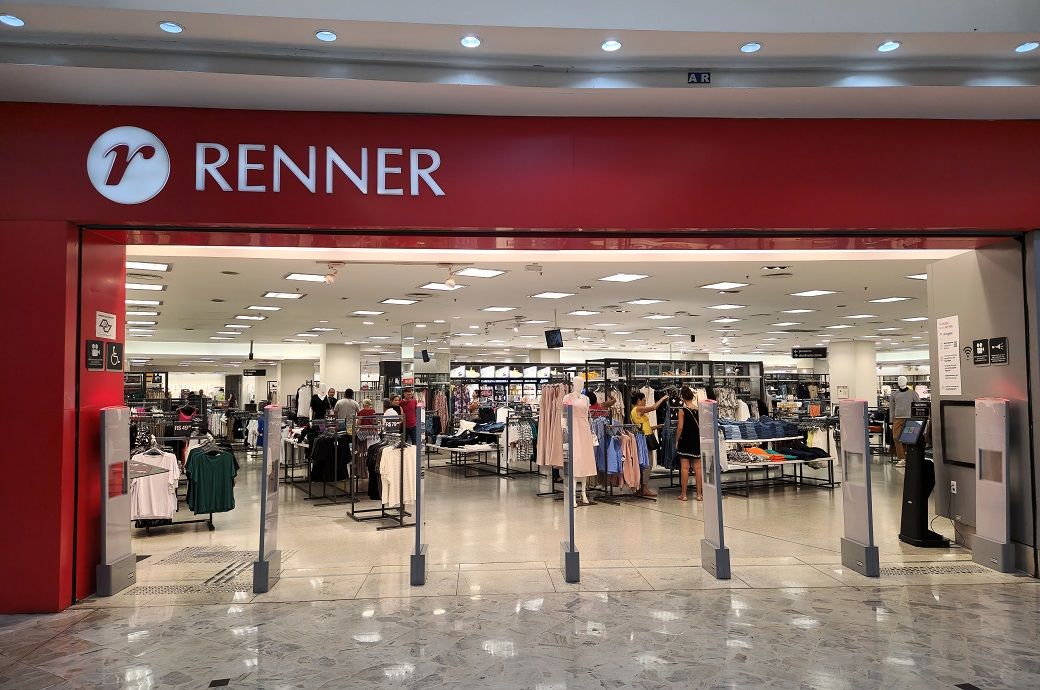
In 2025, retail net revenue increased by 9.2 per cent year-over-year with SSS growth of 8.1 per cent and a gross margin of 56.1 per cent (+0.7 p.p.). Apparel net revenue increased by 10.2 per cent year-over-year, with SSS growth of 8.9 per cent, and gross margin of 57.4 per cent (+0.7 p.p.). Digital GMV increased by 12.3 per cent, reaching a penetration of 15.5 per cent.
Lojas Renner reported strong FY25 results.
In Q4, apparel net revenue rose 5.1 per cent with 4.0 per cent same-store sales (SSS) growth and a 57.9 per cent gross margin.
For 2025, retail net revenue grew 9.2 per cent and apparel revenue 10.2 per cent, while digital GMV increased 12.3 per cent.
The company opened 34 stores and plans 50–60 new stores in 2026.
“Throughout 2025, we made steady progress in capturing the potential of our business model. We demonstrated our ability to deliver improvements across all key metrics to which we have committed for the 2026–2030 cycle. Retail net revenue grew in line with the annual guidance that will take effect from 2026. At the same time, we expanded gross margin, diluted expenses, increased ROIC, and delivered robust cash generation,” said Fabio Faccio, CEO of Lojas Renner.
“Retail net revenue advanced 9.2 per cent, reflecting meaningful market share gains and further strengthening our leadership in the Brazilian apparel retail sector. This performance is the result of a disciplined growth strategy focused on expansion into new cities, increased digital penetration, and continued productivity gains, mainly from trend capture initiatives and effective inventory allocation. Sales per square metre, approximately 45 per cent above direct competitors, continued to improve, demonstrating the efficiency of our omni-channel model. These achievements position us to meet our annual Retail net revenue growth target of 9 per cent to 13 per cent for the 2026–2030 period,” explained Faccio.
“During the year, we opened 34 new stores, including 23 in the fourth quarter, expanding our physical presence in underpenetrated markets and scaling proven, higher-return formats under the Renner brand. These initiatives increased engagement and contributed to the growth of our active customer base and NPS. For 2026, we plan to open 50 to 60 stores: 22 to 30 under the Renner brand, 23 to 25 Youcom stores, and approximately 5 Camicado stores,” Faccio added.
Fibre2Fashion News Desk (RR)


Chinese firm to invest $15.34 million in garment factory at BEPZA

Why India’s Next Growth Story Will Come From Rail Connectivity and Mid-Sized Cities

Gotham signs Norway’s Guro Reiten on initial loan from Chelsea

-

 Politics6 days ago
India let Iran warship dock the day US sank another off Sri Lanka, say officials
-

 Sports6 days ago
Pakistan set for FIH Pro League debut | The Express Tribune
-
 Business6 days ago
Restaurant group changes name after bid to buys pubs across the UK
-

 Entertainment6 days ago
Harry Styles kicks off new era with ‘One Night Only’ comeback show
-

 Sports6 days ago
Winners and losers of the 2026 NHL trade deadline
-
 Business7 days ago
Home heating oil: ‘Most of my pension has gone on home heating oil’
-

 Tech1 week ago
Google’s Pixel 10a May Not Be Exciting, but It’s Still an Unbeatable Value
-

 Entertainment6 days ago
Kanye ‘Ye’ West trips during trial: ‘Is he asleep?’