

Politics
Nuclear Submarines Deployed as Trump Escalates Dispute with Russia

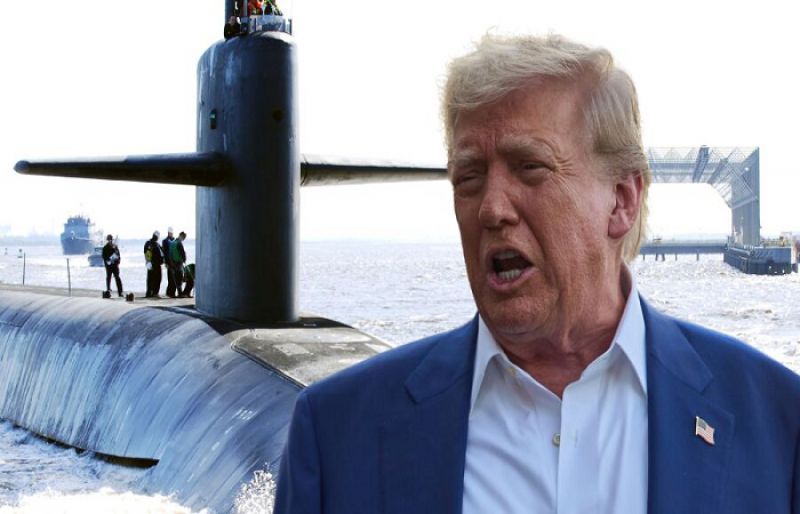

US President Donald Trump ordered the deployment of two nuclear submarines on Friday, marking a dramatic escalation in what had previously been a war of words with a senior Russian official over Ukraine and tariffs.
The move follows days of heated exchanges between Trump and Dmitry Medvedev, deputy chairman of Russia’s Security Council, on social media.
In a post on his Truth Social platform, Trump appeared to shift the confrontation into the realm of military posturing — and notably, nuclear deterrence.
“Based on the highly provocative statements,” Trump wrote, “I have ordered two nuclear submarines to be positioned in the appropriate regions, just in case these foolish and inflammatory statements are more than just that.”
The decision signals a rare public acknowledgment of nuclear force movements by a sitting or former U.S. president and adds to growing geopolitical tensions between Washington and Moscow.
“Words are very important, and can often lead to unintended consequences, I hope this will not be one of those instances,” the 79-year-old Republican posted.
Trump did not say in his post whether he meant nuclear-powered or nuclear-armed submarines.
He also did not elaborate on the exact deployment locations, which are kept secret by the US military.
But in an interview with Newsmax that aired Friday night, Trump said the submarines were “closer to Russia.”
“We always want to be ready. And so, I have sent to the region two nuclear submarines,” he said.
“I just want to make sure that his words are only words and nothing more than that.”
Trump’s remarks came hours after Russian President Vladimir Putin said Moscow had started mass producing its hypersonic nuclear-capable Oreshnik missile, and could deploy them to Belarus, a close Russian ally neighbouring Ukraine, by year-end.
The nuclear sabre-rattling came against the backdrop of a deadline set by Trump for the end of next week for Russia to take steps to ending the Ukraine war or face unspecified new sanctions.
Despite the pressure from Washington, Russia’s onslaught against its pro-Western neighbor continues to unfold at full bore.
An AFP analysis Friday showed that Russian forces had launched a record number of drones at Ukraine in July.
Russian attacks have killed hundreds of Ukrainian civilians since June.
A combined missile and drone attack on the Ukrainian capital Kyiv early Thursday killed 31 people, rescuers said.
Putin, who has consistently rejected calls for a ceasefire, said Friday that he wants peace but that his demands for ending his nearly three-and-a-half year invasion were “unchanged”.
Those demands include that Ukraine abandon territory and end ambitions to join NATO.
Putin, speaking alongside Belarusian President Alexander Lukashenko, said Belarusian and Russian specialists “have chosen a place for future positions” of the Oreshnik missiles.
“Work is now underway to prepare these positions. So, most likely, we will close this issue by the end of the year,” he added.
The United States and Russia control the vast majority of the world’s nuclear weaponry, and Washington keeps nuclear-armed submarines on permanent patrol as part of its so-called nuclear triad of land, sea and air-launched weapons.
Trump told Newsmax that Medvedev’s “nuclear” reference prompted him to reposition US nuclear submarines.
“When you mention the word ‘nuclear’… my eyes light up. And I say, we better be careful, because it’s the ultimate threat,” Trump said in the interview.
Medvedev had criticised Trump on his Telegram account Thursday and alluded to the “fabled ‘Dead Hand’” — a reference to a highly secret automated system put in place during the Cold War to control the country’s nuclear weapons.
This came after Trump had lashed out at what he called the “dead economies” of Russia and India.
Medvedev had also harshly criticized Trump’s threat of new sanctions against Russia over its war in Ukraine.
Accusing Trump of “playing the ultimatum game,” he posted Monday on X that Trump “should remember” that Russia is a formidable force.
Trump responded by calling Medvedev “the failed former President of Russia, who thinks he’s still President.”
Medvedev should “watch his words,” Trump posted at midnight in Washington on Wednesday. “He’s entering very dangerous territory!”
Medvedev is a vocal proponent of Russia’s war — and generally antagonistic to relations with the West.
He served as president between 2008-2012, effectively acting as a placeholder for Putin, who was able to circumvent constitutional term limits and remain in de facto power.
The one-time reformer has rebranded over the years as an avid online troller, touting often extreme versions of official Kremlin nationalist messaging.
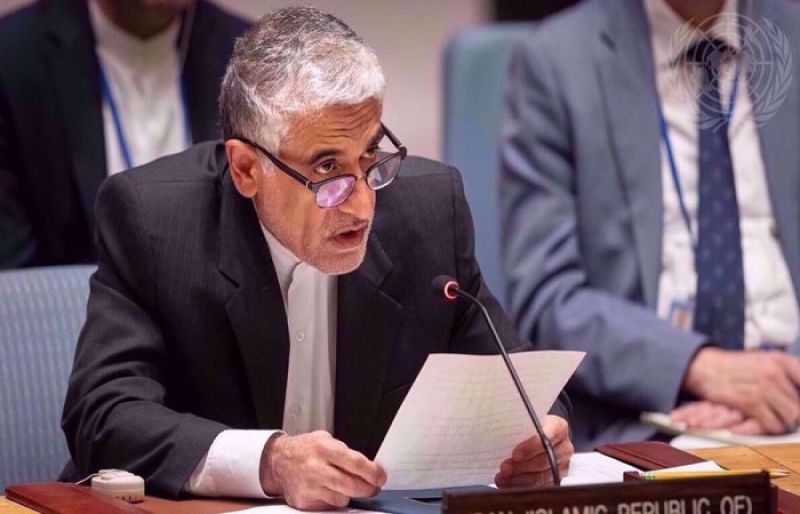

Iran’s permanent ambassador to the United Nations has vehemently denounced the fresh and unprovoked Israeli-American war on the Islamic Republic, asserting that the country will continue to act in self-defense until the end of the unlawful aggression.
Amir-Saeid Iravani made the remarks at a UN Security Council meeting on Sunday regarding the joint strikes that were launched against the country earlier on Saturday.
The nation, he stated, was facing armed aggression and a war against international law, which could not be justified by any excuse.
Referring to Iran’s decisive and ongoing retaliatory strikes, under the codename Operation True Promise 4, the envoy said it serves as a legitimate act of self-defense.
The Islamic Republic would continue to exercise its legitimate right to self-defense until the aggression ends, Iravani told the world body.
The Islamic Revolution Guards Corps (IRGC) has so far launched at least five waves of counterstrikes against numerous Israeli and American targets in response to the aggression.
IRGC has pledged to sustain the counterstrikes until the enemies’ “complete defeat,” while noting that the reprisal exceeds by far the proportions of its previous round of retaliations against Tel Aviv’s and Washington’s imposed war on the nation last June.
Addressing the same meeting, Russia’s UN envoy said Iran had been once again “stabbed in the back,” referring to the country’s coming under fresh aggression, while engaging in indirect talks with the United States aimed at resolving standing issues.
Vasily Nebenzya condemned an attack on a school in Iran that took place as part of the renewed aggression, claiming the lives of more than 100 people, calling it a sign of “unjustified aggression” by the Israeli regime and the United States against a UN member state.
He described the atrocities as “unjustifiable” and a “betrayal of diplomacy.”
- PM Modi describes accident as “deeply distressing”.
- Maharashtra CM terms it “extremely unfortunate.”
- Industrial accidents are common in India.
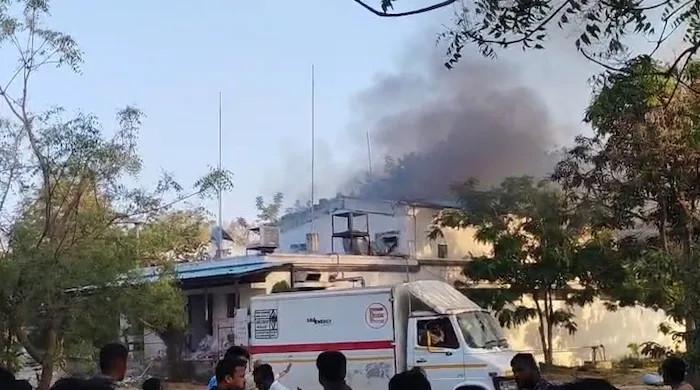
A blast at an explosives factory killed at least 17 people and injured 18 others on Sunday, officials in the western Indian state of Maharashtra said.
Prime Minister Narendra Modi said the accident was “deeply distressing” and wished a speedy recovery to the survivors.
Maharashtra state chief minister Devendra Fadnavis called the incident “extremely unfortunate and tragic” in a post on X.
The accident happened in Nagpur, about 800 kilometres (500 miles) from state capital Mumbai.
“Rescue operations have been accelerated, and so far, 17 people have lost their lives,” Fadnavis said, adding 18 others were injured.
An investigation has been ordered into the incident.
On Saturday, 21 people were killed in an explosion at a firecracker factory in the southeastern Indian state of Andhra Pradesh.
Industrial accidents are common in India, often due to disregard for safety requirements and lax enforcement.
Last year, a firework factory explosion in western India killed 21 people.
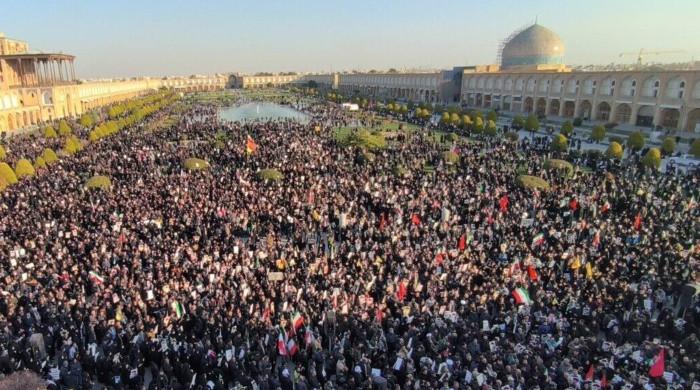
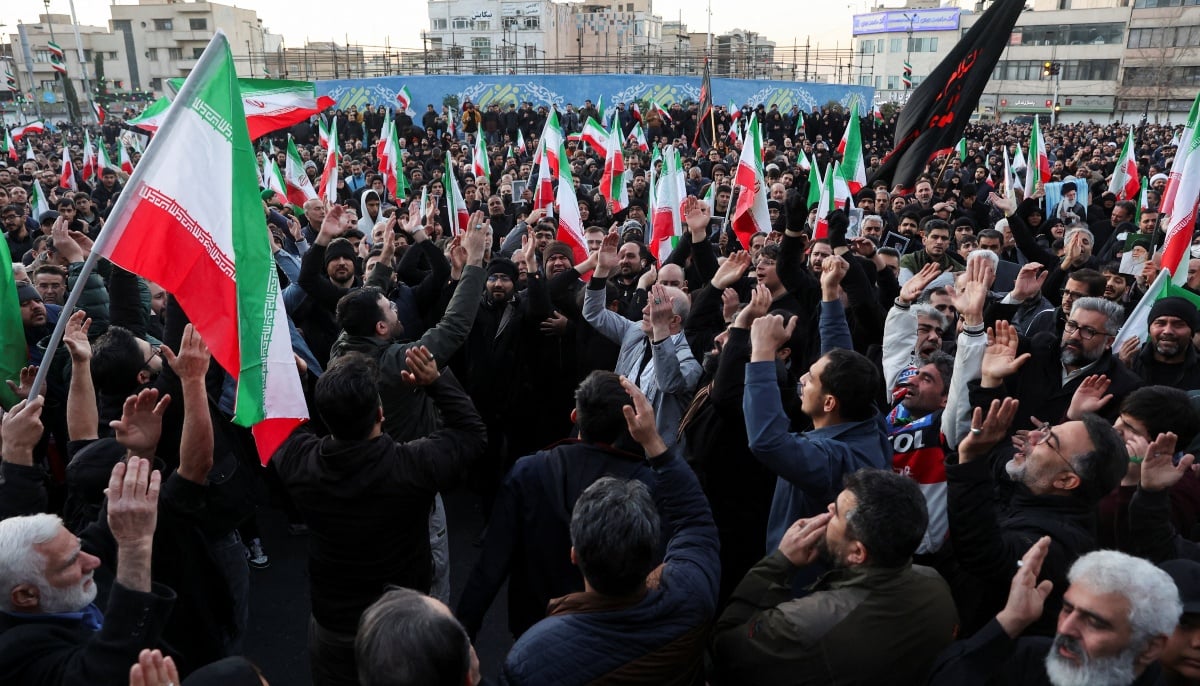
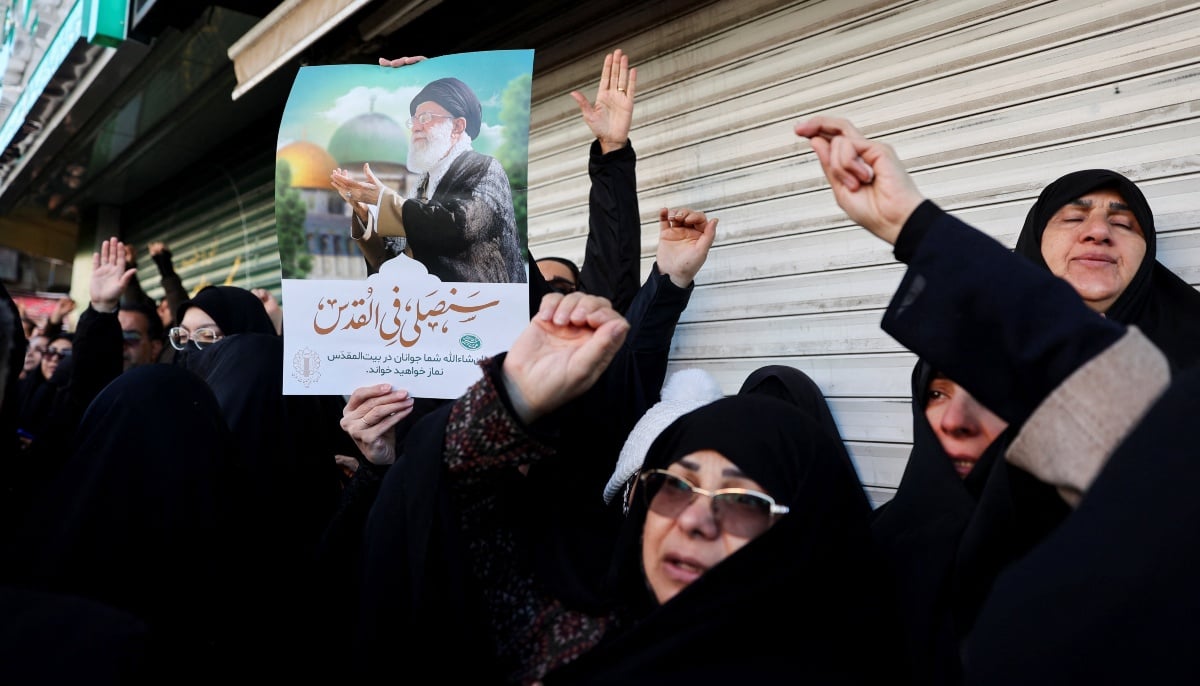
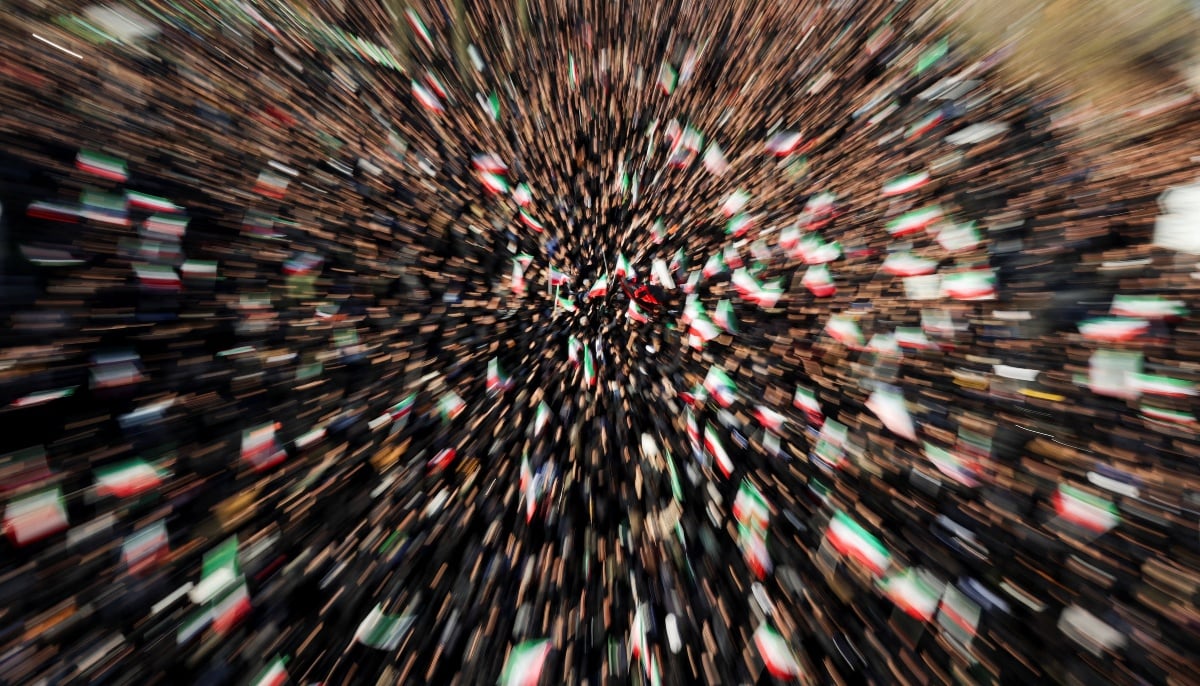
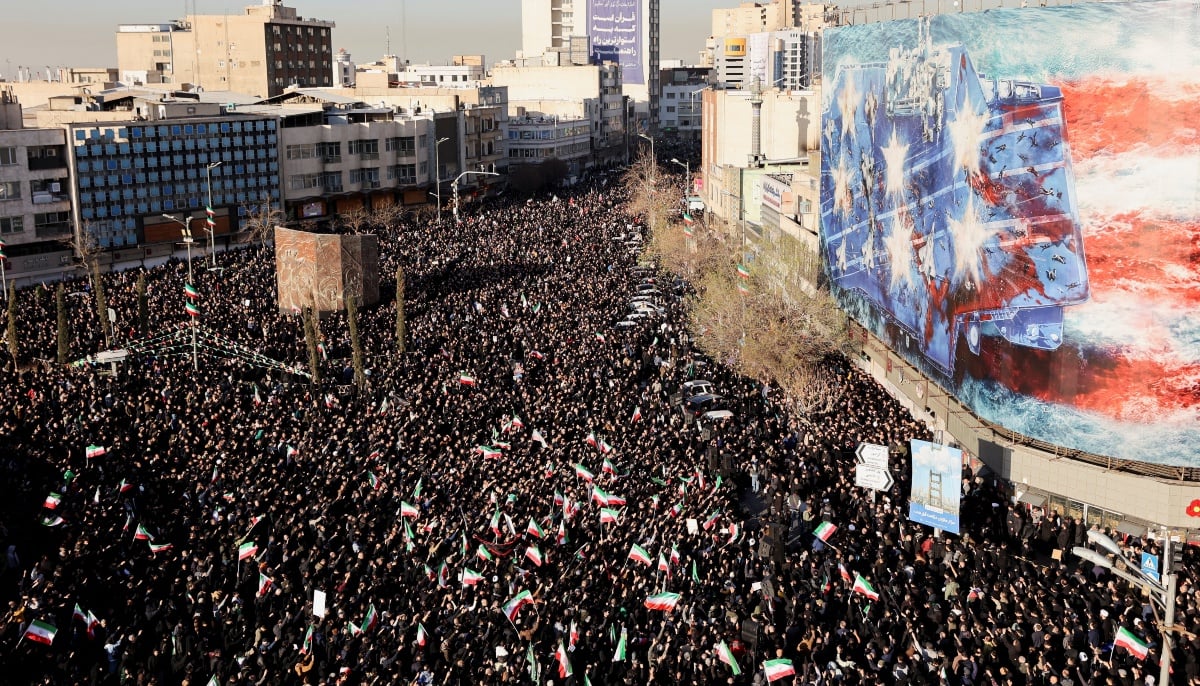
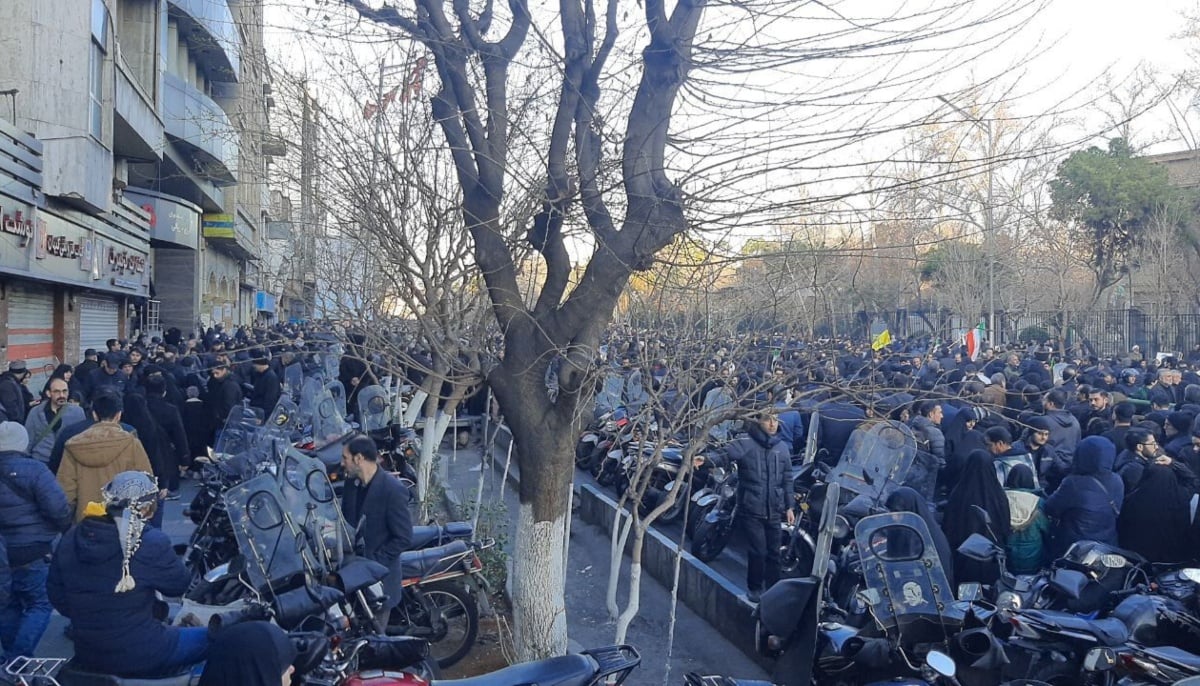
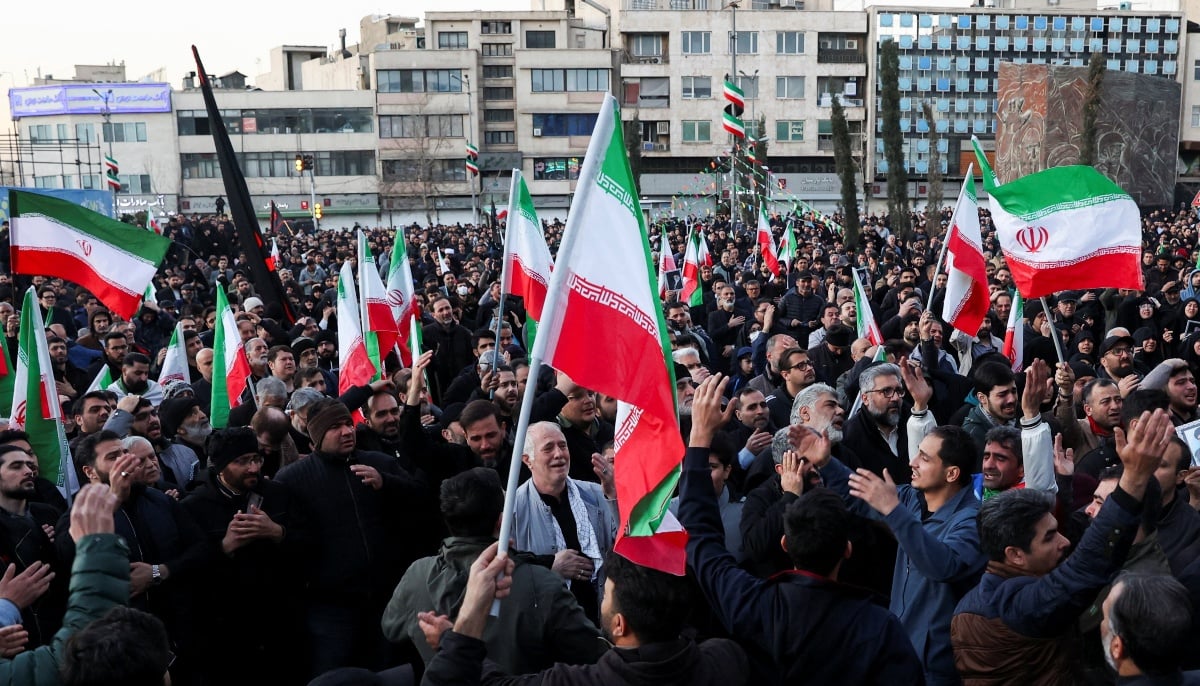
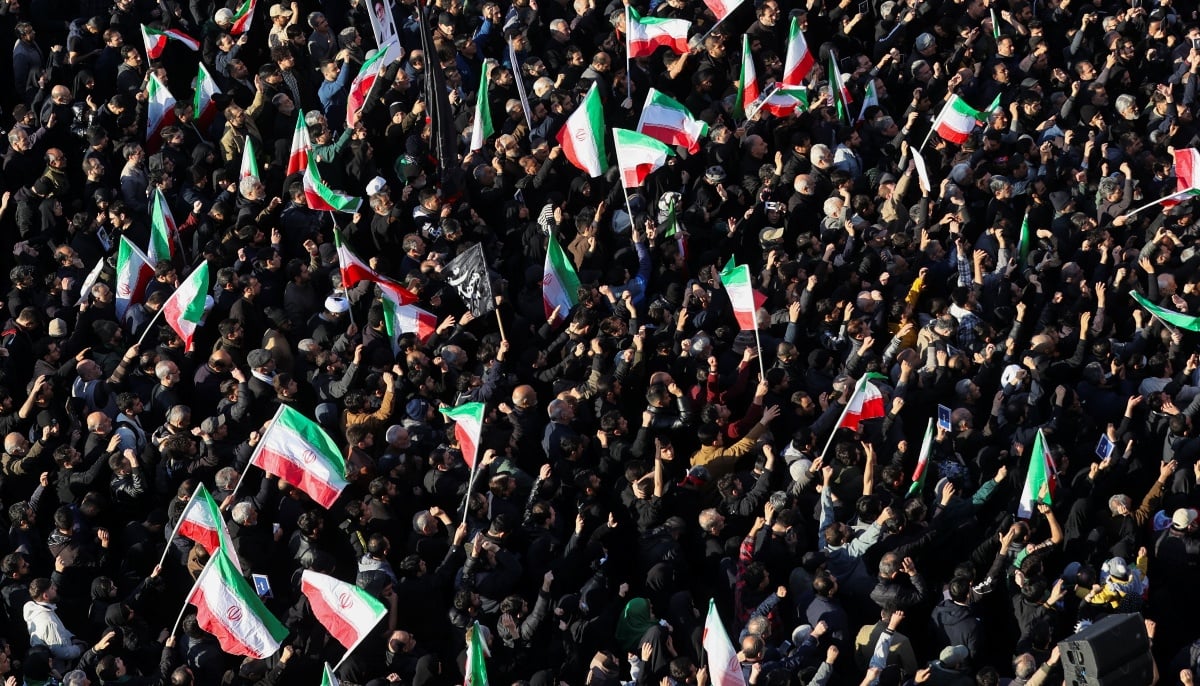
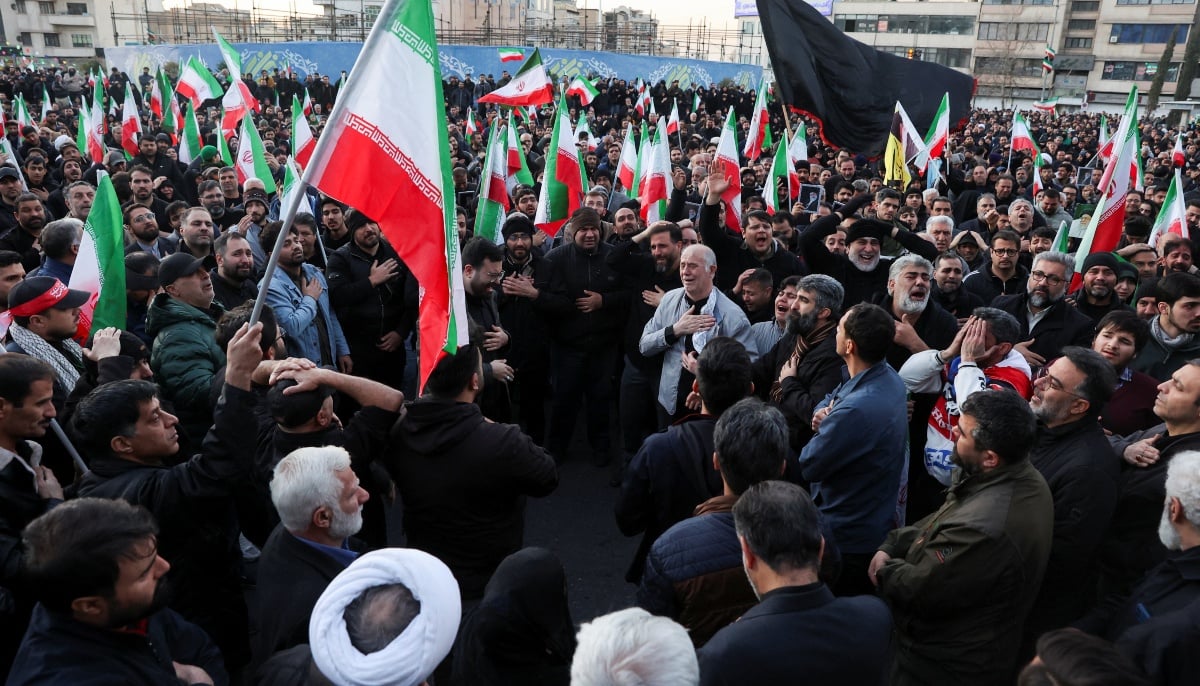
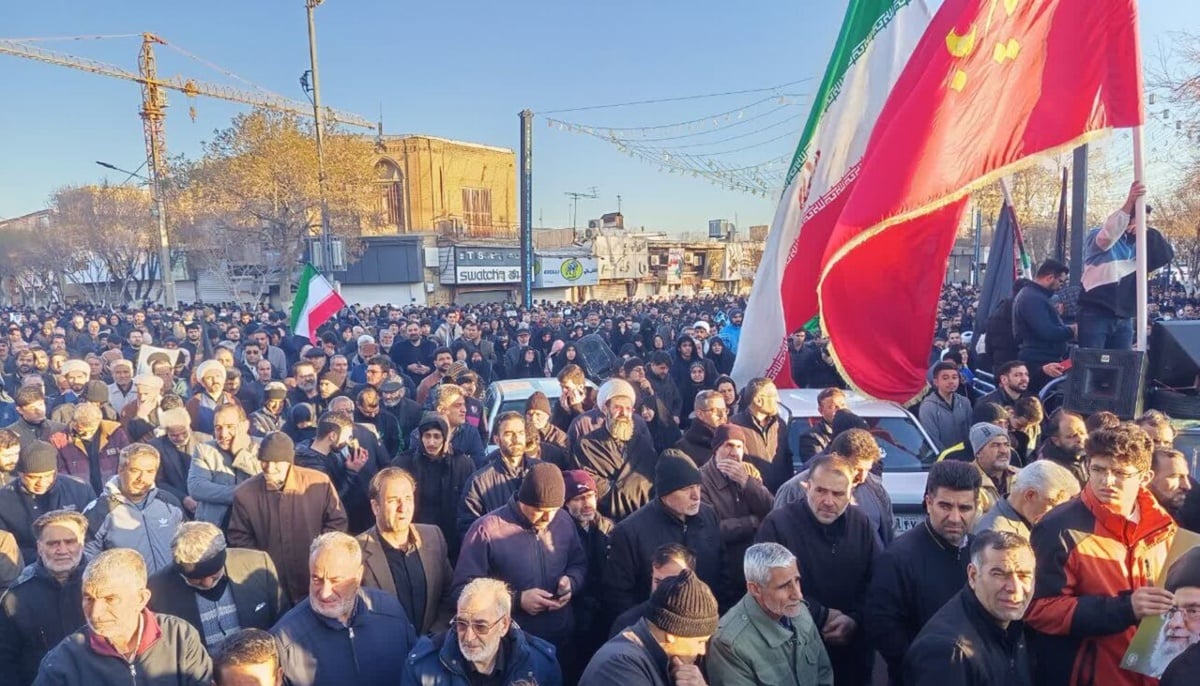
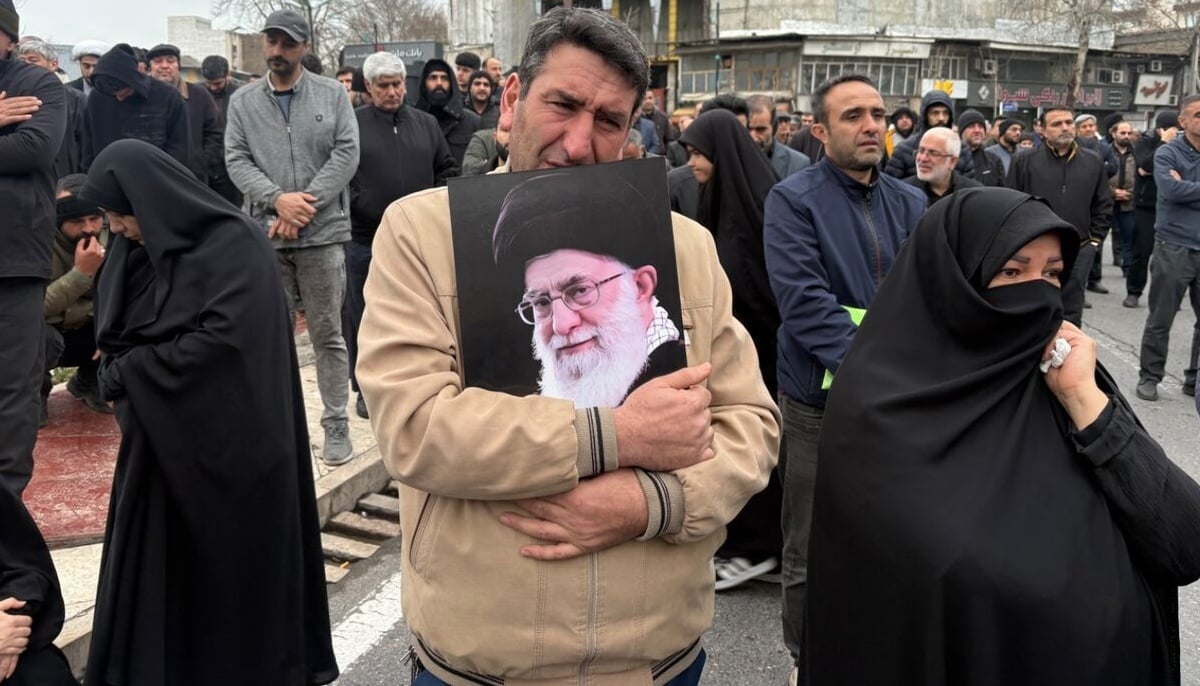
Protests erupted in Iran on Sunday after Iranian state media announced that Supreme Leader Ayatollah Ali Khamenei had been martyred, aged 86, in air strikes by Israel and the United States that Iranian media said pulverised his central Tehran compound.
Khamenei’s 36-year rule built Iran into a powerful anti-US force and extended its military sway across the Middle East, as decades of efforts to resolve the dispute over Iran’s nuclear programme through diplomacy ultimately failed.
Iranian state media confirmed Khamenei had been martyred in Israeli and US strikes. The Fars agency reported that the Iranian government declared 40 days of public mourning and announced seven days of public holidays.


Make the Most of Chrome’s Toolbar by Customizing It to Your Liking

Holly Willoughby could be next big digital star after Gordon Ramsay

The Piracy Problem Streaming Platforms Can’t Solve

-
 Business1 week ago
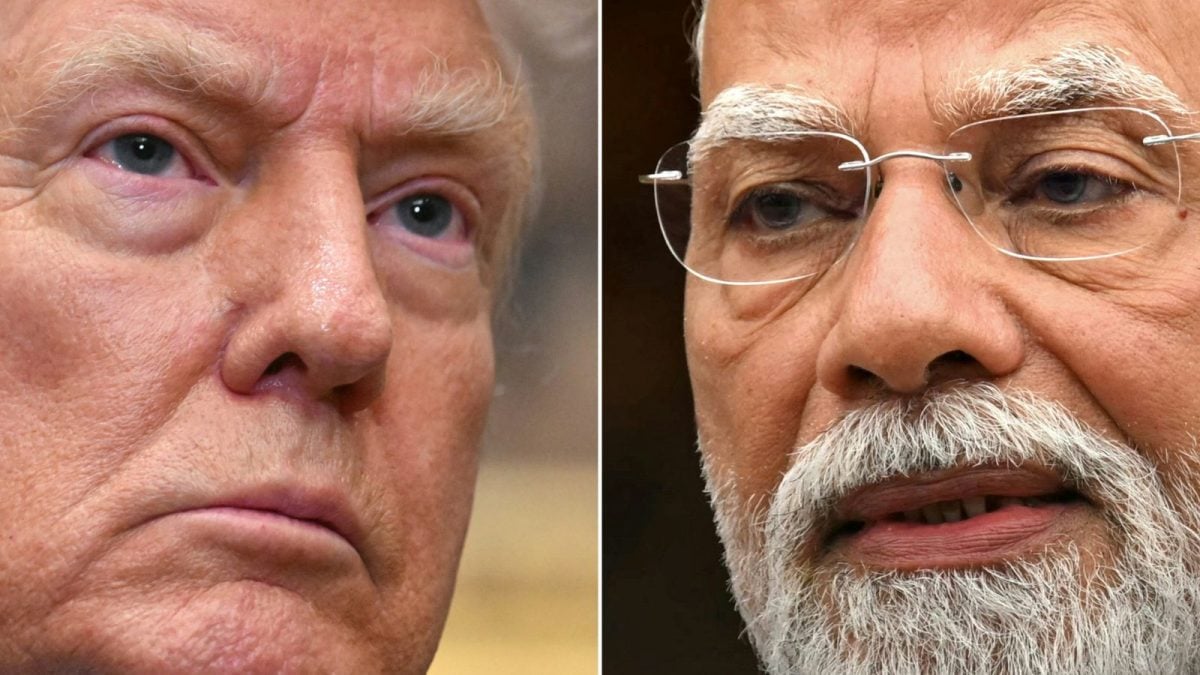
US Top Court Blocks Trump’s Tariff Orders: Does It Mean Zero Duties For Indian Goods?
-

 Fashion1 week ago
ICE cotton ticks higher on crude oil rally
-

 Entertainment1 week ago
The White Lotus” creator Mike White reflects on his time on “Survivor
-
 Politics1 week ago
Pakistan carries out precision strikes on seven militant hideouts in Afghanistan
-
 Business1 week ago
Eye-popping rise in one year: Betting on just gold and silver for long-term wealth creation? Think again! – The Times of India
-
 Sports1 week ago
Brett Favre blasts NFL for no longer appealing to ‘true’ fans: ‘There’s been a slight shift’
-

 Entertainment1 week ago
Viral monkey Punch makes IKEA toy global sensation: Here’s what it costs
-

 Sports1 week ago
Kansas’ Darryn Peterson misses most of 2nd half with cramping