

Fashion
Olivier Rousteing leaves Balmain after 14-year tenure at house


Published
November 5, 2025
Creative Director Olivier Rousteing has left Balmain, the Paris-based house announced Tuesday, bringing an end to the French deisgner’s 14-year-tenure at the house.
Rousteing took up his position as Creative Director of the fashion house in April 2011 and staged a series of critically acclaimed collections and shows years, where “his vision and creative genius propelled Balmain to unprecedented heights,” the house said in a release.
“I am deeply proud of everything I have accomplished, and infinitely grateful to my exceptional team at Balmain, my chosen family, in a place that has been my home for the past 14 years. I thank Mr. Rachid and Matteo for their unwavering trust and for offering me this extraordinary opportunity. As I look ahead to the future and the next chapter of my creative journey, I will always cherish this special time,” said Rousteing in the release.
Known for his blend of haute couture silhouettes, rock n roll attitude and bravura staging, Rousteing was a celebrated figure in Paris fashion.
Balmain did not name a successor to Rousteing, but added that a “new creative organization of the house will be announced at a needed moment.”
In the official statement: Mr. Rachid Mohamed Rachid, CEO of Mayhoola and Chairman of Balmain, said: “I extend my sincere thanks to Olivier Rousteing for his extraordinary contribution to Balmain. His visionary leadership has not only redefined the boundaries of fashion, but has also inspired an entire generation with his bold creativity, unwavering authenticity, and commitment to inclusivity. We are immensely proud of everything that has been achieved under his leadership and look forward to the next chapter of his journey, which he will pursue with the same passion and excellence.”
While CEO Matteo Sgarbossa, also said: “I would like to express my deep gratitude to Olivier for writing such an important chapter in the history of the House. His contribution and passion over the years will leave an indelible mark on the history of fashion.”
Born in Bordeaux to a Somalian mother and Ethiopian father, Rousteing was abandoned in an orphanage as a child, later being adopted by a bourgeois family in Bordeaux. A serious student, Rousteing studied at Esmod art college in Bordeaux, before moving to Florence, where he joined Robert Cavalli in the design studio.
In 2009, he began working at Balmain as director of the women’s wear design studio under Christophe Decarnin. By 2011, he had succeeded Decarnin, introducing a sexy rock and roll attitude and razor sharp tailoring – going on to dress stars like Kim Kardashian, Beyoncé, Rihanna and Jennifer Lopez. He also created costumes for the Opera national in Paris; staged a solo haute couture show for the brand and in 2022 presented a much-admired collection as a guest designer for the house of Jean-Paul Gaultier.

The house of Balmain was founded in 1945 by Pierre Balmain, embodying from the beginning an innovative look, the “New French Style.”
Alongside its ready-to-wear and accessory collections for women and men, the house appeals to an international audience with Balmain Beauty, inspired by the brand’s iconic fragrances from the 1940s and 1950s, as well as its iconic eyewear.
Balmain is controlled by Mayhoola, a luxury holding company owned by the Qatari royal family that also owns Valentino in Rome.
Copyright © 2025 FashionNetwork.com All rights reserved.












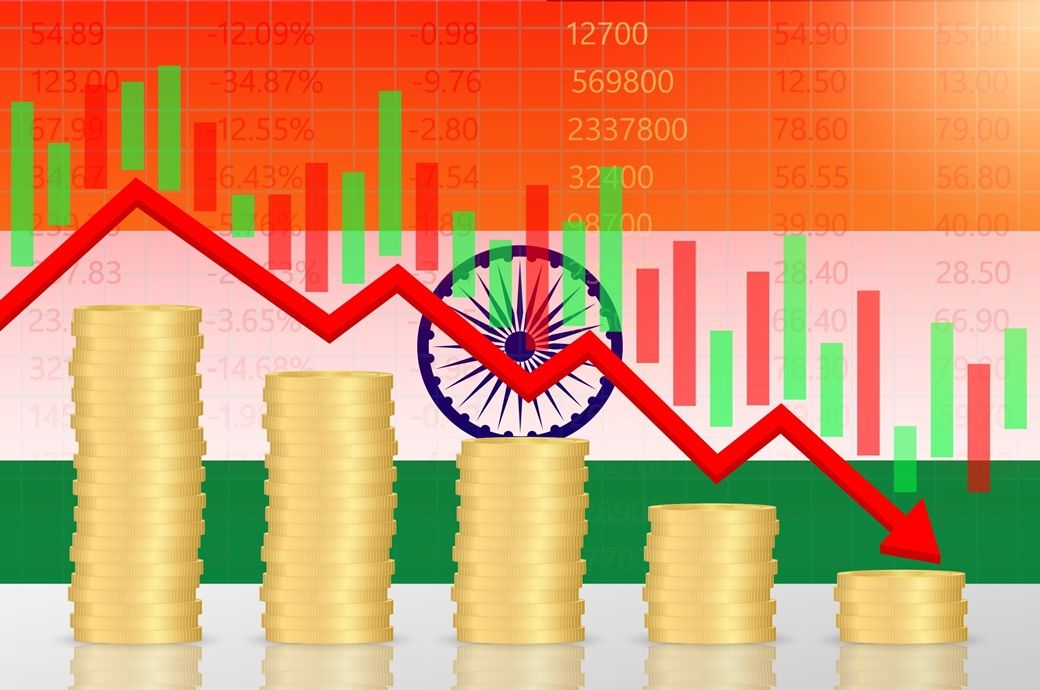
While trends in high frequency indicators for January-February 2026 appear favourable, the heightened uncertainty around the duration of the Middle East conflict casts a shadow on the near-term macroeconomic outlook for India amid high import dependency for items like crude oil, natural gas and fertilisers, it noted.
India’s FY27 GDP growth is likely to slow to 6.5 per cent from the projected 7.5 per cent in FY26 owing to the impact of higher energy prices and concerns around energy availability, ICRA Ratings said.
The heightened uncertainty around the duration of the Iran war casts a shadow on the near-term macroeconomic outlook for India.
If the conflict lasts longer, the adverse effects could widen across sectors.
If the conflict lasts for an extended period, the adverse implications of the same could widen across sectors, amid an uptick in input costs and the consequent impact on profitability of the India corporate sector.
Amid the projected uptrend in the consumer price index-based inflation in FY27 with risks tilted to the upside, ICRA Ratings expects an extended pause on the policy rates by the central bank’s monetary policy committee in the fiscal despite the anticipated softening in the GDP growth. However, it expects the Reserve Bank of India to continue to intervene on the liquidity front during FY27.
The available data for January–February FY2026 indicate a positive trend across most non-agricultural indicators, with the year-on-year performance of 12 out of 18 indicators improving compared to the third quarter of FY26, while the remaining six deteriorated.
Fibre2Fashion News Desk (DS)
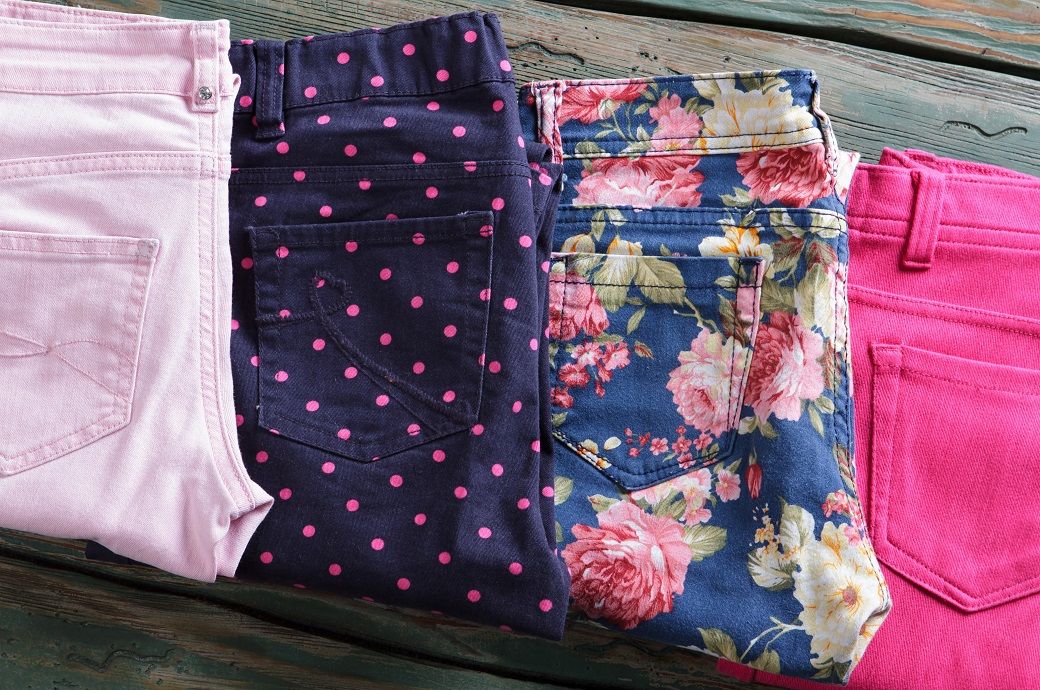
Indonesia’s apparel exports rose modestly to $8.705 billion in 2025 from $8.316 billion in 2024, reflecting gradual recovery.
The US remained dominant, accounting for over 56 per cent of shipments, highlighting growing market dependence.
While Japan, South Korea and Europe offered stability, exports stayed concentrated in key products and segments.
Source link

Methanol prices in India have surged nearly 150 per cent from pre-Iran–US tension levels, tracking a sharp rise in crude oil and tightening global energy markets.
Hormuz disruption risks, limited rerouting capacity, rising freight and insurance costs, and constrained imports are fuelling volatility, with prices seen approaching ₹90 per kg.
Source link


Italy veterans aware 2026 World Cup is their ‘last chance’

Iran air defenses shoot down MQ-9 drone in Isfahan, LUCAS drone over Qeshm Island

Iran oil returns: India set to receive first cargo in 5 years, tanker heads to Gujarat – The Times of India

-

 Politics1 week ago
Afghanistan announces release of detained US citizen
-

 Sports1 week ago
Broadcast industry CEO says consolidation is ‘essential’ to compete for NFL soaring media rights prices
-

 Entertainment1 week ago
UN warns migratory freshwater fish numbers are spiralling
-
 Business1 week ago
Property Play: Home flippers see smallest profits since the Great Recession, real estate data firm says
-

 Tech1 week ago
Can a Home Appliance Fix the Problem of Soft-Plastic Waste?
-
 Business1 week ago
Gold prices soar in Pakistan – SUCH TV
-

 Fashion1 week ago
ICE cotton slips on weaker crude, profit booking
-
 Business1 week ago
More women are entering wealth management, but few are in advisory roles, study finds