

Business
OpenClaw: What China’s frenzy says about its AI ambition


The AI agent sparked a frenzy of “raising lobsters” in March, with users training the tool to suit their needs.
Source link
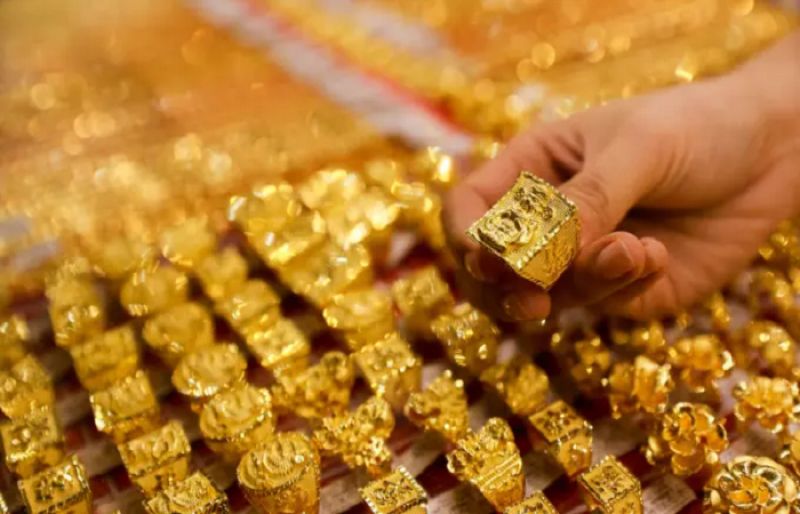
The prices of gold increased in the local market on Monday, with 24-karat gold per tola rising by Rs1,100 to settle at Rs491,462 compared to Rs490,362 on the previous trading day, according to rates issued by the All Pakistan Sarafa Gems and Jewellers Association.
Similarly, the price of 10 grams of 24-karat gold increased by Rs943 to Rs421,349 from Rs420,406, whereas 10 grams of 22-karat gold went up by Rs864 to Rs386,250 against Rs385,386.
In the international market, the price of gold increased by $11 to $4,687 per ounce from $4,676.
Meanwhile, the price of silver per tola decreased by Rs 50 to Rs 7,744 from Rs 7,794, while the price of 10 grams of silver declined by Rs 43 to Rs 6,639 from Rs 6,682.
The price of silver in the international market also decreased by $0.50 to $72.60 per ounce from $73.10.

Hyderabad: Aurobindo Pharma’s board on Monday approved a Rs 800 crore share proposal to buy back up to 54.23 lakh fully paid-up equity shares of the company of face value Rs 1 each at Rs 1,475 a share.The proposed buyback, which is subject to regulatory and statutory approvals, represents up to 0.93% of the total number of equity shares in the company’s total paid-up equity share capital.The Hyderabad-based generics drug maker informed the bourses that April 17, 2026, has been fixed as the record date to determine shareholder eligibility and entitlement for the buyback, which will be carried out through the tender offer route on a proportionate basis, in line with SEBI’s Buyback Regulations and the Companies Act.All eligible equity shareholders, including promoters and promoter group entities holding shares on the record date, will be entitled to participate in the offer for which the company has already constituted a buyback committee.The company also said the board or buyback committee may increase the buyback price and correspondingly reduce the number of shares to be bought back up to one working day before the record date but the overall size will remain unchanged.The Rs 800 crore buyback size excludes transaction costs and related expenses such as brokerage, taxes, filing fees, legal charges and publication expenses, it said.The latest buyback comes less than two years after the last buyback offer aggregating to Rs 750 crore that was made at Rs 1,460 a piece in August 2024 by the company.As of December 31, 2025, promoters and promoter group entities held 51.82% stake in the company, mutual funds 19.52%, foreign portfolio investors 13.94%, insurance companies 5.50%, and public shareholders and others 7.93%.
Major UK supermarkets are facing renewed pressure to restore worker pay to the real living wage, after many retailers scaled back commitments amidst significant industry cost pressures.
Investor activist group ShareAction is leading the call, urging the country’s largest grocery chains to reinstate pay at this level.
The campaign follows recent pay increases announced by the sector, ahead of the 1 April rise in the national minimum wage to £12.71 per hour for those aged 21 and over.
While many now pay above this statutory minimum, few currently match the higher real living wage.
This voluntary, independently calculated benchmark, reflecting true living costs, is currently £13.45 an hour nationally and £14.80 in London.
M&S was revealed last month to be no longer offering pay in line with the real living wage when it announced its latest wage hike, despite a rise of at least 6.4 per cent and offering levels above the national minimum wage and inflation.
The Co-operative Group also became the latest to announce its pay rise for workers, with a 3.5 per cent increase from April, but has now dropped a previous “long-standing commitment” to the real living wage.
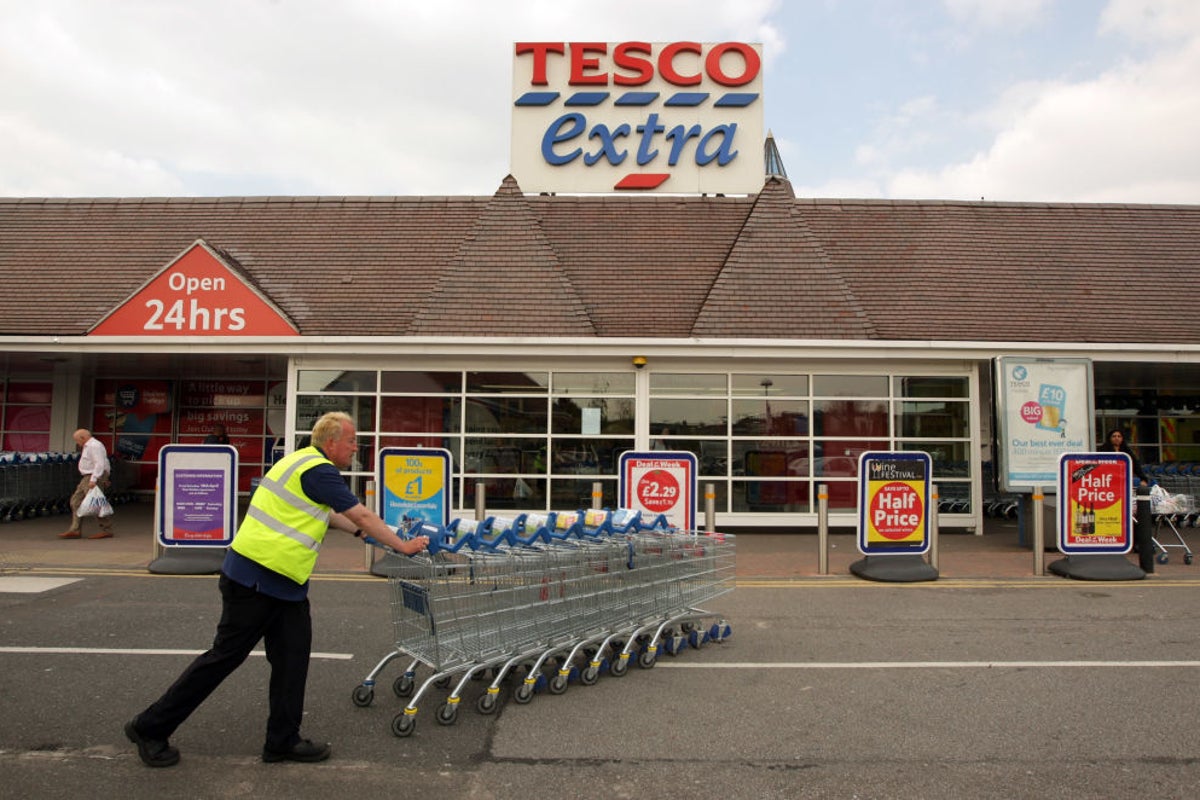
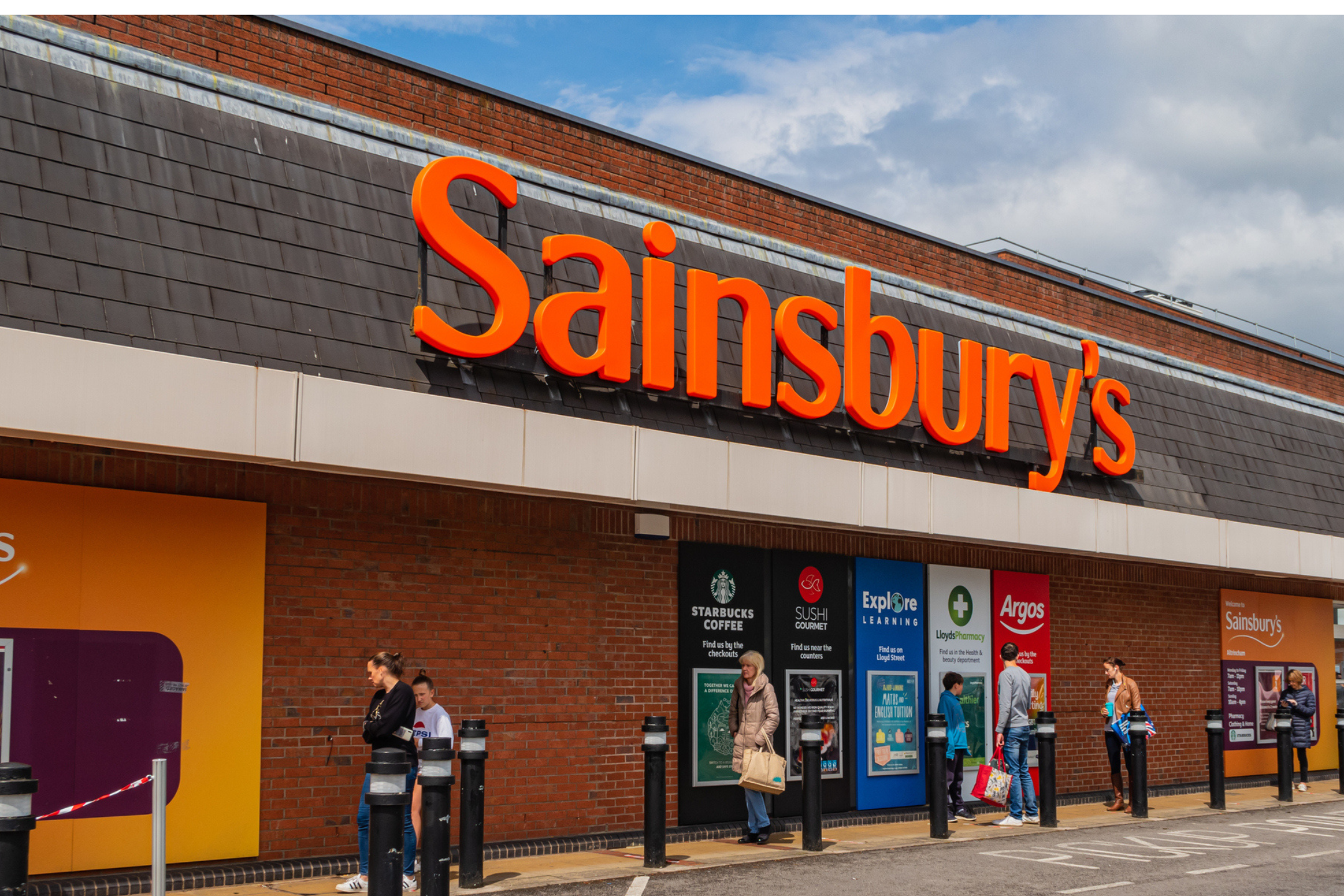
The two biggest players in the sector – Tesco and Sainsbury’s – also no longer match pay to the real living wage and have not since 2025.
Both pay higher than the national minimum wage after above-inflation rises, but not at the living wage level.
Discount supermarkets Aldi and Lidl are the only major supermarkets to pay entry-level shop staff in line with the real living wage nationwide, with Aldi’s hourly rate exceeding the benchmark.
The John Lewis Partnership, which owns supermarket Waitrose, has hiked shop staff pay by 6.9% from April but only matches the real living wage for employees within the M25.
ShareAction said pressure on firms to make firm commitments on pay would be a “major focus” for it at upcoming annual meetings for shareholders.
But it comes amid steep cost pressures on the sector, not least higher National Insurance contributions after the tax hike in April last year.
Louise Eldridge, head of good work at ShareAction, said: “It’s disappointing to see supermarkets like M&S, Sainsbury’s and Tesco moving away from matching the real Living Wage pay rates after setting the pace in recent years.
“We know retailers are under real pressure.
“The latest Living Wage rise reflects higher living costs, but that’s exactly why paying people a wage can actually live on is so important.”
She added: “Investors have been making the case to these companies that better pay has proven business benefits, from better morale to lower turnover and higher productivity.
“We’ve made progress on disclosure, but that alone won’t help staff cover the basics, so we’re continuing to push for concrete commitments on pay. This will be a major focus for us at supermarket AGMs this year.”
A spokeswoman for Sainsbury’s, which increased worker pay by 5 per cent in April, said the group had increased hourly wages by 42 per cent in the past five years.
“Our colleagues are at the heart of our success and rewarding them well continues to be a priority,” she said.
A Co-op spokesperson said: “In recent years we have aligned our lowest rates of pay with the Real Living Wage, although we are not formally accredited as a Real Living Wage employer.
“Pay is considered as part of our wider reward offer, which includes benefits such as paid breaks, colleague discounts and wellbeing support.”
M&S stressed it has never formally committed to the living wage.
Tesco said its wages have risen by 43 per cent over the last five years, adding its workers “also benefit from a competitive reward package”.


Allbirds signs $39M asset deal with American Exchange Group

Gabrielle Union pens heartbreaking tribute after dad’s death from dementia

Hailee Steinfeld, Josh Allen mark first public appearance as parents

-

 Sports1 week ago
USMNT handed reality check by Doku, Belgium ahead of World Cup
-

 Sports1 week ago
2026 NCAA men’s hockey tournament: Schedule, results
-
Uncategorized4 days ago
[CinePlex360] Please moderate: “Trump signals p
-
Uncategorized1 week ago
[CinePlex360] Please moderate: “Further tariff
-

 Entertainment3 days ago
Joe Jonas shares candid glimpse into parenthood with Sophie Turner
-

 Tech3 days ago
Our Favorite iPad Is $50 Off
-

 Entertainment1 week ago
The Avett Brothers’ bassist explains why he wrote a book about John Quincy Adams
-

 Sports1 week ago
Man City show why they are worthy WSL title winners as tired United wilt