

Fashion
Outdoor to make 2026 comeback in Italy with new European Outdoor Week


Translated by
Nazia BIBI KEENOO
Published
September 24, 2025
The European Outdoor Group (EOG) is relaunching its flagship international trade show, Outdoor, set to take place on May 17–18, 2026, in the picturesque Italian town of Riva del Garda. The event will serve as the centerpiece of the newly created European Outdoor Week, running from May 15 to 20, 2026.
Previously held in Friedrichshafen, Germany, the trade fair had become more closely aligned with ISPO Munich, the country’s other major sports industry event. However, in recent years, the show had grown increasingly local, catering primarily to the German-speaking market. The move to Italy marks a significant strategic shift by the EOG, aimed at restoring the event’s pan-European appeal.
“We’ve worked hard this year to develop a concept that enables our sector to come together in a venue that truly reflects what we all love about the outdoors. Riva del Garda fits the bill perfectly,” said Christian Schneidermeier, EOG director. Nestled between lake and mountains, the town offers a natural playground for showcasing outdoor activities and is ideally situated at the heart of Europe.
Following a hiatus in 2025, the EOG has reimagined the show to make it more attractive to brands, retailers, and visitors alike. In addition to the trade show itself, European Outdoor Week will feature the Outdoor Impact Summit, the EOG annual meeting, an awards ceremony, and a public festival where visitors can test equipment alongside renowned athletes and major outdoor brands.
Founded in 2003 by 19 of the world’s leading outdoor companies, the EOG now includes nearly 150 member organizations. By choosing Italy as its new base, the association is sending a clear message: a push toward cross-border collaboration, renewed industry visibility, and a stronger European identity.
“We want to ensure no one in the outdoor sector has a reason to miss this event,” Schneidermeier emphasized.
Additional details about European Outdoor Week will be released by the end of October 2025.
This article is an automatic translation.
Click here to read the original article.
Copyright © 2025 FashionNetwork.com All rights reserved.







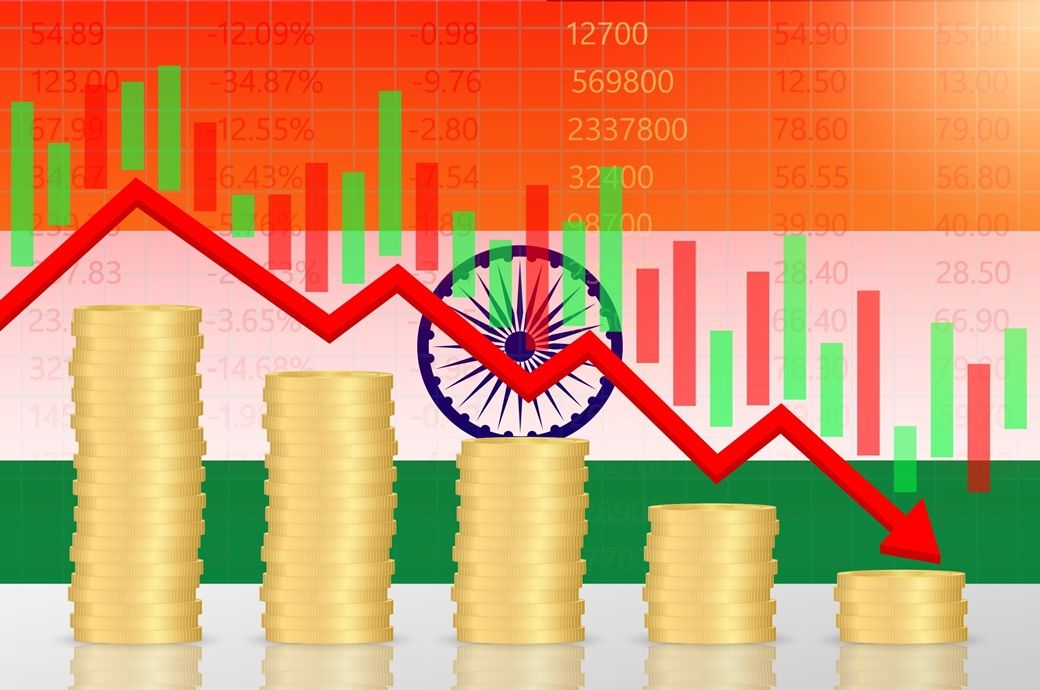
While trends in high frequency indicators for January-February 2026 appear favourable, the heightened uncertainty around the duration of the Middle East conflict casts a shadow on the near-term macroeconomic outlook for India amid high import dependency for items like crude oil, natural gas and fertilisers, it noted.
India’s FY27 GDP growth is likely to slow to 6.5 per cent from the projected 7.5 per cent in FY26 owing to the impact of higher energy prices and concerns around energy availability, ICRA Ratings said.
The heightened uncertainty around the duration of the Iran war casts a shadow on the near-term macroeconomic outlook for India.
If the conflict lasts longer, the adverse effects could widen across sectors.
If the conflict lasts for an extended period, the adverse implications of the same could widen across sectors, amid an uptick in input costs and the consequent impact on profitability of the India corporate sector.
Amid the projected uptrend in the consumer price index-based inflation in FY27 with risks tilted to the upside, ICRA Ratings expects an extended pause on the policy rates by the central bank’s monetary policy committee in the fiscal despite the anticipated softening in the GDP growth. However, it expects the Reserve Bank of India to continue to intervene on the liquidity front during FY27.
The available data for January–February FY2026 indicate a positive trend across most non-agricultural indicators, with the year-on-year performance of 12 out of 18 indicators improving compared to the third quarter of FY26, while the remaining six deteriorated.
Fibre2Fashion News Desk (DS)
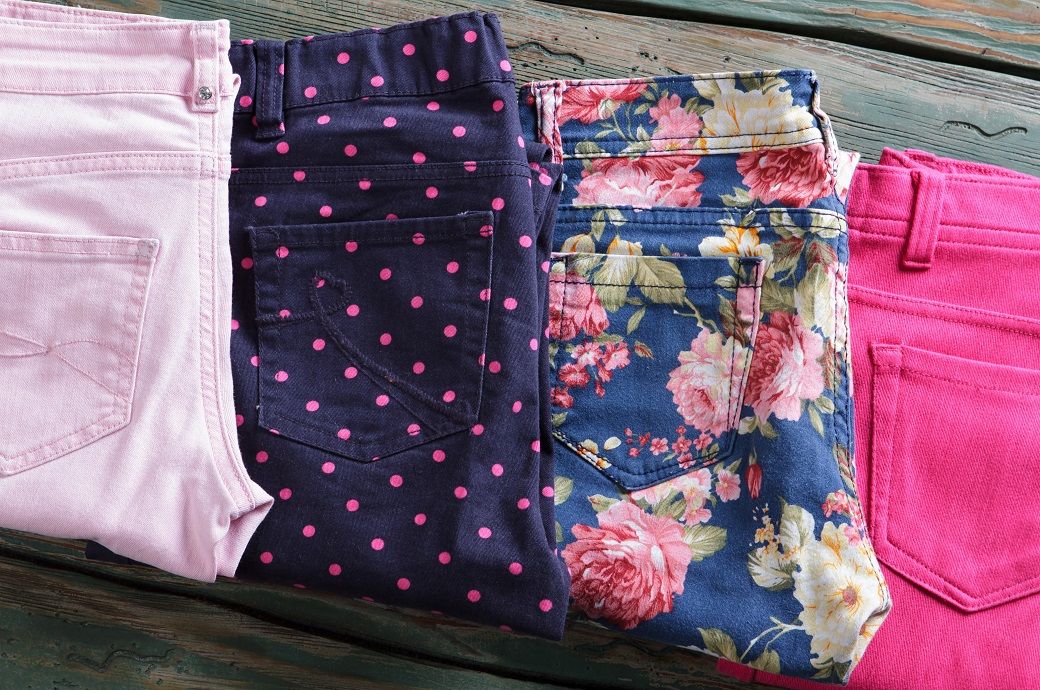
Indonesia’s apparel exports rose modestly to $8.705 billion in 2025 from $8.316 billion in 2024, reflecting gradual recovery.
The US remained dominant, accounting for over 56 per cent of shipments, highlighting growing market dependence.
While Japan, South Korea and Europe offered stability, exports stayed concentrated in key products and segments.
Source link
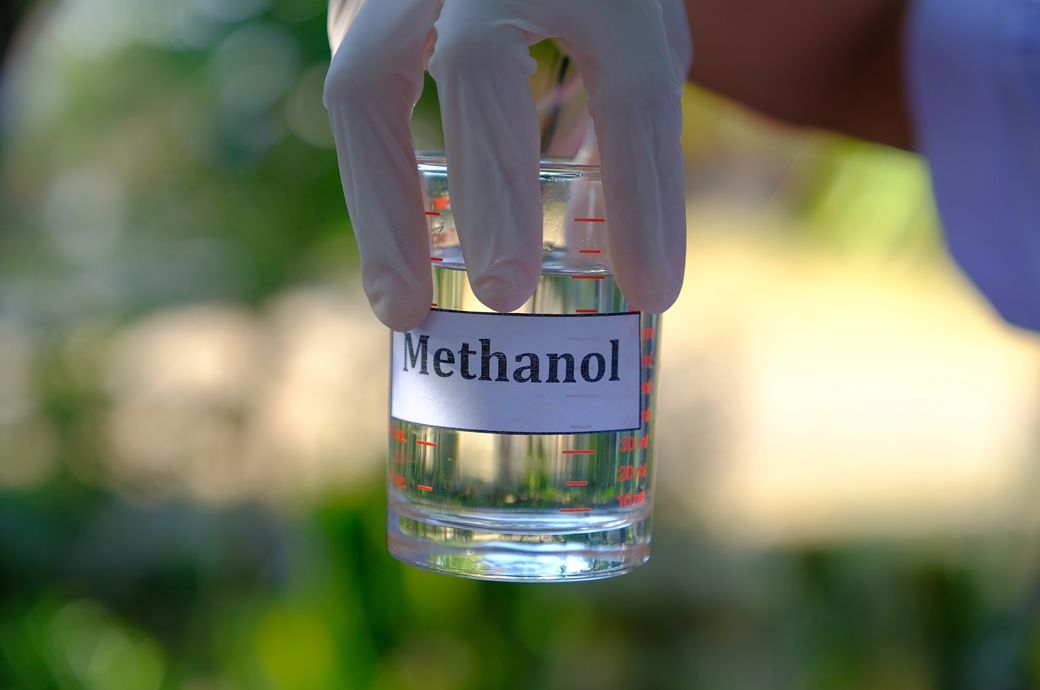
Methanol prices in India have surged nearly 150 per cent from pre-Iran–US tension levels, tracking a sharp rise in crude oil and tightening global energy markets.
Hormuz disruption risks, limited rerouting capacity, rising freight and insurance costs, and constrained imports are fuelling volatility, with prices seen approaching ₹90 per kg.
Source link


Wrigley Field to host Big Ten/SEC volleyball doubleheader

Romelu Lukaku facing disciplinary action after missing Napoli training

Crew that flew Apache helicopters near Kid Rock’s house suspended from flying

-

 Politics1 week ago
Afghanistan announces release of detained US citizen
-

 Sports1 week ago
Broadcast industry CEO says consolidation is ‘essential’ to compete for NFL soaring media rights prices
-

 Entertainment1 week ago
UN warns migratory freshwater fish numbers are spiralling
-

 Tech1 week ago
Can a Home Appliance Fix the Problem of Soft-Plastic Waste?
-
 Business1 week ago
Property Play: Home flippers see smallest profits since the Great Recession, real estate data firm says
-
 Business1 week ago
Gold prices soar in Pakistan – SUCH TV
-

 Fashion1 week ago
ICE cotton slips on weaker crude, profit booking
-
 Business1 week ago
More women are entering wealth management, but few are in advisory roles, study finds