

Business
Pakistan–ASEAN trade reaches $11.5bn but deficit widens in 2025 | The Express Tribune

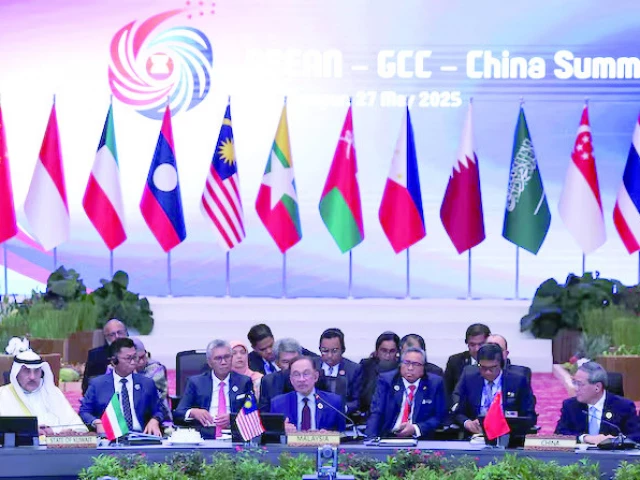
Indonesia, Malaysia, Philippines drive fastest import growth as Islamabad pushes for FTAs to rebalance trade
ISLAMABAD:
Pakistan’s trade volume with the Association of Southeast Asian Nations (ASEAN) stood at $11.5 billion in 2024, a figure officials say remains below potential and requires rationalisation. Despite steady engagement, the trade deficit in 2025 continues to widen in favour of ASEAN members.
Pakistan’s exports to ASEAN were approximately $3.5 billion in 2024, while imports reached about $8 billion. Most of this trade is concentrated in five key ASEAN economies: Indonesia, Malaysia, Thailand, Vietnam and the Philippines.
Islamabad is pursuing multiple trade frameworks to strengthen these ties. These include a Free Trade Agreement (FTA) with Malaysia, a Preferential Trade Agreement (PTA) with Indonesia, and ongoing negotiations for an FTA with Thailand and a PTA with Vietnam. The government is also pushing for technology transfer, value addition and greater ASEAN investment in Special Economic Zones under CPEC to reduce the imbalance.
Officials emphasise Pakistan’s strategic position as a bridge linking ASEAN to Central Asia, the Middle East, Western China and the Indian Ocean, with policy and infrastructure upgrades aimed at making Pakistan a competitive production base for ASEAN companies.
Pakistan’s exports to ASEAN in 2025 largely comprise textiles, such as non-knit men’s and women’s suits and knit sweaters, along with rice, seafood, house linens, leather goods, cotton and other agricultural items, including pulses and tree nuts. Textiles account for roughly 68% of exports, reflecting both concentration and market demand.
Indonesia, Malaysia and the Philippines recorded the fastest growth in imports from Pakistan in 2025. Malaysia’s demand for textiles, rice and leather goods increased under the FTA, while Indonesia continued implementing the PTA signed in 2012. The Philippines also posted significant growth, particularly in textiles and agricultural imports. Thailand and Vietnam showed notable but slower import increases.
The broader rise in trade is driven by bilateral agreements, Pakistan’s diversification efforts and improvements in connectivity and value-added production in sectors such as information technology, textiles and food products.
FPCCI President Atif Ikram said ASEAN economies offer vast potential for engaging Pakistan’s 250-million-strong market.





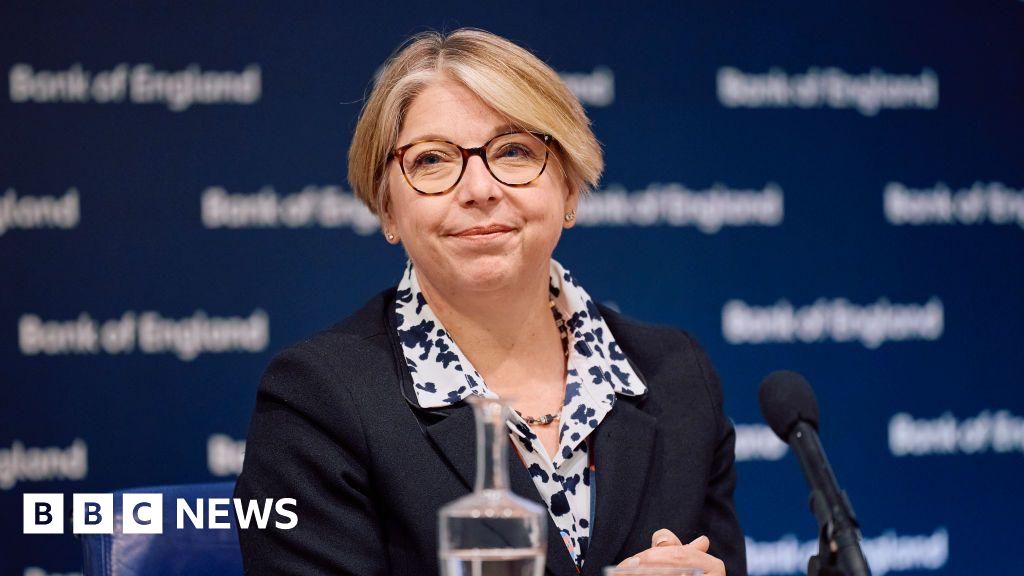
It is unusual for a senior figure at the Bank to be so forthright on market movements.
Source link

Consumer confidence has fallen for the third consecutive month amid household “jitters” over rapid price rises, figures show.
GfK’s long-running consumer confidence index fell four points to minus 25 in April, following falls of two points and three points in March and February respectively.
The deepening concern was driven by perceptions of the UK economy, with a six-point slide in confidence for the next 12 months to minus 43, its lowest level since February 2023.
Confidence in personal finances over the coming year fell five points to minus four – one point lower than this time last year.
The major purchase index – an indicator of confidence in buying big ticket items – held steady, albeit at minus 18 but one point better than last April.
The only measure to improve was the savings index – often an indication that households are concerned about their finances and looking to build contingency funds – which is up five points to 32.
Neil Bellamy, consumer insights director at GfK, said: “Consumers really do have the jitters now.
“It is a year since we last saw a monthly drop of this size, and we have to go back to October 2023 to find the last time consumer confidence was lower.
“Everyone is grappling with rapid price rises, especially at the fuel pumps, which are taking a dent out of household budgets, and people know further price hikes are coming.
“Consumer confidence is deteriorating sharply, with fuel prices and threats of more energy price increases acting as constant reminders of inflation.
“While the Gulf crisis is intensifying pressures, much of the current strain reflects earlier domestic cost increases.
“How long can all this disruption and pain continue?”

People walk past a Nike store in New York City, on April 2, 2025.
Kylie Cooper | Reuters
Nike announced a new round of layoffs Thursday affecting approximately 1,400 employees across the organization, mostly concentrated in its technology department.
In a note from COO Venkatesh Alagirisamy, the company said the layoffs were part of Nike’s broader “Win Now” turnaround strategy aiming to reshape its technology team, modernize its Air manufacturing, move some of its Converse Footwear operations and integrate its materials supply chain work into its footwear and apparel supply chain teams.
“Collectively, these changes will result in a reduction of approximately 1,400 roles in global operations, with the majority in technology,” Alagirisamy wrote. “These reductions are very hard for the teammates directly affected and for the teams around them, too.”
A Nike spokesperson said the layoffs are about better positioning the organization for the current pace of sports and accelerating its growth. The layoffs affect employees across North America, Asia and Europe and represent less than 2% of the company’s total global head count.
“This is not a new direction,” Alagirisamy wrote. “It is the next phase of the work already underway.”
Affected employees will be notified beginning Thursday, Nike added.
CEO Elliott Hill has been working to turn Nike around after years of slumping sales. While Hill has made some initial progress, it’s come with some bumps in the road.
Nike announced 775 job cuts in January, primarily at its U.S.-based distribution centers, due to the company’s work in accelerating its use of automation. At the time, the company said the cuts are part of Nike’s goal to return to “long-term, profitable growth.”
Those layoffs came on top of a round of cuts last summer that affected less than 1% of Nike’s corporate staff as part of the company’s efforts to realign the business.
In its third fiscal quarter earnings report last month, the retailer warned that sales will continue to fall for the rest of the year, primarily led by an anticipated 20% decline in China during the current quarter.
— CNBC’s Jessica Golden contributed to this report.


Rams make surprise first-round move, take Alabama QB Ty Simpson

Luke Grimes shares what disappoints ‘Yellowstone’ fans the most

US Special Forces Soldier Arrested for Polymarket Bets on Maduro Raid

-

 Fashion1 week ago
France’s LVMH Q1 revenue falls 6%, shows resilience amid Iran war
-

 Entertainment1 week ago
Is Claude down? Here’s why users are seeing errors
-

 Sports1 week ago
PSL 11: Peshawar Zalmi win toss, opt to field first against Quetta Gladiators
-

 Tech1 week ago
The Deepfake Nudes Crisis in Schools Is Much Worse Than You Thought
-
 Business1 week ago
Standard Life buys rival in £2b deal to create savings giant
-

 Tech1 week ago
CYBERUK ’26: UK lagging on legal protections for cyber pros | Computer Weekly
-

 Fashion1 week ago
Raymond unveils luxury Chairman’s Collection Store in Mumbai
-
 Business1 week ago
PepsiCo earnings beat estimates as North American food business improves