

Business
Pakistan Surviving On IMF Reviews But Economy Remains Vulnerable As Ever: Report

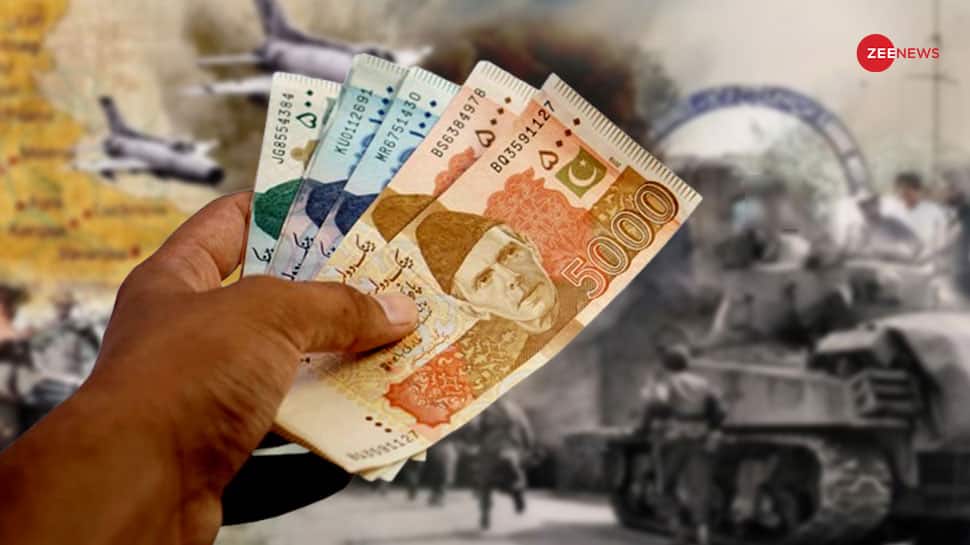
New Delhi: Pakistan is witnessing the institutionalisation of a “survivalist” economy where every policy choice is dictated by the need to pass the next International Monetary Fund (IMF) review, regardless of whether that policy erodes the tax base for the next decade, while the economy remains vulnerable as ever — headed nowhere except, most likely, into another IMF programme, as per a news report.
The report in Business Recorder by Shahid Sattar reveals that Pakistan suffers from a chronic twin deficit: a fiscal gap (spending more than it collects) and a balance of payments crisis (consuming more foreign exchange than it earns).
“For fifty years, our imports have hovered at double the rate of our exports as a percentage of GDP. Simply, Pakistan is a country that has failed to produce,” it added.
The report argued that the fundamental flaw in the IMF’s approach is a “dogmatic adherence to revenue extraction at the cost of value creation”.
“By forcing the government to meet rigid fiscal targets, and through any means necessary at this point, the Fund has encouraged policies that stifle the very export-led growth required to break the debt cycle,” it further stated.
The historic economic model of state patronage was flawed and resulted in suboptimal allocation of resources.
“But there is a difference between weaning an addict off drugs and starving a healthy person. The IMF programme appears unable to distinguish between withdrawing support and subsidies, and actively destroying the ecosystem required for legitimate businesses to function,” the report further argued.
On paper, the IMF deals with the Finance Minister and the Governor of the State Bank. Technically, all policies within the Letter of Intent are the government’s own ideas.
“In reality, the programme reflects the behest of those holding the greatest political and economic leverage. When policies fail, the IMF claims the government designed them; the government claims the IMF demanded them. This ambiguity serves everyone but the country and its citizens,” the report lamented.
“Unless we reclaim our policymaking from the narrow, revenue-centric confines of IMF programmes, we are not just managing a crisis but rather our own decline,” it added.





Loan default rates are rising, but the true impact on households is yet to come as consumers brace for price rises due to the Iran war, experts have warned.
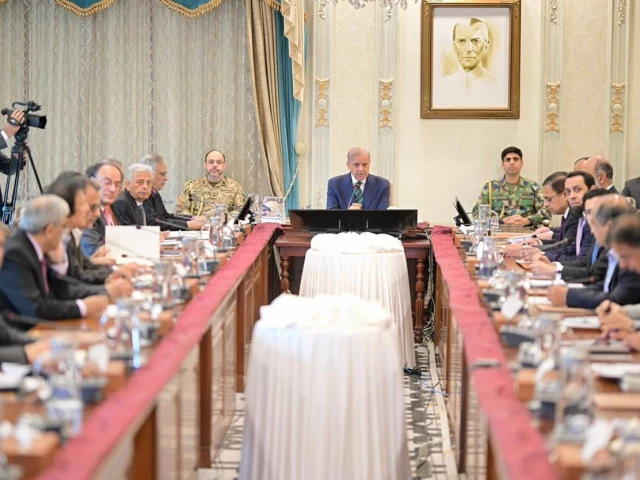
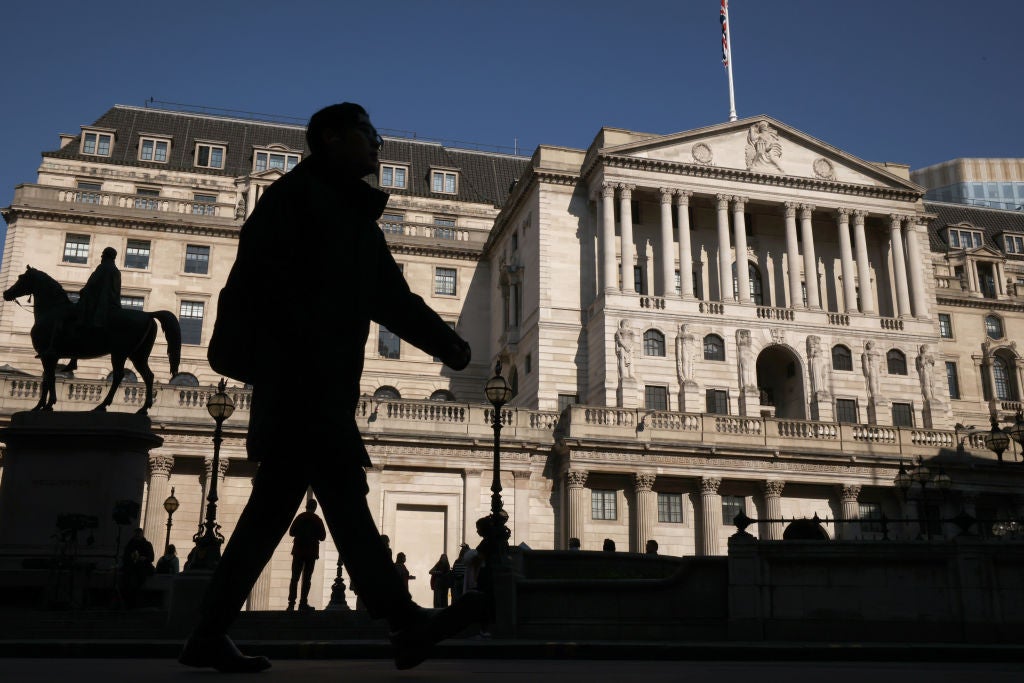
The latest Credit Conditions Survey from the Bank of England, which measures demand for new borrowing, shows defaults on loans from January to March have risen to 6.2 per cent.
In the previous quarter, there were hardly any defaults on mortgage debt, say lenders. The figures suggest consumers were already feeling the squeeze even before the Iran war, as the economy flatlined.
Karim Haji, Global and UK Head of Financial Services at accountancy firm KPMG, said: “Rising default rates show that underlying pressure is building. The impact of the prolonged conflict on fuel prices is adding new pressure on household finances, and the full impact of higher costs and mortgage rates is still feeding through.”
But the mortgage and property market is still expected to see rising demand in the coming months, experts say.
For secured lending defaults, which include mortgages, the Bank recorded 6.2 per cent in the first quarter of 2026, the highest since the last three months of 2024 (7.8 per cent), when the UK had seen multiple hikes in interest rates. The data for the first three months of 2026 marked a reversal from the fall in defaults reported in the last six months of 2025.
For unsecured lending defaults, such as credit cards, the Bank reported a fourth consecutive quarter of rising defaults (18.6 per cent in the first quarter of 2026). This was the highest figure since the last quarter of 2023 (25.7 per cent).
According to the Bank, demand for home loans and other debt remained high in the run-up to the Iran war, as borrowing costs fell.
Get a free fractional share worth up to £100.
Capital at risk.
Terms and conditions apply.
ADVERTISEMENT

Get a free fractional share worth up to £100.
Capital at risk.
Terms and conditions apply.
ADVERTISEMENT
Lenders had expected demand to keep growing as interest rates came down, but that may now have changed as borrowers become less optimistic, or have to refinance mortgages at higher rates as fixed-rate deals came to a close.
Mr Haji added: “Stable demand for unsecured lending shows households turning to credit to manage their increasing day-to-day spend. While some borrowers are still able to access credit, others are beginning to struggle with repayments, pointing to possible early stages of credit deterioration.”
Bond yields, the amount the government pays in interest on its borrowing, which link to mortgage prices, have eased this week following the announcement of a ceasefire.
Aside from credit wobbles, the Bank of England’s Credit Conditions Survey finds that lenders expect mortgage demand to increase over the coming months.
Damien Burke, Head of Regulatory Practice at consultancy Broadstone, said: “The latest Credit Conditions Survey suggests a cautiously improving outlook for the mortgage market at the start of the year, with lenders expecting demand to pick up in the coming months, particularly for house purchases and remortgaging. This reflects a degree of pent-up demand as home buyers awaited lower interest rates and a more certain fiscal landscape.”
But the survey was done just as the Middle East conflict began. The longer it continues, the worse the blow to borrower and lenders, brokers warn.
Raj Abrol, CEO of risk platform Galytix, said: “What started as a conflict in the Middle East is now showing up in borrowing costs right across the economy. Mortgage rates have jumped from 4.8 per cent to over 5.5 per cent — that’s an extra £1,000 a year on a typical £200,000 mortgage. The ongoing turmoil of the Iran crisis has spooked many of the big banks, leading to a surge in mortgage rates and increased pressure on homeowners. Against this complex backdrop, a rise in defaults could well continue for many months as inflation persists and cost-of-living crisis worsens. The longer this uncertainty continues, lenders will continue to remain risk-averse, making access to credit a bigger challenge for consumers.”
For companies, the cost of short-term borrowing has also jumped. When credit gets more expensive, it hurts businesses’ funding for payroll, small and medium-sized businesses refinance, and consumers whose credit cards and car loans quietly reset higher. With a million fixed-rate mortgage deals expiring by September and inflation heading towards 3.5 per cent, the longer this goes on, the more defaults move from a slow creep to something banks have to take seriously, risk experts warn.
Mr Burke adds: “The fall-out from the Ukraine conflict on inflation and mortgage rates remains fresh in the minds of households, and even short-term disruption to supply chains can have a long-term impact on the cost of goods. This further amplifies the need for understanding consumers’ individual affordability when assessing for credit products.”
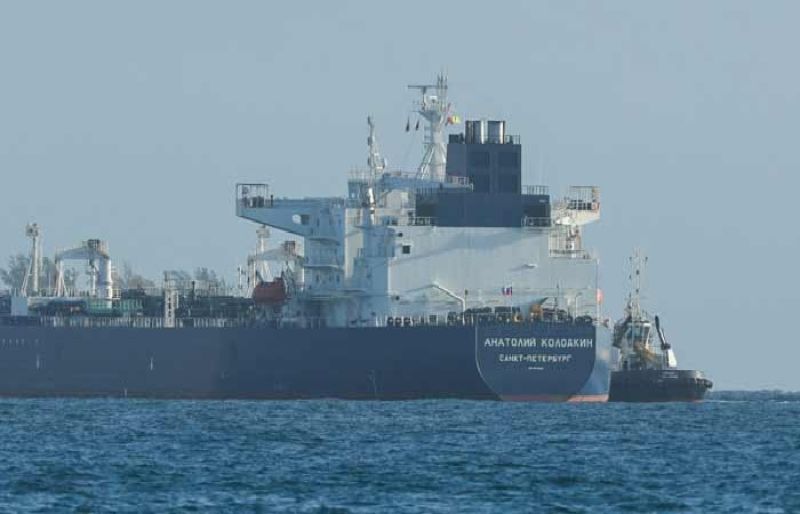
Russia will see revenue from its biggest single oil tax double to $9 billion in April due to the oil and gas crisis triggered by the US and Israeli attack on Iran, Reuters calculations showed on Thursday.
The Reuters calculation is some of the first concrete evidence of a windfall for Russia, the world’s second-largest oil exporter, from the Iran war, which oil traders say has triggered the most serious energy crisis in recent history.
Iran effectively shut the Strait of Hormuz — a route for about a fifth of global oil and LNG flows — after US and Israeli airstrikes on Iran at the end of February, sending Brent futures shooting well past $100 per barrel.
Russia’s main revenue from its vast oil and gas industry is based on production. Export duty on crude oil has been nullified from the start of 2024 as part of the so-called wider tax manoeuvre, a years-long tax reform of the industry.
According to Reuters calculations based on preliminary production data and oil prices, Russia’s mineral extraction tax on oil output will increase in April to around ₽700 billion ($9 billion) from ₽327 billion in March. The revenue is up by some 10% from April last year.
For the whole of 2026, Russia has budgeted for ₽7.9 trillion from the mineral extraction tax.
Russian energy in demand
The average price of Russia’s Urals crude, used for taxation, jumped to $77 per barrel in March, its highest since October 2023, according to economy ministry data.
That was up 73% from February’s $44.59 per barrel and above the level of $59 assumed in this year’s state budget.
The Kremlin said on Tuesday there were a huge number of requests for Russian energy from a range of different places amid a grave global energy crisis that was shaking the foundations of the oil and gas markets.
Still, there are limits on the windfall for Russia, and economists inside Russia have repeatedly cautioned that 2026 could be a tough year.
Russia ran a budget deficit of ₽4.58 trillion, or 1.9% of gross domestic product, in January-March 2026, the finance ministry said on Wednesday.
And Ukraine’s attacks on Russian energy infrastructure, with an aim to cripple Moscow’s finances, have also contributed to lower earnings and threaten oil production cuts.
The size of the windfall for Russia will ultimately depend on how long the Iran crisis lasts.
The development is an unusual consequence of Northern Ireland’s strict licensing laws.
Source link


Iranians rally to mark 40th day since martyrdom of Leader, top commanders, Minab children

How Archie and Lilibet’s vintage toys support emotional growth

NFL faces Justice Department probe after fans express frustration with streaming pivot: report

-
Uncategorized7 days ago
[CinePlex360] Please moderate: “Trump signals p
-
 Business7 days ago
Jaguar Land Rover sees sales recover after cyber attack
-

 Entertainment6 days ago
Joe Jonas shares candid glimpse into parenthood with Sophie Turner
-

 Tech6 days ago
Our Favorite iPad Is $50 Off
-

 Fashion1 week ago
China’s Anta Sports posts record $11.62 bn revenue in 2025
-
 Politics6 days ago
Iran can sustain Strait of Hormuz closure for years, will cut US military logistics: Official
-

 Sports6 days ago
UConn Final Four run could trigger a $50M furniture giveaway for Massachusetts-based Jordan’s Furniture
-
 Business7 days ago
Gold prices in Pakistan Today – April 3, 2026 | The Express Tribune