

Business
Pakistan’s digital leap: A youth-led innovation strategy for global competitiveness | The Express Tribune


With a young population, Pakistan is positioning its youth as drivers of digital growth and innovation
The Prime Minister stated that 79% of the funds in the relief program were transferred seamlessly and transparently through digital wallets. PHOTO: APP
In a world reshaped by the Fourth Industrial Revolution, digital transformation is no longer an outcome; it is the engine of national resilience, economic competitiveness, and inclusive development.
For Pakistan, home to one of the globe’s largest youth populations and burgeoning digital talent, harnessing this revolution is not just aspirational—it is imperative. At this historic juncture, Pakistan is charting a strategic path to digital leadership, with a clear focus on youth skills, technology adoption, and integration into the global digital economy.
Pakistan’s Information Technology (IT) and IT-enabled services sector has rapidly transitioned from a peripheral contributor to an economic pillar. In the fiscal year 2024–25, Pakistan recorded an all-time high of USD 3.8 billion in IT exports, reflecting sustained growth and global demand for digital services. This marked an 18% year-on-year increase and underscored the strategic importance of tech services in stabilising the economy and generating foreign exchange.
Within this growth, the freelancing segment surged nearly 90%, showcasing Pakistan’s young professionals competing strongly in global digital markets. The country also ranks among the top five global freelance economies, fueled by a dynamic pool of English-speaking talent and adaptable digital workers.
These achievements place Pakistan’s digital exports alongside traditional trade sectors, reflecting the strategic shift toward knowledge-intensive economic activity. But while the momentum is real, Pakistan’s global positioning requires deeper structural strengthening, particularly in innovation ecosystems and digital competitiveness.
On global innovation benchmarks, Pakistan is on an upward trajectory but with significant headroom for ambition. In the Global Innovation Index 2024, which evaluates economies on innovation inputs (eg, infrastructure, human capital, research) and outputs (knowledge and creative outputs), Pakistan ranked 91st out of 133 economies. Among lower-middle-income countries, this places Pakistan above several peers, but behind several regional neighbours whose policies have successfully integrated education, R&D, and private-sector linkages into national innovation systems.
This ranking highlights a critical insight: talent and outputs are emerging, but investment in research, infrastructure, and human capital must accelerate to close the gap with global innovators. In parallel, global analyses show that countries with advanced digital economies, led by Switzerland, the United States, and Singapore, continue to benefit from robust digital competitiveness ecosystems spanning talent, infrastructure, and forward-looking regulatory frameworks.
Global institutions underscore that digital skills and infrastructure are central to future growth. The World Bank identifies digital transformation as essential for participation in the global digital economy, emphasising inclusive access to reliable internet and digital skills development as enablers of productivity and competitiveness.
Recognising this, Prime Minister Shehbaz Sharif’s vision for Pakistan’s digital future is bold, multidimensional, and youth-centric. It reframes technology as state capacity, not merely a sector. The strategy emphasises scaling digital skills, particularly in high-impact areas such as artificial intelligence (AI), cloud computing, cybersecurity, data analytics, and blockchain technologies; prioritising broadband connectivity, cloud access, and next-generation networks essential for participation in global digital markets; and aligning regulation with global best practices to attract investment, uphold privacy and security standards, and foster entrepreneurship.
AI stands at the centre of this vision. While the AI revolution deepens global divides—with advanced economies pulling ahead in research and readiness—the opportunity for developing nations lies in strategic adoption and tailored skill development. Recent global analyses caution that uneven AI preparedness could exacerbate inequalities: without proactive measures in regulation, education, and infrastructure, developing countries risk being left behind in this critical technological shift.
Pakistan’s greatest comparative advantage is its demographic profile. Nearly two-thirds of the population is under the age of 30, offering a vast reservoir of potential digital talent. This is not merely a statistic; it is a mandate for public policy.
Under the Prime Minister’s Youth Programme, youth empowerment is now integrated with the national digital strategy. It is not about hand-outs; it is about enabling economic participation at scale through digital skills training and certification aligned to international standards; freelancing and micro-enterprise support connecting young professionals directly to global clients; startup incubation and scale-up financing that nurture innovative ideas into export-oriented ventures; and public-private partnerships that embed youth talent into emerging tech sectors.
This approach has already generated measurable impact: thousands of young Pakistanis have upskilled in digital domains, leading to new income streams, job creation, and cross-border collaborations. Pakistan’s journey toward digital leadership is not without challenges. Innovation ecosystem metrics highlight gaps in research spending, infrastructure, and institutional frameworks. But these are challenges that can be transformed into strategic priorities when coupled with political will and targeted investment.
The future of national competitiveness lies in our ability to reframe education systems around future skills; encourage research and innovation ecosystems integrated with industry needs; and align regulation with global AI governance standards to unlock investment and trust. Pakistan’s youth are not just beneficiaries of digital transformation; they are its architects.
As Pakistan strives for an inclusive, resilient, and globally competitive digital economy, international cooperation will be pivotal. We seek equitable access to knowledge, partnerships in research and innovation, and shared frameworks for AI governance that reflect both global standards and local contexts.
The message is clear: Pakistan’s digital agenda is a youth agenda, a growth agenda, and an innovation agenda fit for global collaboration. Together with the global community—from the UN to industry leaders at the WEF and innovation coalitions at technology summits—Pakistan is ready to contribute meaningfully to shaping a digital future that is inclusive, prosperous, and shared.
The writer is a Member of National Assembly and Focal Person for the Prime Minister’s Youth Programme.
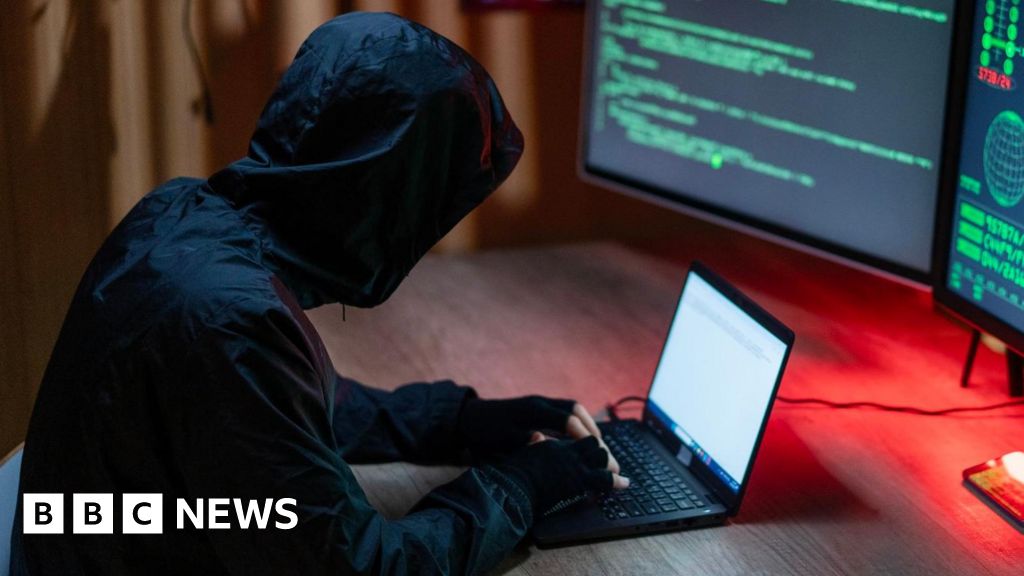
While hackers used to sneak into computer systems, intimidation of staff is now more common.
Source link
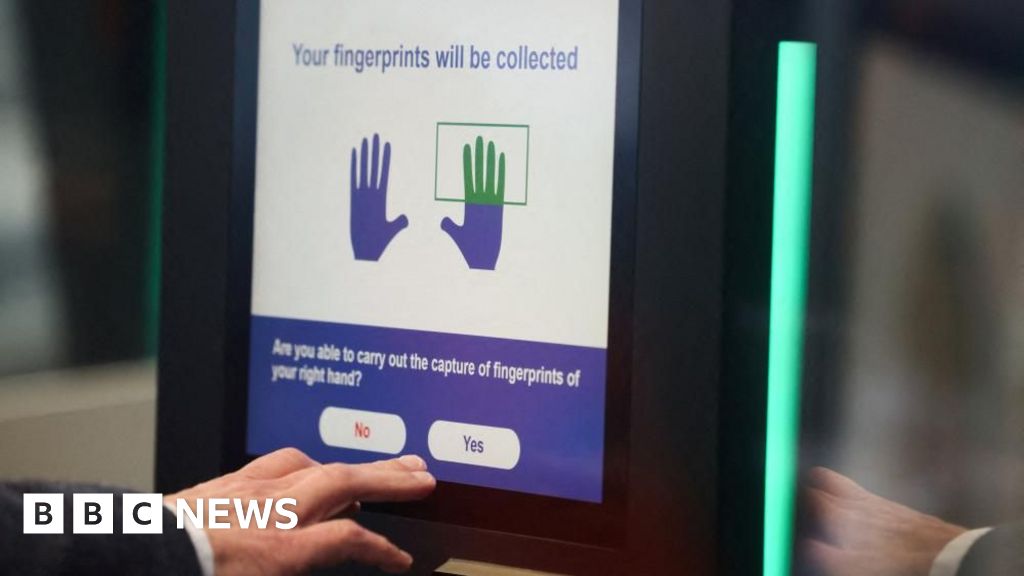
Olga Kefalogianni says the Greek government doesn’t want visitors to be “burdened” by biometric checks.
Source link
Business
Noel Tata part of 3-1 vote against Srinivasan, Singh at Tata edu trust – The Times of India
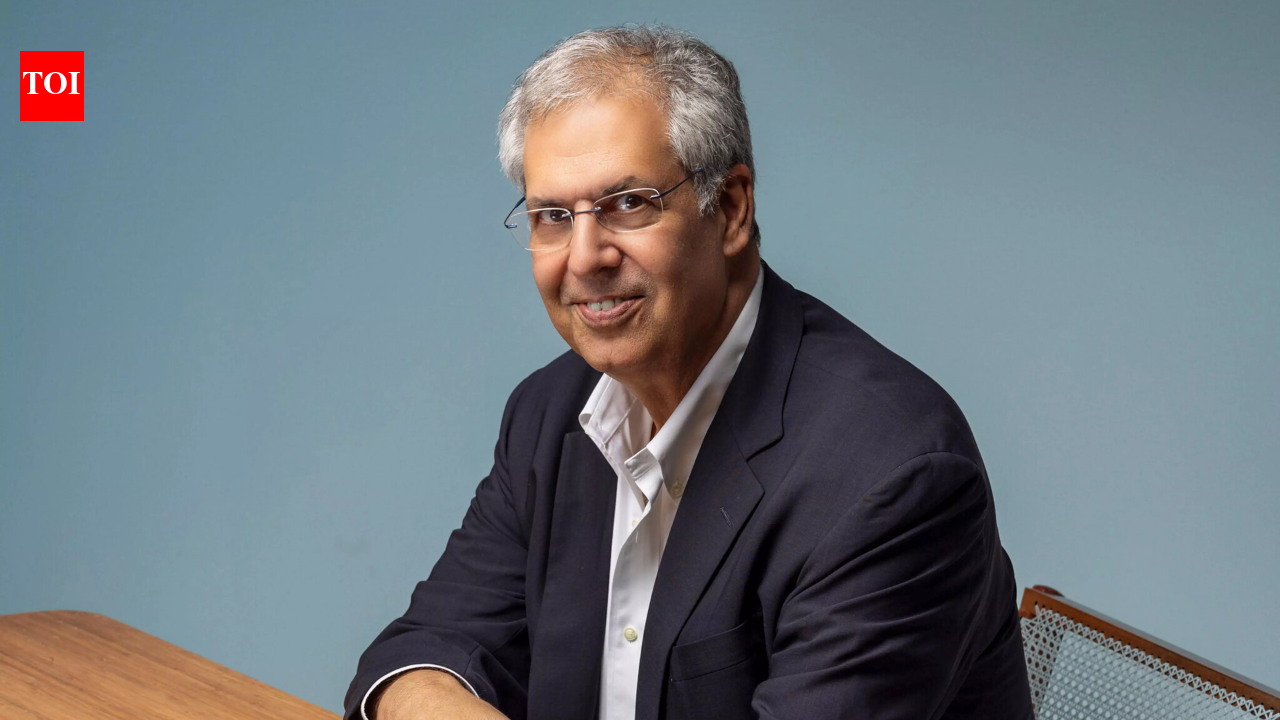
MUMBAI: Noel Tata has voted against the reappointment of Venu Srinivasan and Vijay Singh as trustees of Tata Education and Development Trust (TEDT), the largest corpus trust within Tata Trusts, in a move that widens fault lines within one of India’s most powerful philanthropic structures. It marks the first time Noel has made his opposition to the duo unequivocal.The vote, the last of four cast on the matter, added to a verdict that had already been sealed when Mehli Mistry became the first to oppose the duo’s extension, shortly after the trusteeship renewal circular was issued.Under TEDT’s governance rules, reappointments require unanimous consent among trustees – a threshold that had already been foreclosed by Mehli’s vote. Jehangir Mistry subsequently voted against both men as well. Srinivasan and Singh had each voted for the other. The tally stood at 3-1 against each of them.
Noel’s vote signals widening of Tata Trusts rift since ’25
Their tenures in an influential Tata trust that supports projects in India and abroad, formally expired on Sunday, May 10. Noel Tata voting against Srinivasan and Singh significantly curtails influence of both men within wider Tata Trusts ecosystem, even as they remain vice-chairmen of the Sir Dorabji Tata Trust (SDTT) and Sir Ratan Tata Trust (SRTT) — the two apex trusts that together hold controlling stake in Tata Sons.The rift between Noel and the duo deepened after Srinivasan and Singh publicly backed a listing of Tata Sons, a move Noel opposed. In an email to Tata Trusts CEO, Mehli said “My affidavit in response to the board composition change report for SDTT explains the reasons why I chose to take such a decision.” According to the affidavit, Noel, Srinivasan and Singh had wrongly voted against him at SDTT. He also said that Srinivasan had taken part in the vote even though his term had already ended at SDTT. TEDT, with a corpus of Rs 5,600 crore, has been among the most prominent Indian donors to Ivy League institutions, including Harvard Business School and Cornell University, and owns and operates two cancer hospitals in India while supporting 17 others through grants.Following the board changes, Noel remains chairman and perpetual trustee of TEDT. Mehli continues in his role as perpetual trustee, while Jehangir holds a fixed-term trusteeship. With Srinivasan and Singh’s departure, TEDT now sits at the minimum threshold of three trustees permitted under its deed. An email sent to Noel did not elicit a response. The vote is the latest and most visible expression of a fracture within Tata Trusts that has been widening since late 2025. Established by former Tata Trusts chairman Ratan Tata in 2008, TEDT is perhaps the only trust within Tata Trusts that can support social projects in India and abroad.


Tom Brady gets back at Kevin Hart during Netflix roast

Mother’s Day was a chance to get close for Cardi B, Stefon Diggs
Cyber-crime increasingly coming with threats of physical violence

-

 Politics1 week ago
Iran weighs US reply delivered via Pakistan as Trump signals opposition to deal terms
-

 Fashion1 week ago
AAFA pushes for swift US House passage of key anti-counterfeiting law
-

 Fashion1 week ago
US’ J.Jill, Inc. appoints Kimberly Wallengren as CMO
-

 Fashion1 week ago
US cotton export sales show strong recovery, Upland rise 36%
-

 Sports1 week ago
Sajid Ali Sadpara summits world’s fifth-highest peak
-

 Tech7 days ago
DHS Demanded Google Surrender Data on Canadian’s Activity, Location Over Anti-ICE Posts
-

 Fashion1 week ago
ICE cotton witnesses sharp rise on weaker dollar, strong exports
-
 Business1 week ago
Heineken to invest £44.5m in hundreds of pubs creating 850 jobs