

Sports
PCB files complaint over allowing Bangladesh to take review on penultimate ball – SUCH TV

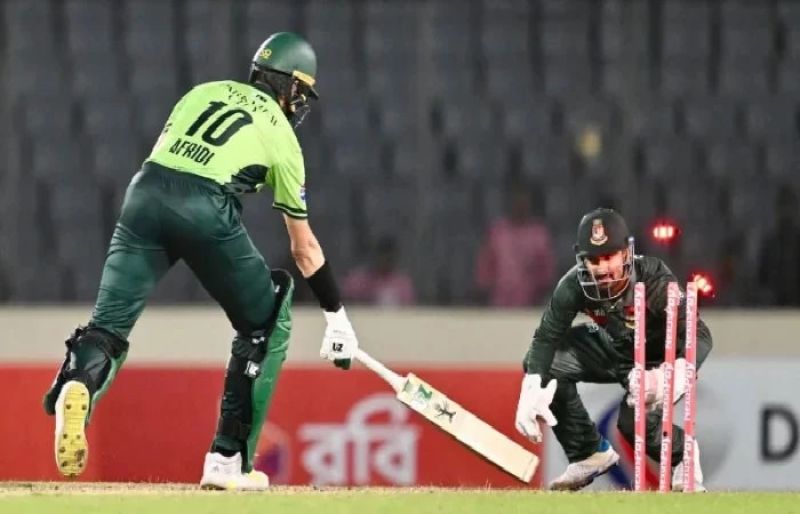
The Pakistan Cricket Board (PCB) has filed a complaint with match referee Neeyamur Rashid against on-field umpire Kumar Dharmasena’s decision to permit Bangladesh to take a LBW review off the penultimate ball of the third ODI in Mirpur on Sunday.
The Pakistan management contends that Bangladesh took the review after a replay of the delivery appeared on the big screen.
The decision to review, and its subsequent impact, proved pivotal as Bangladesh secured an unassailable position in the match. Before that delivery, Pakistan required 12 runs off two balls.
Rishad Hossain flighted one onto the leg stump, spinning down the leg side away from Shaheen Afridi. The umpire initially called it a wide.
After a brief discussion, Bangladesh opted to take a review for LBW, despite the ball appearing nowhere near Afridi’s legs or body.
Standard protocols dictate that a review decision should be made before any replay is visible to players, to prevent the visual from influencing the call.
Pakistan argue these protocols were not followed, as the stadium’s big screen showed the ball passing the bat, potentially providing Bangladesh with information that it may have made contact.
They are also concerned that Bangladesh may have taken the review outside the permitted 15-second window, though no timer was visible on the broadcast to confirm this.
Afridi’s visible frustration became understandable once the DRS went to Hawk-Eye. The technology suggested the ball had grazed the toe of his bat, indicating it could not have been a wide.
Bangladesh lost the review, but the wide call was overturned, leaving Pakistan needing 12 runs off a single ball. Afridi was stumped off the final delivery, swinging his bat over the stumps in frustration.
Bangladesh secured an 11-run victory and clinched the series 2-1.
It is not yet clear what specific action the Pakistan Cricket Board expects from the match referee, though it is believed they are seeking at least a public acknowledgement of the error.
This is the second contentious decision to affect Pakistan in as many games. In the second ODI, Salman Ali Agha was run out after being caught outside his crease while attempting to hand the ball to Mehidy Hasan Miraz.
Agha expressed his frustration in a heated exchange before throwing his bat and gloves to the ground, resulting in a demerit point and a 50% match fee fine. Mehidy was fined 20% of his match fee for the incident.







Leny Yoro has said the Manchester United squad were keen for Casemiro to stay at Old Trafford before the midfielder announced his intention to leave at the end of the season.
United fans chanted “one more year” at the Brazilian after he scored in the 3-1 win over Aston Villa on Sunday.
Sources have told ESPN that there is unlikely to be a U-turn, but Yoro has revealed the players wanted the club to keep the 34-year-old.
“Everyone wanted him to stay, he’s a player [who is] really important for us,” Yoro said.
“Even in the dressing room, every day, he has the experience that no one else has in the team.
“He won everything, so this helped us a lot in the games and even outside the pitch.”
United still have the option to trigger a one-year extension in Casemiro’s contract, although it was agreed mutually with the club in January that he should leave in the summer.
And despite being a key part of the revival under Michael Carrick, the United head coach hinted that the decision will not be reversed.
– Man United take huge stride towards UCL with 3-1 Aston Villa win
– Michael Carrick unaffected by Wayne Rooney’s backing for permanent Man United role
– Premier League recap: Tottenham claw for draw at Liverpool in bid to avoid relegation
“I think it’s when something’s decided and in some ways the fact that it was decided makes things a little bit easier and everyone understands the situation really,” Carrick said.
“I think the impact he’s had has been terrific, certainly since I’ve been here and working with him and his influence within the team and big moments and goals.”
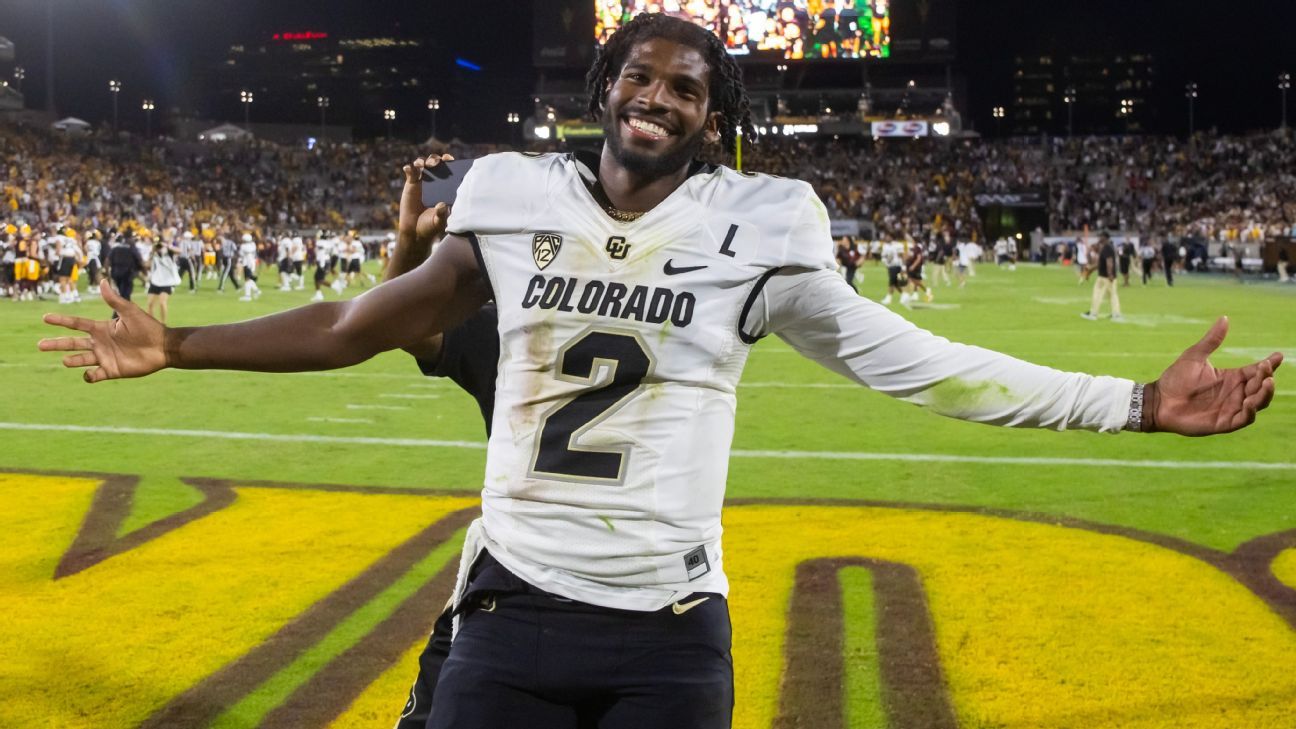
College athletes weren’t always allowed to make money off their athletic ability. It wasn’t until 2021 that the NCAA changed rules to allow students to profit from their name, image and likeness — otherwise known as NIL.
What exactly is NIL?
“NIL” stands for “name, image and likeness.” It refers to a person’s legal right to control how their image is used, including commercially. In college, student-athletes have long been prohibited from making deals to profit from their fame, so they forfeited their NIL rights by signing on with college sports teams. A combination of NCAA rule changes and state laws restored NIL rights to college athletes, and they’ve been making sponsorship deals ever since.
Who oversees the deals?
A combination of school policies and state laws dictate what deals athletes can make. In states with no oversight, the NCAA has universities write policies for their own athletes. Some common school requirements are that athletes get business advice or training before making deals or preventing them from promoting certain products. State laws are primarily focused on preventing NIL deals from being used as recruitment tools. Schools can’t pay students directly, but some states have murky laws surrounding just how involved a school’s booster club can get.
Do athletes get agents or business advisors?
Yes, every athlete is allowed to hire professionals to help with marketing, legal issues, tax laws and other business dealings. Many schools also offer training and resources to athletes directly, often in the form of early-season classes on NIL law and basic business practices.
Do athletes have to report deals to their school or another authority?
Most colleges have policies that require athletes to report the details of any potential deals with their schools, and some must get school approval before signing. Several schools reserve the right to keep their athletes from advertising certain products, like drugs and alcohol.
Why do the rules differ between areas? Will that change?
While several states now have NIL laws or have proposed bills to implement them, the content is far from uniform. Like any state-by-state legislation, local lawmakers have taken different approaches to prioritizing local businesses and incentivizing top athletes to choose universities within their borders.
The NCAA has expressed concern that, without a federal law, enforcing its own NIL rules could violate antitrust rules — so while the organization has hoped that Congress will pass a federal standard, there’s no national set of rules.
What kinds of deals are athletes making?
From free sneakers and workout gear to high-end clothing items and dorm essentials, perks for college athletes signing NIL deals have skyrocketed since student-athletes won the right to cash in on the publicity they bring to their schools.
The biggest stars, guided by business mentors and school-provided financial advice, have cashed in. As of March 2026, On3 ranked Texas quarterback Arch Manning as the star of the current NIL market with a whopping $5.4 million valuation. The site estimates that each of the 20 players at the top of its list are worth a minimum of $2 million.
For the athletes who combine strong social media presence, business savvy and prowess on the field, big brands are eager to shell out. Top athletes have signed deals with Nike, Adidas and Under Armour, while non-athletic brands such as T-Mobile, Sam’s Club and Amazon tap students across the country.
Naturally, the vast majority of college athletes don’t meet that threshold — which hasn’t stopped companies from local mom & pop shops to international brands from partnering with up-and-coming students in every sport and a variety of schools.
Some particularly quirky deals have enamored both athletes and businesses beyond their usual audience.
Dienurst Collins, an offensive lineman at Lake Erie College, scored both a deal and a second round of internet fame when he signed a deal with Popeyes — where he went viral at 9 years old for side-eyeing a stranger who recorded him at the restaurant then posted the video.
Decoldest Crawford capitalized on his name to earn some extra money while injured. The Louisiana Tech wide receiver partnered with a family-owned air conditioning business to make a commercial based around the pun.
Running back Bijan Robinson took a similar approach to name-based leverage while playing for Texas. He began selling Dijon mustard, marketing it as Bijan Mustardson and selling it in Texas. When Robinson joined the Atlanta Falcons he brought the branding with him, now touting it as the official Dijon mustard of the team.
Brands don’t discriminate based on given names. Ga’Quincy “Kool-Aid” McKinstry snapped up a deal with his nickname’s brand soon after the ruling that allowed NIL deals.
Other companies’ strategies for NIL have had them sponsoring several athletes at a time.
Reese’s Peanut Butter Cups didn’t limit itself to one athlete, team, or even school in picking its NIL deals. Instead, the candy brand partnered with a dozen students from Texas to Delaware who seemingly share just two traits: playing football and having the last name “Reese.” Angel Reese didn’t appear in their original list but has since become an ambassador for the brand in her own right.
Many deals rely less on an athlete’s individual story than their ability to play NIL for laughs — such as one with Colorado lineman Tommy Brown, who stripped down to model Shinesty underwear in a series of tongue-in-cheek poses that emphasized his farmer’s tan. Arkansas wide receiver Trey Knox brought his dog, Blue, into a deal with him. PetSmart sponsored both of them, in a move that brought both a wave of online engagement.
Gymnast Sam Phillips, the first male athlete at Nebraska to come out as gay, has worked with plenty of local businesses but told ESPN he’s been particularly excited to partner with businesses that celebrate Black and LGBTQIA+ customers. Before moving to Illinois, he modeled everything from underwear to athletic tape, the latter of which he did for Our Colour, which makes tape to match darker skin tones than many brands offer.
“It’s definitely more like [small and minority-owned businesses] are taking care of me,” Phillips said. “It’s a really face-to-face, very personal relationship.”
Sports
Team USA’s Mark DeRosa responds to criticism about inviting Navy SEAL who killed bin Laden to speak to players
NEWYou can now listen to Fox News articles!
Team USA World Baseball Classic manager Mark DeRosa shared the reason why Robert J. O’Neill, the U.S. Navy SEAL who is credited with killing terrorist Osama bin Laden, was invited to speak to the team last week.
O’Neill spoke to the team before the U.S. defeated Canada in the quarterfinal. The decision sparked a social media meltdown.
CLICK HERE FOR MORE SPORTS COVERAGE ON FOXNEWS.COM
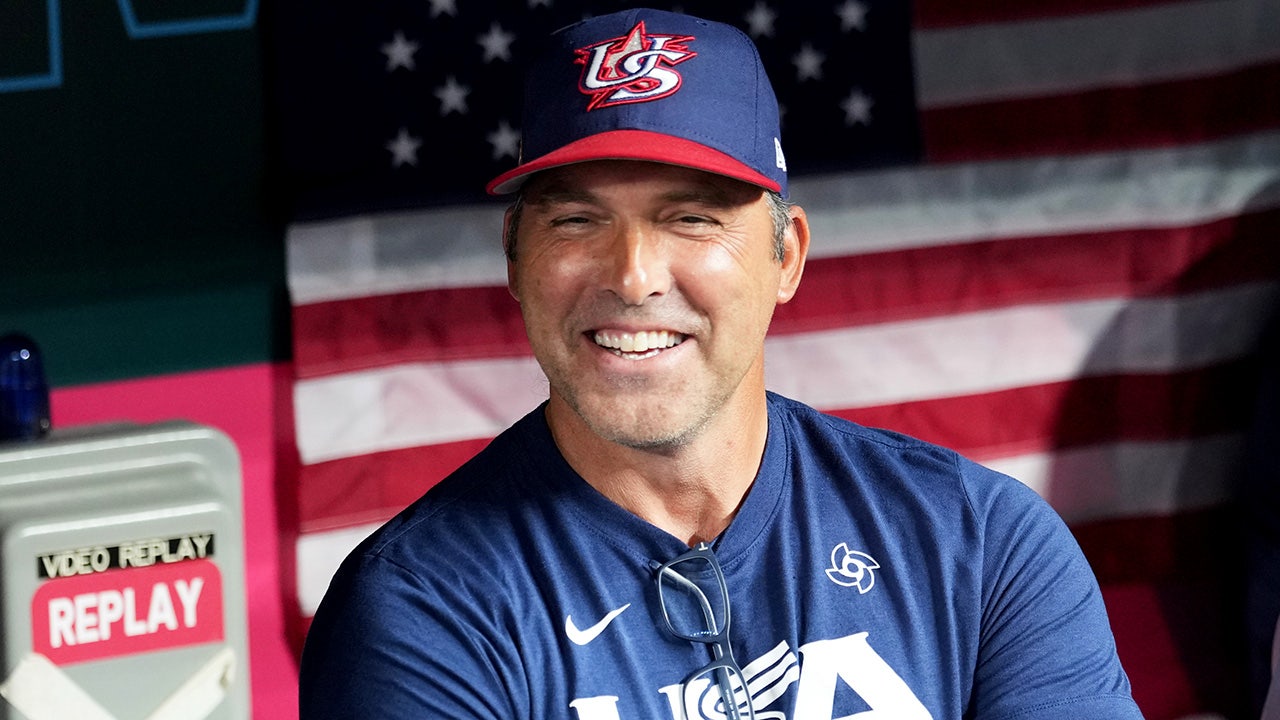
United States manager Mark DeRosa talks in the dugout before a World Baseball Classic semifinal game against the Dominican Republic, Sunday, March 15, 2026, in Miami. (AP Photo/Lynne Sladky)
But before the game against the Dominican Republic, DeRosa was questioned about having O’Neill in the locker room.
“That was my decision to bring him in,” DeRosa said, via Defector. “He was brought in, actually, a couple of days in Houston. It wasn’t before the Canada game. I think for me there has to be … you never want it to get lost why you’re doing this. Whatever that ‘why’ is and a lot of people, like Paul Skenes said to me when he signed up for this, ‘I want to do this for every service man and woman that protects our freedom. That’s why we wear USA across our chest.’
2026 WORLD BASEBALL CLASSIC ODDS: USA HEAVY FAVORITE TO WIN IT ALL
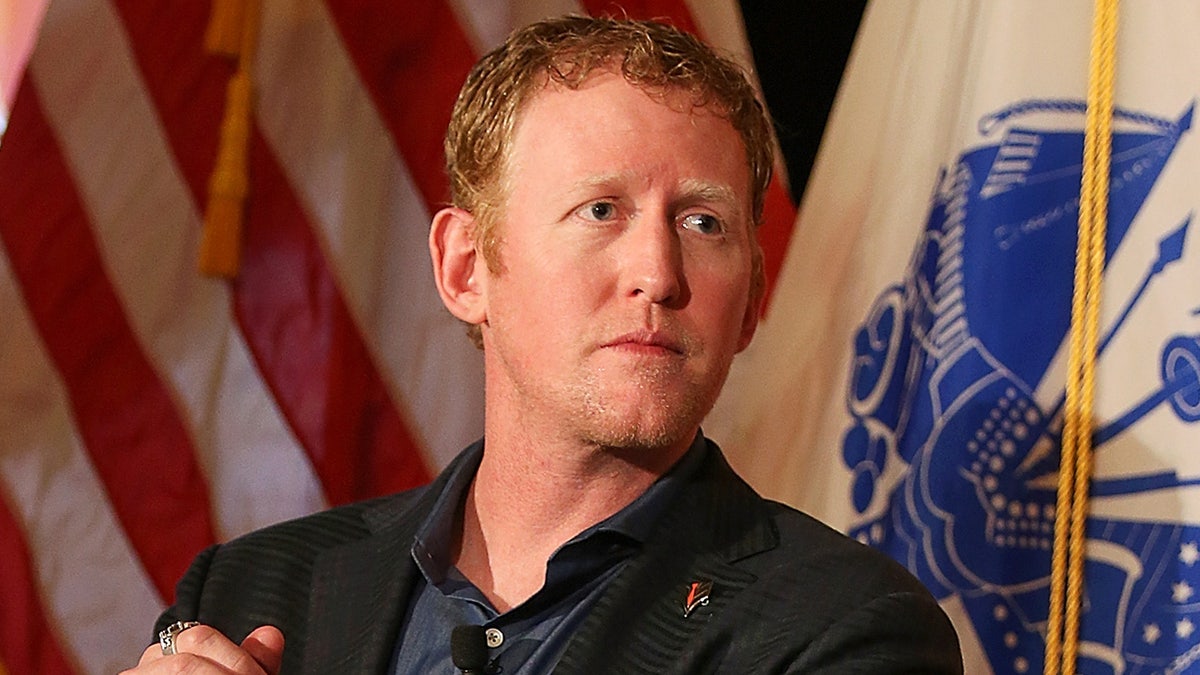
Robert O’Neill speaks onstage during book signing and lecture at Richard Nixon Library on July 26, 2017 in Yorba Linda, California. (Phillip Faraone/Getty Images)
“I just thought it would be like a time to kind of redirect and get those guys to understand that, although this is an unbelievable event and you get a chance to share a locker room with the game’s greats, there’s a reason why you’re doing it and a reason why people protect our freedom at night. I just wanted to honor that.”
O’Neill wasn’t the only one to hype up Team USA before the game.
DeRosa revealed that USA hockey hero Jack Hughes, who scored the winning goal in the gold medal game against Canada at the Olympics, reached out to the American baseball players before Friday’s game.
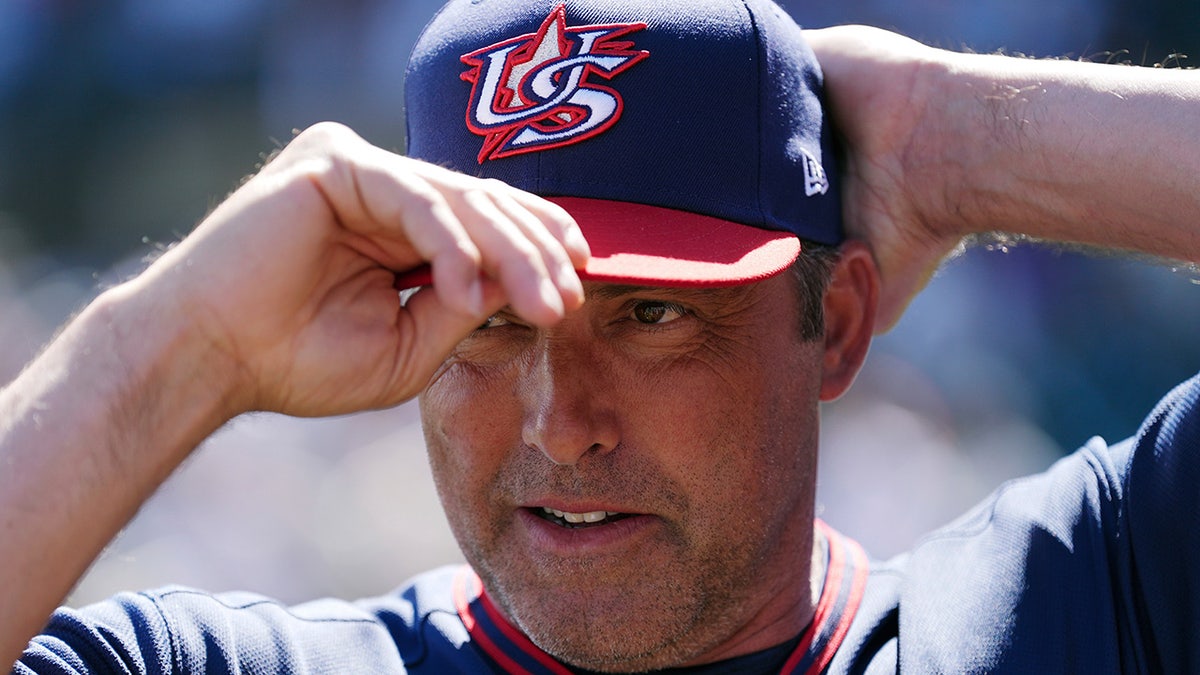
United States manager Mark DeRosa adjusts his baseball cap prior to an exhibition baseball game against the Colorado Rockies Wednesday, March 4, 2026, in Scottsdale, Arizona. (AP Photo/Ross D. Franklin)
CLICK HERE TO DOWNLOAD THE FOX NEWS APP
The U.S. defeated Canada and then went on to beat the Dominican Republic to reach the World Baseball Classic final.
Fox News’ Jackson Thompson contributed to this report.


Leny Yoro: Man United players wanted Casemiro to stay

Conan O’Brien hilariously reveals what saved marriage to Liza Powel

What is NIL in college sports? How do athlete deals work?

Stock market crash today (March 12, 2026): Nifty50 opens below 23,600; BSE Sensex down over 900 points on continuing US-Iran war – The Times of India

Intertextile Shanghai 2026: Fringe events spotlight market trends

Longtime Blackhawks great and broadcaster Troy Murray dies at 63, team says

-
Business5 days ago
Stock market crash today (March 12, 2026): Nifty50 opens below 23,600; BSE Sensex down over 900 points on continuing US-Iran war – The Times of India
-
 Fashion7 days ago
Intertextile Shanghai 2026: Fringe events spotlight market trends
-
 Sports1 week ago
Longtime Blackhawks great and broadcaster Troy Murray dies at 63, team says
-
 Business1 week ago
Gold On Sale In Dubai? Here’s Why Prices Have Dropped By $30 Per Ounce
-
 Sports1 week ago
2026 NCAA Tournament Berth Tracker: Automatic Bids, Championship Game Times, and Defending Champs
-

 Entertainment6 days ago
What time will NASA’s 600 kg satellite crash to Earth today— 14 years after launch?
-
 Tech1 week ago
I Test Many Coffee Machines for a Living. This One Gets to Stay
-
 Sports1 week ago
McKendree wins inaugural NCAA women’s wrestling team title