

Business
PM Modi warns against ‘Digital Arrest’ scams, Urges citizens to keep KYC updated

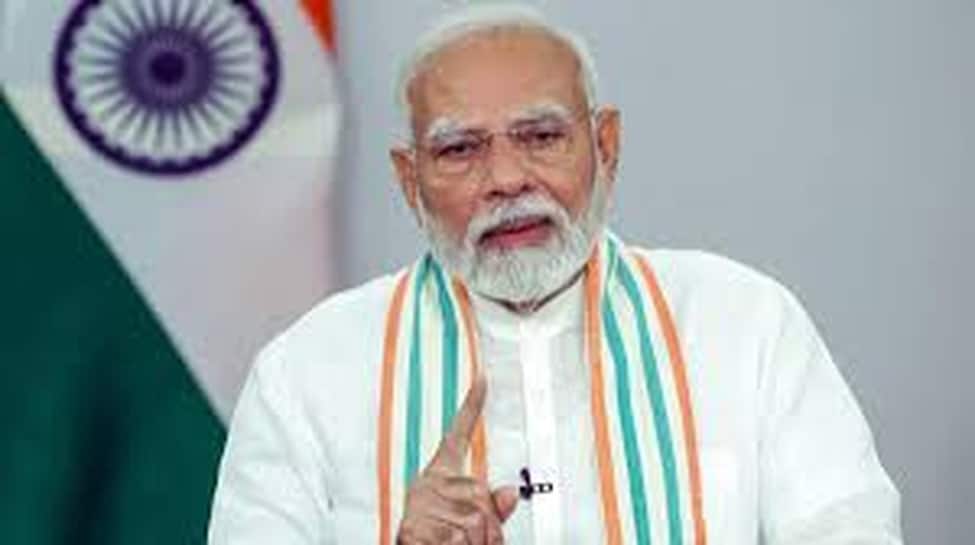
New Delhi: In his latest Mann Ki Baat address to the nation, Prime Minister Narendra Modi urged citizens to stay vigilant against growing digital scams that target unsuspecting users — especially those involving fraudulent claims of digital arrests or legal actions.
The Prime Minister also highlighted the importance of keeping Know Your Customer (KYC) information up to date across financial and digital platforms to avoid becoming a victim of fraud and to ensure seamless access to essential services.
What Are Digital “Arrest” Scams?
Digital arrest scams are a type of online fraud where criminals send messages — typically through SMS, email or messaging apps — claiming that the recipient has been “digitally arrested” or faces some legal trouble. These messages often include:
Fake links
Threatening language
Instructions to click or respond immediately
Once a victim interacts with the link, attackers can steal personal data, banking information, or install malware on the device. PM Modi warned that such scams are increasing in frequency, and citizens should be wary of unexpected messages that create panic or urgency.
Why Keeping KYC Updated Matters
KYC — short for Know Your Customer — is a process used by banks, telecom companies, digital payment apps and financial institutions to verify a person’s identity. Updated KYC records help:
Prevent fraud and identity theft
Enable secure access to banking and financial services
Ensure government welfare and subsidy schemes reach the right beneficiaries
The Prime Minister reminded people that keeping KYC details updated makes it harder for fraudsters to misuse personal information and easier for individuals to access services without interruption.
Tips to Avoid Digital Scams
PM Modi shared practical advice for all citizens to protect themselves online:
Don’t click on suspicious links — especially from unknown senders or unexpected messages.
Verify messages claiming legal issues — contact official authorities instead of reacting to urgent claims.
Use secure apps and websites — check URLs carefully and only use trusted platforms.
Regularly update passwords and security settings — avoid sharing OTPs or passwords with anyone.
The emphasis was on caution and common sense — an informed user is a safer user.
Broader Digital Awareness
Digital scams are not limited to arrest threats. Other common fraud tactics include:
Fake investment or win-money schemes
Fraudulent job offers
Phone call impersonations
Fake customer care messages
By staying alert and informed, citizens can spot red flags and report suspicious activity swiftly.
PM’s Message on Digital Safety
In his address, the Prime Minister emphasized that the digital revolution — from online banking to mobile payments and e-commerce — has brought tremendous convenience, but it also requires responsible use. While technology empowers users, it also opens opportunities for misuse if proper precautions aren’t taken.
Citizens were encouraged to educate family members, especially the elderly or less digitally fluent, about common scam patterns and digital safety measures.
Keep KYC Status Current
Updating your KYC might feel like a small administrative task, but PM Modi highlighted it as a key defense against fraud. Many services — such as bank accounts, mobile connections, insurance policies, mutual funds, and digital wallets — require up-to-date KYC to function smoothly.
Failing to update KYC can lead to:
Account blocks or freezes
Inability to receive government transfers or benefits
Greater risk of identity misuse
Regularly checking KYC status and updating it when required protects both your financial accounts and digital credibility.
The Bottom Line
In his Mann Ki Baat message, Prime Minister Narendra Modi delivered a simple but powerful point: stay alert, stay informed, and keep your digital and financial details updated. In an era where scams evolve rapidly, proactive citizens are the first line of defense.
By understanding common threats and following basic security practices — such as avoiding suspicious links and maintaining updated KYC — Indians can enjoy the benefits of digital connectivity without falling victim to fraud.



The platforms have grown in popularity, with some users making bets on global events.
Source link

TV channels for dogs are multiplying but research is mixed on whether dogs are watching.
Source link
MUMBAI: Some friction, long viewed as a flaw in digital payments, is now being seen as a feature. An RBI discussion paper proposes to introduce a short delay, or “lag”, for high-value transfers above Rs 10,000. This gives customers time to rethink a transaction and cancel it if they suspect fraud. Customers may also be allowed to whitelist trusted payees so that genuine payments are not delayed.Another proposal is to provide stronger protection to vulnerable users such as senior citizens by requiring an additional confirmation from a “trusted person” for large transactions above Rs 50,000. The paper also suggests a “kill switch” to instantly block all digital transactions in case of suspected fraud.Banks are expected to identify suspicious transactions in real time and seek reconfirmation from customers before processing them. They will need to build systems to implement delays, allow cancellations, and generate risk alerts. Banks are also expected to tighten due diligence by linking the level of activity in an account to the customer’s profile. For instance, accounts with low verified income may face limits on how much money they can receive unless additional checks are completed. A key finding is that most frauds now are the result of human vulnerability. The growth of digital payments has amplified this risk.


India ITME delegation explores textile ties in Indonesia
White House staff warned not to place bets on prediction markets

OpenAI Backs Bill That Would Limit Liability for AI-Enabled Mass Deaths or Financial Disasters

-
 Business1 week ago
Jaguar Land Rover sees sales recover after cyber attack
-
Uncategorized1 week ago
[CinePlex360] Please moderate: “Trump signals p
-

 Entertainment6 days ago
Joe Jonas shares candid glimpse into parenthood with Sophie Turner
-

 Tech6 days ago
Our Favorite iPad Is $50 Off
-

 Sports6 days ago
UConn Final Four run could trigger a $50M furniture giveaway for Massachusetts-based Jordan’s Furniture
-

 Entertainment6 days ago
Blake Lively reacts to harassment claims dismissal against Justin Baldoni
-

 Fashion1 week ago
China’s Anta Sports posts record $11.62 bn revenue in 2025
-

 Politics6 days ago
Iran can sustain Strait of Hormuz closure for years, will cut US military logistics: Official