

Business
PM Shehbaz bans high-octane fuel in govt vehicles as petroleum levy jumps to Rs305 | The Express Tribune

HOBC price hits Rs535 after Rs200 per litre levy hike; officials told to foot bill if they insist on premium fuel
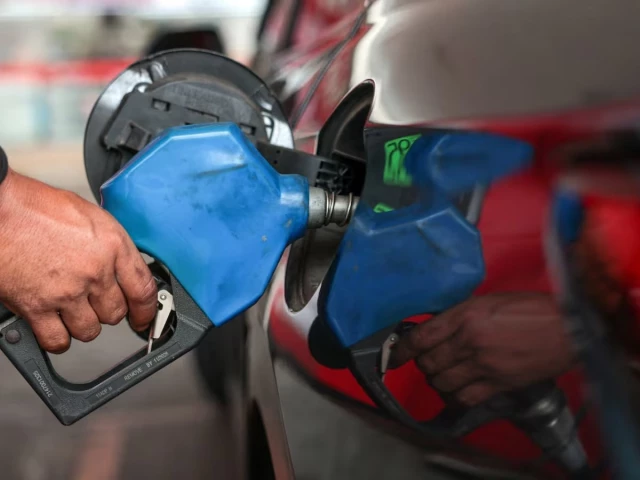
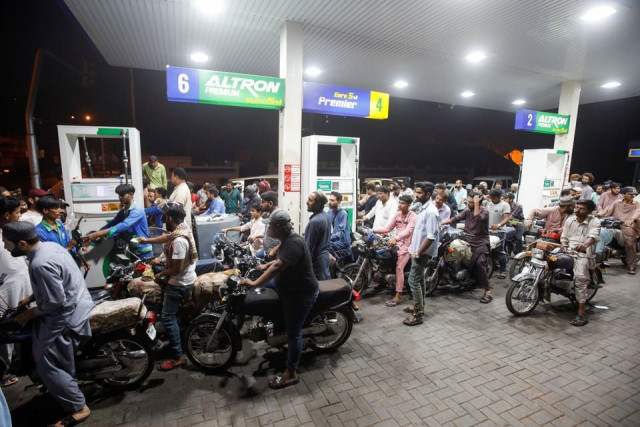
A worker fills a car’s tank at a fuel station amid concerns about rising fuel prices linked to the U.S.-Israel conflict with Iran, in Nonthaburi province on the outskirts of Bangkok, Thailand, March 15, 2026. PHOTO: REUTERS
Prime Minister Shehbaz Sharif has banned the use of high-octane fuel in all government vehicles, with the decision taking effect immediately, the Prime Minister’s Office announced on Monday.
لاہور: 23 مارچ 2026
ہائی اوکٹین فیول پر پیٹرولیم لیوی میں اضافے کے فیصلے کے تسلسل میں وزیر اعظم نے ایک اور اہم فیصلہ کیا ہے.
وزیرِ اعظم نے کہا کہ سرکاری گاڑیوں میں ہائی اوکٹین ایندھن کے استعمال پر پابندی عائد کر دی گئی ہے۔
اس پابندی کا اطلاق فی الفور ہو گا۔ اگر کسی بھی سرکاری…
— Prime Minister’s Office (@PakPMO) March 23, 2026
The ban comes with the decision to increase the petroleum levy on high-octane fuel.
Under a notification issued for this purpose, the levy on high-octane has been raised by Rs200 per litre to Rs305.37 per litre, pushing the new price of High Octane Blending Component (HOBC) in the country to Rs535. The decision to increase the levy from Rs100 to Rs300 per litre was taken in a meeting chaired by the prime minister.
Under the new ban, if the use of high-octane fuel in any government department’s vehicle is unavoidable, the user may do so at their own personal expense. A strict ban has been imposed on its use at government expense.
Read: Govt increases Rs200 levy on high-octane fuel for luxury cars to ease crisis
The purpose of the decision, according to the Prime Minister’s Office, is to ensure the efficient and responsible use of national resources.
PM Shehbaz directed all federal departments, authorities, and subordinate institutions to ensure immediate and full implementation of the ban. He also directed the relevant authorities to devise an effective system to monitor compliance and to take strict action in case of violations.
Read More: PM Shehbaz says rejected advice to further raise fuel prices, govt to absorb burden
Earlier, a 50% reduction in fuel for government vehicles had already been implemented, along with the grounding of 60% of government vehicles. The savings achieved through these measures have been utilised to provide relief to the public and to supply cheaper fuel.
The prime minister said that strict implementation of the austerity policy and the reduction of unnecessary expenditures are the need of the hour, adding that this step will reduce government spending and enable better use of public resources.
The government on Sunday approved a significant Rs200 per litre increase in the fuel levy on high-octane used in luxury vehicles, in a move to cope with the fuel crisis amid Middle East tensions.
According to a statement issued by the PMO, Shehbaz, chairing a video-link meeting, announced that the levy of Rs100 per litre on high-octane fuel would be raised by an additional Rs200, bringing the total levy to Rs300 per litre.
The government expects the measure to save Rs9 billion per month, with the savings earmarked to provide relief to the general public.
The statement further clarified that the increase applies only to high-octane fuel used in luxury cars. Petrol prices for ordinary vehicles, as well as fares for public transport and air travel, will remain unchanged.


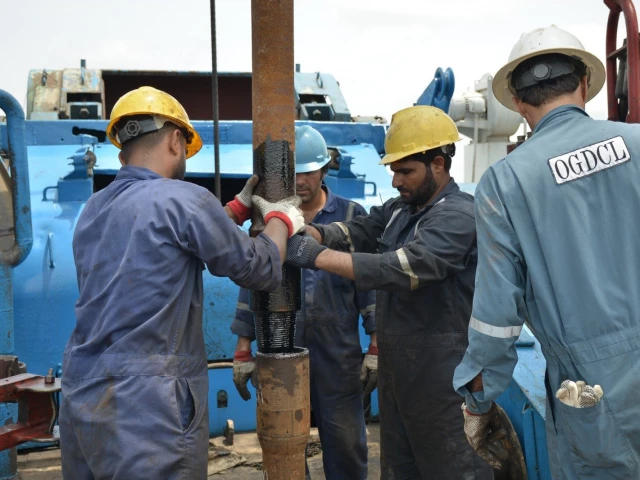
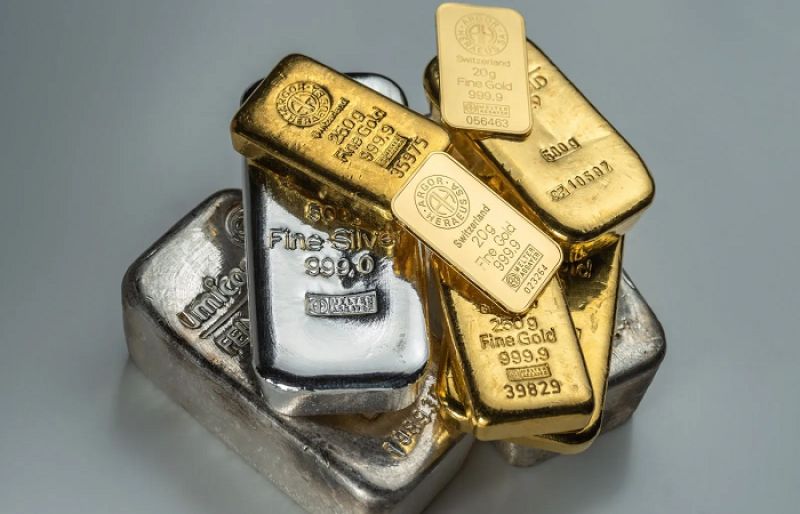

Crude rose back above $100 a barrel as the US and Iran clashed over bringing the conflict to an end.
Source link

President Donald Trump said he’s considering sending the National Guard to U.S. airports, two days after the administration deployed Immigration and Customs Enforcement agents to several major U.S. airports following hourslong waits for travelers because of the partial government shutdown.
In a Truth Social post Wednesday, Trump blamed Democrats for the shutdown, which began Feb. 14.
“Thank you to our great ICE Patriots for helping. It makes a big difference,” he wrote in his post. “I may call up the National Guard for more help.”
Travelers wait in line at a Transportation Security Administration (TSA) checkpoint at Hartsfield-Jackson Atlanta International Airport (ATL) in Atlanta, Georgia, US, on Monday, March 23, 2026.
Elijah Nouvelage | Bloomberg | Getty Images
More than 11% of TSA officers called out on Wednesday and over 450 have quit since the shutdown started, the Department of Homeland Security said.
Elevated absences of Transportation Security Administration officers, who are required to work though they’re not getting paid during the shutdown, have contributed to long lines at major U.S. airports, including in Atlanta, Houston and New York.
The DHS, which oversees both ICE and and the TSA, said the ICE agents will “support airports facing the greatest strain” but the department didn’t respond to requests for comment on what the ICE agents’ duties are. ICE agents are getting paid in the shutdown.
Airlines have been warning customers about potentially long security lines, while executives grow increasingly frustrated with lawmakers about the impasse. On Tuesday, Delta Air Lines said it suspended its airport escorts and other special services for members of Congress and their staff because of the ongoing partial shutdown of the DHS.
The shutdown comes as Democrats in Congress have demanded changes to how federal immigration enforcement operates in exchange for releasing DHS funding after two U.S. citizens were shot and killed by ICE officers in Minneapolis.

Low-income families are being offered help with the cost of food during the Easter holidays.
Source link

Oil prices volatile as Trump talks up Iran negotiations

What small businesses need to know

My Favorite Air Fryer Is at Its Lowest Price Since Black Friday

Sales at US apparel, clothing accessories stores up 4% YoY in Jan 2026

Justice Department Says Anthropic Can’t Be Trusted With Warfighting Systems

March Madness 2026 – How to watch in SA, start time, schedule, TV channel for NCAA championship basketball tournament

-
 Fashion1 week ago
Sales at US apparel, clothing accessories stores up 4% YoY in Jan 2026
-
 Tech1 week ago
Justice Department Says Anthropic Can’t Be Trusted With Warfighting Systems
-
 Business1 week ago
Stocks and pound rise as US rate call approaches
-
 Sports1 week ago
March Madness 2026 – How to watch in SA, start time, schedule, TV channel for NCAA championship basketball tournament
-

 Entertainment1 week ago
Val Kilmer revived 1 year after death through AI
-
 Business1 week ago
Brits cashing in jewellery as gold price hits record high
-

 Sports1 week ago
WBC championship: USA-Venezuela preview, live updates, analysis
-

 Tech1 week ago
Meta Is Shutting Down Horizon Worlds on Meta Quest