

Business
Post Office releases final dates for sending Christmas cards and gifts

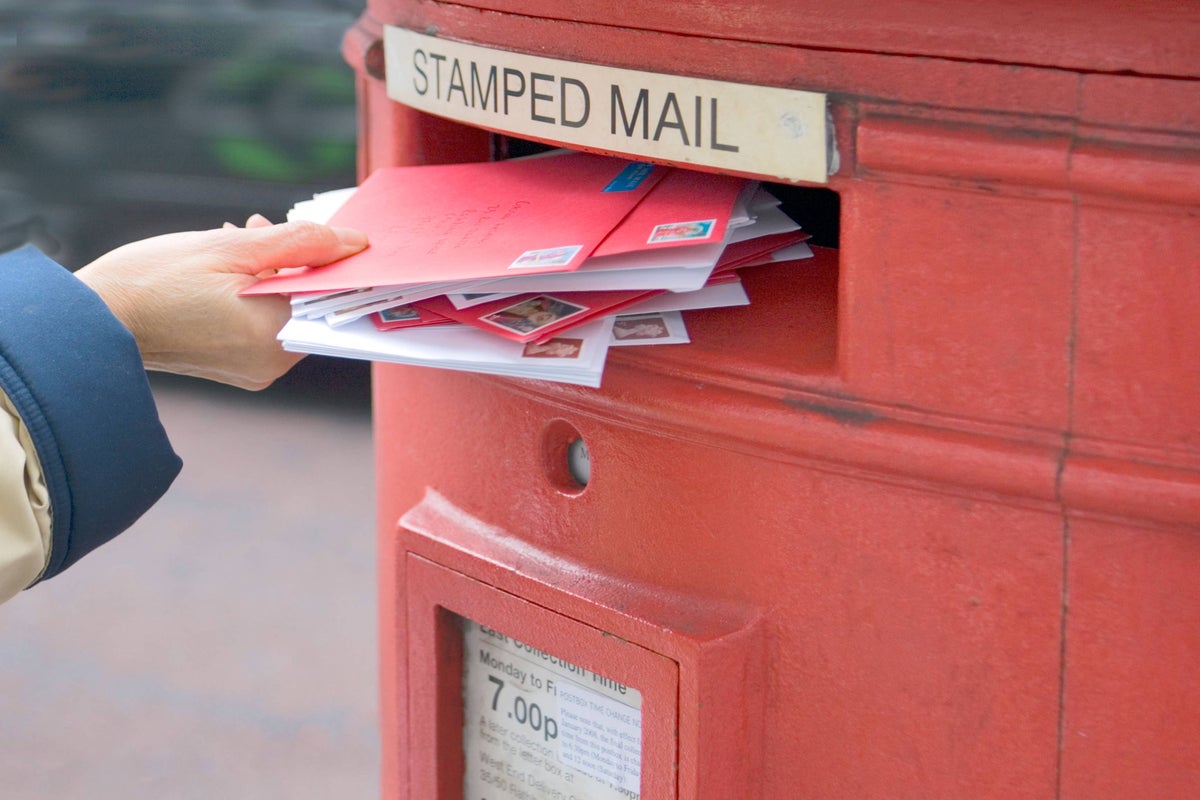
The Post Office has released its last dates for Christmas posting to help people ensure their gifts arrive in time for the big day.
Some 67% of Britons have received Christmas cards and presents in the post after December 25, a survey for the Post Office found.
The majority of last international posting dates have passed but some carriers can still offer Christmas delivery to select countries until December 15.
Postmasters are urging the public to send early to avoid being part of the 17% of those who have left it too late in previous years.
The final date for posting gifts and cards for those prepared to pay for Royal Mail’s Special Delivery Guaranteed or DPD Gold – which both guarantee a next day delivery or your money back – is December 23.
Postmaster Arif Matadar said: “After 15 years as a postmaster, I’ve seen it all when it comes to festive sending, and a little preparation really helps everything go smoothly so here are my top tips to ensure precious gifts arrive on time.
“When you’re posting a parcel, we’ll always ask what’s inside as we need to find out if it’s safe to post and make sure your item can be sent to its destination. For example, perfume can be sent within the UK but not overseas.
“We’ll also check the value, how quickly you want it delivered and what tracking you want which helps us recommend the best delivery option.”
Mr Matadar urged consumers to package parcels securely to ensure they are protected and to write addresses, including a return, as clearly as possible.
If sending abroad, details about the contents will have to be provided to ensure correct customs information meets international regulations.
The Post Office offers delivery options from carriers other than Royal Mail and Parcelforce Worldwide, with options from Evri and DPD offered in selected branches.
Candice Ohandjanian, mails and parcels director at the Post Office, said: “We’re at that time of year when celebrations are in full swing but we still have important last-minute present-buying to do.
“We know customers want to make the most of the festive season – not wait at home for deliveries. That’s why our convenient Pick Up and Drop Off service continues to be a favourite, especially during this busy period.
“By choosing your local Post Office branch as a delivery address, customers can collect parcels at a time that suits them, with the reassurance that we’ll keep everything safe and secure. It’s all part of our commitment to being the one-stop shop for all your posting and parcel needs this festive season.”
The last posting dates are:
Last Royal Mail 2nd Class: Wednesday December 17Last Parcelforce express48 date: Friday December 19Last Royal Mail Tracked 48 date: Friday December 19Last Evri Standard date: Friday December 19Last Royal Mail 1st Class date: Saturday December 20Last DPD 2Day date: Saturday December 20Last Parcelforce express24 date: Monday December 22Last Royal Mail Tracked 24 date: Monday December 22Last Evri Next Day date: Monday December 22Last DPD Next Day date: Monday December 22 (some postcode exceptions)Royal Mail’s Special Delivery Guaranteed: Tuesday December 23DPD Gold: Tuesday December 23
Business
Spirit starts monthslong process of dismantling airline after biggest collapse in a generation

Spirit Airlines‘ more than three-decade run ended over the weekend, but on Tuesday it was just starting the monthslong process of dismantling the company after the biggest U.S. airline collapse in a generation.
Spirit and its stakeholders were in bankruptcy court in White Plains, New York, to start that process, which will take months. The hearing included discussions about airport landing fees, aircraft and staffing.
The carrier filed a cumulative wind-down budget of around $217 million, though that number could change.
The budget went out to February 2028. It included more than $52 million in employee costs through July and another more than $52 million for aircraft-related expenses.
The airline had 59 Airbus A320s in service and 63 in storage, as well as 37 of the larger A321s in service, and 13 of them in storage, according to aviation data firm Cirium. More than three-quarters of its fleet was leased.
Spirit shut down operations after years of struggles, most recently from heavy debt loads and a surge in costs.
Spirit’s lawyer, Marshall Huebner of Davis Polk, told a bankruptcy court on Tuesday that the jump in jet fuel prices following the U.S.-Israel attacks on Iran in February left the carrier with no choice but to shut down. That added $100 million in incremental costs for Spirit in March and April, he said.
U.S. bankruptcy court in White Plains, N.Y.
Leslie Josephs/CNBC
Talks for a potential government bailout in the form of a $500 million loan that could have given the government an up to 90% stake in Spirit fell apart late last week, and the carrier officially shut down at 3 a.m. ET on Saturday.
Spirit passengers scrambled to rebook reservations. American Airlines, JetBlue Airways, Southwest Airlines, United Airlines and others said they have flown tens of thousands of Spirit customers who were stranded by the collapse.
Spirit had flown about 50,000 people in the day leading up to its closure. The airline said about 17,000 direct and indirect employees lost their jobs.
“The closing of Spirit Airlines is a sad and unfortunate event that adversely affects many parties, and that’s particularly true for the thousands of folks who are Spirit employees and families who depend on them,” the presiding judge, Sean Lane, said at Tuesday’s hearing.
“The stress level for these employees and affinities is very high, and they likely have many questions,” he continued. “Hopefully there’ll be some information discussed today to provide some answers to some of those questions, or provides information about where to get those answers. Bankruptcy can be a very difficult process, and today is a sad example of that.”
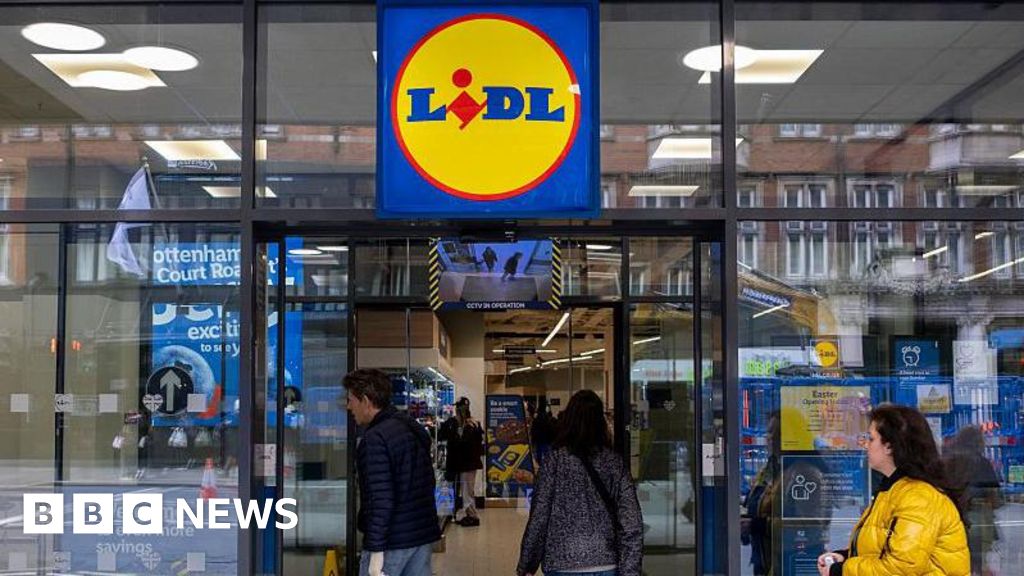
Under the changed system customers collect points rather than reward coupons, with £1 spent equalling one point.
Source link

There have been extra jitters in UK government debt markets ahead of Thursday’s local and national elections.
Source link


Longtime entertainment publicist was 82
Spirit starts monthslong process of dismantling airline after biggest collapse in a generation

AS-level Business Studies paper allegedly leaked online

-

 Tech1 week ago
A Brain Implant for Depression Is About to Be Tested in Humans
-

 Sports1 week ago
Pro wrestling star Steph De Lander reveals how colleague’s advice helped lead her to title triumph at ACW
-

 Tech1 week ago
Almost 90% of women leave tech industry within 10 years | Computer Weekly
-
 Business1 week ago
‘I had £20,000 stolen and had to fight a 13-month fraud reporting rule to get it back’
-

 Entertainment1 week ago
Norway joins Type 26 Frigate Programme to boost NATO naval power
-

 Entertainment1 week ago
Melania Trump says ABC should ‘take a stand’ on late-night host Kimmel
-
 Business6 days ago
PSX plunges over 4,800 points | The Express Tribune
-

 Tech1 week ago
This Ambitious Laptop Doesn’t Leave Much Room for Your Hands