

Tech
Proximus Global, Starlink expand European direct-to-cell satellite connectivity | Computer Weekly


After spending the past few months sealing a number of connectivity deals with leading global airlines, satellite connectivity leader Starlink has returned to Earth in a strategic partnership with BICS, appointing the Proximus Global company as its preferred IPX provider in Europe for its direct-to-cell satellite connectivity services.
The collaboration will enable Starlink to use the current IPX network to connect mobile network operators, while also paving the way for Starlink’s next-generation network that will be capable of providing broadband service to smartphones.
Starlink’s Direct to Cell is claimed to be the world’s only and largest constellation with more than 650 satellites in low-Earth orbit that delivers data, voice, video and messaging to devices in mobile dead zones.
Connecting more than eight million customers across five continents and counting, Direct to Cell satellites are said to work with existing LTE phones wherever there is a line of sight with the sky. The constellation acts like “a cell phone tower in space”, with phased array antennas connecting across the Starlink network over lasers to any point in the globe, offering network integration similar to a standard roaming partner.
Proximus Global’s IPX network, which functions similarly to a roaming exchange, will act as a bridge to connect Starlink to mobile network operators, which enables standard smartphones to connect directly to satellites in remote areas without terrestrial coverage. In the future, it will support the next iteration of network coverage to optimise smartphone performance in non-terrestrial networks.
The first European operator set to use the offer from the partnership will be Kyivstar, Ukraine’s largest digital and mobile operator, which was serving nearly 22.5 million Ukrainians by the end of September 2025.
Proximus Global and Starlink’s work with Kyivstar demonstrates how critical this service can be, particularly in emergencies when network infrastructure is harmed. Satellite connectivity is playing a vital role in bridging these gaps, ensuring uninterrupted communication during a time when connectivity is crucial.
Proximus Global regards the partnership as representing a significant milestone in its mission to unite satellite companies with terrestrial mobile operators through their extensive roaming network. In addition, it says the collaboration underscores the importance of satellite connectivity as a crucial step towards achieving truly global, ubiquitous coverage – especially in underserved areas where traditional infrastructure is lacking.
“While satellites are a game-changer for global connectivity, it’s not inherently disruptive to existing players in the industry – there’s room for everyone,” said Proximus Global chief revenue officer Ben Vandermeulen.
“With partnerships like this, our IPX acts as a bridge to unlock new opportunities. Satellite providers gain access to broader consumer bases, mobile operators can seamlessly plug coverage gaps, and end users benefit from more reliable and consistent connectivity. It’s a win-win for everyone involved.”
Starlink vice-president of engineering Michael Nicolls added: “We’re excited to work with Proximus Global to ensure Starlink’s next-generation constellation can leverage harmonised spectrum to provide the most powerful satellite-to-mobile service across Europe to further our mission of ending mobile dead zones and providing connectivity when people need it most.
“This partnership is a critical step in preparation to not only advance seamless connectivity, but also interconnect European operators with enhanced data security,” he said.
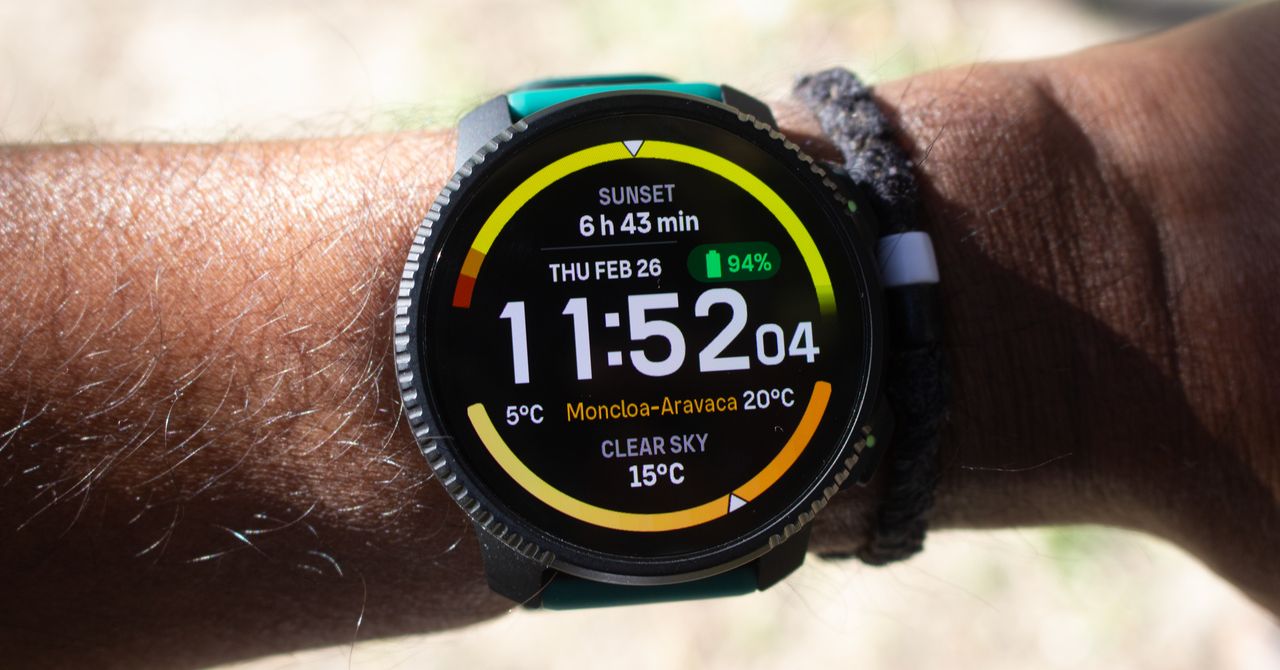
It’s always pleasing to see an array of physical buttons, and you get sizable ones too. You’re not going to miss these wide flat ones even when picking the pace up. The silicone strap has a nice stretch to it and while the button clasp is a bit awkward to get into place, this watch does not budge.
Suunto has jumped on the flashlight trend, with an LED light strip sat on the front of the case. You can adjust brightness levels and there’s SOS and alert modes to emit a very noticeable pulsating light pattern. This is a light I found useful rooting around indoors as well as on nighttime outings.
The biggest change is the introduction of a 1.5-inch, 466 x 466 AMOLED display. This replaces the dull, albeit very visible, memory-in-pixel (MIP) display. Suunto also ditched the solar charging that did require spending a significant amount of time outside to reap its battery benefits.
Adding AMOLED screens to outdoor watches has been contentious. The older MIP displays are just more power-efficient. The Vertical 2 is down by about 10 days from the older Vertical for what Suunto calls daily use.
Still, even if you’re putting its tracking and mapping features to use, you’re not going to be reaching for the charger every few days. After two hours of tracking in optimal GPS mode, the battery only dropped by 2 to 3 percent. The battery drop outside of tracking is also small and the standby performance is excellent as well.
Software Updates
Photograph: Michael Sawh
A more streamlined set of smartwatch features helps reserve battery for when it really matters. Unfortunately, I probably got better battery life because you don’t get phone notifications or responses if it’s paired to an iPhone instead of an Android. There’s also no onboard music player, but you do get a pretty slick set of music playback controls that are accessible during tracking.
Tech
Police do not have to explain to lawyer Fahad Ansari why they seized his phone data, says court | Computer Weekly
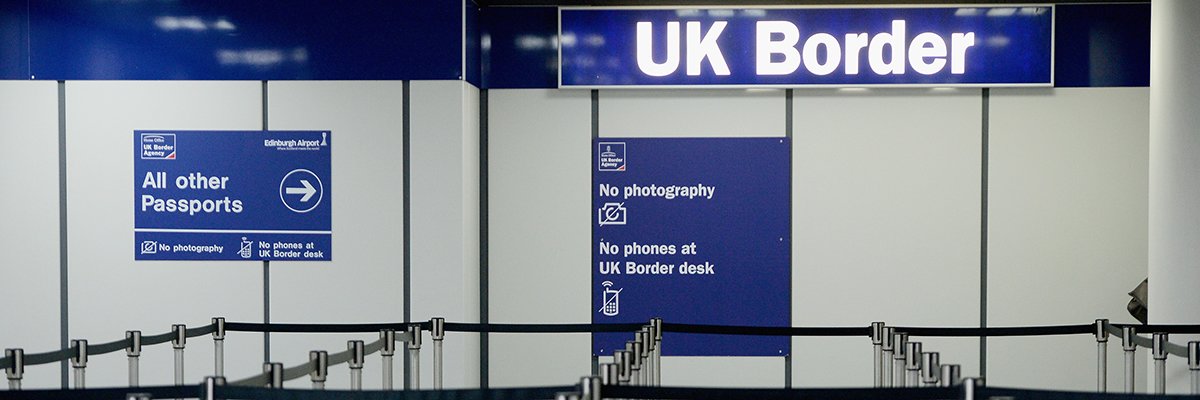
Police do not have to give a lawyer who was stopped, questioned and had his work mobile phone seized for forensic examination reasons for their actions, the UK’s high court has ruled.
The decision means that lawyers can be subject to counter-terrorism powers and have their privileged communications extracted and examined by the state, without having the right to know the case against them, said advocacy group Cage.
Fahad Ansari, who acts for Hamas in a legal appeal to have its proscribed status in the UK overturned, was stopped by police under Schedule 7 of the terrorist act while returning from holiday with his family last year.
The case is believed to be the first targeted use of Schedule 7 powers, which allow police to stop and question people and seize their electronic devices without the need for suspicion, against a practising solicitor.
The high court ruled on 4 March that police may present evidence about the reasons stopping Ansari in a closed court in front of a special advocate without Ansari or his lawyers being present – preventing Ansari or his legal team from learning the reasons why he was stopped.
Lawyers for Ansari argued the lawyer was entitled to be given a sufficient “gist” of the police’s case against him to enable him to disprove the police’s case, even if doing so would be damaging to national security.
Privileged material
Hugh Southey KC told the court in October 2025 that Ansari’s work phone contained data going back 15 years, including privileged material relating to his clients, and that any data extracted by the police should be deleted.
Ansari, an Irish citizen, argues that he was unlawfully stopped, detained and questioned under Schedule 7 of the Terrorism Act when he disembarked from a ferry with his family at Holyhead after visiting relatives in Ireland in August 2025.
The court was told last year that the phone contains details of at least 3,000 contacts, voice notes, memos, case papers, search terms and metadata, the overwhelming proportion of which is likely to be legally protected.
Justice Chamberlian found in a judgment published today the question was not whether any allegations made against Ansari by police in closed hearings were true, but whether police had a lawful basis for stopping and searching the lawyer at the time the search was carried out.
He found in a 15-page ruling that the use of Schedule 7 powers against Ansari to question him and seize his phone does not require any allegation to have been made against him, and that the seizure and retention of his personal information does not affect Ansari’s legal position.
The judge found that there were “substantial protections” in place to protect the integrity of legally privileged information, and that even if legally privileged material could be used against third parties, which it could not, they would enjoy the “full panoply of procedural rights”.
Ansari said he handed over the password to his phone after police warned him that to fail to do so would be an arrestable offence. He said that police also questioned him about Palestine Action, a direct action protest group that was proscribed under the Terrorism Act 2000, though Ansari has no connection with the group.
South Wales Police, which is responsible for counter-terrorism in Wales, has denied that Ansari was stopped because of his political views, and maintains that asking him questions about proscribed organisations is not unlawful.
Ansari, a registered freelance solicitor, became consultant at Duncan Lewis Solicitors, where he specialises in national security and complex human rights cases, after training at Fisher Meredith LLP and Birnberg Peirce.
Speaking after the judgement, Ansari said he would challenge the judge’s order that the police should not disclose their reasons for stopping him in open court.
“Seven months on, I remain in the dark about why counter-terrorism police detained and interrogated me and continue to examine the contents of my work phone,” he added. “I am exploring all options to challenge this dangerous precedent.”
Commenting on the case, Anas Mustapha, head of public advocacy at Cage, said that allowing secret evidence was a “thin end of the wedge” that could undermine justice. “Once courts accept that the state can accuse someone without revealing the accusation, the foundations of justice begin to collapse,” he added.
“The legal profession now faces a serious question: whether it will continue to accommodate secret courts through mechanisms like the special advocate system, or whether it will begin the difficult work of rolling back a process that has steadily eroded open justice for more than two decades,” said Mustapha.
Today, Apple announced its new budget MacBook. At $599, it looks seriously impressive. While I haven’t tested its performance, battery life, or display just yet, it may end up being hard to beat at that price based on some of the specs alone.
But that doesn’t mean the competition isn’t there. I want to recommend a couple of Windows laptops deals that offer various advantages over the MacBook Neo, showing where the Neo has both strengths and weaknesses.
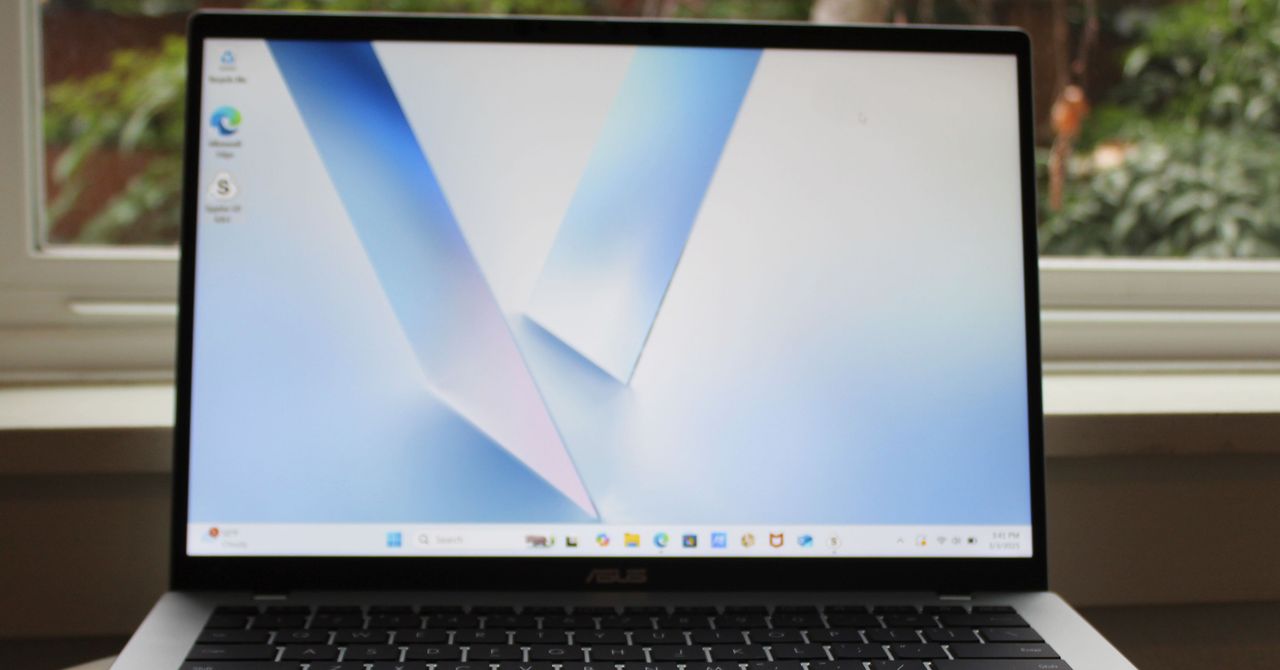
First, check out this Asus Vivobook 14, a laptop I’ve been happy to recommend as a budget computer for the past year. In many ways, this is the Windows version of a laptop like the MacBook Neo. It uses a highly-efficient ARM chip, the Qualcomm Snapdragon X, meaning it gets great battery life and performs admirably in daily tasks. It’s not quite as thin or light as the MacBook Neo, but it’s fairly portable for a laptop at this price.
Unlike the MacBook Neo, the Vivobook 14 comes with 16 GB of RAM and 512 GB of storage. That’s twice what you get in the MacBook Neo’s starting configuration. Right now, this configuration of the Vivobook 14 is on sale for $539. That’s a killer deal for those specs. It even comes with a healthier mix of ports, including HDMI, two USB-A, one USB-C, and a headphone jack. That also means it can support two external displays unlike the MacBook Neo, which can only handle just one.
Don’t get me wrong—I’m not at all saying the Vivobook 14 is a slam dunk over the MacBook Neo. Based on specs alone, I know the Vivobook 14 is a serious step down when it comes to the display. It’s less sharp, stretched across a larger screen, and the color performance isn’t so good. The Vivobook 14 maxes out at 280 nits, whereas Apple says the MacBook Neo can go all the way up to 500 nits. I have a hunch that the MacBook Neo will deliver a much better display in just about every regard.
There’s also the touchpad. It’s a little clunky to use, which is typical of budget Windows laptops. This is just a guess—but the touchpad on the MacBook Neo will likely feel smoother. It’s a mechanical trackpad (unlike the MacBook Air’s haptic feedback trackpad), but Apple has almost never made a bad trackpad.
If you’re not convinced by the Asus Vivobook 14, I’d also recommend the HP OmniBook 5, which is currently on sale for $500 and uses the same Snapdragon X chip. While it only has 256 GB of storage, it has a much better screen than the Vivobook 14, using an OLED display. It’s not any brighter than the Vivobook 14, but it gives you far better color performance and contrast. It’s also just 0.50 inches thick, matching the MacBook Neo exactly in portability.


Switzerland’s Calida narrows sales decline, lifts profit in 2025

Browns star Myles Garrett in speeding trouble again with 9th citation since entering NFL

If a Garmin Is Too Expensive, Consider Suunto’s Latest Adventure Watch

India Us Trade Deal: Fresh look at India-US trade deal? May be ‘rebalanced’ if circumstances change, says Piyush Goyal – The Times of India

What are Iran’s ballistic missile capabilities?

Attock Cement’s acquisition approved | The Express Tribune

-
Business6 days ago
India Us Trade Deal: Fresh look at India-US trade deal? May be ‘rebalanced’ if circumstances change, says Piyush Goyal – The Times of India
-
Business7 days ago
Attock Cement’s acquisition approved | The Express Tribune
-
 Politics1 week ago
What are Iran’s ballistic missile capabilities?
-

 Politics1 week ago
US arrests ex-Air Force pilot for ‘training’ Chinese military
-
 Business1 week ago
Households set for lower energy bills amid price cap shake-up
-

 Fashion7 days ago
Policy easing drives Argentina’s garment import surge in 2025
-

 Sports6 days ago
LPGA legend shares her feelings about US women’s Olympic wins: ‘Gets me really emotional’
-
 Fashion6 days ago
Texwin Spinning showcasing premium cotton yarn range at VIATT 2026