

Business
Punjab plans wider SME export financing | The Express Tribune

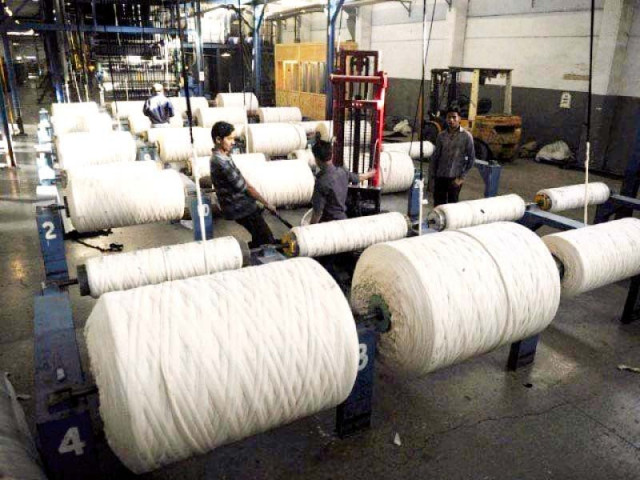
LCCI presses for sector-specific industrial parks as development budget rises to Rs1.24tr
The export-oriented industries. Photo: file
LAHORE:
The Punjab government is working on pilot programmes to support small and medium enterprises (SMEs) and export-oriented industries, with preparations under way for the next annual development plan, Secretary Planning & Development Board Punjab Rafaqat Ali said on Wednesday.
Speaking at a meeting held at the Lahore Chamber of Commerce and Industry (LCCI), Ali said the government was working on several pilot programmes to support small and medium enterprises (SMEs) and export-oriented industries. According to a statement, he said that under the Asaan Karobar Scheme, industries were being provided interest-free financial assistance for export-related value addition, adding that there was consideration to further expand the programme.
LCCI President Faheemur Rehman Saigol welcomed the secretary, while Vice President Khurram Lodhi and Executive Committee members Rana Shouban Akhtar and Irfan Qureshi were also present.
In his address, Saigol said Pakistan’s economy was approximately $400 billion in size, with Punjab contributing more than 55% to the national GDP. He said strengthening Punjab’s industrial base was therefore essential for sustainable economic growth. He welcomed the provincial government’s decision to increase the development budget for fiscal year 2025-26 from Rs842 billion to Rs1,240 billion, saying the higher allocation would help boost economic activity.
He emphasised that development planning should be business-friendly so that investment, production and exports could grow simultaneously. He said Punjab had strong potential in value-added manufacturing, engineering goods, processed food, pharmaceuticals, light engineering and IT services, but added that internationally standard testing and certification laboratories were necessary to fully realise this potential.
The LCCI president also proposed the establishment of sector-specific industrial parks and special economic zones for SMEs, where land could be provided on long-term leases at concessional rates. He said SMEs contributed about 40% to GDP and 25% to exports, and that focused attention on the sector could significantly increase employment and export earnings.
He further suggested that, given the country’s large youth population, modern skill development centres should be set up under public-private partnerships to provide training aligned with global market needs. He added that promoting digitalisation, technology parks, startup support, e-commerce and artificial intelligence was also important.
Saigol stressed that industries should be supported through green financing to adopt environmentally friendly technologies and energy-efficient equipment. He also called for expanding public-private partnerships in development projects and said the Lahore Chamber was ready to fully cooperate with the government in a constructive partnership.
The planning secretary said the government was giving special attention to youth skill development and had made large investments in this area under the current development programme, particularly in nursing, health and e-commerce sectors. He said programmes had been introduced to strengthen linkages between industry and educational institutions, under which industries trained workers themselves and later provided them employment.
Ali added that preparations for the next annual development plan were beginning and urged industrialists to submit their proposals so they could be incorporated into policymaking. He said only close cooperation between industry and government could help strengthen the economy and create new job opportunities.








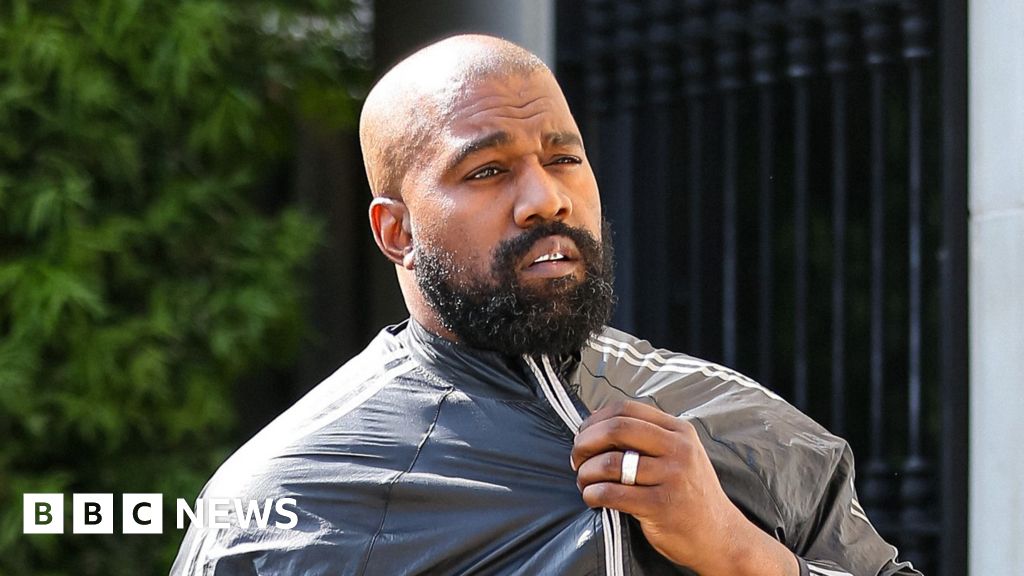
Sir Keir Starmer says it is “deeply concerning” the rapper is set to headline a festival after recent antisemitic comments.
Source link
Business
Stock markets outlook: Dalal Street braces for swings as RBI MPC decision, war risks weigh on sentiment–Check key triggers – The Times of India

Domestic equities are expected to remain volatile this week as investors track the Reserve Bank’s monetary policy decision, global macroeconomic cues and evolving developments in the West Asia conflict, analysts said, according to PTI.Market participants will also keep a close watch on crude oil price movements and foreign fund flows, which continue to influence sentiment.Vinod Nair, Head of Research at Geojit Investments Ltd, said the RBI’s Monetary Policy Committee (MPC) meeting will be the key domestic trigger, with investors focusing on the central bank’s stance on inflation and growth.“A rate pause is near-certain consensus, the central bank walks a tightrope between crude-driven inflation risks and a four-year low Manufacturing PMI signalling a softening growth impulse. The governor’s commentary on the rate cycle trajectory and FY27 projections will be closely monitored.“Globally, the US March CPI reading will carry significant importance, as it buries residual Fed rate-cut hopes, strengthens the dollar and tightens financial conditions for emerging markets, including India,” Nair said.He added that geopolitical developments in West Asia will remain the dominant factor shaping market direction.“Indian markets return after a three-day gap and remain acutely vulnerable to weekend war developments, with crude trajectory and any credible ceasefire signal being the decisive variable that could either trigger a sharp relief rally or extend the current sell-on-rise mode,” he said.In the previous holiday-shortened week, the BSE Sensex declined 263.67 points, or 0.35%, while the NSE Nifty fell 106.5 points, or 0.46%.Siddhartha Khemka, Head of Research (Wealth Management) at Motilal Oswal Financial Services Ltd, said investor sentiment will remain closely linked to developments in the West Asia conflict.Brent crude prices have stayed elevated near $107 per barrel, fuelling concerns around imported inflation. Currency pressures have also intensified, with the rupee weakening sharply before recovering towards Rs 93 against the US dollar following RBI intervention, he noted.Foreign institutional investor (FII) outflows remain a key overhang, with March witnessing heavy selling of Rs 1.2 lakh crore, among the highest monthly outflows in recent years.“Investors will monitor the US Federal Open Market Committee (FOMC) meeting minutes, GDP data, and initial jobless claims for further cues on growth and the policy trajectory.“Overall, markets are expected to remain volatile as geopolitical developments, crude price movements, FII flows and global macro data continue to drive sentiment,” Khemka said.Analysts said any signs of de-escalation in the West Asia conflict could ease crude prices and stabilise the currency, offering relief to markets, while further escalation may prolong risk aversion and keep pressure on foreign flows.

One elderly couple had to find £1,000 for an oil delivery and suppliers are not giving quotes, a councillor says.
Source link


Olivia Munn urges fans for ‘early’ cancer checkup

Islanders fire head coach Patrick Roy with four games left in the season amid playoff race

Actress Tori Spelling hospitalized after Southern California crash; authorities investigating cause

-

 Sports1 week ago
USMNT handed reality check by Doku, Belgium ahead of World Cup
-

 Sports1 week ago
2026 NCAA men’s hockey tournament: Schedule, results
-

 Fashion1 week ago
EU apparel imports slump 15.48% YoY in Jan; Bangladesh hardest hit
-

 Tech2 days ago
Our Favorite iPad Is $50 Off
-
Uncategorized3 days ago
[CinePlex360] Please moderate: “Trump signals p
-
Uncategorized6 days ago
[CinePlex360] Please moderate: “Further tariff
-

 Entertainment1 week ago
The Avett Brothers’ bassist explains why he wrote a book about John Quincy Adams
-

 Sports1 week ago
Man City show why they are worthy WSL title winners as tired United wilt