

Business
PwC graduate roles under threat from AI, accountancy firm boss says


Nick MarshBusiness reporter, Singapore
 Getty Images
The growth of artificial intelligence (AI) may eventually lead to fewer entry-level graduates being hired, the boss of accountancy giant PwC has told the BBC.
However, global chairman Mohamed Kande said AI was not behind recent job cuts at the firm, adding that the company actually needed to hire hundreds of new AI engineers but was struggling to find them.
But some observers say the technology itself threatens thousands of junior jobs across the professional services industry.
Speaking on the sidelines of a business summit in Singapore, Mr Kande also said big changes in the global economy, such as US President Donald Trump’s sweeping tariffs, had been good for the firm’s consulting business.
He also addressed the company’s suspension in China last year over its work on the collapsed property giant Evergrande, promising that the same mistakes “would not happen again”.
Headquartered in London, PwC is one of the Big Four accountancy firms. It provides a range of services, such as financial auditing, consulting and tax advice for business clients around the world.
According to Mr Kande, advising them on how to integrate AI into their operations will be at the heart of the firm’s future business strategy, even as the rapidly advancing technology affects its own hiring plans.
Firms who would have previously hired PwC consultants to sift through data and documents may now use AI models instead, turning weeks of costly work into mere minutes.
Every year, the company hires thousands of new graduates in entry-level positions – including 1,300 in the UK and 3,200 in the US last year – but it recently dropped long-term plans to continue increasing its headcount.
In 2021, PwC said it wanted to hire 100,000 people over the course of five years – but Mr Kande said this would no longer be possible.
“When we made the plans to hire that many people, the world looked very, very different,” he said.
“Now we have artificial intelligence. We want to hire, but I don’t know if it’s going to be the same level of people that we hire – it will be a different set of people.”
Last year, PwC cut more than 5,600 roles across its worldwide operation.
The boss of the company’s UK business has previously spoken about reducing graduate recruitment, admitting that AI was “certainly reshaping roles”.
At a global level, however, Mr Kande insisted that the AI boom was an “exciting time” for creating new jobs.
“We are looking for hundreds and hundreds of engineers today to help us drive our AI agenda, but we just cannot find them,” he said.
Trade turmoil ‘good for us’
Businesses around the world may be facing challenges adapting to AI, but in the meantime PwC appears to have benefited from the broader uncertainty in the global economy, largely fuelled by President Trump’s extensive use of tariffs.
“We are receiving a lot of calls from many companies around the world asking how to navigate the current environment,” said Mr Kande.
“It’s been good for us. We need to remain relevant to our clients and we have to be in these discussions, which we are.”
However, the company took a huge reputational blow last year, when Chinese authorities suspended PwC for six months over its work on the collapsed property giant Evergrande.
The firm went bust after amassing debts of more than $300bn (£230bn) and has been at the centre of a ruinous housing crisis that continues to damage lives and livelihoods in China.
The country’s Securities Regulatory Commission found that PwC, as the auditor, had “covered up and even condoned” financial fraud at Evergrande.
Mr Kande, whose tenure as global chairman began after Evergrande went bankrupt, said PwC no longer faced any restrictions in China.
“Let me tell you – we changed many of our people, implemented new quality management systems and introduced new governance systems,” he said.
“My focus has been to make sure nothing like this ever happens again.”
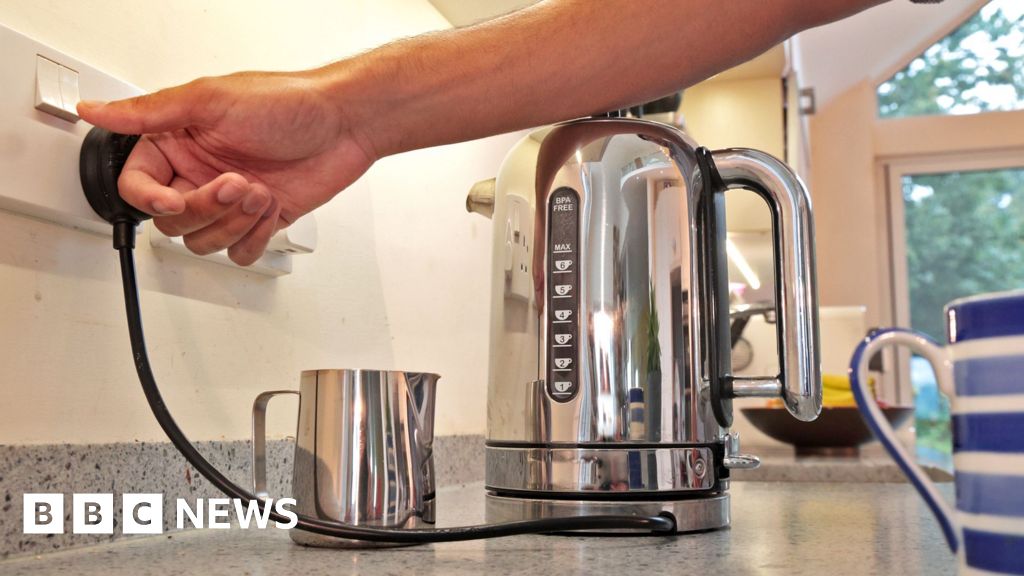
The war in the Middle East has brought renewed attention to Britain’s vulnerability to energy price shocks.
Source link
Business
Gadkari urges shift to 100% ethanol blending, flags energy security and import risks – The Times of India
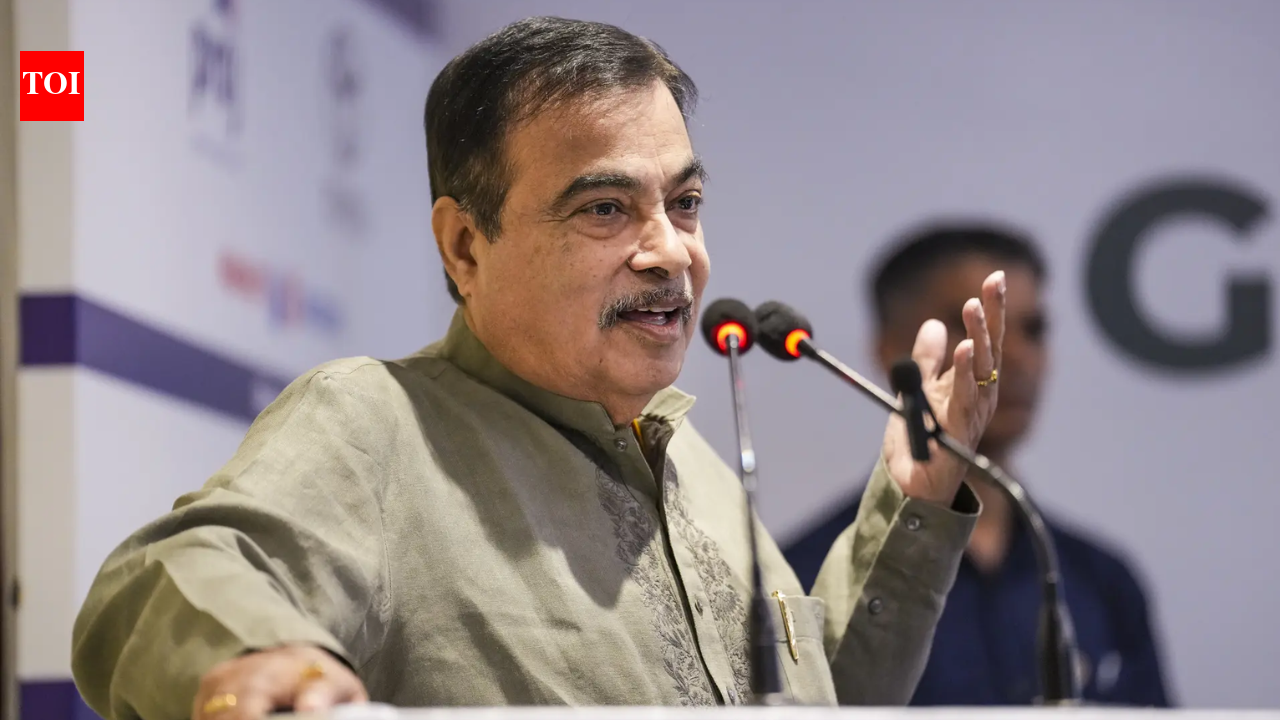
India should aim for 100 per cent ethanol blending in the near future to strengthen energy self-reliance, road transport and highways minister Nitin Gadkari said on Tuesday. He said that vulnerabilities in oil supplies due to the ongoing crisis in West Asia have made it essential for the country to reduce dependence on imports.Speaking at the Indian Federation of Green Energy’s Green Transport Conclave, Gadkari said, “In the near future, India should aspire to achieve 100 per cent ethanol blending… Today, we are facing an energy crisis due to the war in West Asia, so it is necessary for us to become self-reliant in the energy sector,” as quoted by PTI.India currently allows vehicles to run on E20 petrol, which contains 20 per cent ethanol, with minor engine modifications to avoid corrosion and related issues. In 2023, PM Modi launched petrol blended with 20 per cent ethanol. Countries such as Brazil have already achieved 100 per cent ethanol blending.Gadkari noted that India imports 87 per cent of its oil requirements, adding, “We import fossil fuels worth Rs 22 lakh crore, which is also causing pollution… so we need to work on increasing production of alternative fuel and bio-fuel.”On future energy solutions, he stressed the importance of green hydrogen but pointed out challenges in cost and transport. “Transport of hydrogen fuel is a problem. Also, we need to produce 1 kg of hydrogen at $1 dollar, to make India an exporter of energy,” he said, adding that hydrogen production from waste should be explored.The minister also emphasised the role of a circular economy in generating employment opportunities. While calling for reduced reliance on petrol and diesel vehicles, he clarified, “But we can not force people to stop buying petrol and diesel vehicles.”Addressing concerns about E20 fuel, Gadkari said the petroleum sector is lobbying against the move. He also urged automobile manufacturers to prioritise quality over cost to expand into new markets.Last year, Gadkari dismissed criticism against E20 (ethanol-blended petrol), saying a “paid” social media campaign is being run to “target me politically.” He said Society of Indian Automobile Manufacturers and Automotive Research Association of India have shared their findings on ethanol blending in petrol. He added that India’s ethanol programme has benefited farmers, noting that ethanol made from maize has helped them get better prices and led to gains of Rs 45,000 crore.

One petrol retailer says he is experiencing about five drive-offs a week at each forecourt, costing him thousands.
Source link


Soccer’s incredible shrinking shin guards could be a big problem

Matarazzo celebrates Real Sociedad Copa title: ‘Just the beginning’

Germany firms raise investment plans, uncertainty persists: ifo

-

 Fashion5 days ago
France’s LVMH Q1 revenue falls 6%, shows resilience amid Iran war
-

 Sports1 week ago
The case for Man United’s Fernandes as Premier League’s best
-

 Entertainment1 week ago
Palace left in shock as Prince William cancels grand ceremony
-
 Business1 week ago
UK could adopt EU single market rules under new legislation
-

 Entertainment6 days ago
Is Claude down? Here’s why users are seeing errors
-

 Fashion1 week ago
Energy emerges as biggest cost driver in textile margins
-
 Business1 week ago
Delta Air Lines unveils first new Delta One suite in premium cabin arms race
-
 Fashion1 week ago
Asia claims largest share of markets on Kearney FDI Confidence Index