

Business
Rachel Reeves pushes for EU youth migration scheme ahead of Budget

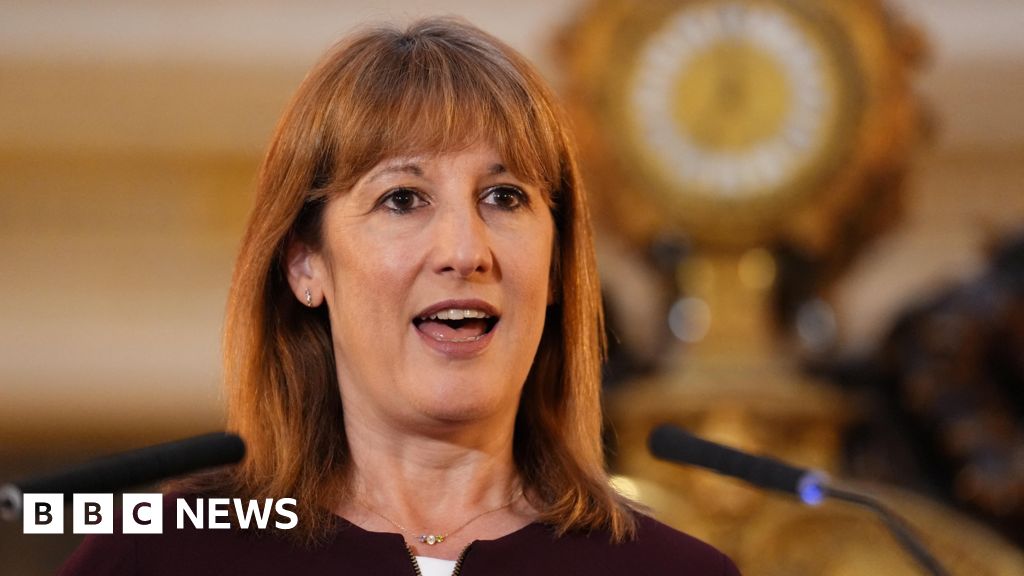
Rachel Reeves has pushed for an “ambitious” youth migration deal with the EU in a bid to improve the outlook of the public finances ahead of the autumn Budget.
The chancellor told the Times an exchange scheme for young workers would be “good for the economy, good for growth and good for business”.
The UK agreed to work towards a “youth experience visa” with the EU in May this year but the specifics of the scheme are still being negotiated.
Reeves also called for the Office of Budget Responsibility (OBR) to factor the potential economic impact of such a scheme into its forecasts ahead of the Budget, which she hopes will reduce the need for spending cuts or tax rises.
The proposal has previously been criticised by the Conservatives and Reform UK, who have said it amounts to a partial return to freedom of movement, which ended when the UK left the EU.
Such a scheme could mean those aged 18-30 could stay for two or three years, but the details are to be negotiated.
In an interview with the Times ahead of the Labour Party’s conference in Liverpool this week, the chancellor declined to specify how many visas could be issued annually under the scheme.
The UK already has similar schemes with 11 countries including Australia, New Zealand and Japan, with people able to stay for up to three years depending on where they apply from.
Under those agreements, the UK issued just over 24,000 youth mobility visas in 2024.
The OBR has previously scored UK growth down by 4% due to the original Brexit deal.
The chancellor believes that has set a precedent and that the OBR should include the projected economic upsides of a youth mobility scheme into its upcoming forecast.
Referencing the agreement between London and Brussels earlier this year, Reeves told the Times: “As a result of that reset in May, we think the economy will be stronger. We also want the OBR to score that.”
The OBR will send its first economic forecast to the treasury on Friday, which will include the gap the chancellor will need to make up in her 26 November Budget.
Much is depending on the OBR’s expected downgrade to the underlying long-term performance of the economy, or productivity. The gap could be £20 or £30 billion per year.
In response, the chancellor has stressed a series of measures aimed to help the economy grow faster, including further trade deals.
If accepted by the independent forecasters, the inclusion of the proposed EU youth mobility scheme into its calculations could theoretically limit the extent of any new tax rises.
The OBR has scored policy moves on house building and childcare as helpful to the economy in recent years.
Speculation has been rife that the chancellor will be forced to raise taxes or cut spending in order to fill the fiscal hole, despite Labour’s election promise not to increase income tax, National Insurance or VAT for working people.

Most clothes are made in Asia, but new machines could bring some of that work back to the West.
Source link
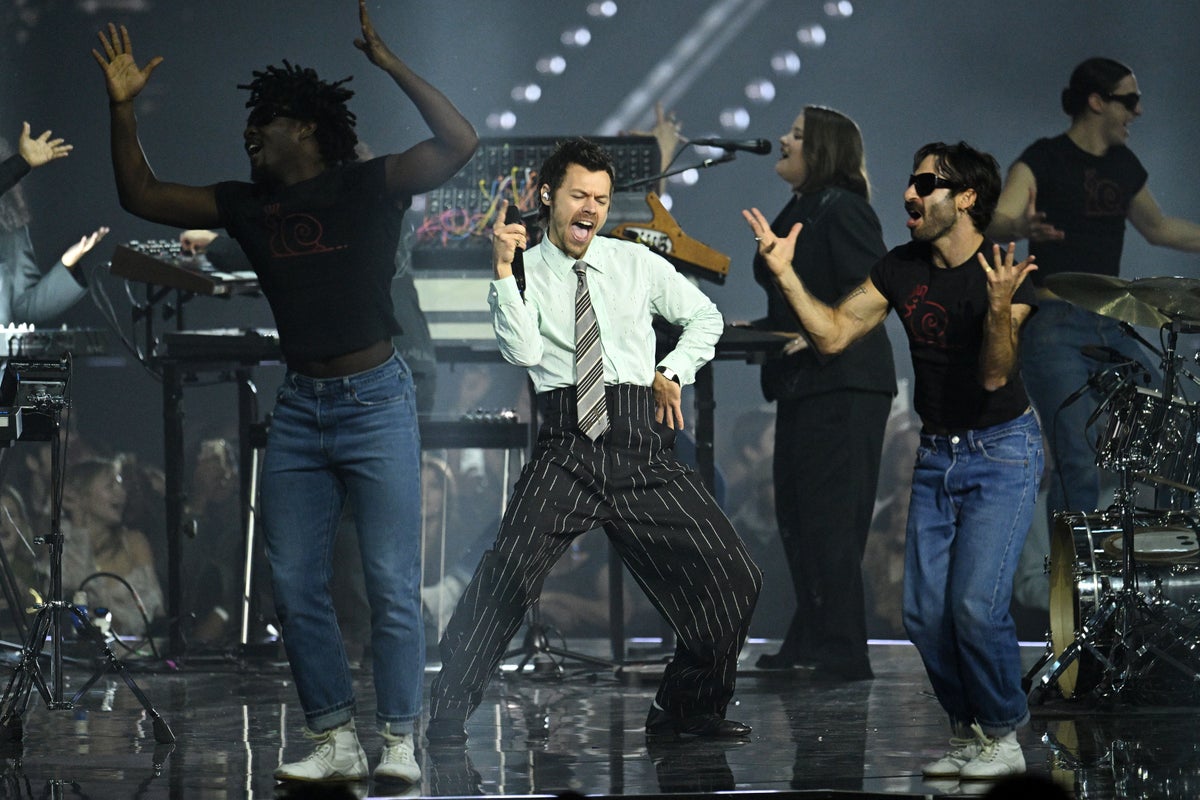
Fan spending for Harry Styles’s 12-night run at Wembley Stadium is set to reach £1.1 billion despite ongoing cost-of-living pressures, figures suggest.
Ticket-holders are expected to spend a total of £981 on average attending the Together, Together tour – which is limited to London in the UK – including travelling to the venue, staying overnight, buying merchandise and other costs, according to a survey for Barclays bank.
The figure exceeds the average £848 spent by fans who flocked to Taylor Swift’s Eras Tour, and the average £766 on attending the Oasis Live ’25 shows, although these were both held across four UK locations, leading to lower travel costs.
Styles’ fans anticipate they will spend an average £102 on official tour merchandise, while nine in 10 will participate in a “fan trend” on the day with 63% planning to wear a Harry Styles-themed look.
A fifth (20%) will make sure their outfits are co-ordinated with their friends and 22% hope to create or exchange fan-made items with other fans.
Barclays said the event was set to be a “major cultural moment” as a million ticket-holders travel to London for the 12 dates beginning on June 12.
With just one other European tour location, in Amsterdam, Styles’ Wembley residency will be the most performances by any artist in a single year at the venue, which has a capacity of around 90,000 people for music events.
The survey found those going to the show spent an average of £143.20 on their ticket, with 19% saying this was more than they planned but 66% saying they would have been willing to pay more if needed.
Other expected costs include an average £141.20 on accommodation, £103.10 on transport and £103.10 on food and drinks before the show.
Some 28% of fans say they are planning other activities such as sightseeing and exhibitions while in London.
More than a quarter (27%) of ticket-holders view the concert as a once-in-a-lifetime experience, and 17% said FOMO (fear of missing out) played a part in their purchase.
Almost 74% of those polled said getting tickets to sold-out or in-demand events now felt like a status symbol.
Tom Corbett, managing director of sponsorship and client experience at Barclays, said: “This tour shows just how powerful live entertainment can be, benefiting consumers and businesses alike.
“‘Concert tourism’ is on the rise because of the extent to which people value unique, shared experiences – so much so that they’re willing to invest in them even when cutting back elsewhere, and to travel to see their favourite artists perform.”
Opinium surveyed 2,000 respondents, and an additional 200 ticket-holders, between April 28 and May 1.

A sign sits outside of the Centers for Disease Control and Prevention (CDC) Roybal campus in Atlanta, Georgia, U.S. March 18, 2026.
Megan Varner | Reuters
One American has tested positive for Ebola in the Democratic Republic of Congo in connection to the deadly outbreak in central Africa that global health agencies are racing to contain, the Centers for Disease Control and Prevention said on Monday.
The person was exposed as part of their work in Congo, developed symptoms over the weekend and tested positive late Sunday, Dr. Satish Pillai, the CDC’s Ebola response incident manager, told reporters on a call. The CDC and State Department are working to move that individual and six other Americans exposed to Ebola to Germany for treatment, care and monitoring.
But Pillai emphasized that no cases tied to the outbreak have been confirmed in the U.S., and that the overall risk to the American public and travelers remains low.
Still, the CDC also announced on Monday that for the next 30 days, it will restrict entry into the country for people without a U.S. passport who were in the Democratic Republic of the Congo, South Sudan or Uganda in the last three weeks.
The update came one day after the World Health Organization declared the Ebola epidemic a “public health emergency of international concern.” The outbreak does not meet the criteria of a “pandemic emergency,” but the WHO warned that the high positivity rate and increasing cases and deaths point toward a “potentially much larger outbreak” than what is being detected and reported.
As of Sunday, more than 300 suspected cases and 88 suspected deaths have been reported, primarily in Congo but also in neighboring Uganda, according to the CDC.
The specific virus involved in this outbreak, called Bundibugyo, has no vaccine or treatment. Historically, that virus has death rates ranging from 25% to 50%, the CDC added.
But agency officials told reporters on Monday that work is underway to develop a monoclonal antibody therapy as a potential treatment for this specific strain of Ebola.

Robo-top: The machines that could make your next t-shirt
Fan spending on Harry Styles Wembley gigs set to top £1bn

‘Star Wars’ voice actor was 64

-

 Entertainment6 days ago
Conan O’Brien hat tricks as Oscar host
-

 Tech1 week ago
Could Contact-Tracing Apps Help With the Hantavirus? Not Really
-
 Fashion6 days ago
Italy’s Zegna Group’s Q1 growth boosted by strong organic performance
-

 Entertainment1 week ago
Martin Short: Facing tragedy with joy
-

 Entertainment1 week ago
Tom Brady gets back at Kevin Hart during Netflix roast
-
 Sports1 week ago
Jacob Fatu unleashes vicious assault on Roman Reigns after World Heavyweight Championship loss at WWE Backlash
-

 Entertainment1 week ago
Martha Stewart: How to make an omelet
-

 Tech1 week ago
Papa Johns Is Getting Into Drone Delivery—but Not for Pizza