

Business
Railways Budget Expectations: Will 500+ Trains Zoom Like TAG 2026? 2025 Wins & 2026 Wishlist Revealed

A Big Rail Reset Is Coming
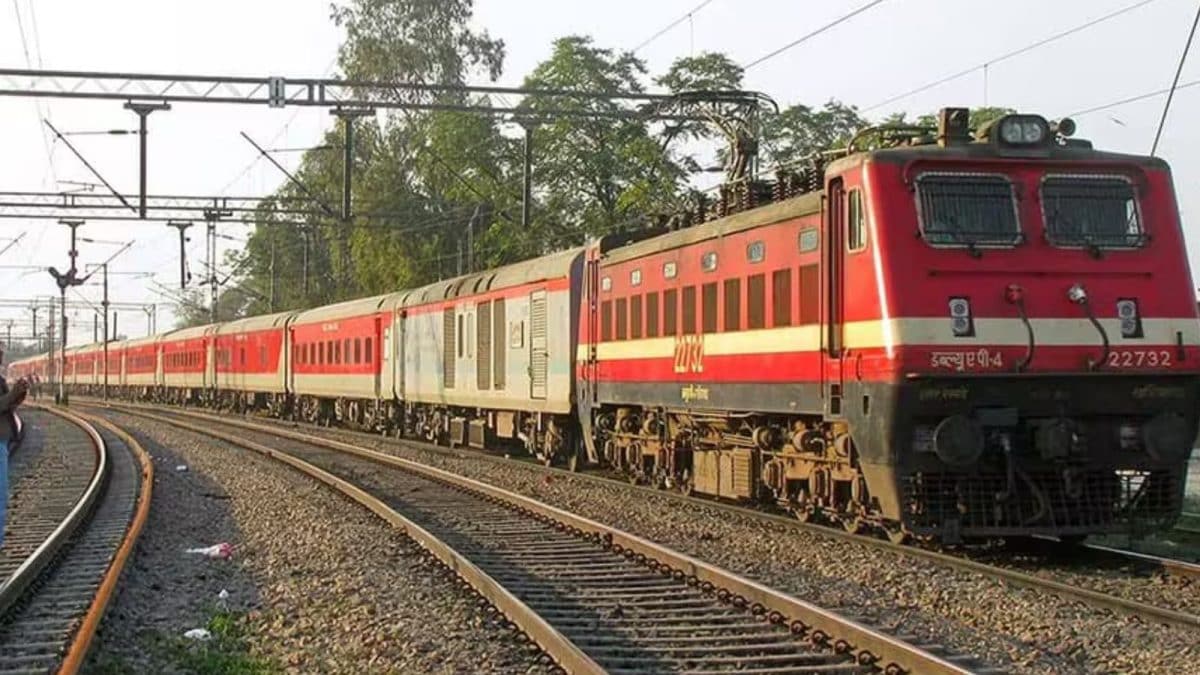
Something major is lining up for India’s train travellers, and it could change daily journeys sooner than expected. With Union Budget 2026 just around the corner, rail passengers are watching closely for faster trains, smoother rides, and better stations. Over the past year, Indian Railways quietly tested big upgrades under the TAG 2026 timetable. Now, all eyes are on whether Budget 2026 will push these changes even further. From speed boosts to brand-new trains, the wishlist is long. The big question remains: will trains really zoom ahead in 2026?
Budget 2026 Focuses on Better Execution
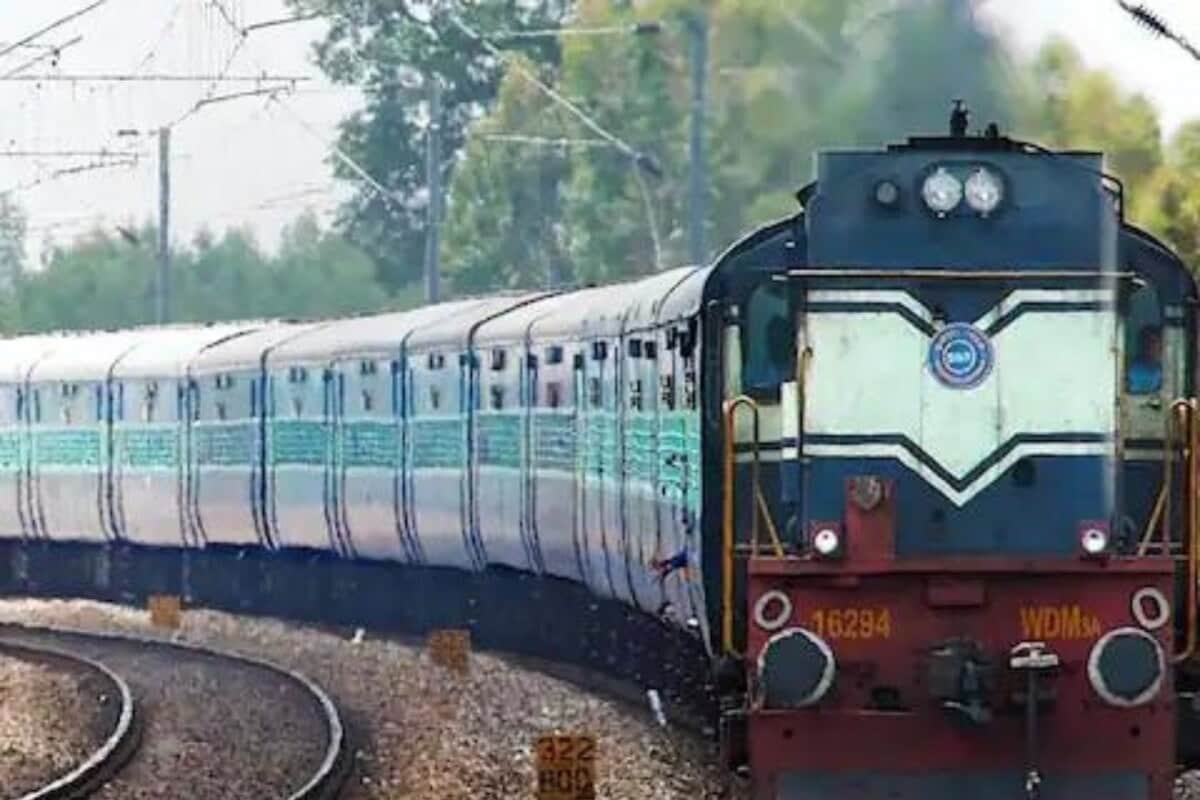
Union Budget 2026-27 is expected to keep railway spending steady but more focused. Experts reportedly estimate an allocation of around Rs 2.8 lakh crore, nearly 10-12 per cent higher than last year. Subrata Sarkar of ICRA says the goal is not flashy announcements but faster project completion. Nearly 80 per cent of planned spending for FY26 may be used on time, improving tracks, signals, and safety. For passengers, this means fewer delays, smoother rides, and real improvements instead of long-pending promises.
TAG 2026 Already Made Trains Faster
Before Budget 2026 even arrives, Indian Railways delivered big wins under TAG 2026. A total of 549 trains were sped up, saving passengers 30 to 60 minutes on many routes. This included Rajdhani, Shatabdi, and mail trains. Track doubling, better signalling, and automatic braking systems helped cut delays. For daily travellers, this means shorter journeys and fewer late arrivals. TAG 2026 proved that speed gains are possible without buying new trains.
Vande Bharat Sleeper Trains Steal Attention
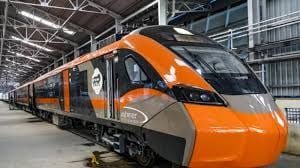
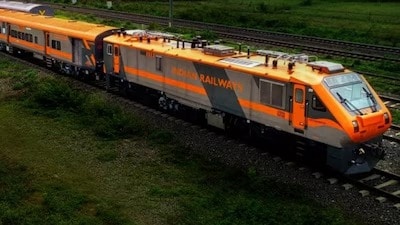
The launch of Vande Bharat sleeper trains in January has raised strong expectations for 2026. These trains promise overnight comfort with flat berths and speeds up to 160 kmph. Ajay Singh of PwC predicts 300 to 400 new Vande Bharat units in the coming years. These trains could reduce travel time between major cities like Delhi and Chennai while offering airline-like comfort. For long-distance travellers, this may finally mean fast travel without flying.
Amrit Bharat Trains for Budget Travellers
While premium trains get attention, Budget 2026 may also focus on affordable travel. Over 100 Amrit Bharat non-AC trains are expected on new routes. These trains aim to improve comfort for budget passengers while keeping ticket prices low. With better seating, cleaner coaches, and higher speeds than older trains, they are ideal for festival travel and short trips. Railway officials believe this will improve travel for millions who rely on non-AC coaches every day.
Rajdhani and Shatabdi Get a Speed Push
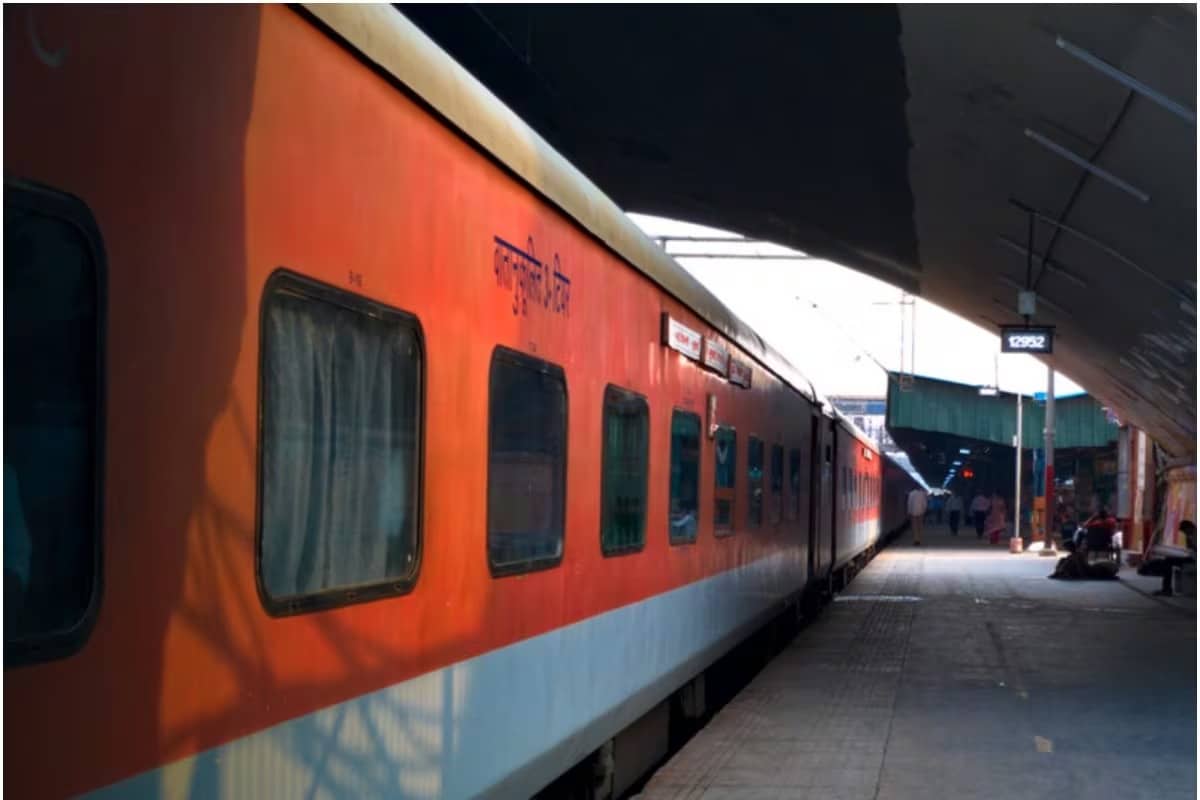
Rajdhani and Shatabdi trains are also expected to benefit further in 2026. Under TAG 2026, two new Rajdhani and two Jan Shatabdi services were added. Several existing trains now reach destinations earlier than before. Kavach safety systems and upgraded tracks helped reduce sudden stops and delays. For passengers, smoother rides and better punctuality are the biggest gains. If Budget 2026 adds more upgrades, these trains could feel almost new again.
Mumbai, Delhi, Bengaluru See Daily Gains
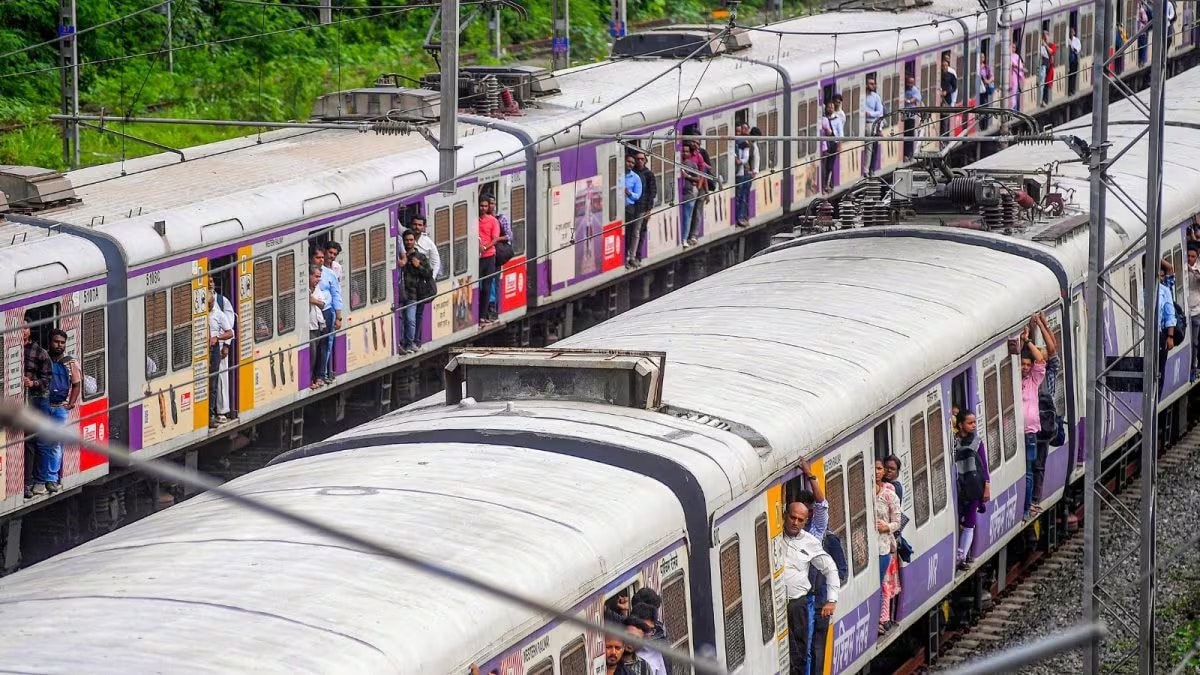
Big cities are already seeing improvements that regular commuters feel every day. Mumbai’s Western Railway added 10 new trains and sped up over 80 services. Bengaluru introduced faster connections, helping IT professionals save travel time. Delhi added nearly 20 new routes to manage urban growth. Analysts reportedly estimate that commute times have dropped by nearly 20 per cent on select routes. If Budget 2026 continues this trend, city-to-city and daily travel could become far less stressful.
Bullet Train Project Stays on Track
The Mumbai-Ahmedabad bullet train remains a key focus area. The project is about 55 per cent complete, with costs now estimated at Rs 1.98 lakh crore. Officials expect Budget 2026 to ensure steady funding rather than major increases. The first operational section is targeted for 2027. Once ready, trains may run at speeds of 320 kmph. For western India, this could change business travel and weekend trips forever.
Stations, Safety, and Smart Tech
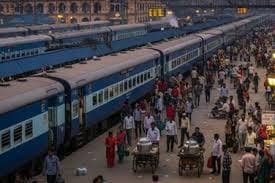
Budget 2026 may also push station upgrades and safety tech. Private investment worth Rs 20,000 – Rs 25,000 crore is expected for modern stations with food courts, EV charging, and better waiting areas. Kavach safety systems are expanding to prevent collisions. Full electrification is nearly complete, cutting fuel costs and pollution. AI-based alerts could soon warn passengers about delays. These changes may not look flashy but greatly improve everyday travel comfort.
What Train Travellers Can Expect Next
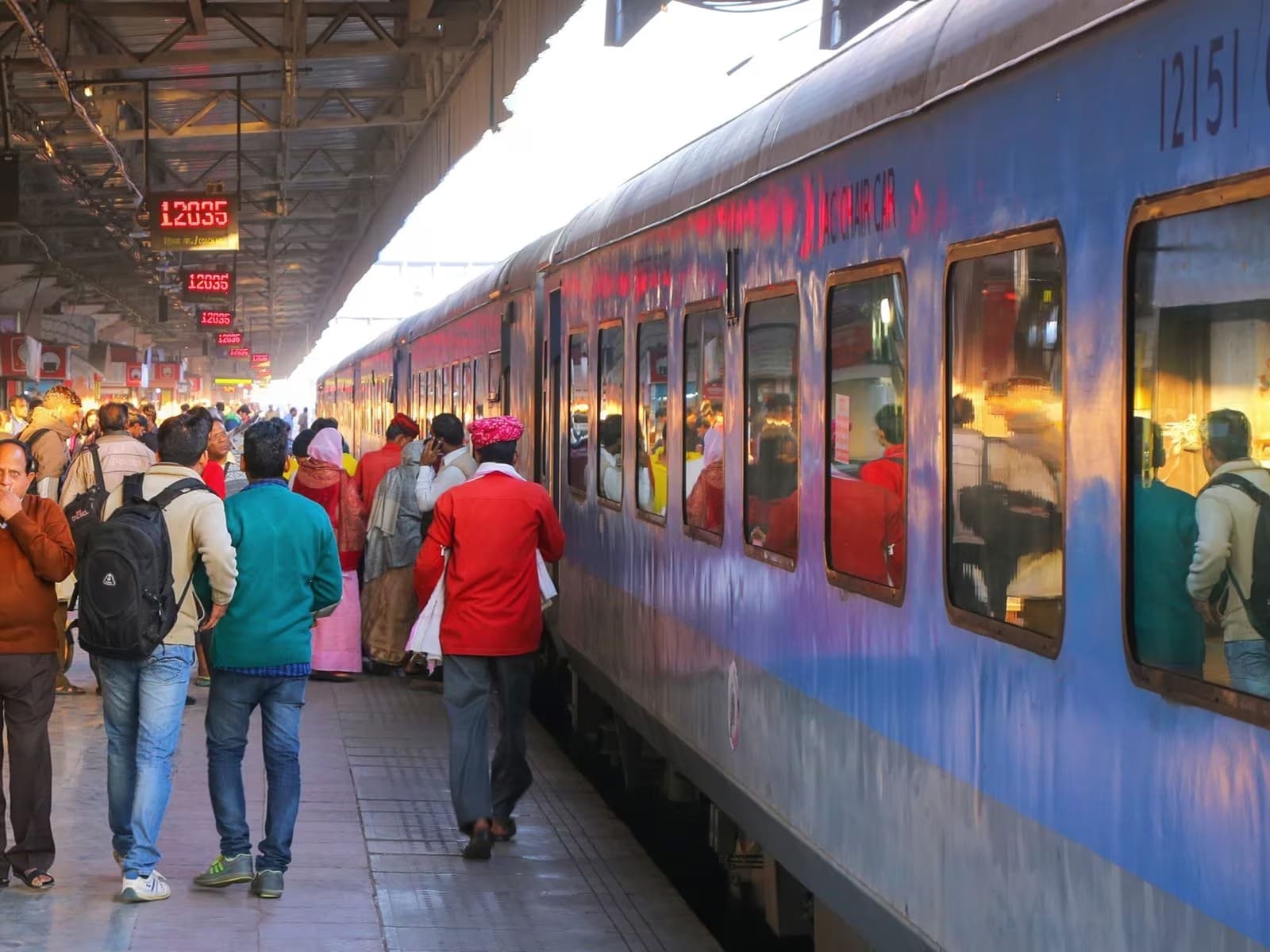
For regular passengers, Budget 2026 may not bring dramatic headlines, but it promises real benefits. Faster trains, cleaner coaches, safer systems, and better stations are becoming normal, not special. Instead of launching many new schemes, Indian Railways seems focused on fixing what already exists. If execution stays strong, 2026 could be the year when train travel finally feels reliable, comfortable, and time-saving. For millions, the upgrade journey has already begun.
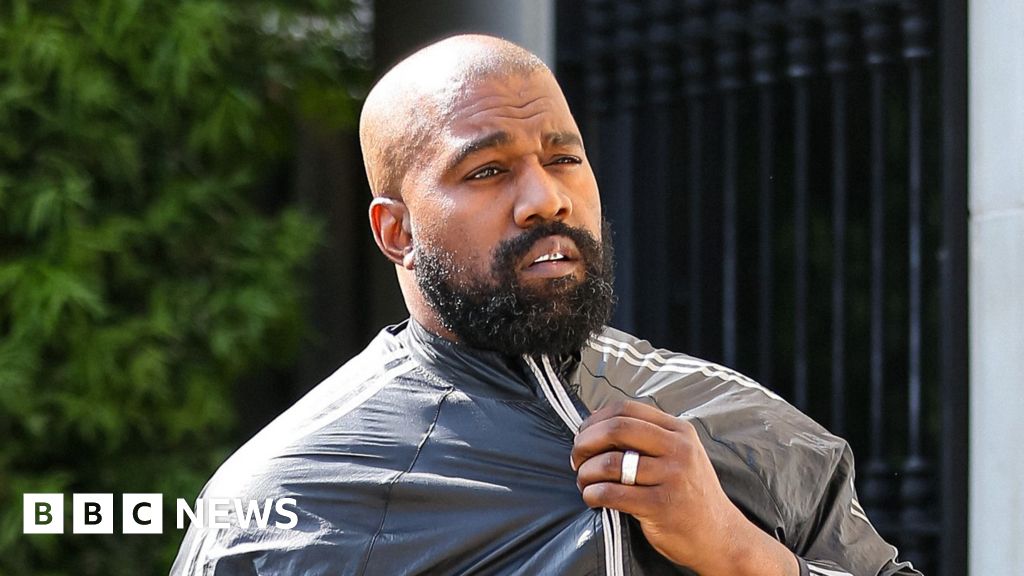
Sir Keir Starmer says it is “deeply concerning” the rapper is set to headline a festival after recent antisemitic comments.
Source link
Business
Stock markets outlook: Dalal Street braces for swings as RBI MPC decision, war risks weigh on sentiment–Check key triggers – The Times of India

Domestic equities are expected to remain volatile this week as investors track the Reserve Bank’s monetary policy decision, global macroeconomic cues and evolving developments in the West Asia conflict, analysts said, according to PTI.Market participants will also keep a close watch on crude oil price movements and foreign fund flows, which continue to influence sentiment.Vinod Nair, Head of Research at Geojit Investments Ltd, said the RBI’s Monetary Policy Committee (MPC) meeting will be the key domestic trigger, with investors focusing on the central bank’s stance on inflation and growth.“A rate pause is near-certain consensus, the central bank walks a tightrope between crude-driven inflation risks and a four-year low Manufacturing PMI signalling a softening growth impulse. The governor’s commentary on the rate cycle trajectory and FY27 projections will be closely monitored.“Globally, the US March CPI reading will carry significant importance, as it buries residual Fed rate-cut hopes, strengthens the dollar and tightens financial conditions for emerging markets, including India,” Nair said.He added that geopolitical developments in West Asia will remain the dominant factor shaping market direction.“Indian markets return after a three-day gap and remain acutely vulnerable to weekend war developments, with crude trajectory and any credible ceasefire signal being the decisive variable that could either trigger a sharp relief rally or extend the current sell-on-rise mode,” he said.In the previous holiday-shortened week, the BSE Sensex declined 263.67 points, or 0.35%, while the NSE Nifty fell 106.5 points, or 0.46%.Siddhartha Khemka, Head of Research (Wealth Management) at Motilal Oswal Financial Services Ltd, said investor sentiment will remain closely linked to developments in the West Asia conflict.Brent crude prices have stayed elevated near $107 per barrel, fuelling concerns around imported inflation. Currency pressures have also intensified, with the rupee weakening sharply before recovering towards Rs 93 against the US dollar following RBI intervention, he noted.Foreign institutional investor (FII) outflows remain a key overhang, with March witnessing heavy selling of Rs 1.2 lakh crore, among the highest monthly outflows in recent years.“Investors will monitor the US Federal Open Market Committee (FOMC) meeting minutes, GDP data, and initial jobless claims for further cues on growth and the policy trajectory.“Overall, markets are expected to remain volatile as geopolitical developments, crude price movements, FII flows and global macro data continue to drive sentiment,” Khemka said.Analysts said any signs of de-escalation in the West Asia conflict could ease crude prices and stabilise the currency, offering relief to markets, while further escalation may prolong risk aversion and keep pressure on foreign flows.

One elderly couple had to find £1,000 for an oil delivery and suppliers are not giving quotes, a councillor says.
Source link


Actress Tori Spelling hospitalized after Southern California crash; authorities investigating cause

With Messi goal, Inter Miami open new stadium with dream moment

Justin Bieber ignites documentary release speculations ahead of Coachella

-

 Sports1 week ago
USMNT handed reality check by Doku, Belgium ahead of World Cup
-

 Sports1 week ago
2026 NCAA men’s hockey tournament: Schedule, results
-
 Fashion1 week ago
EU apparel imports slump 15.48% YoY in Jan; Bangladesh hardest hit
-
Uncategorized6 days ago
[CinePlex360] Please moderate: “Further tariff
-
Uncategorized3 days ago
[CinePlex360] Please moderate: “Trump signals p
-

 Tech2 days ago
Our Favorite iPad Is $50 Off
-
Uncategorized1 week ago
[CinePlex360] Please moderate: “Apple scrapping
-

 Entertainment1 week ago
The Avett Brothers’ bassist explains why he wrote a book about John Quincy Adams