

Fashion
Registration opens for Texworld NYC, Apparel Sourcing NYC, Printsource

New for Winter 2026:
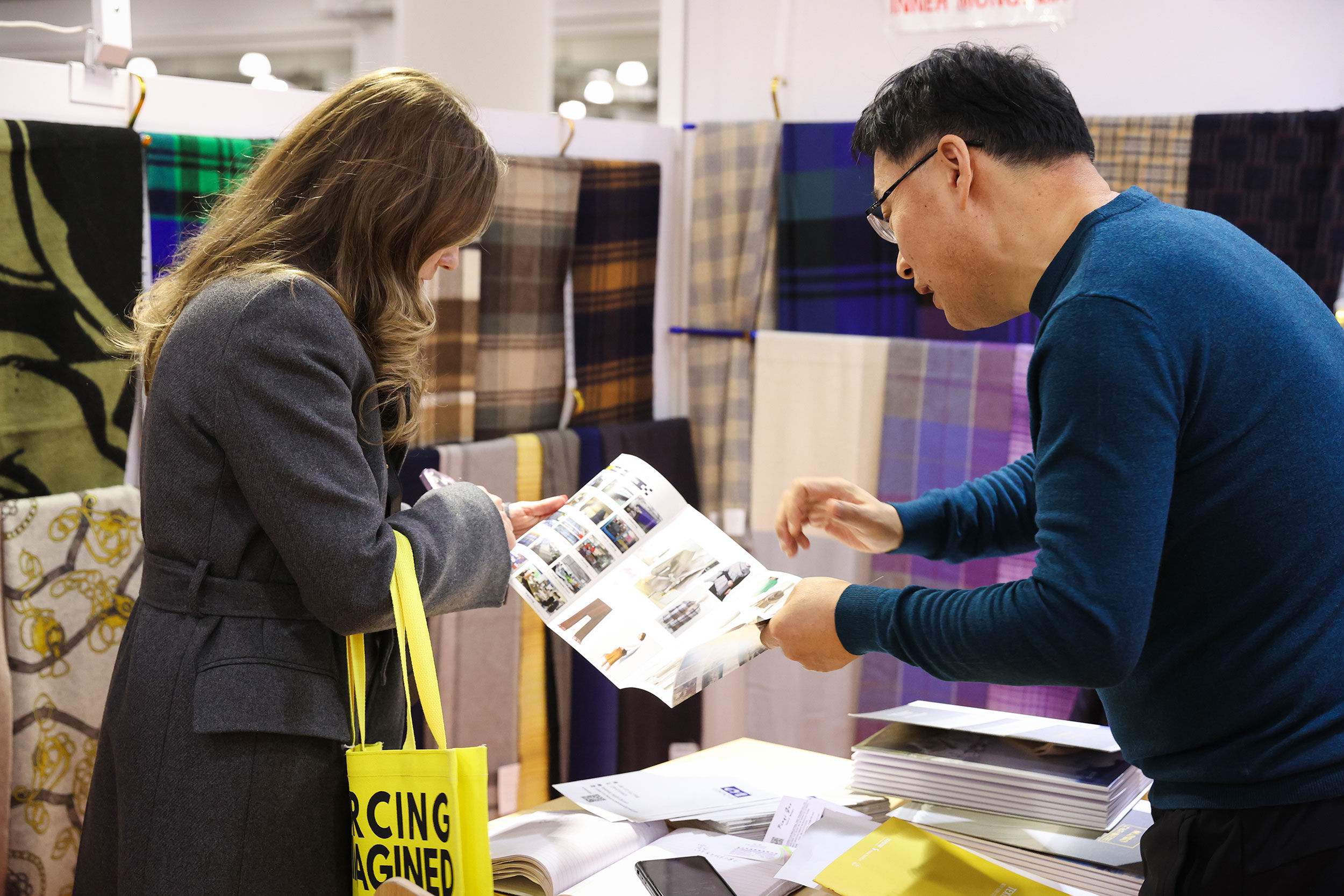
Registration is open for Texworld NYC, Apparel Sourcing NYC, and Printsource Winter 2026 (January 20–22, Javits Center).
The event debuts the Innovation Hub merging Next-Gen Materials, Technology Lab, and Solutions Studio.
Peclers Paris joins as Trend Partner.
Highlights include a Tech Pack Workshop, Deadstock Sourcing, Exhibitor Pitches, and Textile Talks.
The Innovation Hub
Industry transformation takes center stage in the Innovation Hub, a newly expanded feature area merging Next-Gen Materials, the Technology Lab, and Solutions Studio into one destination for forward-thinking sourcing.
Exhibitors here will showcase:
- Next-Gen Materials – Bio-based, circular, and low-impact textiles driving a sustainable future.
- Technology Lab – Digital tools and AI-powered systems transforming fashion production, from 3D design to blockchain traceability.
- Solutions Studio – Services advancing transparency and accountability across the global supply chain.
From smart materials to groundbreaking platforms, the Innovation Hub spotlights companies redefining what’s possible in responsible fashion and manufacturing.
Peclers Paris Joins as Trend Partner
This season, Texworld NYC is proud to announce a new partnership with Peclers Paris, the world-renowned creative consultancy and trend agency. With over five decades of expertise, Peclars has shaped global fashion, lifestyle, and design trends, working with some of the world’s leading brands across industries. Through the Texworld Trend Showcase, Peclers Paris will present the season’s key color stories, material innovations, and creative directions—translating future trends into tangible inspiration for designers and sourcing professionals alike.
“We believe every story in fashion begins with the fabric. It is the foundation of creativity, the vessel of emotion, and the touchpoint of connection. Fabric shapes not only garments, but also the narratives they carry and the feelings they evoke. That is why we are proud to partner with Texworld New York, bringing our trend-driven vision to the fashion capital of the United States,” states Yvonne de Bruyn, Trend & Type Director for Consultancies, Peclers Paris.
Hands-On Learning Returns: Tech Pack Workshop – Your Fashion Design Blueprint
This edition introduces an exciting new hands-on educational opportunity for attendees — In this two-hour workshop, Xochil Herrera Scheer, President and Founder of The Chicago Pattern Maker, will demystify the tech pack—the essential blueprint for bringing a garment design to life. Whether you’re a designer, a brand owner, or a student, mastering the tech pack is crucial for effective communication with your production partners, especially with vendors like those at Texworld NYC.
Exclusive Attendee Rate: This workshop is available to Texworld NYC, Apparel Sourcing NYC, and Printsource attendees for $105 (regularly $135). Seats are limited and offered on a first-come, first-served basis – tickets can be purchased through online registration.
Additional Show Features
The Winter 2026 edition will feature a range of returning programs designed to educate and connect the sourcing community. The Deadstock Sourcing area will spotlight surplus materials and circular design solutions, offering buyers access to sustainable sourcing alternatives. Exhibitors will take the Exhibitor Pitch stage, presented by Texpertise, to present new products and innovations directly to attendees; the Textile Talks series will return with expert-led discussions covering the latest trends, technologies, and strategies shaping the global fashion and textile landscape.
Note: The headline, insights, and image of this press release may have been refined by the Fibre2Fashion staff; the rest of the content remains unchanged.
Fibre2Fashion News Desk (HU)











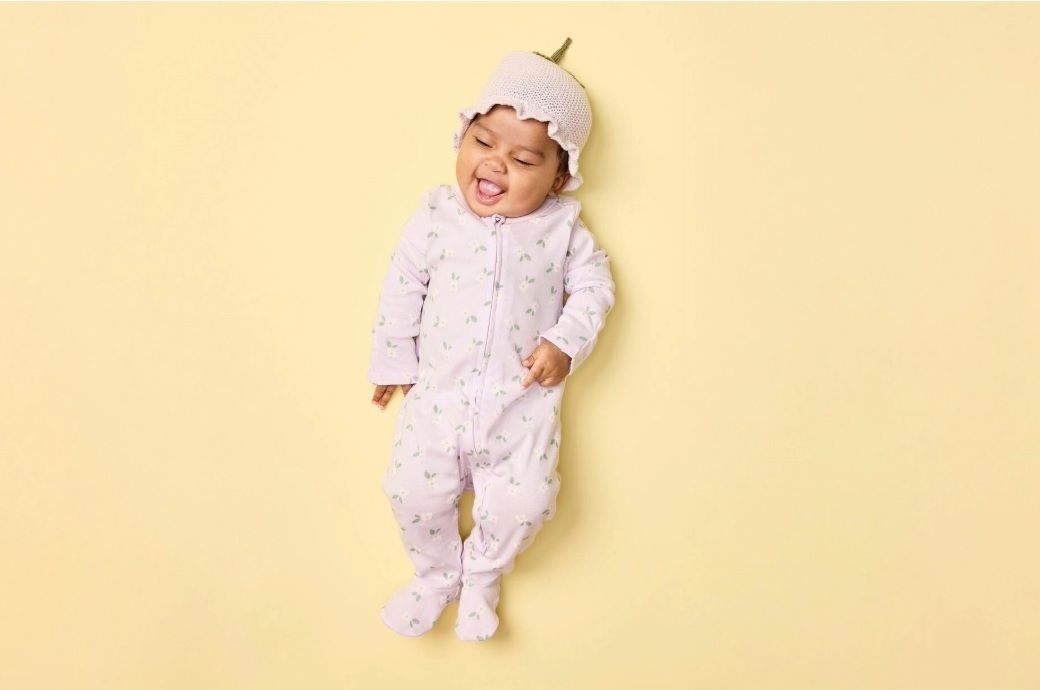
“We designed this collection with parents in mind. Shopping for a newborn, as a gift or for your own, should feel joyful and easy. Everything is intended to be mixed together and matched — it’s fun, it’s emotional, and the value is incredible.”. – Sarah Holme, Head of Design & Product Development for Old Navy.
Old Navy has introduced Little Navy, a new collection of newborn essentials designed to simplify early-stage shopping and gifting.
The range includes layettes, hats, booties and mix-and-match basics in soft, seasonless colours and cosy fabrics.
Sized for babies up to 24 months, the line focuses on comfort, versatility, emotional appeal and strong value for modern parents.
Little Navy goes beyond onesies, offering layettes, hats, booties, and more, all in one convenient collection and no extra searching required. It features a soft, seasonless color palette, cozy fabrics, and versatile styles made for newborns and babies up to 24 months, with sizing that allows Little Navy to grow with baby.
Note: The headline, insights, and image of this press release may have been refined by the Fibre2Fashion staff; the rest of the content remains unchanged.
Fibre2Fashion News Desk (RM)
They said bank audit procedures have stalled numerous applications. Around Tk 57 billion in incentives for the textile and apparel sector remain unsettled in fiscal 2025-26, creating acute liquidity pressure and affecting exports.
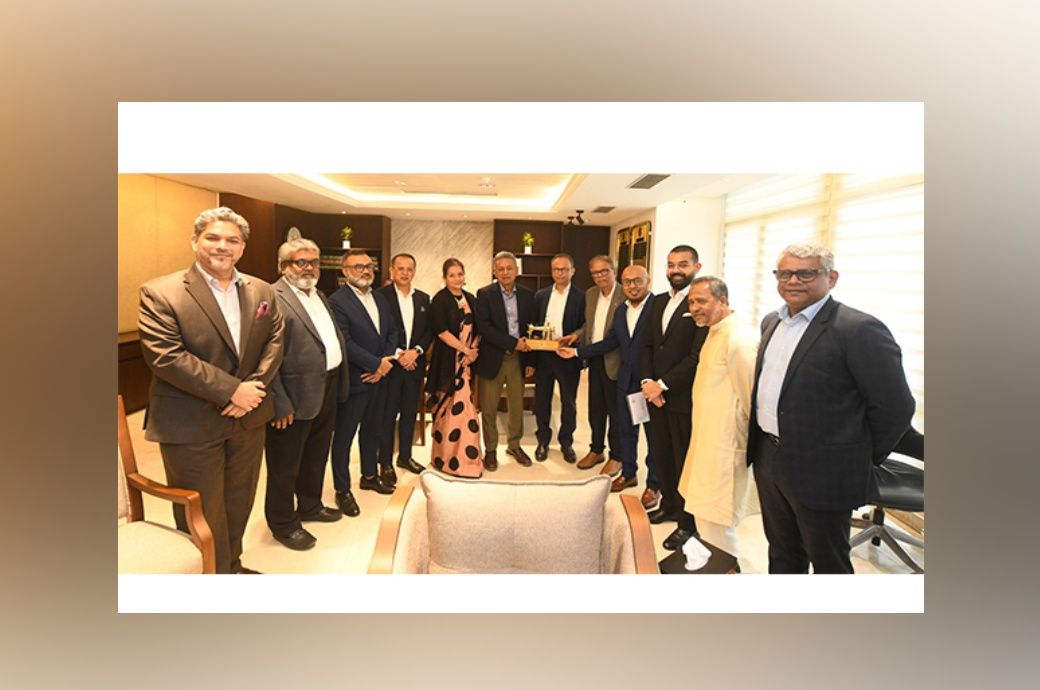
Bangladesh trade body BGMEA representatives recently met Finance Minister Amir Khasru Mahmud Chowdhury and urged him to release pending cash incentives without waiting for quarterly release schedules and simplify the disbursement process.
They said bank audit procedures have stalled numerous applications.
They also raised concerns over loan rescheduling and working capital.
The authorities were requested to disburse incentives upon application submission instead of waiting for quarterly release schedules, according to a release from the trade body.
BGMEA vice president Mohammad Shihab Uddoja Chowdhury raised concerns over loan rescheduling and working capital. He said banks often reschedule loans to maintain non-performing loan ratios, but fail to provide the working capital factories need to resume operations.
He proposed that banks pair rescheduling with working capital support to create a win-win outcome, allowing factories to operate and repay loans. The finance minister agreed with the proposal.
BGMEA leaders also called for business facilitation and lower operational costs to help Bangladesh remain competitive in the global market. They sought policy support to remove obstacles in customs, ports and other administrative layers and to ensure an investment-friendly environment.
Fibre2Fashion News Desk (DS)

Bangladesh think tank Centre for Policy Dialogue has called for major reforms in business environment, tax collection, trade deals and FDI management, cautioning that the country’s post-election economic transition may be at risk without evidence-based decisions and strong accountability.
A CPD study identified ‘leaking revenue’ as the weakest area across all decision-making indicators.
Source link


MLS Power Rankings: Miami surge after comeback win

Billie Eilish crawls into her past with Justin Bieber
Brewdog: Bars close and hundreds lose jobs as beer firm sold in £33m deal

-
 Business6 days ago
Households set for lower energy bills amid price cap shake-up
-

 Entertainment1 week ago
Talking minerals and megawatts
-
 Business6 days ago
Lucid widely misses earnings expectations, forecasts continued EV growth in 2026
-

 Politics1 week ago
Supreme Court ruling angers Trump: Global tariffs to rise from 10% to 15%
-

 Sports1 week ago
South Africa thrash India by 76 runs in T20 World Cup Super 8 – SUCH TV
-
 Business1 week ago
Haryana Govt bars IDFC First Bank, AU Small Finance Bank over alleged Rs 590 crore fraud
-

 Sports7 days ago
Top 50 USMNT players of 2026, ranked by club form: USMNT Player Performance Index returns
-

 Sports1 week ago
Eileen Gu comments on Alysa Liu’s historic gold medal