

Business
Reserves to hit $18b by June | The Express Tribune

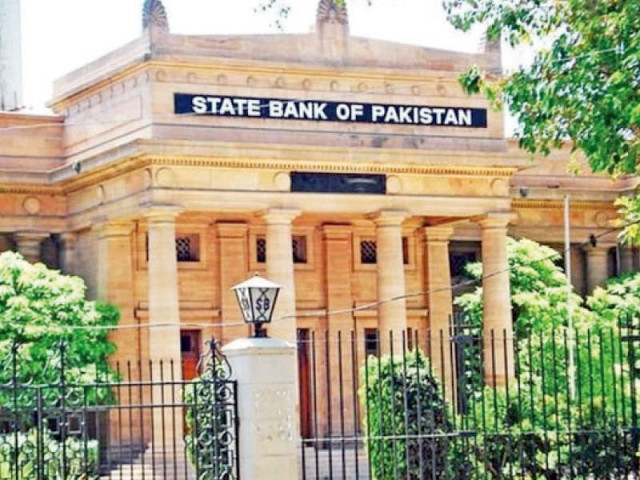
Pakistan’s current account deficit (CAD) declined 86% to $74 million in February compared $519mn in the same month last year, according to the State Bank of Pakistan.—File photo
KARACHI:
The State Bank of Pakistan (SBP) has anticipated that its foreign currency reserves will rise to $18 billion by the end of June 2026, providing nearly three months of import cover. It will increase further in the next fiscal year.
It made the forecast in its bi-annual Monetary Policy Report, released on Monday, as part of efforts to improve communication with external stakeholders and bring greater transparency to monetary policy decision-making. The report reviews the macroeconomic developments and outlook that guided the Monetary Policy Committee’s decisions since the publication of the August 2025 Monetary Policy Report.
The report noted that macroeconomic conditions and the outlook had improved, supported by a prudent monetary policy stance and continued fiscal consolidation.
Inflation is projected to remain within the 5-7% target range during most of FY26 and FY27, despite some near-term volatility. The current account deficit is forecast to remain contained at 0-1% of GDP in FY26, with a higher trade deficit expected to be partly offset by robust workers’ remittances and planned official inflows. “As a result, the SBP’s forex reserves are expected to rise to $18 billion by June,” it said.
According to the report, economic activity has strengthened, amidst ongoing macroeconomic stabilisation, ease in financial conditions and the recent reduction in the Cash Reserve Requirement to 5%. Accordingly, economic growth prospects have improved, and real GDP growth is now projected in the range of 3.75-4.75% for FY26 and is expected to increase further in FY27.
The Monetary Policy Report also underscored the evolving risks to the macroeconomic outlook. While the risk of widespread impact from recent floods has receded, uncertainty from global tariff-related developments persists, alongside volatility in global commodity prices.
Domestically, challenges from below-target revenue collection and the impact of potential adverse climate events remain sources of vulnerability for the outlook of inflation, external account and GDP growth. “In this context, it is important to speed up progress on structural reforms to increase the economy’s resilience to adverse shocks and to improve productivity and plug losses of state-owned enterprises.”
The report features four box items that discuss key macroeconomic concepts related to the monetary policy. One box provides an update about the monetary policy transmission mechanism in light of the sizable earlier reduction in policy rate from June 2024 onwards and the transmission lag of six to eight quarters.
Another box explains the use of heat maps as an alternative tool for gauging the level of economic activity by consolidating signals from multiple indicators across different sectors into a single visual summary.


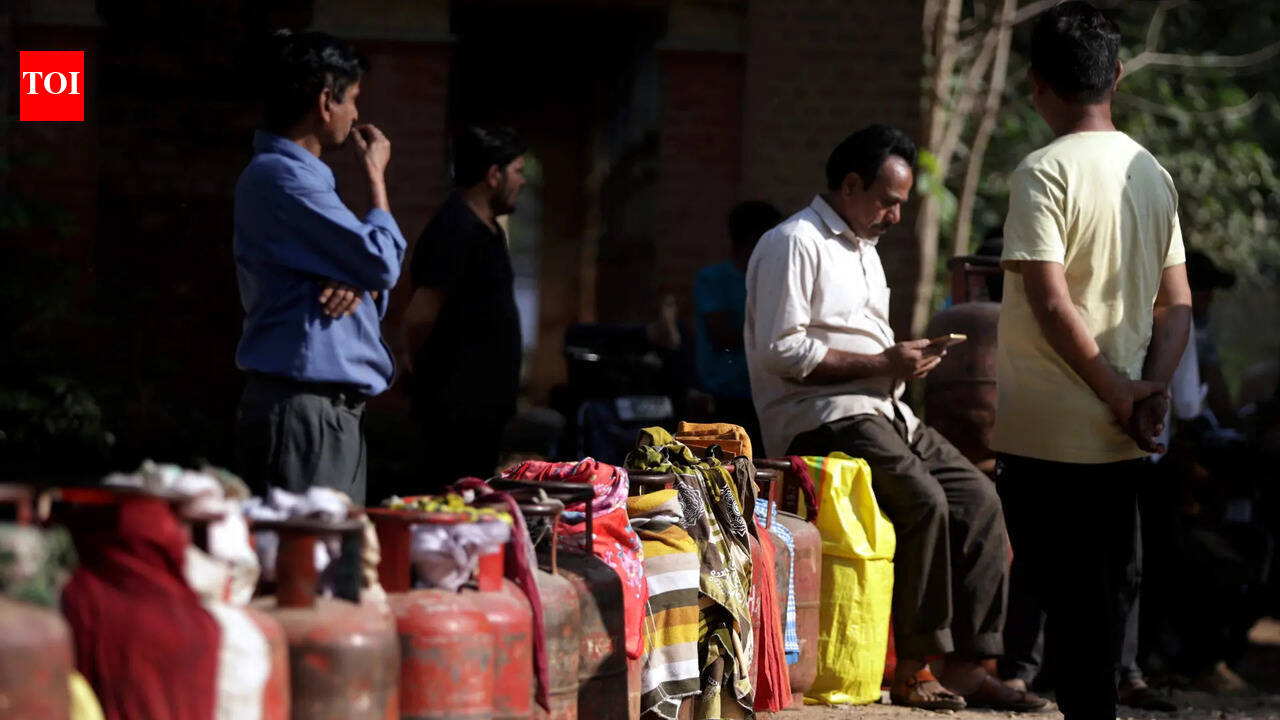
MUMBAI/BENGALURU: The restaurant industry is struggling to run regular operations due to the meagre supplies of LPG cylinders . With the govt’s move to hike commercial LPG allocation to up to 70%, it will take some time before the measure actually translates into sustained supply, executives said. “Supply is still hugely limited and erratic. A feeling of uncertainty looms large,” said Anurag Katriar, founder at Indigo Hospitality. The key question is how quickly this revised allocation will translate into on-ground availability, said Pradeep Shetty, vice-president at Federation of Hotel & Restaurant Associations of India (FHRAI).A walk along Indiranagar’s 12th Main, known for its cluster of independent restaurants, reflects the strain. “It is all hand-to-mouth at this point,” said Nikhil Gupta, who runs brands including The Pizza Bakery and Paris Panini . The move doesn’t directly help the restaurant sector which is still getting 20%-30% of LPG supplies, said Sagar Daryani, co-founder & CEO at Wow! Momo Foods and president at National Restaurant Association of India (NRAI). State-wise, the supply situation varies with some such as Maharashtra, Karnataka, Rajasthan restricting allocation for restaurants, hurting the sector , Daryani said.
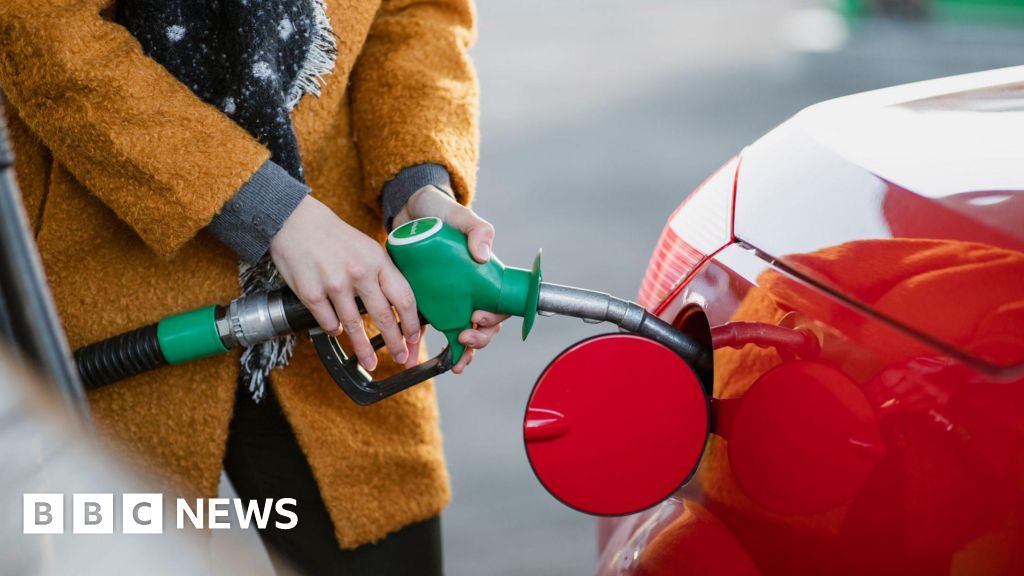
Motorists are facing higher fuel prices ahead of Easter break due to the conflict in the Middle East, the RAC says.
Source link
Business
E-cheques coming soon? RBI unveils Payments Vision 2028, plans wider oversight of digital players – The Times of India
The Reserve Bank of India (RBI) on Friday unveiled its ‘Payments Vision 2028’ document, outlining a roadmap that includes exploring electronic cheques, expanding regulatory oversight to digital platforms, and strengthening safeguards in the fast-growing payments ecosystem, PTI reported.The central bank said it will examine the introduction of e-cheques to combine the advantages of paper instruments with the speed and reliability of digital payments. “To leverage the unique benefits of paper-based instruments and the speed and reliability of electronic payments, and cater to new business use cases, the introduction of electronic cheques in India shall be explored,” the RBI said.Alongside, the RBI is considering widening the regulatory ambit to include entities such as e-commerce marketplaces and centralised platforms that play a growing role in facilitating digital transactions.“In addition, e-commerce marketplaces and centralized platforms have been assuming significant responsibilities that could have implications on the orderly functioning of the payments ecosystem. These aspects shall be examined in detail and, if required, the scope of direct regulations shall be extended to cover such entities,” the document said.The vision document also proposes allowing users to enable or disable transactions across digital payment modes, similar to controls available for card transactions.To address fraud risks, the RBI is exploring a “shared responsibility framework” under which both the issuing bank and the beneficiary bank would share liability in cases of unauthorised digital transactions.The central bank also plans to review cheque design and security features, introduce a Domestic Legal Entity Identifier (DLEI) framework for better transaction traceability, and bring in a Cyber Key Risk Indicators (KRI) framework for non-bank payment system operators.Other initiatives include exploring white-label solutions in the Aadhaar Enabled Payment System (AePS), developing interoperability in the Trade Receivables e-Discounting System (TReDS), and introducing a ‘Payments Switching Service’ to ease customer migration across platforms.The RBI said it will also review the cross-border payments ecosystem to improve efficiency and streamline authorisation processes, alongside publishing periodic reports on global and domestic payment trends.Additionally, the central bank aims to enhance access to payment data and reimagine the card payments ecosystem by promoting secure tokenisation, improved transparency in pricing, and greater choice for users and merchants.


EU apparel imports slump 15.48% YoY in Jan; Bangladesh hardest hit

EU gains meet a harsh reality in India: War, rupee, energy shock

Tiger Woods arrested, charged with DUI after Florida crash: police

-
 Business1 week ago
Flipkart group CFO to leave co amid IPO plans – The Times of India
-
 Business1 week ago
Video: The Effects of High Oil Prices
-

 Fashion7 days ago
China’s textile & apparel exports surge 17% to $50 bn in Jan-Feb 2026
-

 Sports1 week ago
Rating Adidas’ 2026 World Cup away shirts: Argentina, Spain, Mexico and more
-

 Fashion1 week ago
The hidden $1.62 war tax now embedded in every garment you source
-

 Sports1 week ago
American Conference Commissioner Tim Pernetti thanks Trump for Army-Navy game executive order
-
Tech1 week ago
The Corsair 4000D RS PC Case Keeps Your System Cool
-

 Tech1 week ago
‘Uncanny Valley’: Nvidia’s ‘Super Bowl of AI,’ Tesla Disappoints, and Meta’s VR Metaverse ‘Shutdown’