

Business
RFK Jr.’s vaccine panel weakens recommendation on hepatitis B shot for babies, scrapping universal guidance


Health and Human Services Secretary Robert F. Kennedy Jr.’s handpicked vaccine committee voted on Friday to do away with the long-standing, universal recommendation that all babies receive a hepatitis B shot at birth, issuing weaker guidance for certain infants.
The group, called the Advisory Committee on Immunization Practices, or ACIP, recommended that parents use individual decision-making in consultation with a health-care provider to determine when or if to give the hepatitis B birth dose to a baby whose mother tested negative for the virus. For babies who don’t receive the birth dose, the committee recommended that they wait to receive a first vaccine until they are at least 2 months old.
The acting director of the Centers for Disease Control and Prevention still has to sign off on that new recommendation. The CDC currently recommends that every baby get vaccinated against hepatitis B within 24 hours of birth, regardless of their mother’s testing status.
The move overturns that guidance, which has been credited with driving down infections in children by 99% since it was first introduced three decades ago and is widely considered to be a public health success story. Some committee members and public health experts warn that the change could have wide-ranging consequences, such as an increase in infections among kids.
The vote only affects the timing of the first dose of the hepatitis B vaccine series. The second would still be given one to two months after birth, with a third dose between 6 and 18 months of age.
All pregnant people are supposed to be tested for hepatitis B during pregnancy. During previous meetings, some advisors questioned the need for babies to receive a shot if their mothers test negative.
But test results can produce false negatives, some people become infected later in pregnancy after being tested and babies can get infected by other members of their household.
The panel’s closely watched two-day meeting in Atlanta comes after Kennedy gutted the committee and appointed 12 new members, including some well-known vaccine critics. ACIP sets recommendations on who should receive certain shots and which vaccines insurers must cover at no cost.
Eight members voted yes, while three voted no. Some advisors strongly pushed back on the new guidance ahead of the vote.
“This has a great potential to cause harm, and I hope that the committee accepts the responsibility when this harm is caused,” said Dr. Joseph Hibbeln, psychiatrist and voting member.
Dr. Cody Meissner, voting member and professor of pediatrics at the Dartmouth Geisel School of Medicine, said he hopes that pediatricians will continue to administer the birth dose within the first 24 hours of delivery and before discharge from the hospital.
“To follow any other course is not in the interest of infants,” he said.
Meissner added that more children will be injured and will catch hepatitis B infections. Hepatitis B, which can be passed from mother to baby during childbirth, can lead to liver disease and early death. Infants are more vulnerable to developing chronic hepatitis B infections, which have no cure.
“We will see hepatitis B come back,” he said. “The vaccine is so effective. It does not make sense in my mind to change the immunization schedule.”
In a statement Friday, the American Medical Association said the vote is “reckless and undermines decades of public confidence in a proven, lifesaving vaccine.” The group added that the decision was not based on scientific evidence and “creates confusion for parents about how best to protect their newborns.”
Meanwhile, Retsef Levi, a voting member and Massachusetts Institute of Technology professor, falsely claimed during meetings that experts have “never tested” the hepatitis B vaccine “appropriately.”
Some committee members raised concerns about vaccinating during the so-called neonatal period, which is a critical window of development for the brain and immune system. But decades of evidence show that the hepatitis B shot has been safely administered to newborns.
Other advisors said there is no evidence supporting the two-month delay to the birth dose.
“We have to make decisions with the data that we have, and we must use only the credible data to make the decisions, and not speculations and not hypotheses,” said Hibbeln.
A 2024 CDC study showed that the current vaccination schedule has helped prevent more than 6 million hepatitis B infections and nearly 1 million hepatitis B-related hospitalizations.
Merck and GSK manufacture the hepatitis B vaccines used starting at birth. Neither of the shots are significant revenue drivers for the companies, so the new recommendations should not have a material impact on their businesses.
Still, Merck said in a statement Friday that it is “deeply concerned” by the vote, which it said risks “reversing this progress and puts infants at unnecessary risk of chronic infection, liver cancer and even death.” The company added that “there is no evidence delaying it provides any benefit to children.”
In a statement, GSK said, “we await additional information and an official adoption of today’s recommendations by CDC to fully understand the potential impact.”
The panel’s vote will not affect insurance coverage for the shots, including under Medicaid and the Children’s Health Insurance Program, Andrew Johnson, principal policy analyst for the Centers for Medicare and Medicaid, told the members during the meeting.




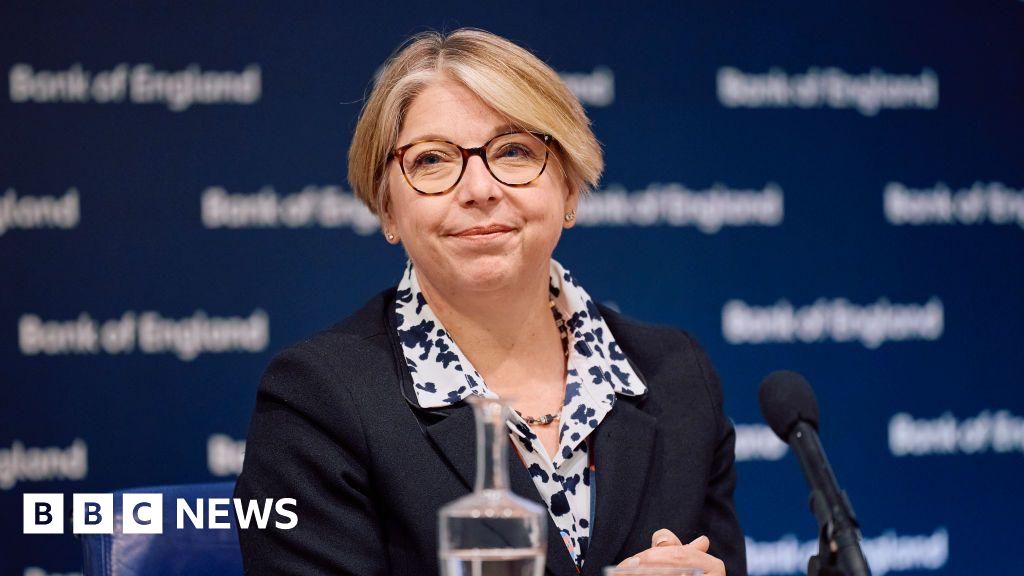
It is unusual for a senior figure at the Bank to be so forthright on market movements.
Source link

People walk past a Nike store in New York City, on April 2, 2025.
Kylie Cooper | Reuters
Nike announced a new round of layoffs Thursday affecting approximately 1,400 employees across the organization, mostly concentrated in its technology department.
In a note from COO Venkatesh Alagirisamy, the company said the layoffs were part of Nike’s broader “Win Now” turnaround strategy aiming to reshape its technology team, modernize its Air manufacturing, move some of its Converse Footwear operations and integrate its materials supply chain work into its footwear and apparel supply chain teams.
“Collectively, these changes will result in a reduction of approximately 1,400 roles in global operations, with the majority in technology,” Alagirisamy wrote. “These reductions are very hard for the teammates directly affected and for the teams around them, too.”
A Nike spokesperson said the layoffs are about better positioning the organization for the current pace of sports and accelerating its growth. The layoffs affect employees across North America, Asia and Europe and represent less than 2% of the company’s total global head count.
“This is not a new direction,” Alagirisamy wrote. “It is the next phase of the work already underway.”
Affected employees will be notified beginning Thursday, Nike added.
CEO Elliott Hill has been working to turn Nike around after years of slumping sales. While Hill has made some initial progress, it’s come with some bumps in the road.
Nike announced 775 job cuts in January, primarily at its U.S.-based distribution centers, due to the company’s work in accelerating its use of automation. At the time, the company said the cuts are part of Nike’s goal to return to “long-term, profitable growth.”
Those layoffs came on top of a round of cuts last summer that affected less than 1% of Nike’s corporate staff as part of the company’s efforts to realign the business.
In its third fiscal quarter earnings report last month, the retailer warned that sales will continue to fall for the rest of the year, primarily led by an anticipated 20% decline in China during the current quarter.
— CNBC’s Jessica Golden contributed to this report.
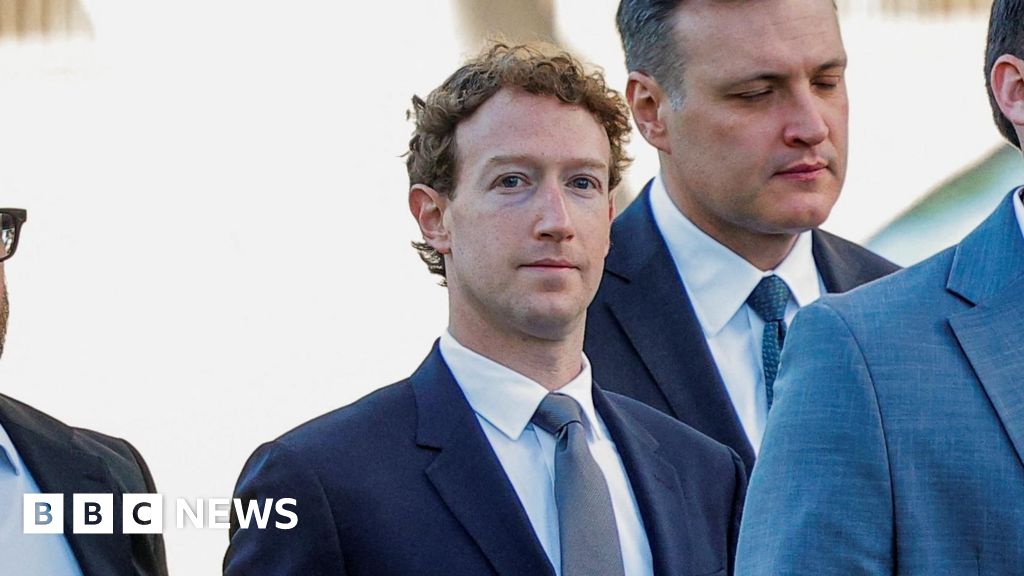
A key reason for the layoffs is Meta’s increased spending in other areas of the company, including AI, for which it will this year spend $135bn (£100bn). This is roughly equal to the amount it has spent on AI in the previous three years combined, according to a person who viewed the memo.


US Special Forces Soldier Arrested for Polymarket Bets on Maduro Raid
Global stock markets are too high and set to fall, says Bank of England deputy

Newly Deciphered Sabotage Malware May Have Targeted Iran’s Nuclear Program—and Predates Stuxnet

-

 Fashion1 week ago
France’s LVMH Q1 revenue falls 6%, shows resilience amid Iran war
-

 Entertainment1 week ago
Is Claude down? Here’s why users are seeing errors
-

 Sports1 week ago
PSL 11: Peshawar Zalmi win toss, opt to field first against Quetta Gladiators
-

 Tech1 week ago
The Deepfake Nudes Crisis in Schools Is Much Worse Than You Thought
-
 Business1 week ago
Standard Life buys rival in £2b deal to create savings giant
-

 Tech1 week ago
CYBERUK ’26: UK lagging on legal protections for cyber pros | Computer Weekly
-

 Fashion1 week ago
Raymond unveils luxury Chairman’s Collection Store in Mumbai
-
 Business1 week ago
PepsiCo earnings beat estimates as North American food business improves