

Business
Russian oil inflows to India rise 50% as Middle East conflict stalls Hormuz shipments – The Times of India

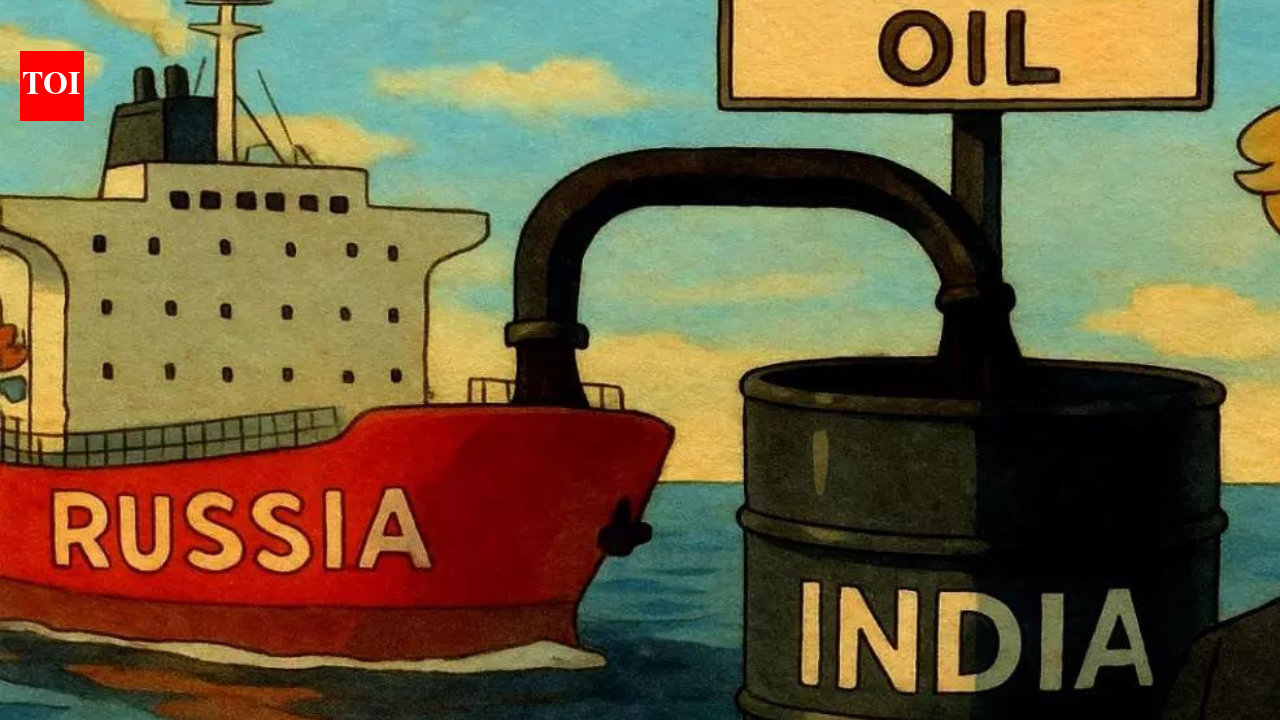
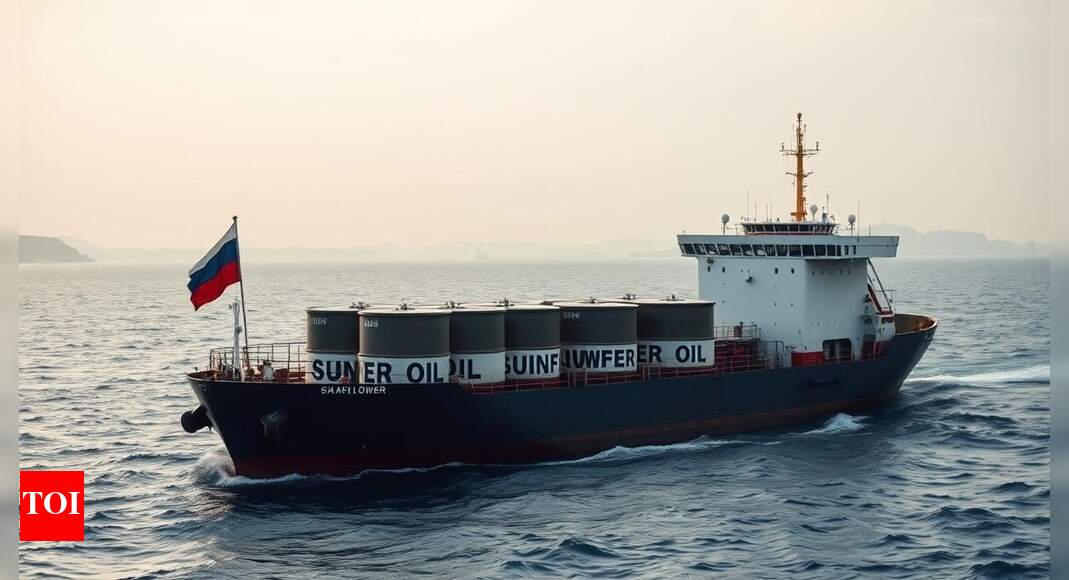
India’s purchases of Russian crude have surged about 50% in March as refiners move to secure alternative supplies amid disruptions to shipments from the Middle East due to the widening military conflict. Ship-tracking data showed imports rising to around 1.5 million barrels per day this month from 1.04 million bpd in February.India–the world’s third-largest crude importer — meets about 88% of its oil needs through imports. The country consumes nearly 5.8 million barrels per day, with 2.5-2.7 million barrels traditionally sourced from Middle East producers such as Saudi Arabia, Iraq and the UAE through the Strait of Hormuz, PTI reported.
The chokepoint also handles roughly 55% of India’s cooking gas (LPG) imports and 30% of liquefied natural gas supplies used for power generation, fertilisers, CNG and household consumption. With shipments through the strait largely disrupted, refiners have increasingly turned to Russian barrels to plug supply gaps.“India was expected to import around 2.6 million barrels per day of crude via the Strait of Hormuz in March. At the same time, we are seeing a notable pickup in Russian barrels.“Based on vessel tracking and credible market sources, incremental Russian crude imports in March could reach 1-1.2 million bpd (over and above the February volumes), which means the effective shortfall from Hormuz exposure narrows to around 1.6 million bpd,” said Sumit Ritolia, analyst at Kpler, quoted PTI.India’s refining sector has also helped cushion supply concerns. Net refined product exports averaged about 1.1 million bpd in 2025, and companies have intensified efforts to diversify crude sourcing from alternative suppliers.“Crude supply risk can be partially mitigated through diversification, and Russia flows. Refined product supply remains relatively comfortable,” Ritolia said, adding that LPG availability remains the key variable to watch in the coming weeks.India consumes nearly 1 million bpd of LPG, of which only 40-45% is produced domestically while the remaining 55-60% is imported. Around 80-90% of these imports typically transit through the Strait of Hormuz, making the supply chain particularly vulnerable to disruptions in the region.“Refineries can optimise LPG output by shifting feedstocks away from petrochemical production toward LPG recovery and by adjusting unit operations to maximise LPG yields,” he said. “That said, such optimisation can only provide marginal incremental supply and cannot materially reduce India’s reliance on LPG imports.”Even if domestic output rises by 10-20% through such optimisation, supply would still meet only about 47-50% of total demand, leaving a sizeable gap that must be bridged through imports. Ritolia noted that sourcing LPG from suppliers outside the Middle East is possible but involves longer voyage times, slowing replacement of disrupted cargoes.“The Strait of Hormuz is also a critical route for global LPG trade, and any disruption in the area immediately raises risks for LPG supply and shipping flows.“A large share of LPG exports from the Middle East — particularly from Qatar, Saudi Arabia and the UAE — passes through Hormuz, making the chokepoint vital for Asian importers,” he said. “India is one of the world’s largest LPG importers and relies heavily on Middle Eastern supply, meaning any disruption in the region could tighten availability for the country.”India’s LPG consumption is estimated at about 900-1000 kilo bpd, of which roughly 600 kbd is imported. Of these imports, nearly 80-90% originate from the Middle East, underscoring the strategic sensitivity of energy flows through the Hormuz corridor.
Last Updated:
HOCL said the disruption stems from a Government of India directive requiring public sector oil companies to channel LPG supplies exclusively toward domestic consumers.




HOCL cautioned that a prolonged LPG shortage could result in significant production losses.
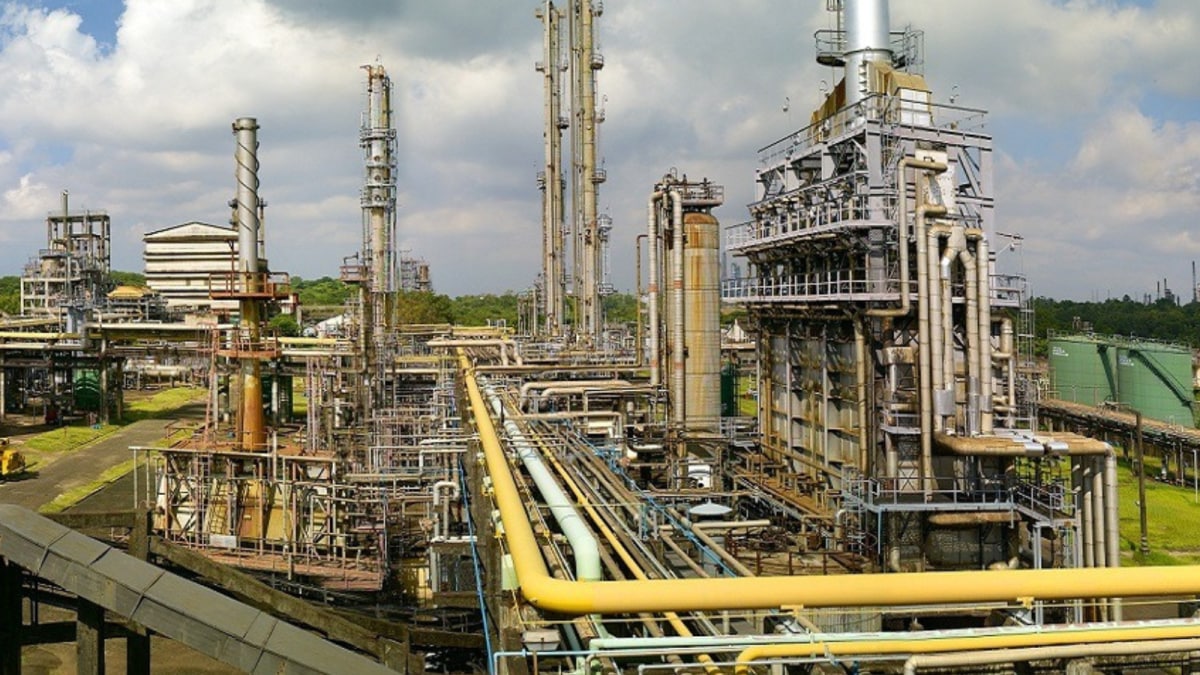
Hindustan Organic Chemicals Ltd (HOCL) said it has been forced to reduce production at its Kochi manufacturing facility after a disruption in bulk liquefied petroleum gas supply from Bharat Petroleum Corporation Ltd (BPCL)- the latest industrial casualty of a government directive prioritising domestic LPG consumers amid tightening supply conditions.
Read more: Gas Stations Shut In Bengaluru, 75% Drop In Hyderabad: How Cities Are Coping With LPG Crisis Today
In a regulatory filing, HOCL said the disruption stems from a Government of India directive requiring public sector oil companies to channel LPG supplies exclusively toward domestic consumers. Acting on the directive, BPCL- which supplies bulk LPG to HOCL under an existing agreement- informed the chemical manufacturer that a force majeure event had occurred, effectively suspending its supply obligations.
Read more: ‘Massacre Of Girls’: Italian PM Meloni Condemns Deadly Iran School Strike
Buffer Stock Running Out
HOCL warned that its LPG buffer stock at the Kochi facility- its sole manufacturing unit- would be exhausted by Monday evening. In response, the company has already reduced the production load at its Phenol and Cumene plants and said it would temporarily shut down its PRU unit the same day. If supplies do not resume, other downstream units are expected to follow within two days. The Kochi plant manufactures phenol, acetone and hydrogen peroxide. The company said its hydrogen peroxide plant would continue to operate normally despite the supply disruption.
Read more: ‘Don’t Panic, Don’t Hoard’: Centre To Ensure 100% Domestic LPG Supply Amid West Asia Crisis
Warning Of Cascading Costs
HOCL cautioned that a prolonged LPG shortage could result in significant production losses, as well as additional costs associated with safely shutting down and subsequently restarting plant operations- expenses that could weigh on the company’s financials if the situation is not resolved quickly.
Delhi, India, India
March 11, 2026, 18:21 IST
Read More
Business
Govt says crude oil supplies secure, LPG distribution prioritised for households – The Times of India
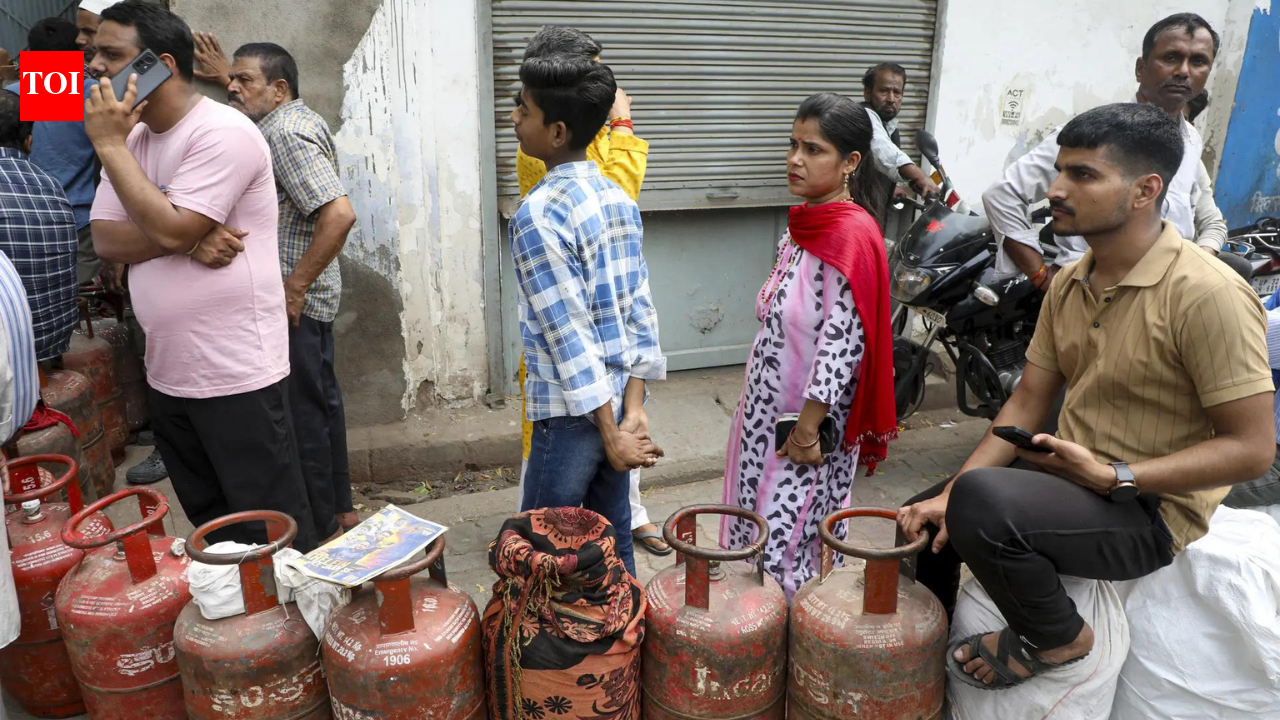
The government on Wednesday said India’s crude oil supplies remain secure and urged consumers not to panic over LPG availability, noting that steps have been taken to ensure fair distribution amid geopolitical disruptions.Sujata Sharma, Joint Secretary (Marketing & Oil Refinery) in the Ministry of Petroleum and Natural Gas, said domestic LPG supplies are currently being prioritised, ANI quoted . “Currently, LPG is being directed to the domestic sector. For non-domestic LPG, priority is being given to essential sectors such as hospitals and educational institutions. The committee is consulting with state authorities and industry bodies to finalise the plan to ensure that available LPG is distributed fairly and transparently,” she said.“Our gas companies have procured LNG cargos from new sources. Two LNG cargos are on their way to India,” Sujata Sharma added.The ministry oficial also said there is no need for panic booking of LPG cylinders as the normal delivery cycle for domestic households remains about 2.5 days. It added that government measures have resulted in a 25 per cent increase in LPG production.Officials further noted that crude oil is being sourced through routes other than the Strait of Hormuz, and overall supplies are now more secure than the volumes that were earlier disrupted, according to the ministry.
Business
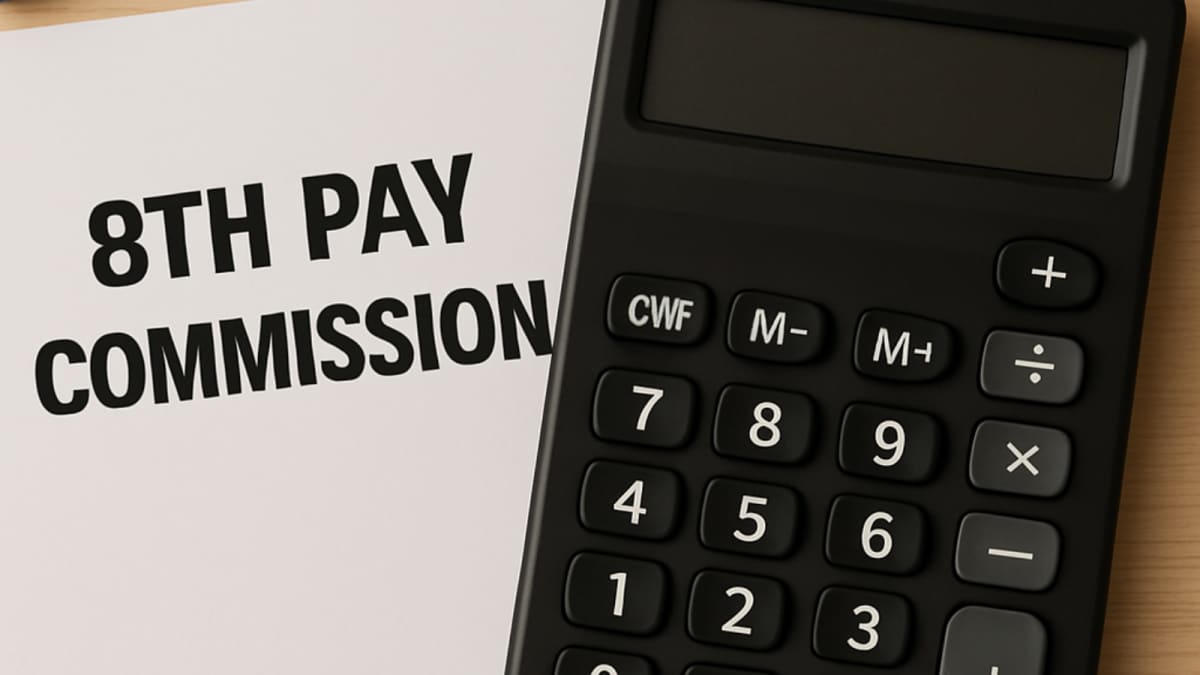
8th Pay Commission: How Much Will Central Govt Employees’ Salaries Rise? What We Know So Far
Last Updated:
The government has begun consultations for the 8th CPC to review salaries, pensions, and allowances for central employees and retirees. Suggestions are open until April 30.
8th Pay Commission.
8th Pay Commission: The government has started the consultation process for the 8th Central Pay Commission, which will review salaries, pensions and allowances for millions of central government employees and retirees.
The Ministry of Finance has invited suggestions from employees, pensioners, staff unions and other stakeholders as part of the exercise. Inputs can be submitted through an online portal until April 30, 2026.
The Terms of Reference for the commission were notified on November 3, 2025, and the panel has been given 18 months to submit its recommendations. Once the report is submitted and approved by the government, it could lead to a revision in pay structures and pension benefits.
The proposed revision is expected to affect around 50 lakh central government employees and nearly 69 lakh pensioners.
What Is The 8th Pay Commission?
Pay commissions are constituted periodically by the government to review the salary structure of central government employees and recommend changes based on inflation, economic conditions and fiscal capacity.
India’s first pay commission was set up in 1946, and since then seven such panels have revised pay and allowances.
Under the 7th Pay Commission, implemented in 2016, the minimum basic salary of central government employees was increased to Rs 18,000 per month, while the maximum basic salary was fixed at Rs 2.5 lakh.
How Salaries Have Changed Over Time
Each pay commission has significantly revised government salaries over the decades.
The 1st Pay Commission (1946-47) fixed the minimum basic salary at Rs 55, while the maximum salary was Rs 2,000.
The 2nd Pay Commission (1957-59) raised the minimum salary to Rs 80, with the maximum reaching Rs 3,000.
The 3rd Pay Commission (1972-73) increased the minimum pay to Rs 196, while the maximum salary was set at Rs 3,500.
The 4th Pay Commission (1986) raised the minimum basic salary to Rs 750 and the maximum to Rs 8,000.
Under the 5th Pay Commission (1996), the minimum salary increased to Rs 2,550, while the maximum rose to Rs 26,000.
The 6th Pay Commission (2006) pushed the minimum basic pay to Rs 7,000, with the maximum salary reaching Rs 80,000.
Finally, the 7th Pay Commission (2016) raised the minimum basic salary to Rs 18,000 and the maximum basic pay to Rs 2.5 lakh.
Will Minimum Salary Rise To Rs 46,000?
There has been speculation that the minimum basic salary could rise significantly under the 8th Pay Commission, depending on the fitment factor used to revise pay.
Some estimates suggest that if the fitment factor is set at a higher level, the minimum basic salary could increase substantially from the current Rs 18,000, potentially crossing Rs 40,000.
However, government officials have clarified that no final decision has been taken on the revised pay levels.
Long Process Before Pay Hike
The government has also said that financial provisions for implementing the new pay structure will only be made after the commission submits its report and the recommendations are approved.
For now, the consultation phase marks the first step in what is expected to be a lengthy process before any changes in salaries or pensions are implemented.
March 11, 2026, 16:34 IST
Read More


Caleb Holt, No. 4 recruit in 2026 SC Next 100, picks Arizona

Duchess Sophie, Prince Edward light up Paralympic village with love, support

Tracking the latest men’s college basketball coaching carousel buzz

-

 Sports5 days ago
Pakistan set for FIH Pro League debut | The Express Tribune
-

 Politics4 days ago
India let Iran warship dock the day US sank another off Sri Lanka, say officials
-
 Business4 days ago
Restaurant group changes name after bid to buys pubs across the UK
-

 Entertainment4 days ago
Harry Styles kicks off new era with ‘One Night Only’ comeback show
-
 Business5 days ago
Home heating oil: ‘Most of my pension has gone on home heating oil’
-

 Sports5 days ago
Winners and losers of the 2026 NHL trade deadline
-

 Entertainment5 days ago
Kanye ‘Ye’ West trips during trial: ‘Is he asleep?’
-

 Tech1 week ago
Google’s Pixel 10a May Not Be Exciting, but It’s Still an Unbeatable Value