

Fashion
Saks bonds worth just 1 cent hand hedge funds a painful lesson

By
Bloomberg
Published
January 16, 2026
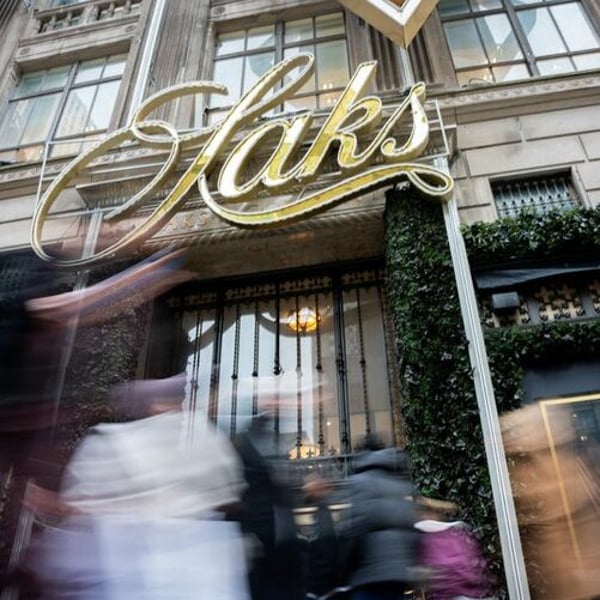
At first glance, Saks looked like exactly the kind of mess hedge funds love. Just months after the company borrowed $2.2 billion to finance its takeover of rival Neiman Marcus, the newly formed luxury retail powerhouse was already running short on cash. Creditors spooked by the pace of the slide rushed for the exits, offering the bonds for less than 40 cents on the dollar.
Bargain hunting hedge funds gleefully took the debt off their hands. This was, after all, a marquee name with valuable brands, prime real estate, big-name backers, and a business that executives said just needed a bit more time to steady itself. Firms including Pentwater Capital Management and Bracebridge Capital jumped in, chasing the promise of eye-popping returns.
Much is still to be determined in the wake of Saks’ bankruptcy this week, including any recovery for its creditors. Yet in the meantime, the episode is shaping up to be a painful lesson in the dangers of trying to catch a falling knife. The bonds that distressed-debt shops snapped up on the cheap are now being bid at less than 1 cent, according to broker runs. The hundreds of millions in extra financing they provided, which sits higher in the repayment pecking order, isn’t faring much better, changing hands around 10 cents.
Through Saks’ Chapter 11 filing, a clearer picture has emerged of a company that quickly veered off plan. Targets were missed, savings failed to materialise, cash drained at a rapid clip, and fixes meant to stop the bleeding never did. Bonds with roughly $486 million of face value held by Pentwater are now quoted at pennies on the dollar, as are about $257 million held by Bracebridge.
“This was a ticking time bomb, and the fuse was lit the day the merger was consummated,” said Mark Cohen, the former director of retail studies at Columbia Business School. “I’ve never seen anything go bad this fast; I don’t know that anyone has.”
A representative for Saks declined to comment beyond the company’s bankruptcy filing. Pentwater and Bracebridge declined to comment. Even after the staggering declines, Saks’ biggest creditors aren’t ready to throw in the towel.
In its bankruptcy filing, the company said it had secured roughly $1.75 billion in post-petition financing, including $1.5 billion from a group of senior secured bondholders betting a second act could yet salvage the retailer- and their own fortunes, possibly by converting battered debt positions into significant equity stakes.
Some will also collect fees for helping arrange the financing. What’s more, the structure of the post-bankruptcy financing Saks has lined up could allow certain debtholders to realise better returns on the company’s outstanding bonds than where they’re currently trading, some investors suggested.
Pentwater and Bracebridge are among those putting up more money, according to people with knowledge of the matter.
Whether it’s enough to turn around a company that burned through more cash than it generated last year remains to be seen. Perennially late payments have “damaged trust” with Saks’ suppliers, the retailer said in bankruptcy documents, and while new management is working to repair those relationships, some vendors may decide to take their business elsewhere.
The company is also facing stiff objections from unsecured creditors, including Amazon.com Inc., that are seeking to block access to the new financing package. The tech giant, which previously acquired a $475 million preferred equity stake in the luxury retailer, recently called its investment in Saks “presumptively worthless.” Other equity holders including Rhone Capital and Insight Partners also suffered significant losses, separate people familiar with the situation said.
Representatives for Amazon and Insight Partners didn’t respond to requests for comment. Rhone Capital declined to comment.
Some investors who opted not to participate in the latest debtor-in-possession financing were concerned that the rescue could echo other recent misfires. They pointed to First Brands Group, the bankrupt auto-parts supplier whose lenders put up more than $1 billion post bankruptcy, only to watch their super-senior bonds crater in value as the company burned through the cash and signalled it would need even more money.
With rescue financing, “you get a lot of structuring fees, an above-market interest rate, liens on the best collateral, an equity cushion below you, with the added upside that you’re in control as the restructuring process plays out,” said Rishi Goel, the global head of distressed debt at Aegon Asset Management.
“But it’s got to be structured correctly. The equity value below you has to be real,” Goel said. “If you’re misled, or the business is worth less than you thought or becomes worse than you thought, the value can dry up quickly.”
For now, Saks has said that stores under all its brands are open. A number of creditors say they are confident that new management, led by former Neiman Marcus Chief Executive Officer Geoffroy van Raemdonck, can steer the company through bankruptcy and, once it emerges, make its portfolio of luxury department stores profitable.
Not everyone is convinced. “The rationale for putting these two businesses together made no sense form the get go, and it’s hard to believe that these deep-pocketed masters of the universe fell for it,” Cohen said.












“We designed this collection with parents in mind. Shopping for a newborn, as a gift or for your own, should feel joyful and easy. Everything is intended to be mixed together and matched — it’s fun, it’s emotional, and the value is incredible.”. – Sarah Holme, Head of Design & Product Development for Old Navy.
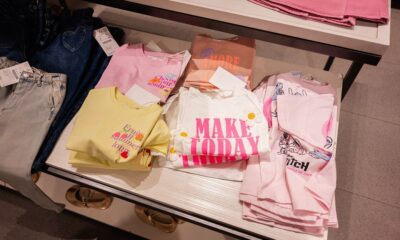
Old Navy has introduced Little Navy, a new collection of newborn essentials designed to simplify early-stage shopping and gifting.
The range includes layettes, hats, booties and mix-and-match basics in soft, seasonless colours and cosy fabrics.
Sized for babies up to 24 months, the line focuses on comfort, versatility, emotional appeal and strong value for modern parents.
Little Navy goes beyond onesies, offering layettes, hats, booties, and more, all in one convenient collection and no extra searching required. It features a soft, seasonless color palette, cozy fabrics, and versatile styles made for newborns and babies up to 24 months, with sizing that allows Little Navy to grow with baby.
Note: The headline, insights, and image of this press release may have been refined by the Fibre2Fashion staff; the rest of the content remains unchanged.
Fibre2Fashion News Desk (RM)
They said bank audit procedures have stalled numerous applications. Around Tk 57 billion in incentives for the textile and apparel sector remain unsettled in fiscal 2025-26, creating acute liquidity pressure and affecting exports.
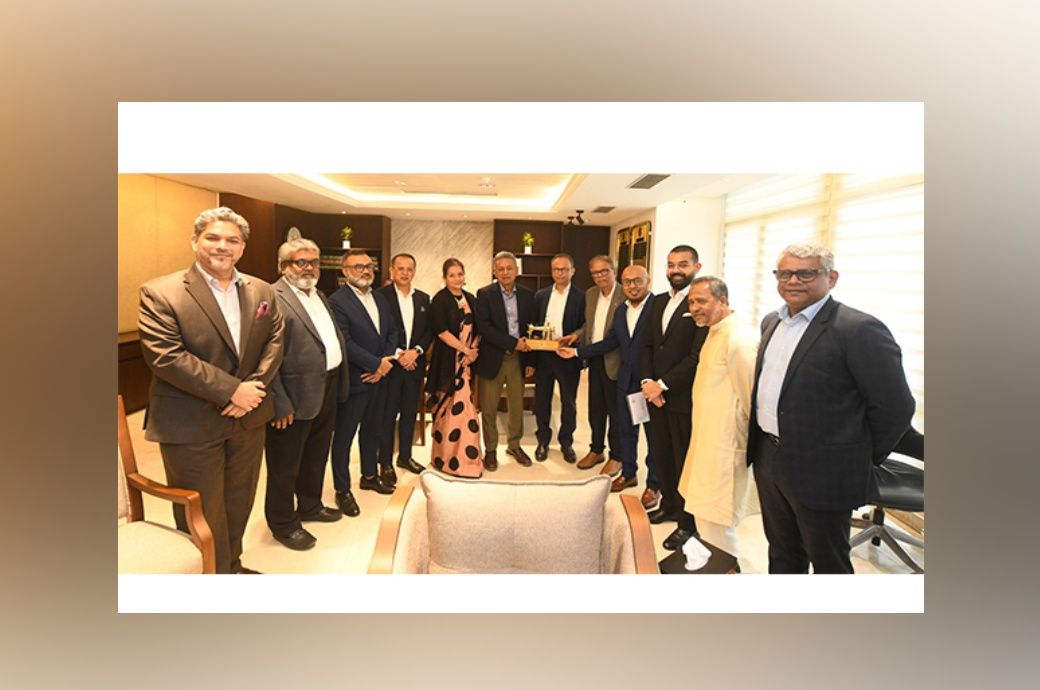
Bangladesh trade body BGMEA representatives recently met Finance Minister Amir Khasru Mahmud Chowdhury and urged him to release pending cash incentives without waiting for quarterly release schedules and simplify the disbursement process.
They said bank audit procedures have stalled numerous applications.
They also raised concerns over loan rescheduling and working capital.
The authorities were requested to disburse incentives upon application submission instead of waiting for quarterly release schedules, according to a release from the trade body.
BGMEA vice president Mohammad Shihab Uddoja Chowdhury raised concerns over loan rescheduling and working capital. He said banks often reschedule loans to maintain non-performing loan ratios, but fail to provide the working capital factories need to resume operations.
He proposed that banks pair rescheduling with working capital support to create a win-win outcome, allowing factories to operate and repay loans. The finance minister agreed with the proposal.
BGMEA leaders also called for business facilitation and lower operational costs to help Bangladesh remain competitive in the global market. They sought policy support to remove obstacles in customs, ports and other administrative layers and to ensure an investment-friendly environment.
Fibre2Fashion News Desk (DS)

Bangladesh think tank Centre for Policy Dialogue has called for major reforms in business environment, tax collection, trade deals and FDI management, cautioning that the country’s post-election economic transition may be at risk without evidence-based decisions and strong accountability.
A CPD study identified ‘leaking revenue’ as the weakest area across all decision-making indicators.
Source link


Billie Eilish crawls into her past with Justin Bieber

Attacks on GPS Spike Amid US and Israeli War on Iran

Most vs. least predictable men’s conference tournaments

-

 Politics1 week ago
Pakistan carries out precision strikes on seven militant hideouts in Afghanistan
-

 Tech1 week ago
These Cheap Noise-Cancelling Sony Headphones Are Even Cheaper Right Now
-
 Business6 days ago
Households set for lower energy bills amid price cap shake-up
-

 Entertainment1 week ago
Talking minerals and megawatts
-
 Business6 days ago
Lucid widely misses earnings expectations, forecasts continued EV growth in 2026
-

 Sports1 week ago
South Africa thrash India by 76 runs in T20 World Cup Super 8 – SUCH TV
-
 Business1 week ago
Haryana Govt bars IDFC First Bank, AU Small Finance Bank over alleged Rs 590 crore fraud
-

 Sports7 days ago
Top 50 USMNT players of 2026, ranked by club form: USMNT Player Performance Index returns