

Business
SBP injects Rs1.57tr via OMO | The Express Tribune

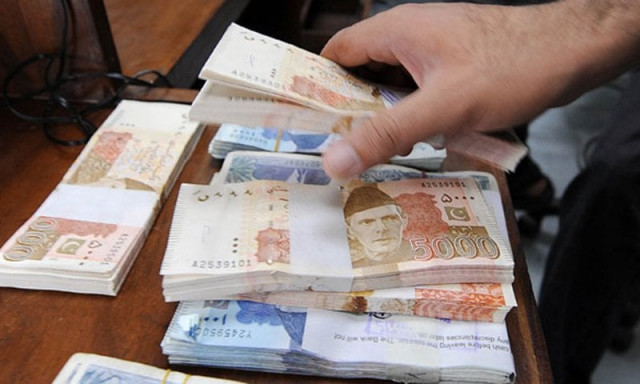
The State Bank of Pakistan (SBP) injected over Rs1.57 trillion into the banking system through conventional open market operations (OMO) and Shariah-compliant Mudarabah-based operations.
According to the central bank, it conducted reverse repo purchase (injection) auctions for 7-day and 14-day tenors on February 20, 2026. Against bids totalling Rs1.60 trillion, the SBP accepted Rs1.39
trillion (face value), equivalent to Rs1.36 trillion in realised value.
The bulk of liquidity, Rs1.30 trillion, was injected in the 14-day tenor at a cut-off rate of 10.51% per annum, while Rs93.1 billion was provided for seven days at 10.53%.
In parallel, the SBP also conducted Shariah-compliant Mudarabah-based OMO injections, accepting the entire offered amount of Rs210.5 billion across both tenors at 10.54%.
Meanwhile, gold prices in Pakistan continued their upward trajectory on Friday, tracking gains in the international market where bullion rose after weaker-than-expected US economic growth data and escalating geopolitical tensions between the United States and Iran lifted safe-haven demand.
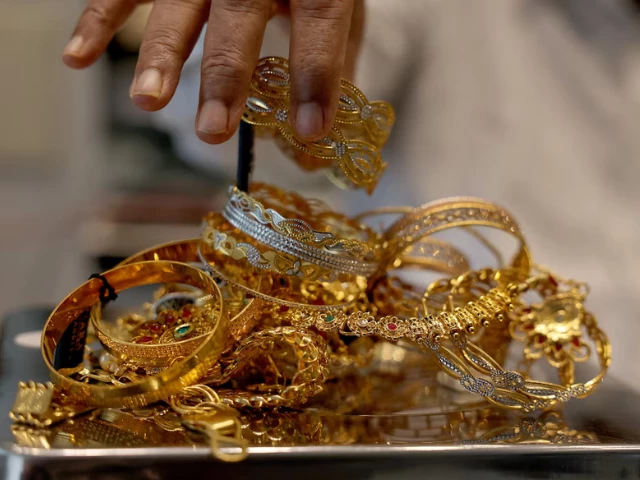
In the local market, the price of 24-karat gold per tola climbed by Rs2,500 to Rs526,462, according to rates issued by the All-Pakistan Gems and Jewellers Sarafa Association (APGJSA). . The price of 10 grams increased by Rs2,144 to Rs451,356.
The latest increase follows Thursday's sharp jump of Rs7,900 per tola, when gold had settled at Rs523,962. Silver prices also moved higher, gaining Rs170 to Rs8,574 per tola.
In the international market, spot gold rose 0.8% to $5,039.42 per ounce by 1404 GMT, while US gold futures for April delivery advanced 1.3% to $5,060.10, amid mixed US macroeconomic signals. Data showed US GDP growth slowed sharply in the fourth quarter, while the Federal Reserve's preferred inflation gauge, the PCE index, came in hotter than expected, reinforcing uncertainty over the interest-rate outlook.
Market participants also remained focused on geopolitical risks after US President Donald Trump issued a 10-day ultimatum to Iran, raising concerns about potential escalation in the Middle East.
Adnan Agar, Director at Interactive Commodities, said gold trading remained range-bound, with prices moving between $5,049.95 and $5,070 per ounce. "The market is a bit slow today and currently near its session high. Let's see what happens over the weekend," he said.
He noted that the broader near-term outlook for gold remained slightly negative due to macro factors but warned that any deterioration in US-Iran relations could quickly push prices higher. Analysts said bullion continues to draw support from safe-haven flows and expectations that central-bank gold purchases, which slowed recently, may resume alongside persistent geopolitical risks.
Source link


The project was part of a package of tech investment promising the UK could become an AI superpower.
Source link

People gather at the Magic Kingdom theme park before the “Festival of Fantasy” parade at Walt Disney World in Orlando, Florida, U.S. July 30, 2022.
Octavio Jones | Reuters
Disney is planning to begin its next phase of cost cutting, which will include as many as 1,000 layoffs, according to a person familiar with the matter.
The cost-cutting initiative comes shortly after Josh D’Amaro took the helm as CEO in mid-March.
The layoffs are expected to mostly affect Disney’s marketing department, according to the person, who requested to speak anonymously because the moves had not yet been made public. That department was recently consolidated under Asad Ayaz, who was named chief marketing and brand officer in January.
Ayaz, who reports directly to D’Amaro and Dana Walden, Disney’s president and chief creative officer, oversees marketing for all of Disney’s divisions — entertainment, experiences and sports — in the newly created role. It’s the first time that Disney brought all of its units under one marketing chief.
Disney’s stock was slightly down in afternoon trading on Thursday. The layoffs were first reported by The Wall Street Journal.
The changes to the marketing department structure occurred in January, when Bob Iger was still CEO of the company. Disney announced shortly after that that D’Amaro would take take over the top job — a long-awaited decision for the company.
D’Amaro, who previously was chairman of Disney Experiences, succeeded Iger after a period of uncertainty for the media and theme park giant — which had included a succession race and recent reorganization and turnaround of the business.
Iger reclaimed the Disney CEO role in late 2022, about two years after his initial departure. He was immediately tasked with a turnaround of the business as its stock price had fallen and earnings began to miss expectations.
By February 2023, Disney had announced sweeping plans that reorganized the structure of the company, cut $5.5 billion in costs and eliminated 7,000 jobs from its workforce.
On D’Amaro’s first official day as CEO in March, he noted the work Iger had done to get the company past one of its most difficult periods.
“When Bob returned to the company a few years ago, his goal was to fortify our business and lay the groundwork for long-term growth, by reigniting creativity and improving performance at our studios, building a robust and profitable streaming business, transforming ESPN for a digital future, and turbocharging our parks and experiences,” D’Amaro said on stage at the company’s investor day.
“We’ve accomplished all of those things, and we’re operating from a place of strength, with ample opportunity for growth.”
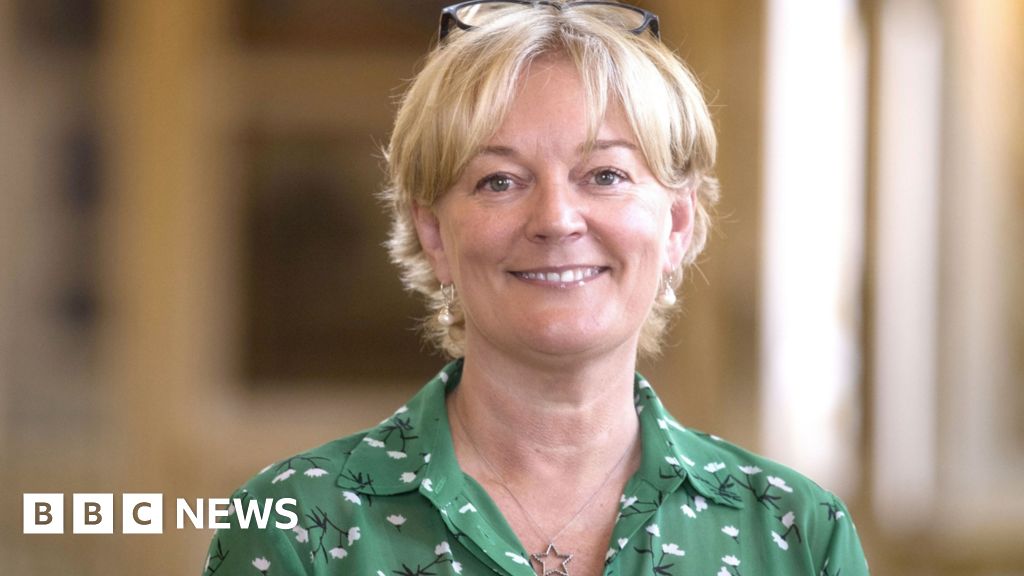
The British perfume designer and Zara are being sued by Estée Lauder over a collaboration.
Source link

[CinePlex360] Please moderate: “US fleet is mov

Trump administration dismantling US Forest Service: Here’s what it means

China Is Cracking Down on Scams. Just Not the Ones Hitting Americans

-
 Business1 week ago
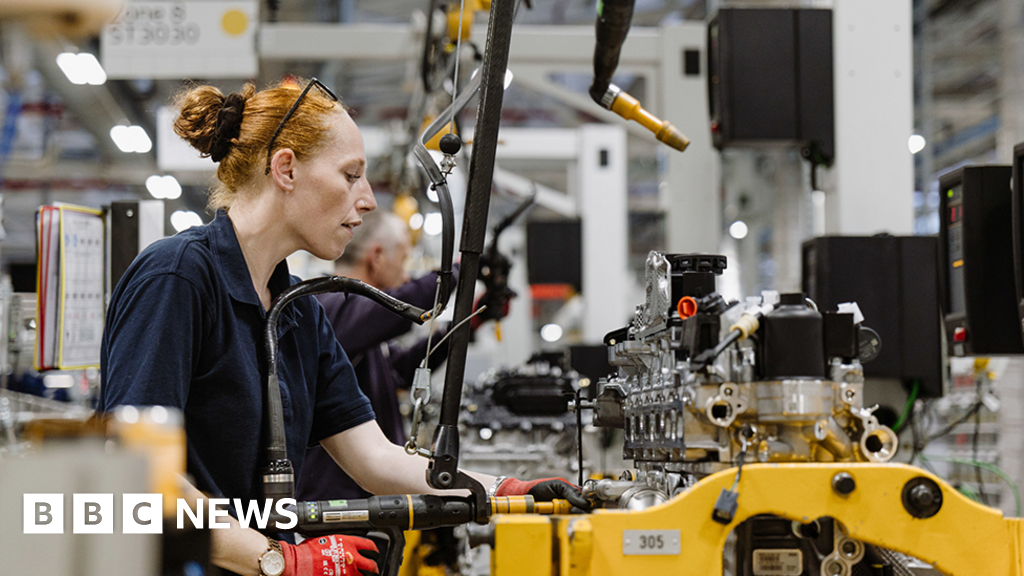
Jaguar Land Rover sees sales recover after cyber attack
-
Uncategorized1 week ago
[CinePlex360] Please moderate: “Trump signals p
-

 Entertainment6 days ago
Joe Jonas shares candid glimpse into parenthood with Sophie Turner
-

 Tech6 days ago
Our Favorite iPad Is $50 Off
-

 Fashion1 week ago
China’s Anta Sports posts record $11.62 bn revenue in 2025
-

 Politics6 days ago
Iran can sustain Strait of Hormuz closure for years, will cut US military logistics: Official
-

 Sports6 days ago
UConn Final Four run could trigger a $50M furniture giveaway for Massachusetts-based Jordan’s Furniture
-
 Business6 days ago
Video: Why Is the Labor Market Stuck?